30 Easy Learning Activities for Kids at Home (Ages 2–6)
Keeping young children engaged at home doesn't always require expensive toys, complicated activities, or more screen time.
Everyday objects around the house can become opportunities for learning.
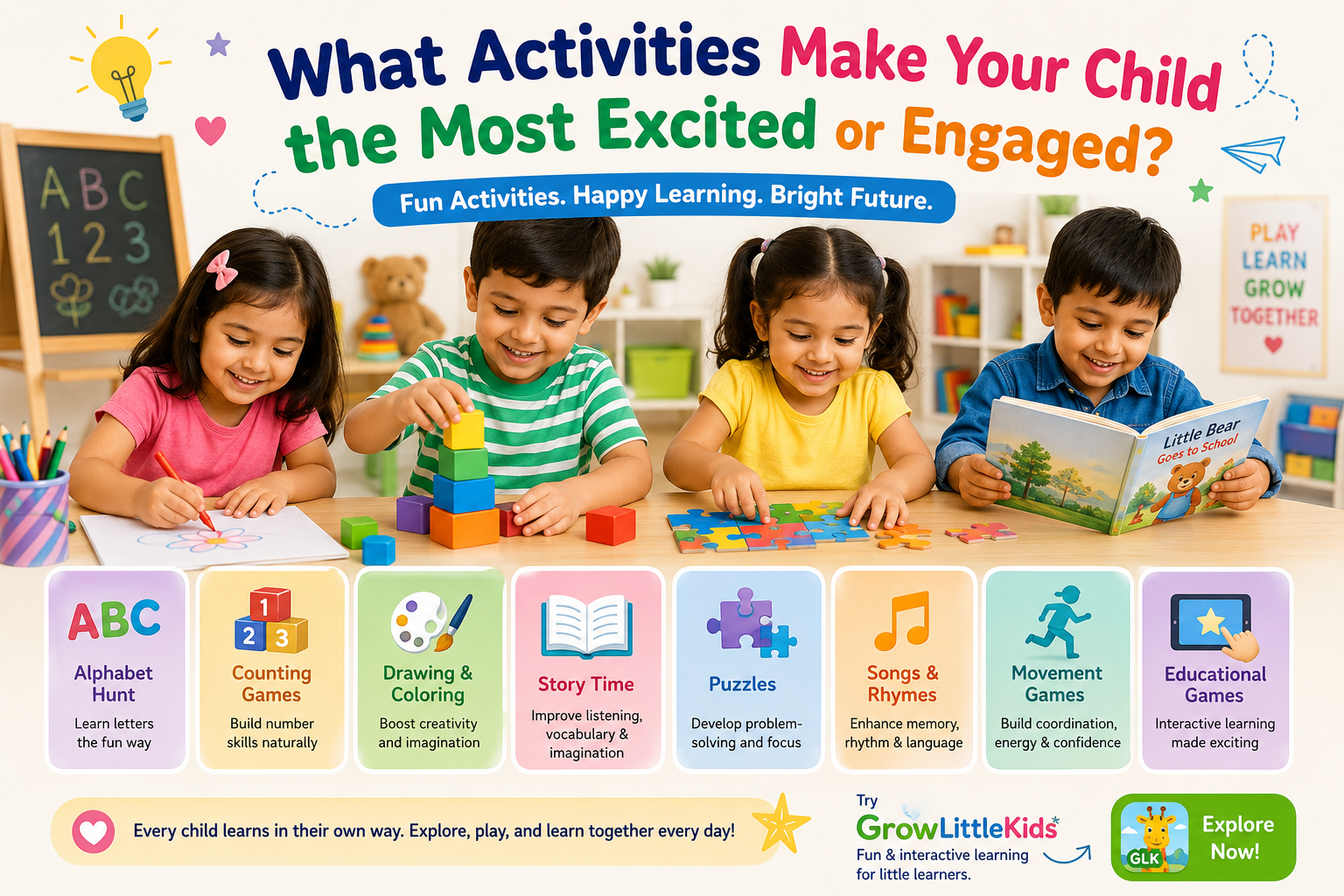
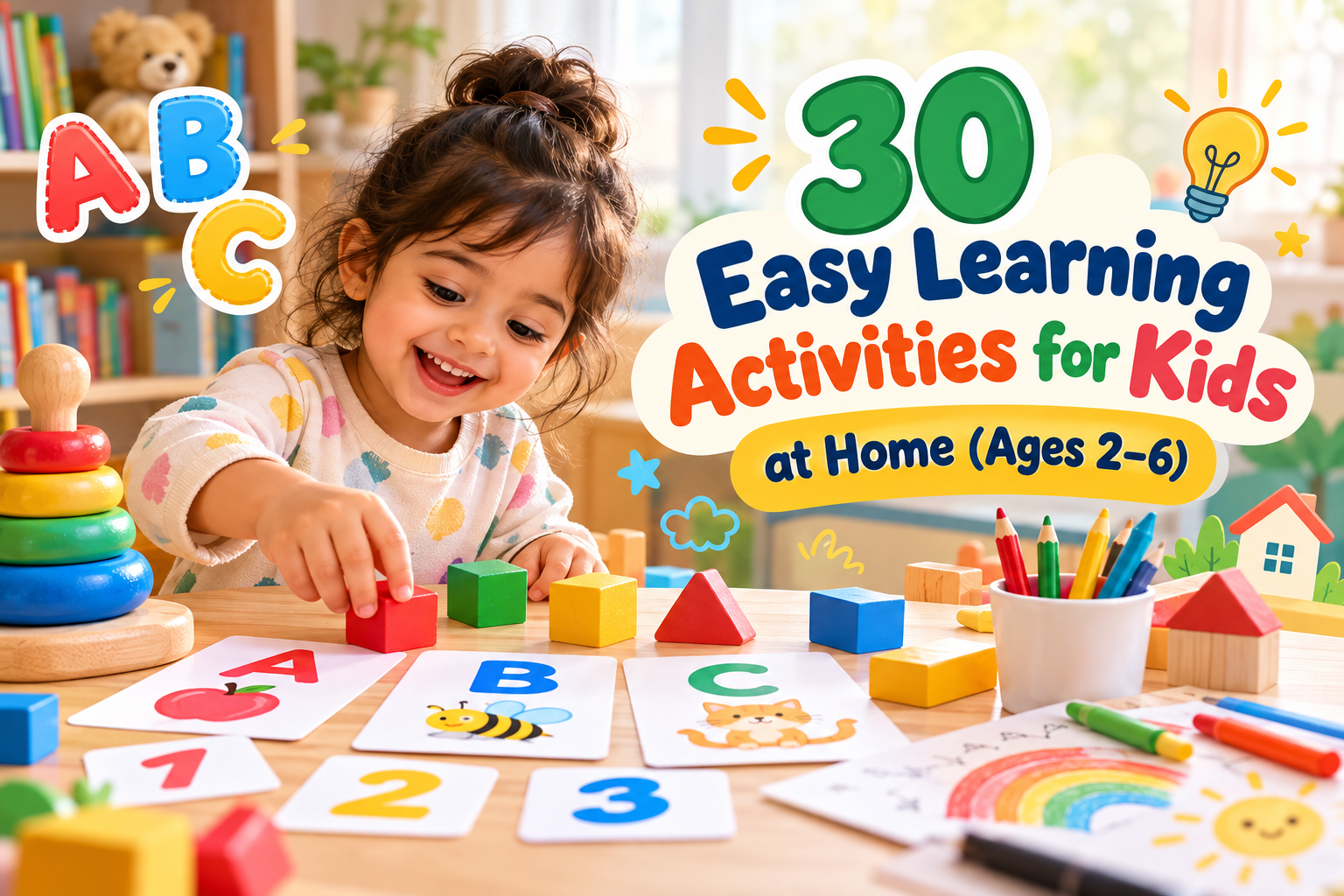
Children between the ages of 2 and 6 learn naturally through playing, exploring, talking, drawing, counting, moving, and asking questions. With a little creativity, parents can turn ordinary moments into fun learning experiences.
Here are 30 simple learning activities for kids at home that can help develop early literacy, math skills, creativity, problem-solving, fine motor skills, and curiosity.
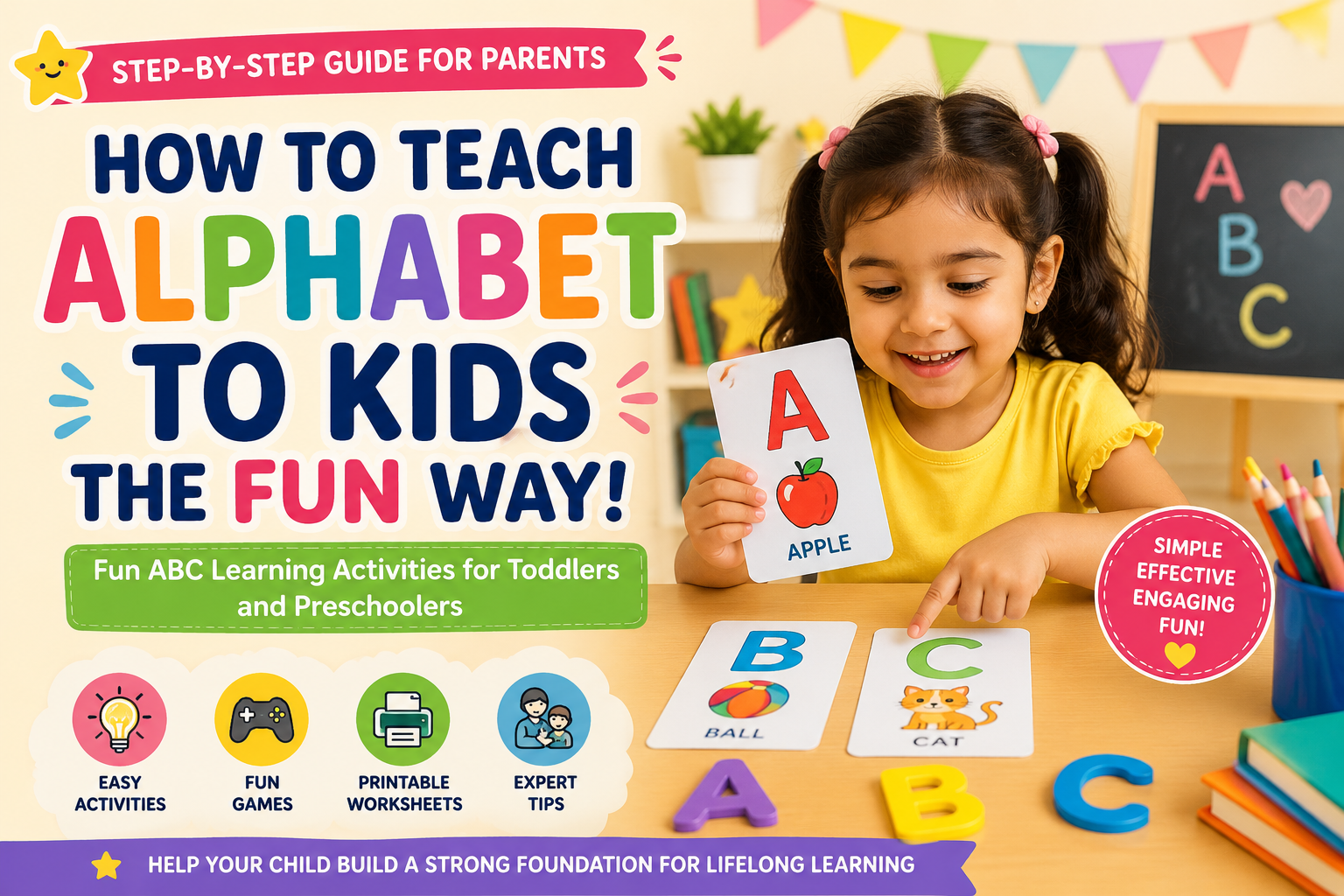
1. Alphabet Hunt 🔤
Choose a letter and ask your child to find objects around the house that start with that letter.
For example:
- B → Ball
- B → Book
- B → Bottle
For younger children, you can simply ask them to find objects containing a particular letter.
Learning benefits: Letter recognition, vocabulary, and early phonics skills.
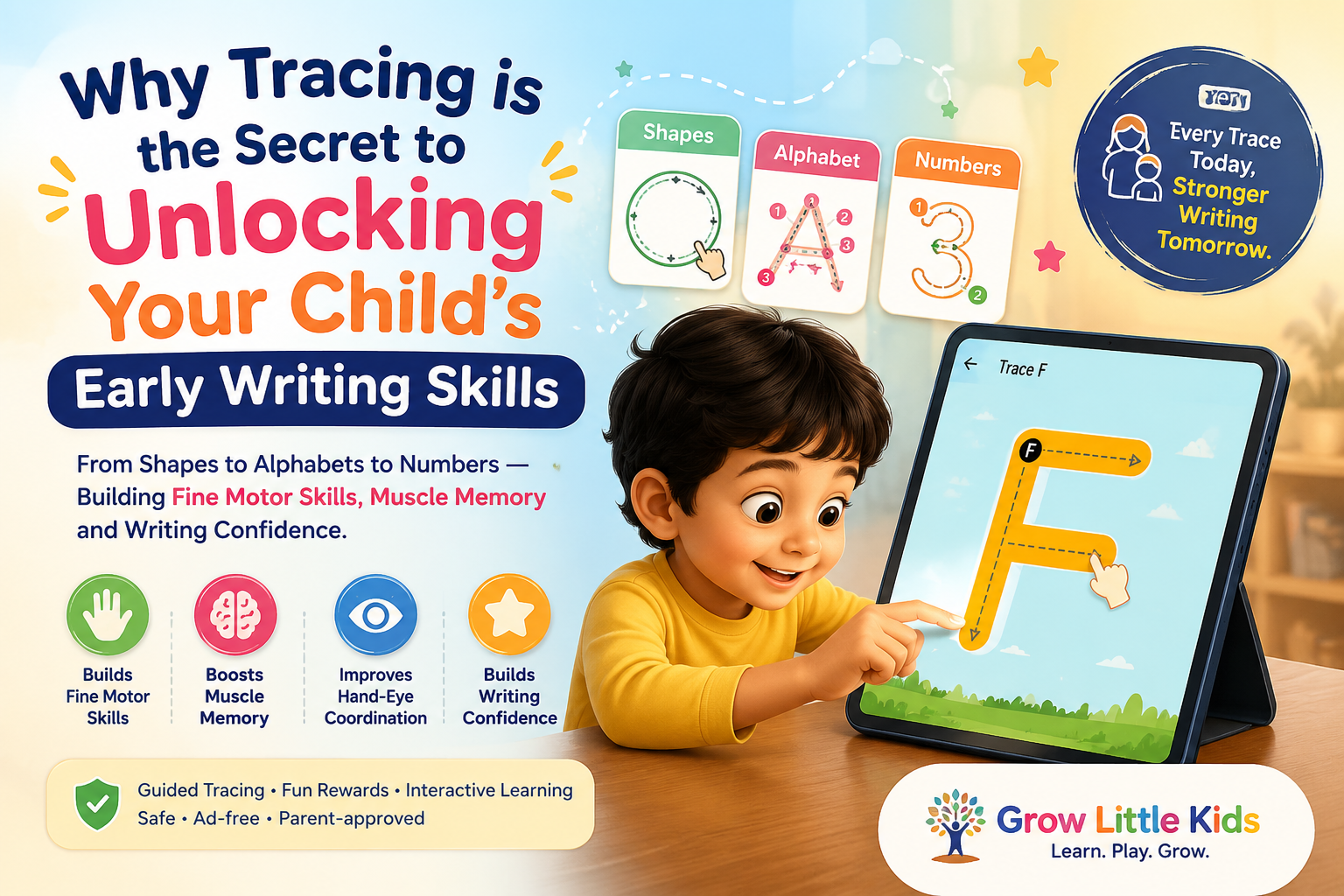
2. Letter Tracing ✏️
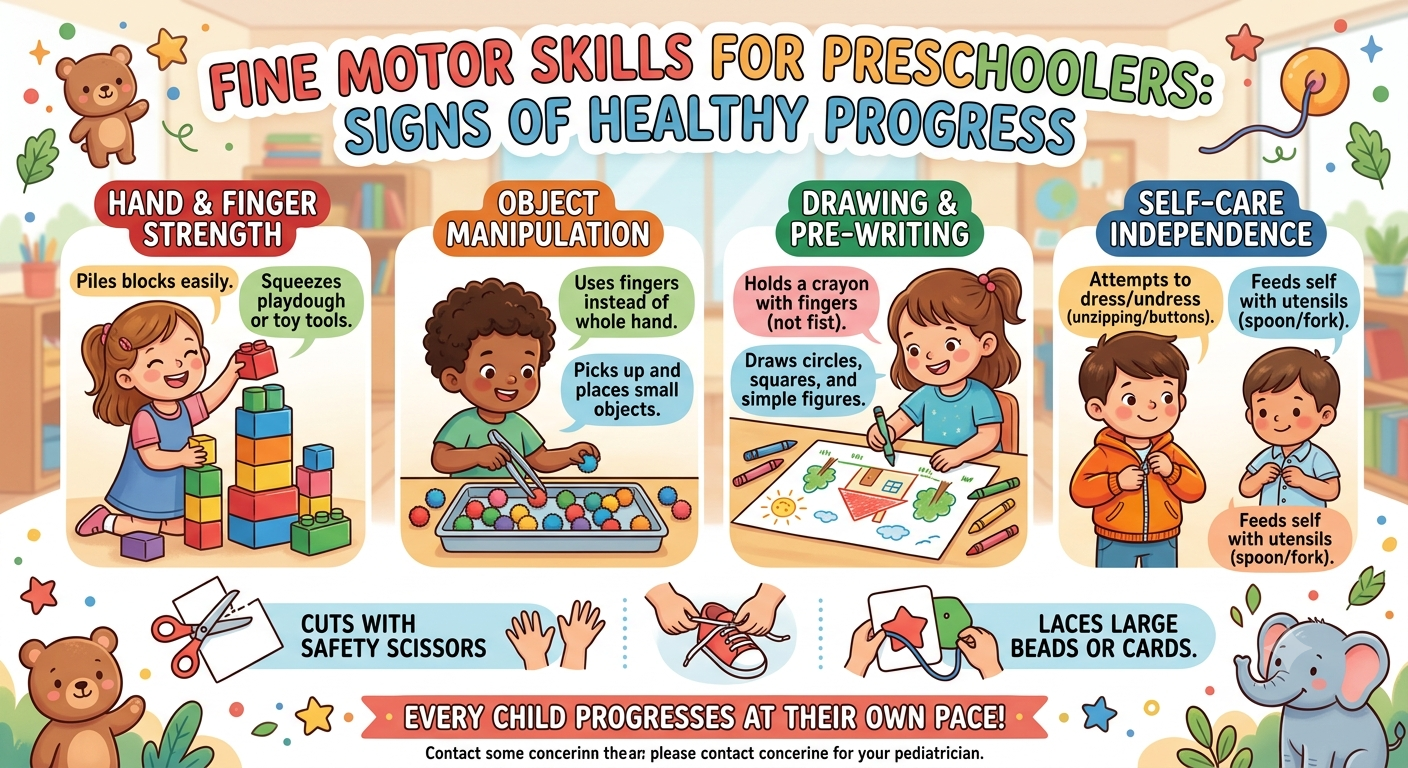
Write large letters on paper and let your child trace them with a pencil, crayon, or even their finger.
Start with simple letters such as A, B, C, and D.
For younger children, focus on recognizing the letter before expecting them to write it independently.
Learning benefits: Letter recognition, hand control, and fine motor development.
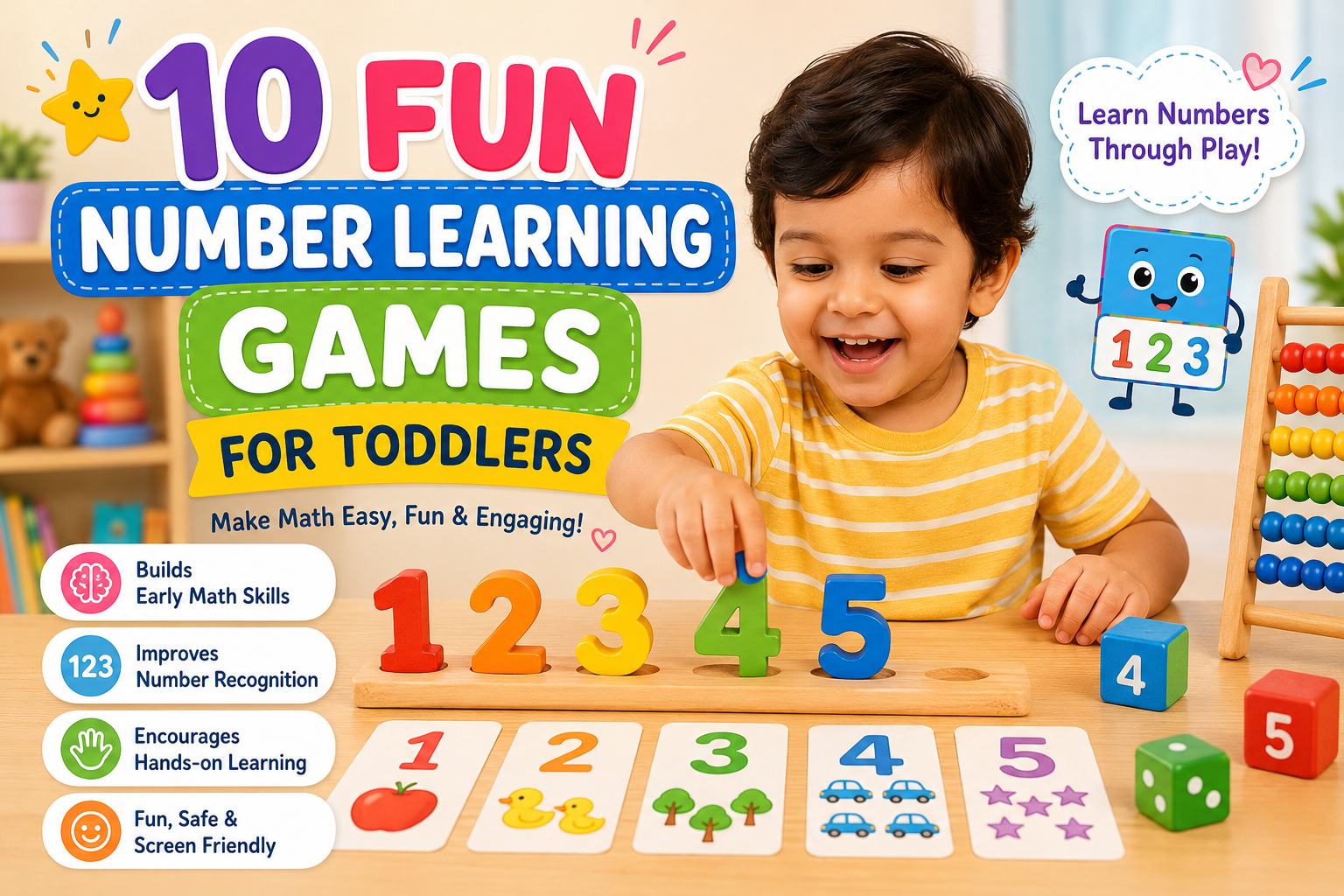
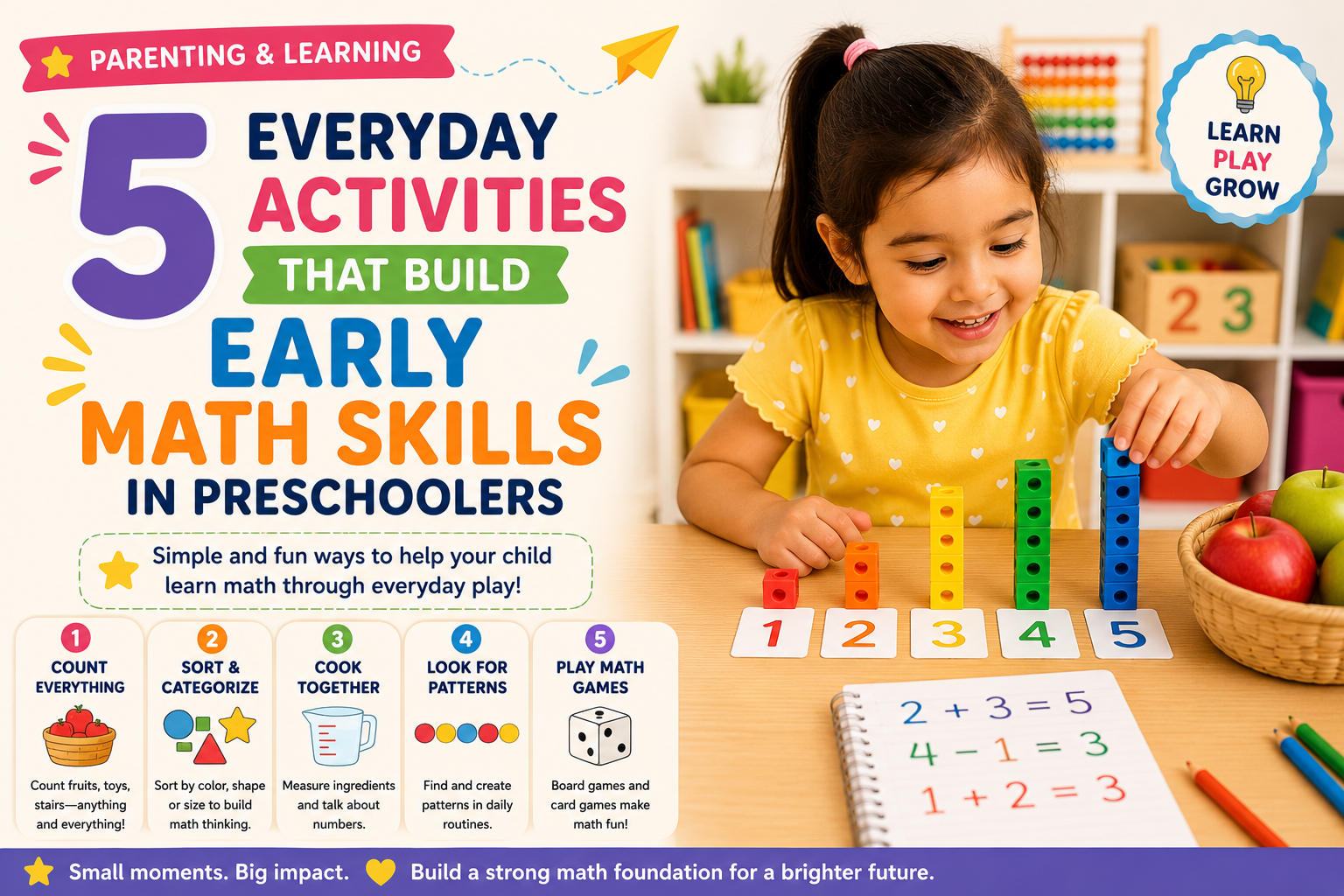
3. Count Everyday Objects 🔢
Use objects that are already available around your home.
Ask your child to count:
- 5 spoons
- 10 blocks
- 4 toys
- 6 pencils
Make it playful by asking questions such as, "Can you bring me three blue blocks?"
Learning benefits: Counting, number recognition, and following instructions.
4. Sorting Game 🧩
Give your child a collection of safe objects and ask them to sort them.
You can sort objects by:
- Color
- Size
- Shape
- Type
For example, ask your child to separate red and blue blocks.
Learning benefits: Classification, observation, and logical thinking.
5. Shape Hunt 🔵
Ask your child to find different shapes around the house.
Look for:
- Circles
- Squares
- Rectangles
- Triangles
A clock might be a circle, while a book may be a rectangle.
Learning benefits: Shape recognition and observation skills.
6. Make a Homemade Puzzle 🧩
Draw a simple picture on paper and cut it into a few large pieces.
Let your child put the pieces back together.
Start with only 2–4 pieces for younger children and gradually increase the difficulty as they become more comfortable.
Learning benefits: Problem-solving, visual recognition, concentration, and patience.
7. Color Matching 🌈
Collect objects with different colors and ask your child to match similar colors.
For example:
- Red → Red
- Blue → Blue
- Yellow → Yellow
You can also ask, "Can you find something in the room that is yellow?"
Learning benefits: Color recognition and visual discrimination.
8. Storytelling With Pictures 📖
Take a picture book and ask your child what they think is happening.
Instead of simply reading the words, ask:
- What do you see?
- What is the character doing?
- What do you think happens next?
- How does the character feel?
Learning benefits: Vocabulary, communication, imagination, and comprehension.
9. Make Your Own Story 🗣️
Give your child three simple objects or pictures.
For example:
Dog + Ball + Park
Ask your child to create a story using them.
Don't worry about whether the story is grammatically perfect. Encourage creativity and let your child express their ideas.
Learning benefits: Language development, imagination, communication, and confidence.
10. Number Matching 🔢
Write numbers from 1 to 10 on separate pieces of paper.
Then create groups of objects that match each number.
For example:
3 → 🧸 🧸 🧸
Ask your child to match the number with the correct quantity.
Learning benefits: Number recognition, counting, and early mathematical thinking.
11. Draw Your Family 🎨
Give your child paper and crayons and ask them to draw their family.
Ask questions about their drawing:
- Who is this?
- What are they doing?
- What color should their shirt be?
Learning benefits: Creativity, communication, imagination, and fine motor skills.
12. Free Drawing 🖍️
Sometimes children don't need instructions.
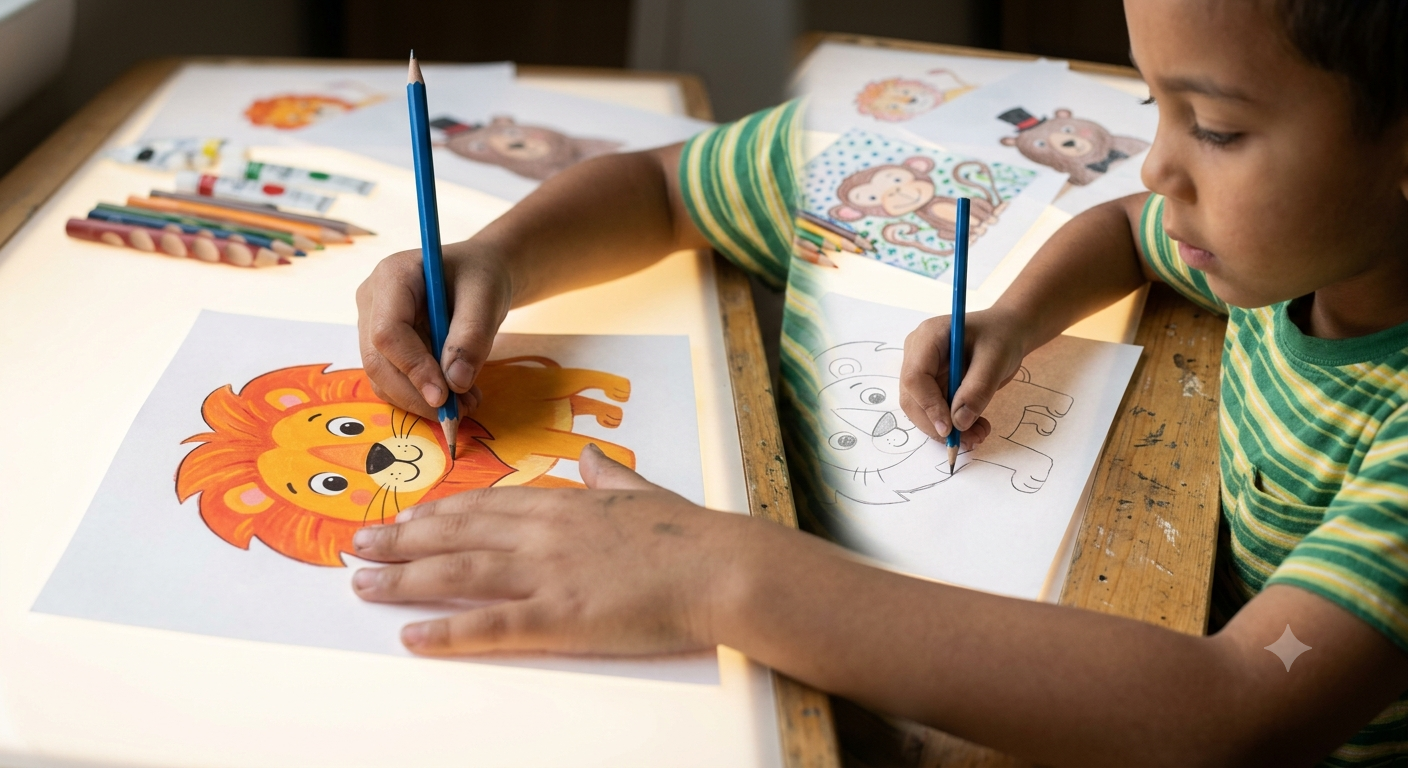
Give them paper and crayons and let them draw whatever they want.
Afterward, ask them to explain their picture. This turns a simple drawing activity into an opportunity for conversation and storytelling.
Learning benefits: Creativity, imagination, self-expression, and hand control.
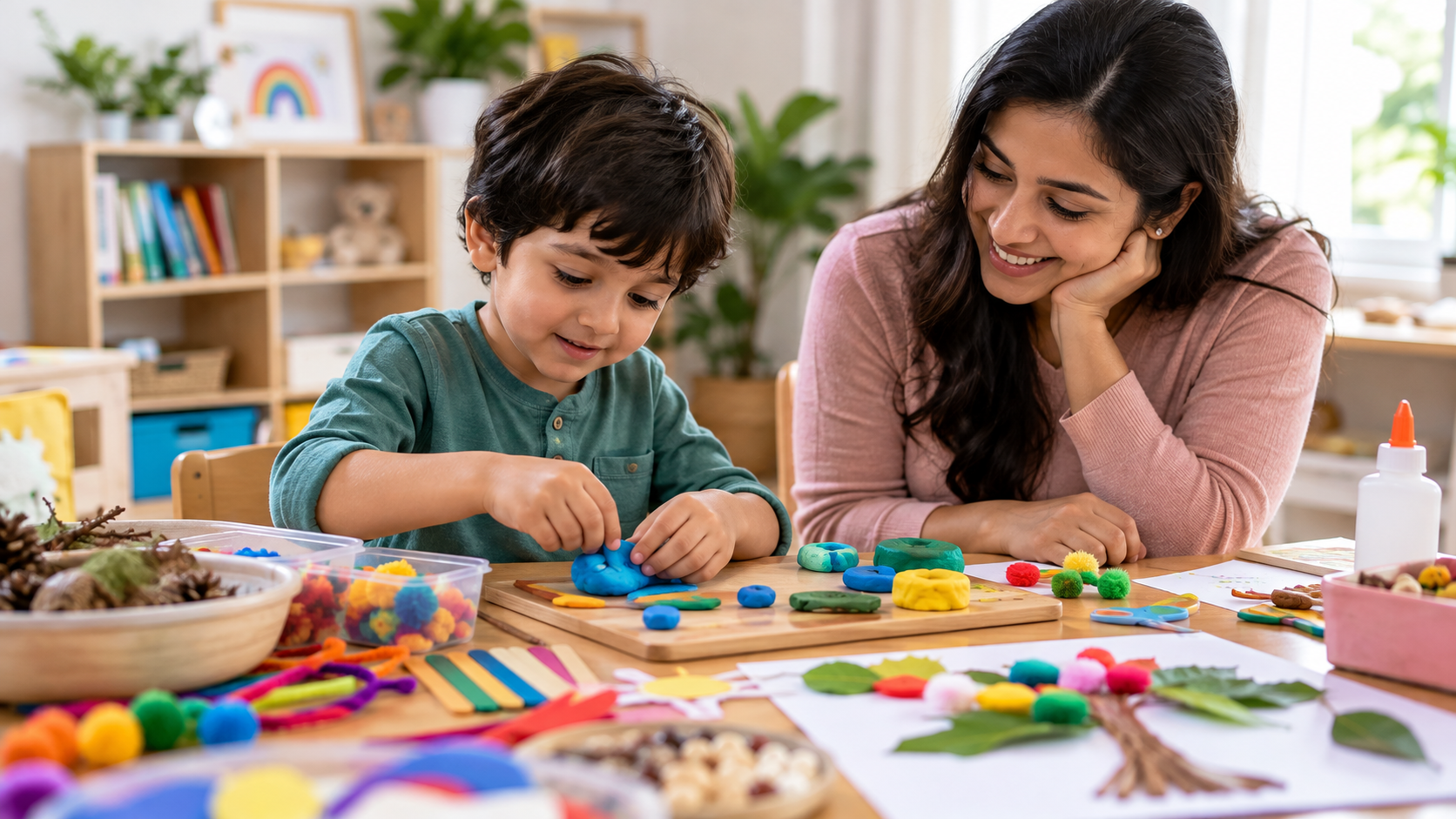
13. Play With Playdough 👐
Use playdough to make:
- Letters
- Numbers
- Shapes
- Animals
- Fruits
Ask your child to create something and describe what they made.
Learning benefits: Fine motor skills, creativity, shape recognition, and vocabulary.
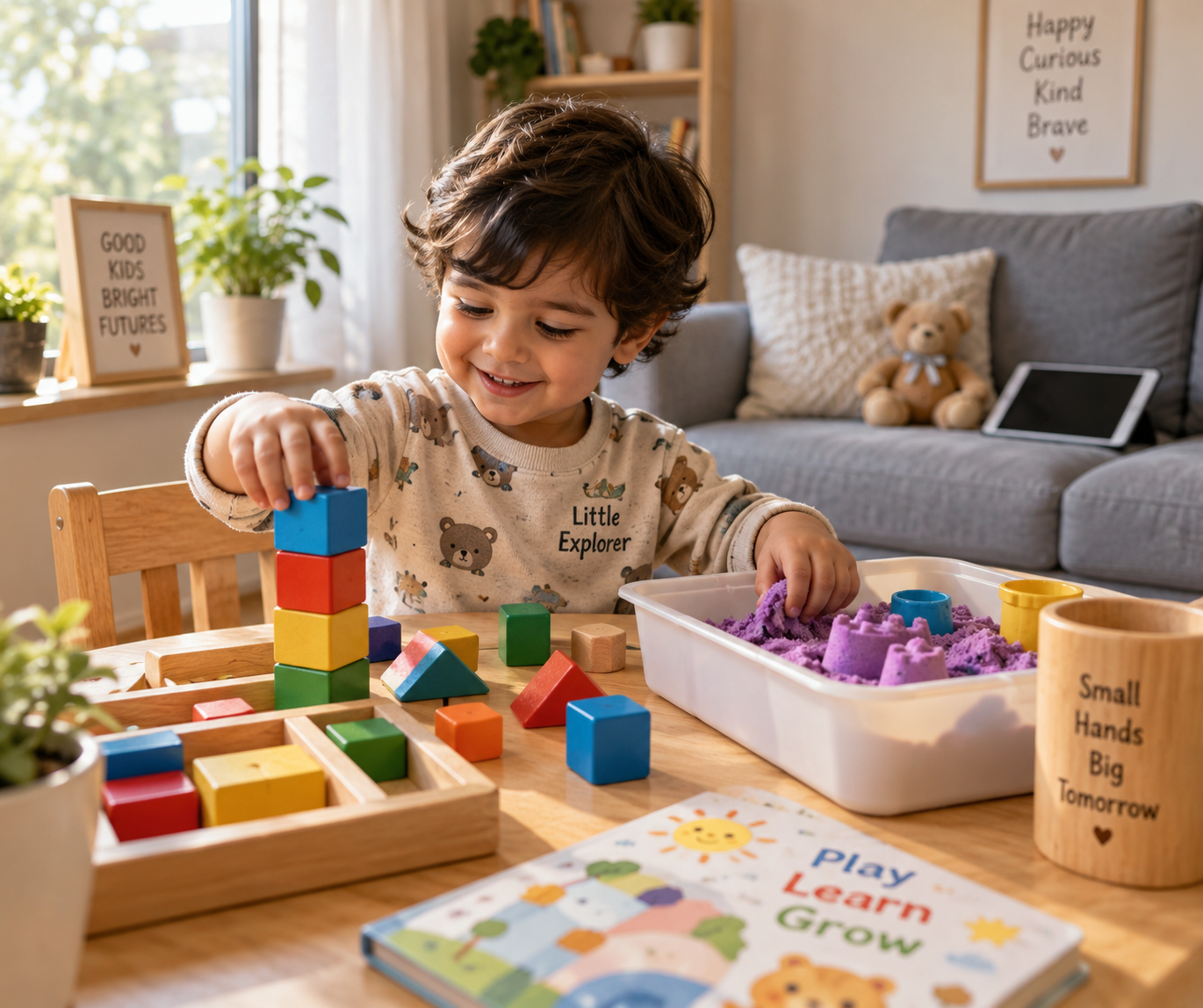
14. Build With Blocks 🧱
Give your child building blocks and challenge them to create something.
Try questions such as:
- Can you build a tall tower?
- Can you make it taller?
- Can you build a house?
- How many blocks did you use?
Learning benefits: Spatial awareness, problem-solving, creativity, counting, and coordination.
15. Simple Counting While Cooking 🍎
Cooking can become a simple learning activity when children are safely supervised.
Ask your child to help count safe ingredients.
For example:
"Can you give me three tomatoes?"
"How many bananas do we have?"
Always supervise children around kitchens, hot surfaces, sharp objects, and food preparation.
Learning benefits: Counting, vocabulary, following instructions, and practical learning.
16. Water Pouring Activity 💧
With adult supervision, give your child cups and containers and let them transfer water between them.
Ask questions such as:
- Which cup has more?
- Which cup has less?
- What happens when we pour the water?
Learning benefits: Early measurement concepts, coordination, observation, and cause-and-effect understanding.
17. Nature Collection 🌿
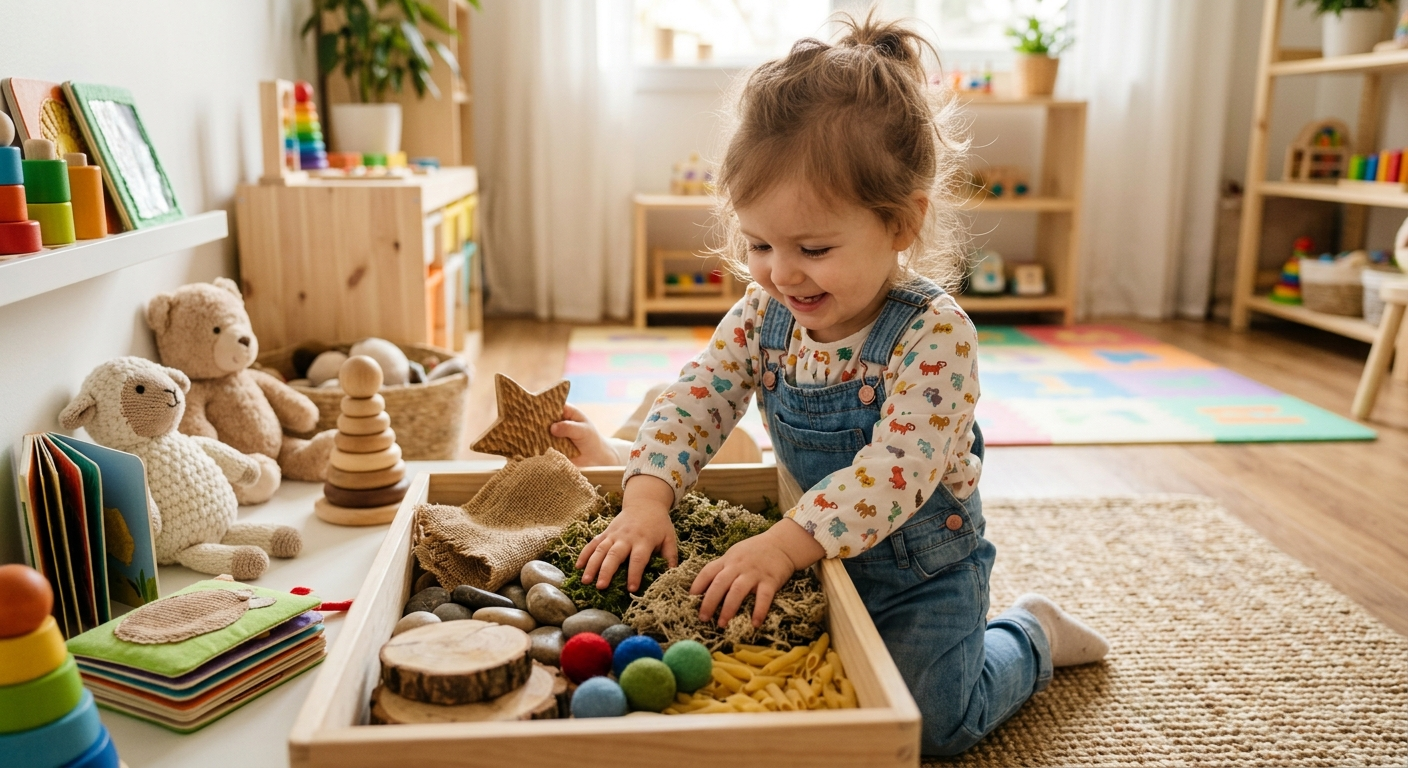
During a walk, collect safe natural objects such as leaves, small sticks, or stones.
Bring them home and sort them by size, color, or shape.
Avoid unknown plants, sharp objects, or anything that could be unsafe to touch.
Learning benefits: Observation, classification, curiosity, and connection with nature.
18. Sound Guessing Game 👂
Make a sound behind your back using a safe household object.
For example:
- Shake a container
- Tap a spoon
- Crumple paper
Ask your child to guess what made the sound.
Learning benefits: Listening skills, memory, attention, and observation.
19. Rhyming Words 🎵
Choose a simple word such as cat.
Then ask your child to think of words that sound similar:
Cat → Hat → Bat
For younger children, make it into a silly rhyming game and celebrate their attempts.
Learning benefits: Phonological awareness, listening skills, and vocabulary development.
20. Sing Nursery Rhymes 🎶
Sing familiar nursery rhymes together.
Encourage your child to:
- Sing along
- Clap
- Move to the rhythm
- Complete missing words
Learning benefits: Memory, language development, rhythm, listening, and participation.
21. Memory Game 🧠
Place several familiar objects on a table.
Let your child look at them for a few seconds. Then hide one object.
Ask:
"What's missing?"
Start with three objects and increase the number as your child becomes better at the game.
Learning benefits: Memory, attention, observation, and concentration.
22. Simple Maze 🐰
Draw a simple maze on paper.
Ask your child to help a character reach a destination.
For example:
Help the rabbit reach the carrot. 🐰 → 🥕
Start with a very simple maze and gradually make it more challenging.
Learning benefits: Problem-solving, concentration, visual tracking, and patience.
23. Follow-the-Instructions Game 👂
Give your child simple instructions:
- "Touch your nose."
- "Jump two times."
- "Pick up the red toy."
Gradually make the instructions more complex as your child becomes comfortable.
Learning benefits: Listening, memory, language comprehension, movement, and following directions.
24. Treasure Hunt 🔎
Hide a safe object somewhere in the house and give your child simple clues.
For example:
"Look near something you use for reading."
Then provide another clue if necessary:
"Look under the table."
Learning benefits: Problem-solving, language comprehension, memory, and spatial awareness.
25. Match the Socks 🧦
Give your child a basket of clean socks and ask them to find matching pairs.
Make it more challenging by mixing different colors, patterns, and sizes.
Learning benefits: Matching, visual discrimination, classification, and attention.
26. Grocery Pretend Play 🛒
Create a pretend grocery store using household objects.
Your child can become the shopkeeper while you become the customer.
Use simple numbers:
"I need two apples."
"How many bananas do you have?"
For older preschoolers, you can introduce simple pretend money and prices.
Learning benefits: Communication, counting, social skills, problem-solving, and practical mathematics.
27. Letter or Number Hunt 🔤
Write several letters or numbers on pieces of paper and hide them around a room.
Call out one:
"Find number 5!"
Your child then searches for it.
You can make the game harder by hiding more cards or asking your child to find letters in a specific order.
Learning benefits: Recognition, movement, memory, attention, and concentration.
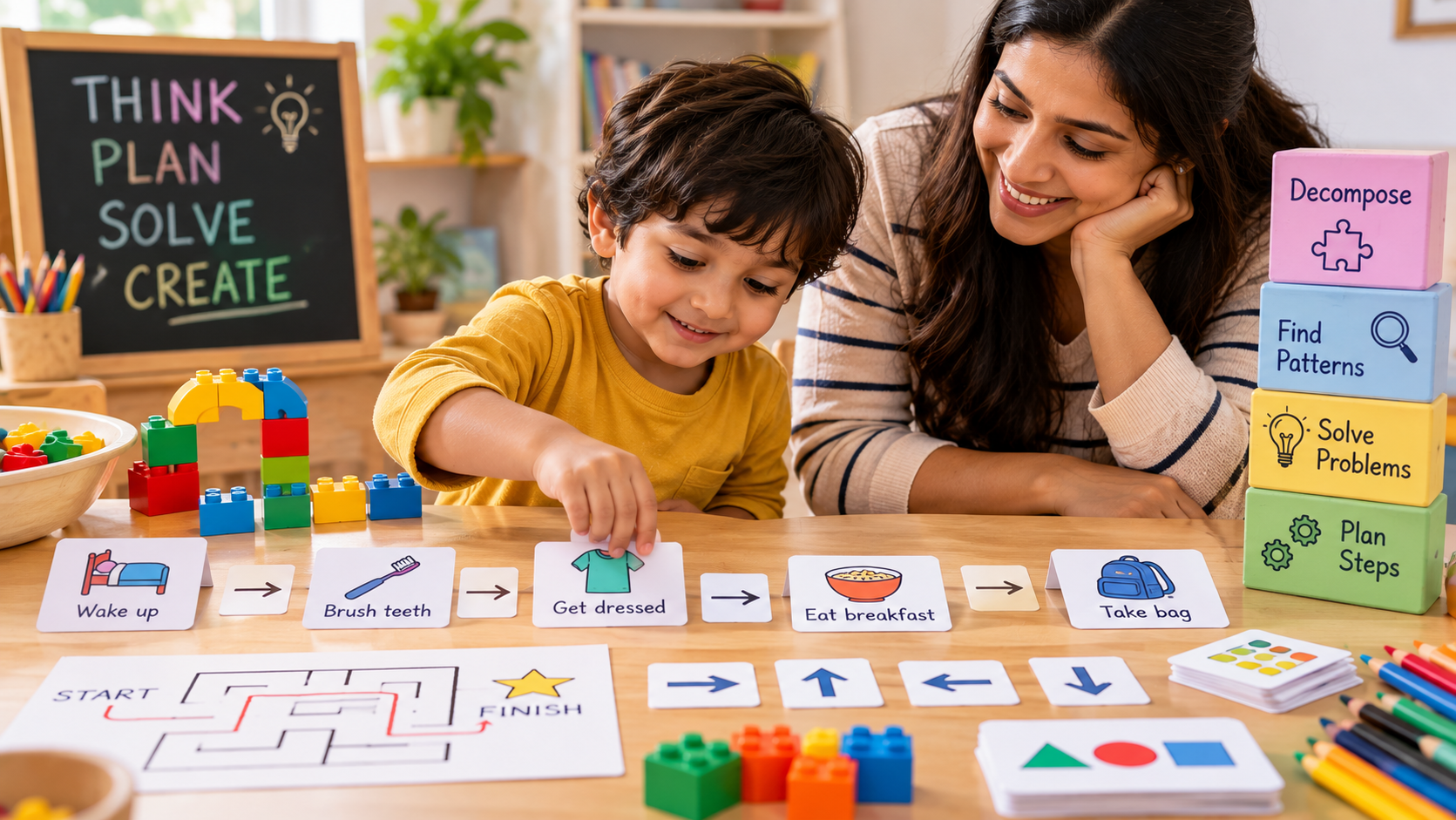
28. Build a Daily Routine Chart 📅
Create a simple visual routine chart together:
- 🌞 Wake Up
- 🪥 Brush Teeth
- 🍎 Breakfast
- 📚 Learning
- 🎨 Play
- 📖 Story Time
Let your child move a marker or check off each activity after completing it.
Learning benefits: Routine, independence, sequencing, responsibility, and time awareness.
29. Ask "Why?" and "What If?" 🤔
Children naturally ask questions, but parents can also encourage curiosity by asking open-ended questions.
Try questions like:
- "Why do you think plants need water?"
- "What would happen if we didn't have sunlight?"
- "Why does ice melt?"
- "What do you think will happen next?"
There doesn't always need to be one perfect answer. Encourage your child to think, explain, and ask more questions.
Learning benefits: Critical thinking, language, curiosity, reasoning, and confidence.
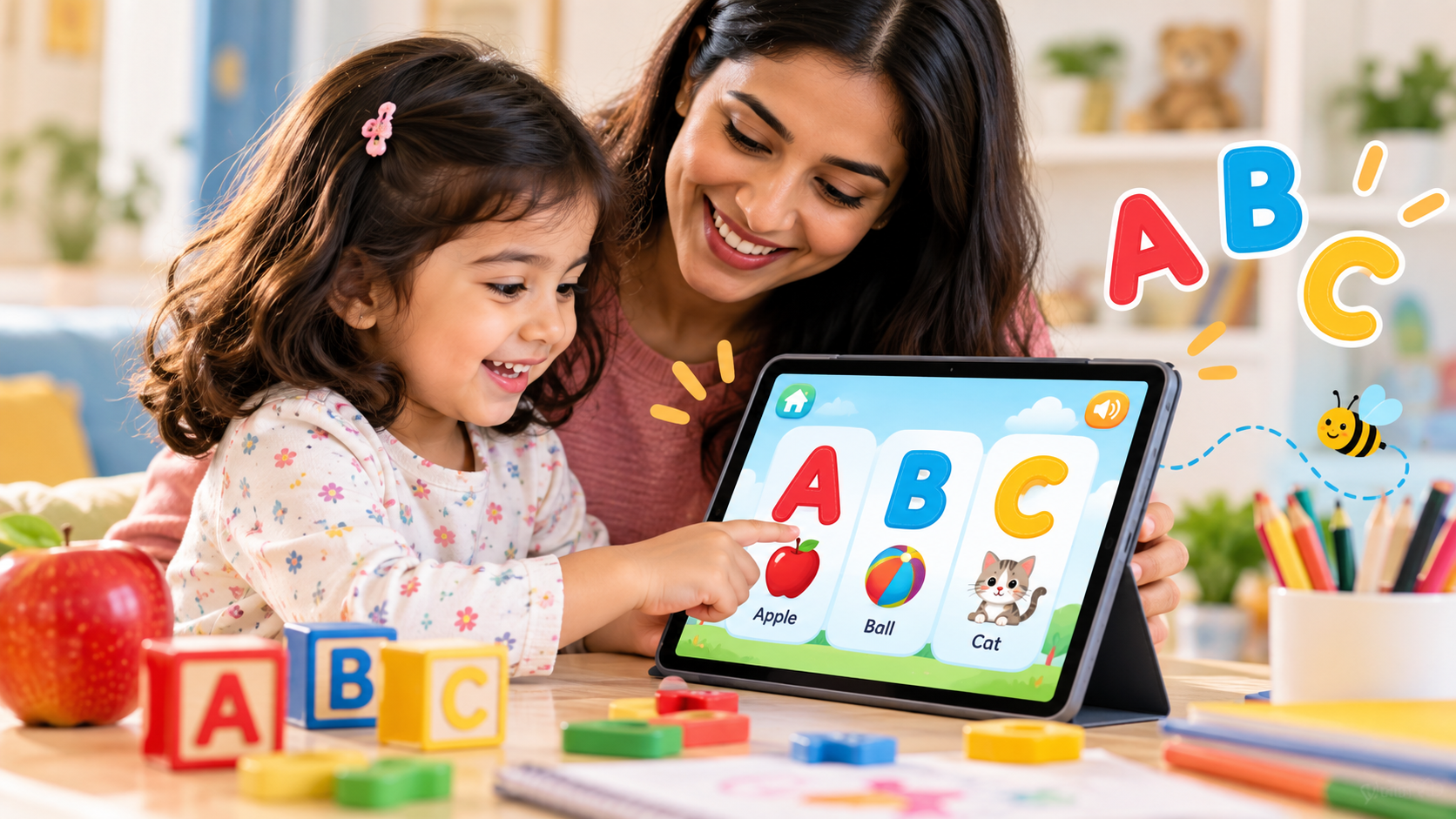
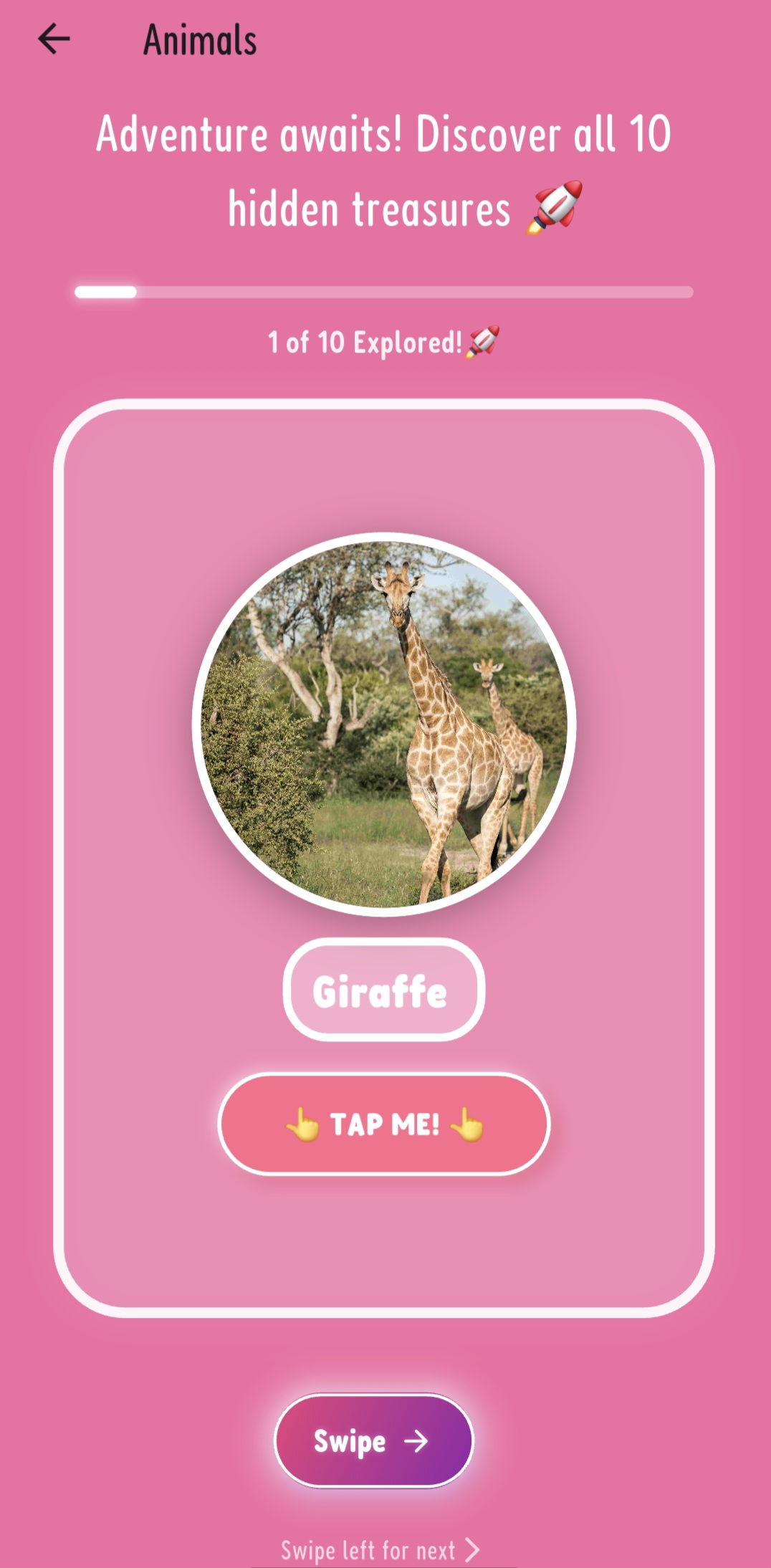
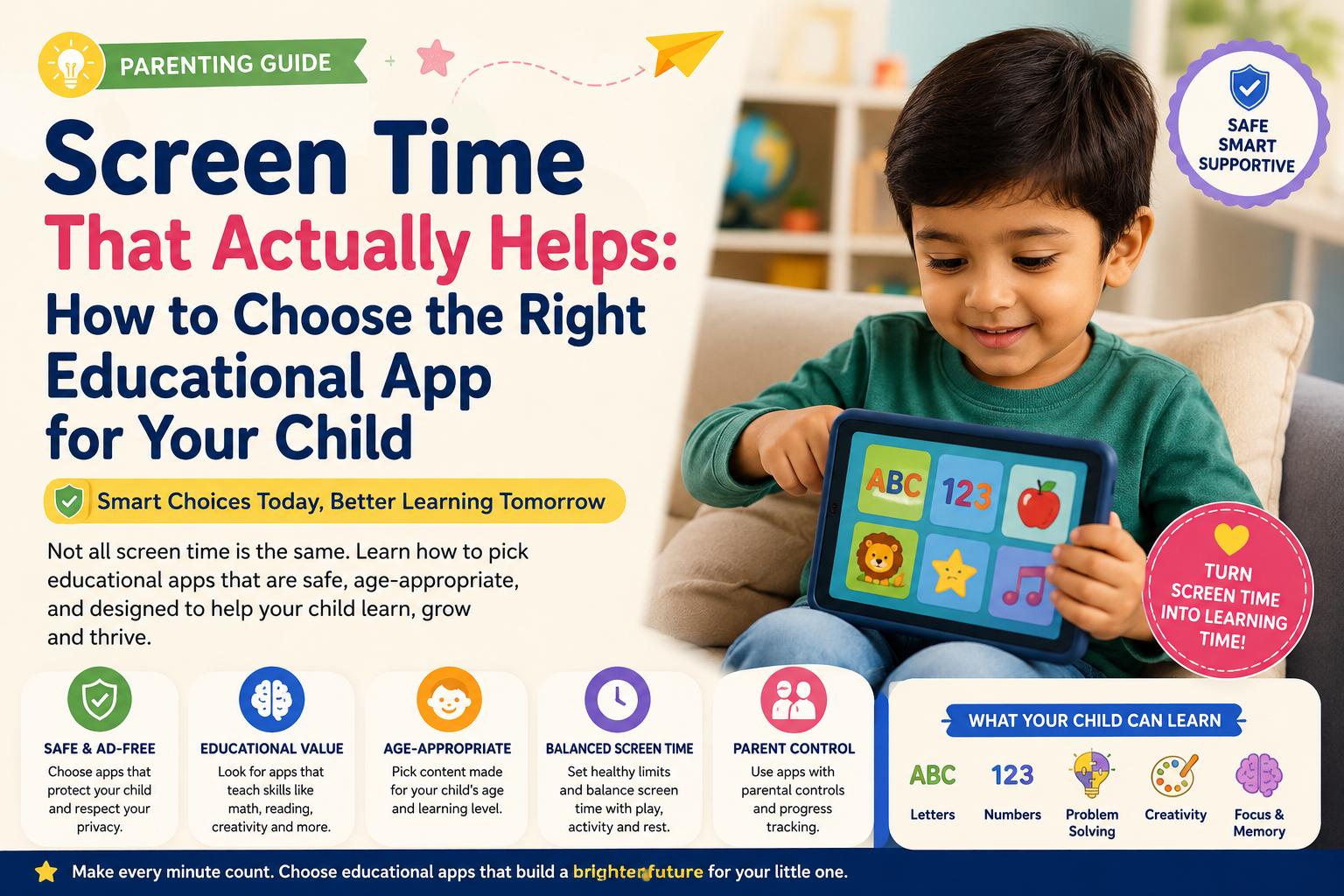
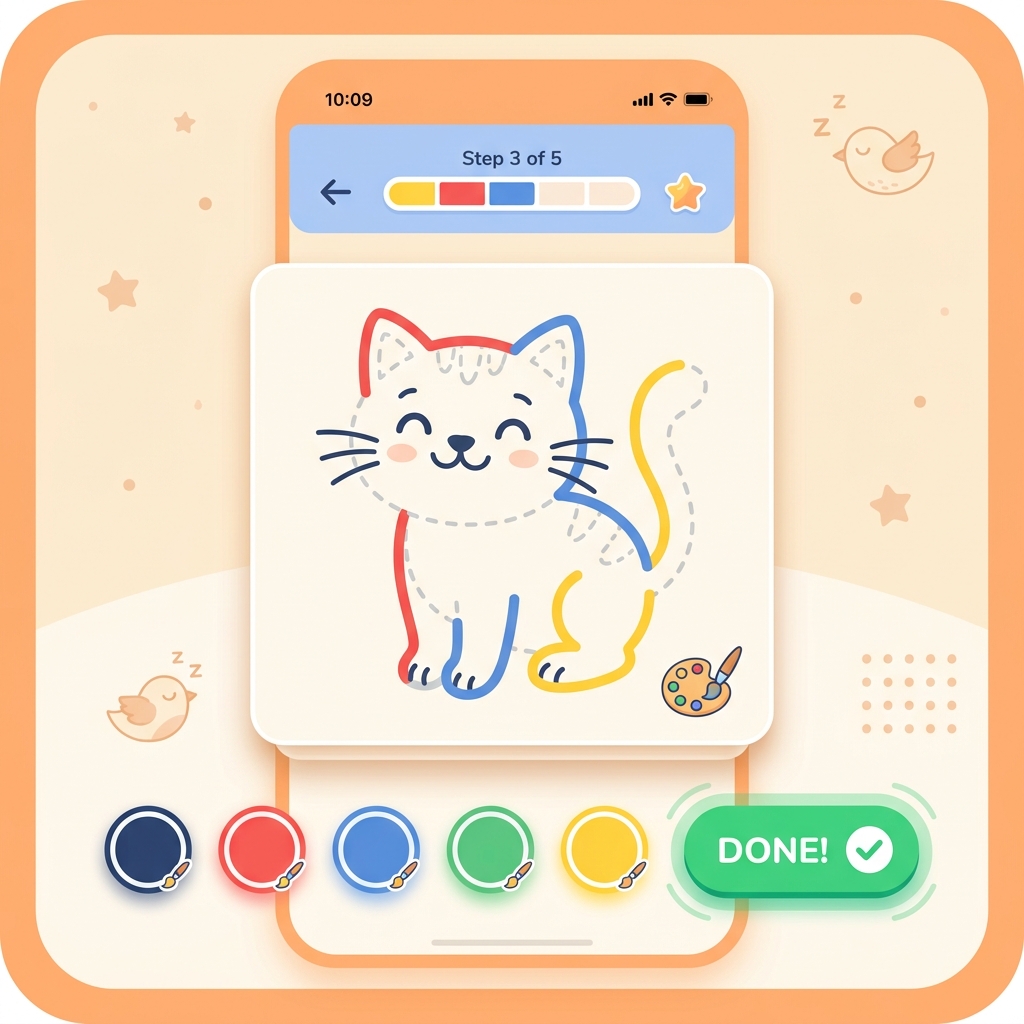
30. Learning Through an Educational App 📱
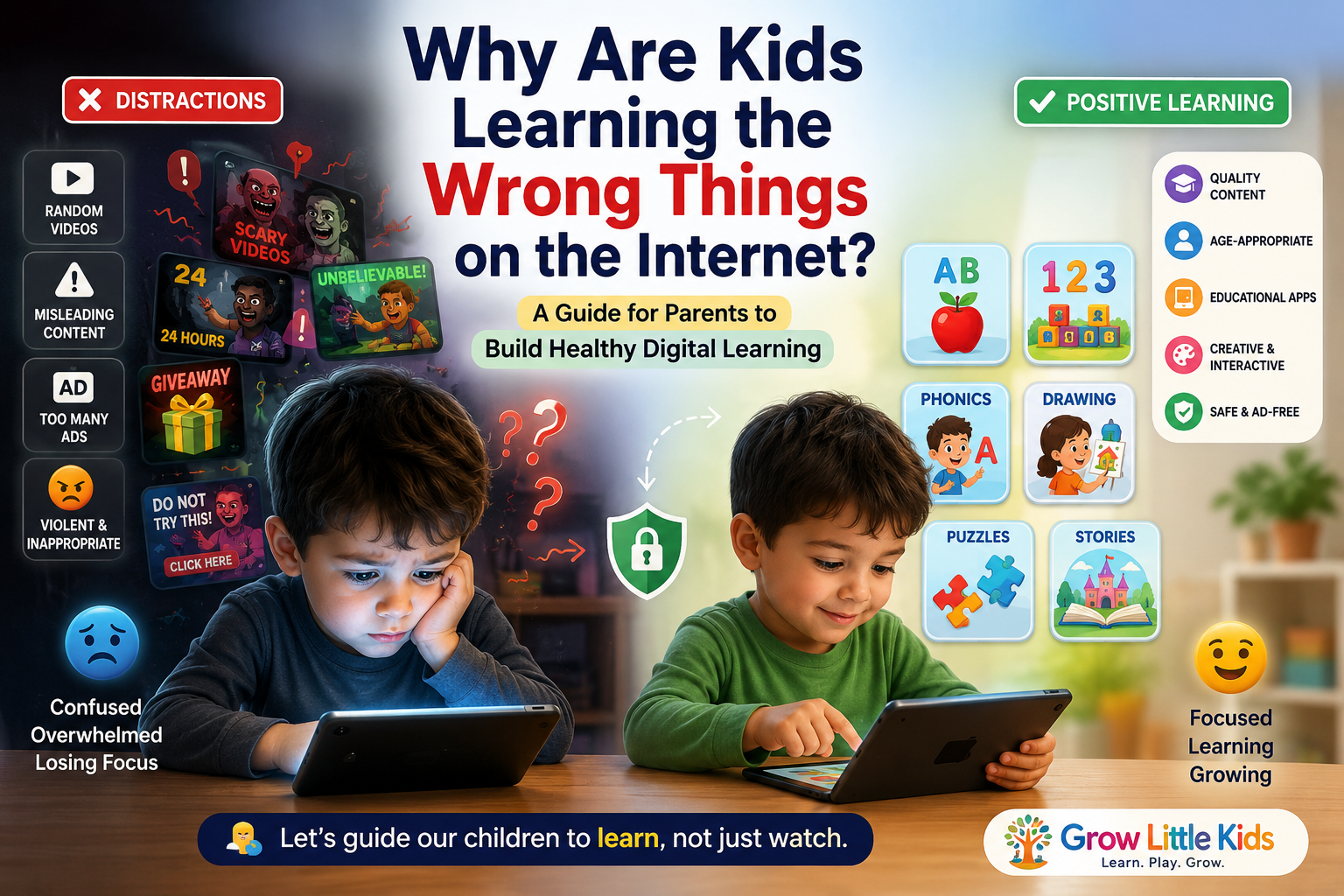
Digital learning can also be useful when it is age-appropriate, interactive, and balanced with offline activities.
Instead of simply watching videos, look for activities where children can actively participate through:
- Alphabet learning
- Phonics
- Number games
- Tracing
- Drawing
- Quizzes
- Educational games
The goal isn't to replace hands-on play, outdoor activities, or reading. Educational technology can simply be one part of a balanced learning routine.
How to Choose the Right Activity for Your Child's Age 👶
Ages 2–3
Focus on simple activities such as:
- Colors
- Shapes
- Simple counting
- Songs
- Drawing
- Sorting
- Matching
- Simple instructions
Ages 3–4
You can gradually introduce:
- Alphabet recognition
- Number recognition
- Simple puzzles
- Rhyming
- Storytelling
- Basic patterns
- More detailed drawing
Ages 4–6
You can introduce more challenging activities such as:
- Early reading
- Phonics
- Simple addition
- Writing practice
- More complex puzzles
- Problem-solving
- Story creation
- Sequencing activities
Children develop at different rates, so these age groups should be treated as general guides rather than strict requirements.
You Don't Need Expensive Toys 🧸
One of the biggest advantages of learning at home is that you can use things you already have.
A few simple household items can create dozens of activities:
- Paper + crayons: Drawing, letters, numbers, and mazes
- Blocks: Counting, patterns, shapes, and building
- Socks: Matching and sorting
- Books: Reading, storytelling, and vocabulary
- Kitchen objects: Counting and pretend play
- Leaves: Sorting, observation, and nature learning
Learning doesn't always look like sitting at a desk with a worksheet.
For young children, play itself can be a powerful way to learn.
How Parents Can Make Learning More Fun ❤️
1. Follow Your Child's Interests
If your child loves animals, use animals to teach counting, letters, colors, and stories.
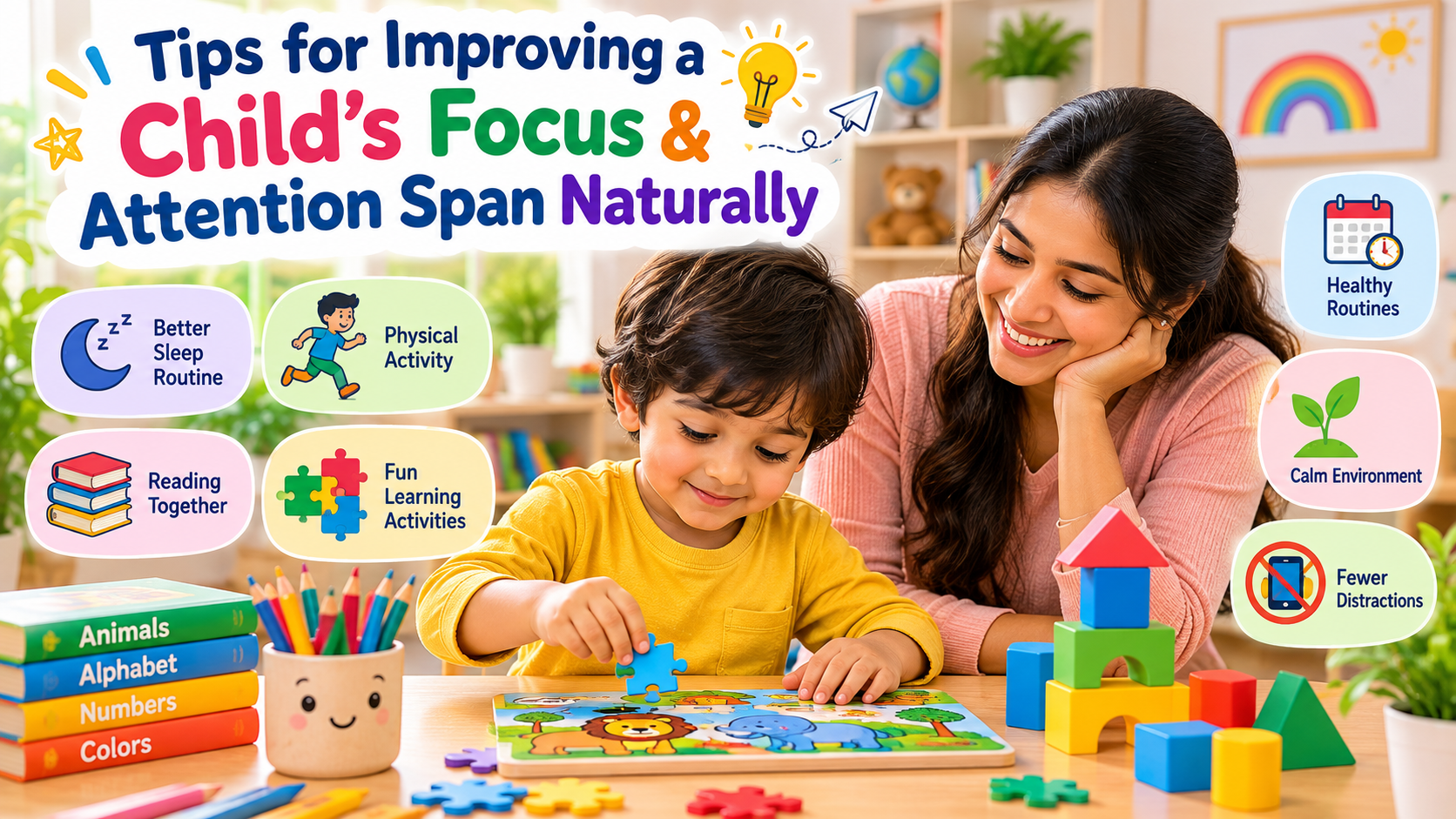
2. Keep Activities Short
Young children have limited attention spans. A short activity that your child enjoys can be more effective than a long activity they don't enjoy.
3. Let Children Make Mistakes
Don't immediately give them the answer. Ask questions that help them think and discover the solution themselves.
4. Mix Learning and Movement
Children don't have to sit still to learn. Combine jumping, searching, sorting, counting, talking, and drawing.
5. Celebrate Effort
Instead of only saying "You're correct!", try saying:
"I like how you tried another way."
This encourages children to keep exploring and trying new things.
Final Thoughts 🌟
Learning at home doesn't need to be complicated.
A simple game of counting toys, sorting socks, drawing a picture, reading a story, or searching for letters around the house can become a meaningful learning experience.
The most important thing is to make learning active, enjoyable, and appropriate for your child's age.
Try one activity today and see what your child enjoys most. You can then build more activities around their interests.
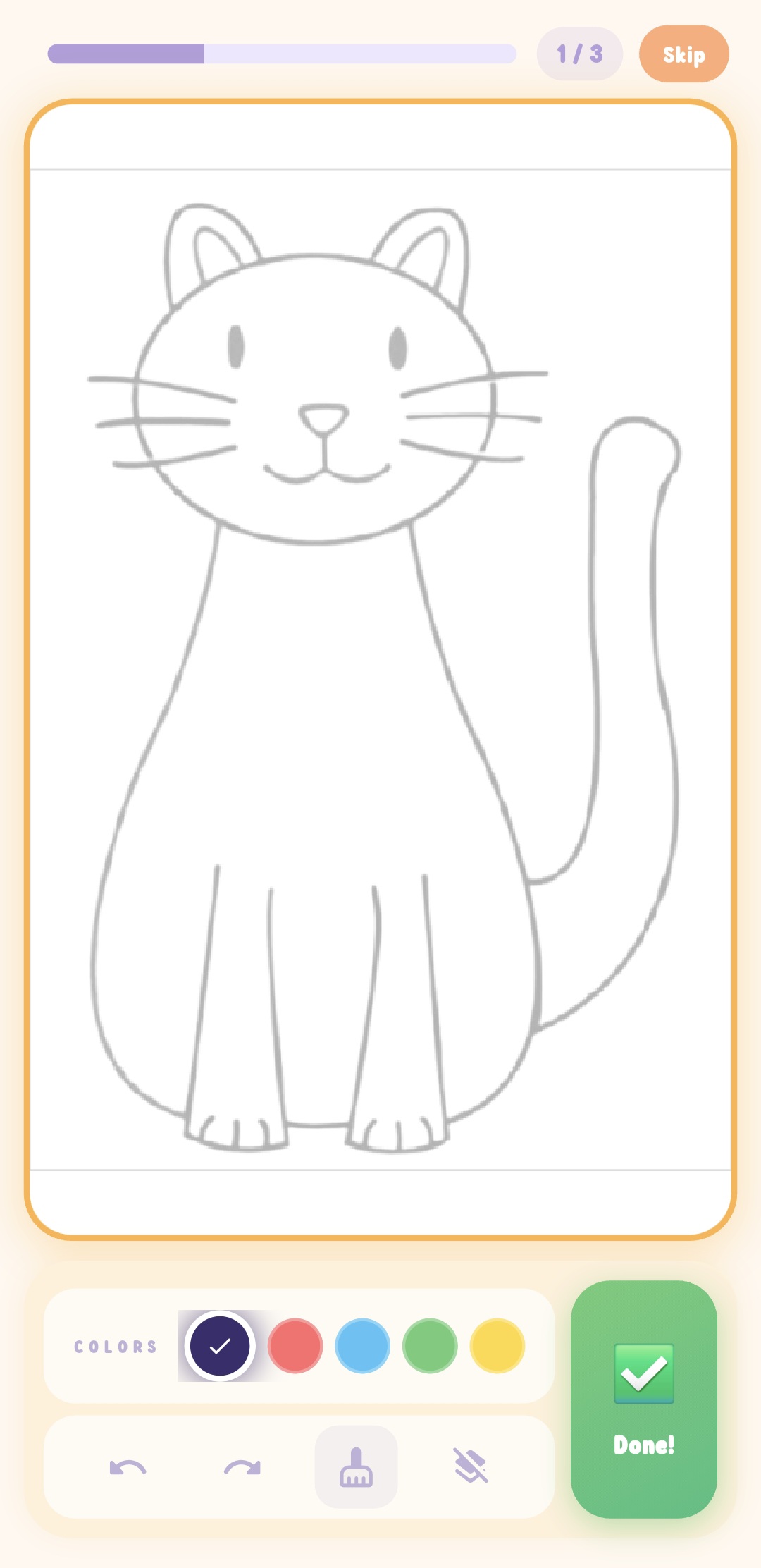
Looking for more playful ways to help your child learn? Explore Grow Little Kids for interactive ABC learning, phonics, tracing, drawing, math games, quizzes, and educational activities.