5 Reasons to Let Your Toddler Explore Through Touch and Feel
If you have ever watched a toddler encounter a bowl of cooked spaghetti for the first time, you know the scene. The hesitation. The tentative poke. Then the full-handed grab, the squish, the giggle, and inevitably, the fling across the room. To an exhausted parent, this can look like chaos. But to a developing brain, it is pure gold.
Touch is the first sense a baby develops in the womb, and it remains the most powerful learning tool throughout the toddler years. Long before children can explain what they are thinking, they understand the world through their fingertips. Smooth, rough, cold, squishy, wet, dry—these are not just textures. They are data points that build neural networks, forge language connections, and teach emotional regulation.
At GrowLittleKids, we believe that letting toddlers explore through touch and feel is not an indulgence. It is a developmental necessity. Sensory play lays the groundwork for cognitive growth, fine motor mastery, communication, and even social-emotional health. This guide explores five powerful reasons to embrace the mess, along with practical ways to make sensory exploration a joyful part of your daily routine.
What Is Touch and Feel Exploration?
Touch and feel exploration, often called sensory or tactile play, includes any activity that engages a child's sense of touch. This can range from formal sensory bins filled with rice or sand to everyday moments like kneading dough, splashing in puddles, or feeling the bark of a tree. The key ingredient is physical contact with varied textures, temperatures, and consistencies.
Unlike passive entertainment such as screen time, tactile play is deeply active. The brain must process incoming sensory information, compare it to past experiences, and decide how to respond. Should I squeeze harder? Is this safe to taste? What happens when I pour water into sand? These micro-decisions strengthen the same executive function circuits that later support planning, problem-solving, and self-control.
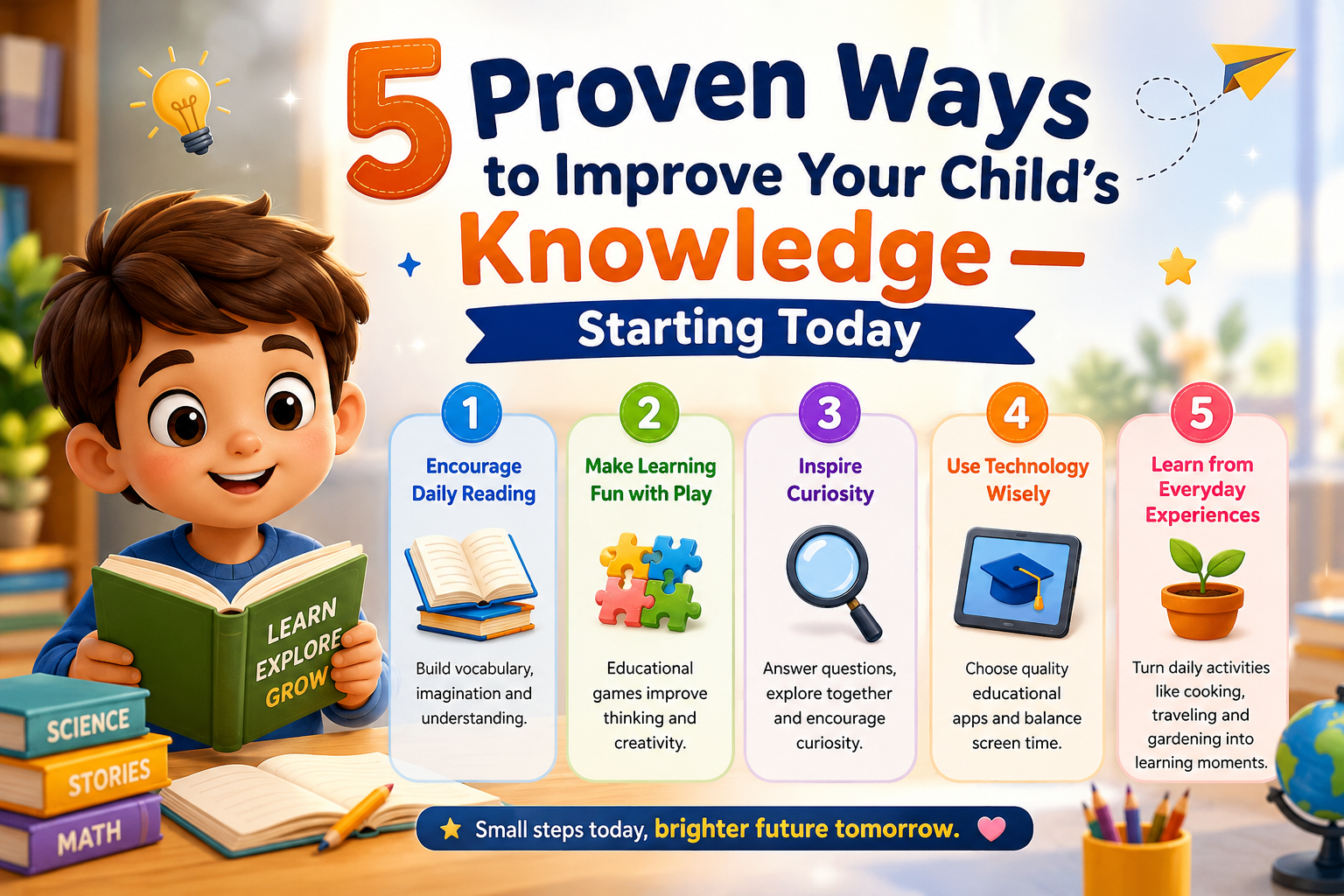
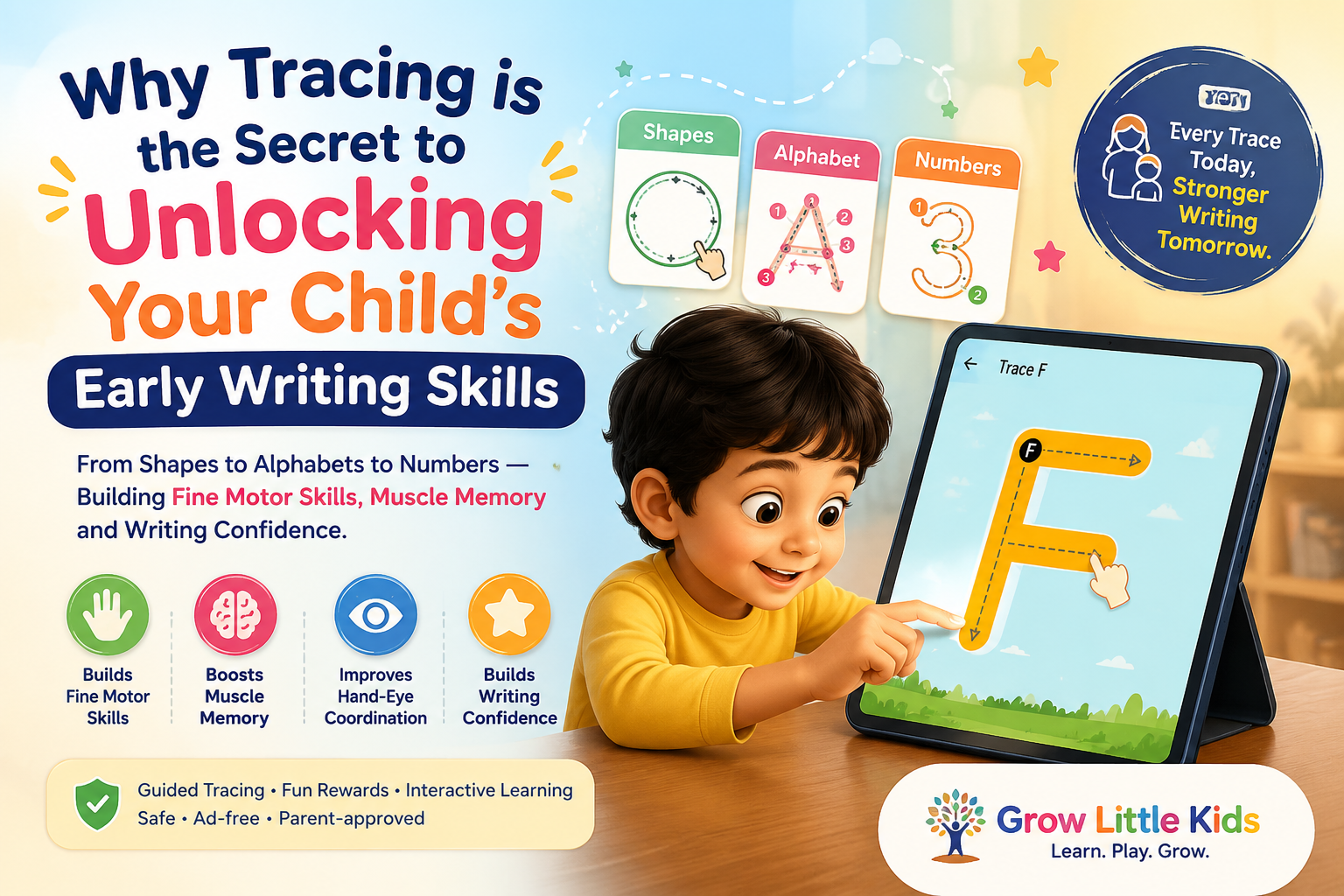
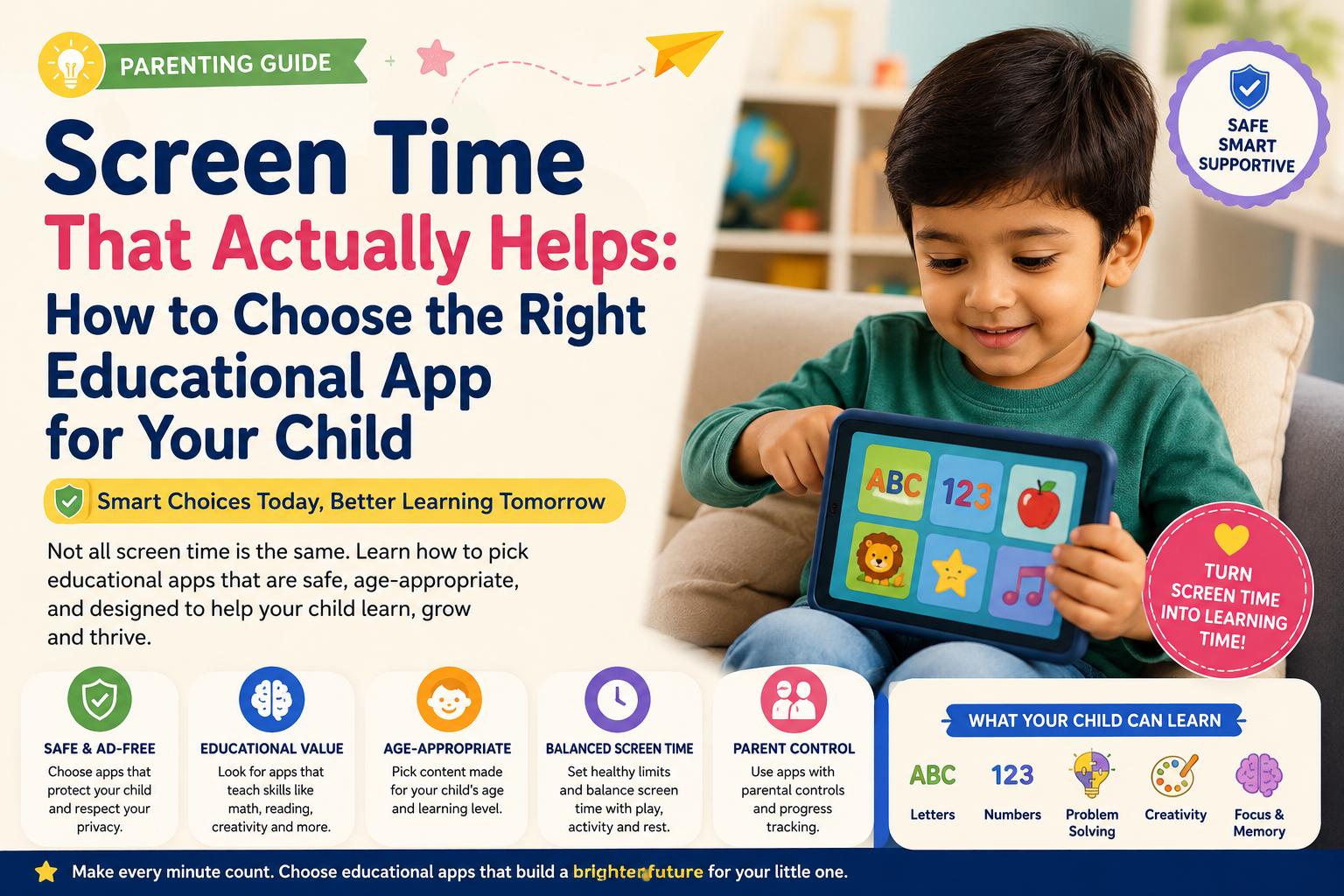
For toddlers, whose verbal skills are still emerging, touch is also a primary language. They communicate curiosity, caution, delight, and dislike through their hands before they can express those feelings in words. When parents provide rich tactile experiences, they are essentially giving their child a vocabulary for understanding the physical world. If you are also working on building your child's broader knowledge base, our guide on 5 proven ways to improve your child's knowledge — starting today offers complementary strategies for cognitive growth.
Reason 1: It Builds Critical Neural Pathways
The toddler brain is a construction site. Between birth and age three, it forms more than a million neural connections every second. Many of these connections are driven by sensory input, and touch is the chief architect.
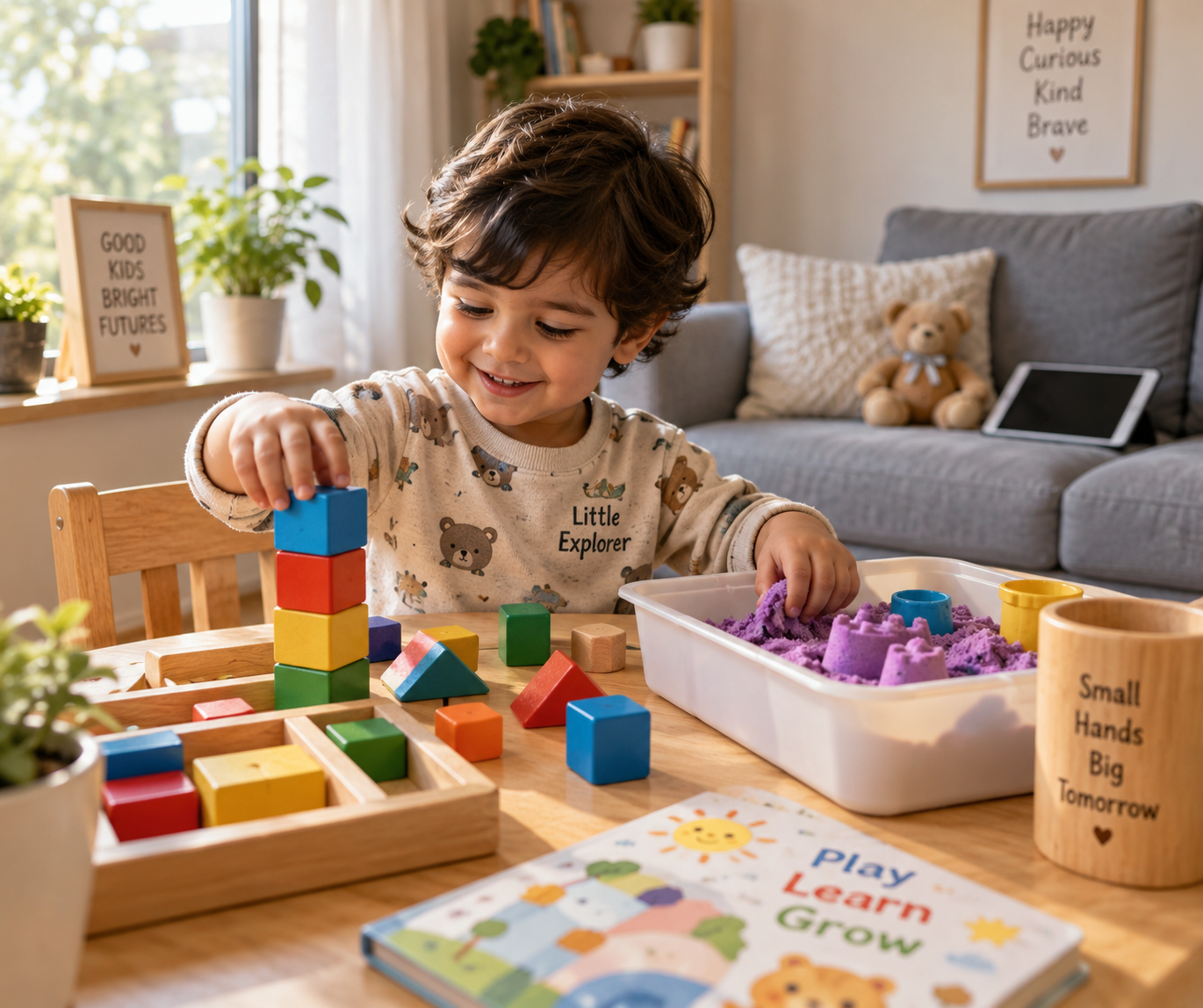
When a toddler digs their hands into kinetic sand, their brain receives complex information about pressure, texture, temperature, and resistance. It processes where the fingers end and the sand begins. It adjusts grip strength. It predicts how the material will behave. This sensory-motor feedback loop strengthens the parietal lobe, the brain region responsible for processing touch and spatial awareness.
Research shows that children who engage in regular sensory play demonstrate stronger cognitive flexibility—the ability to switch between thinking about different concepts or adapt to new rules. They also show enhanced memory retention because tactile experiences create multi-sensory memories that are easier to recall than those formed through sight or sound alone.
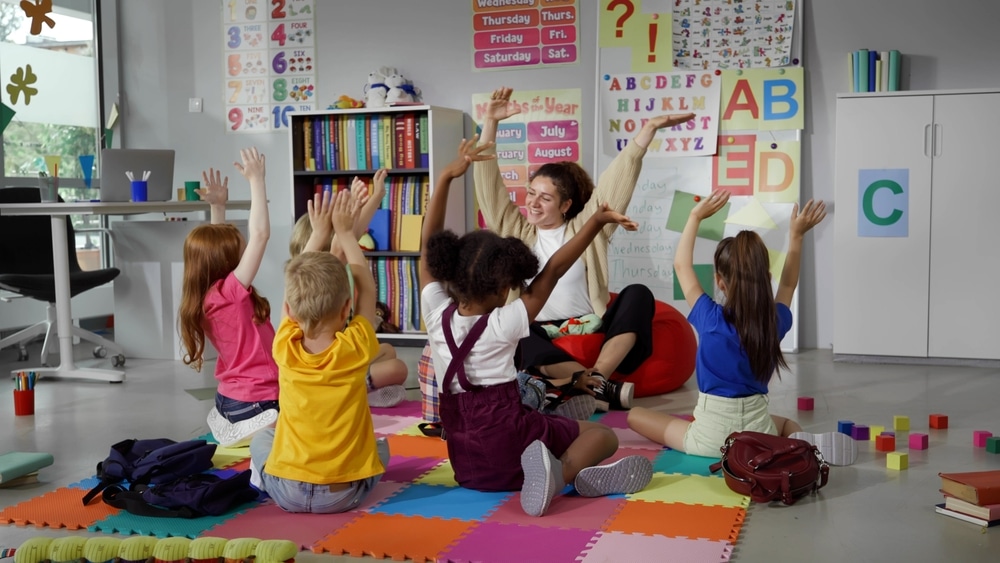
In short, every handful of dried lentils or squish of playdough is literally wiring your child's brain for learning. This is one reason why quality early education programs prioritize sensory exploration. Our article on 4 reasons why preschool education is important explores how structured early learning environments harness these brain-building principles.
Reason 2: It Develops Fine Motor Skills
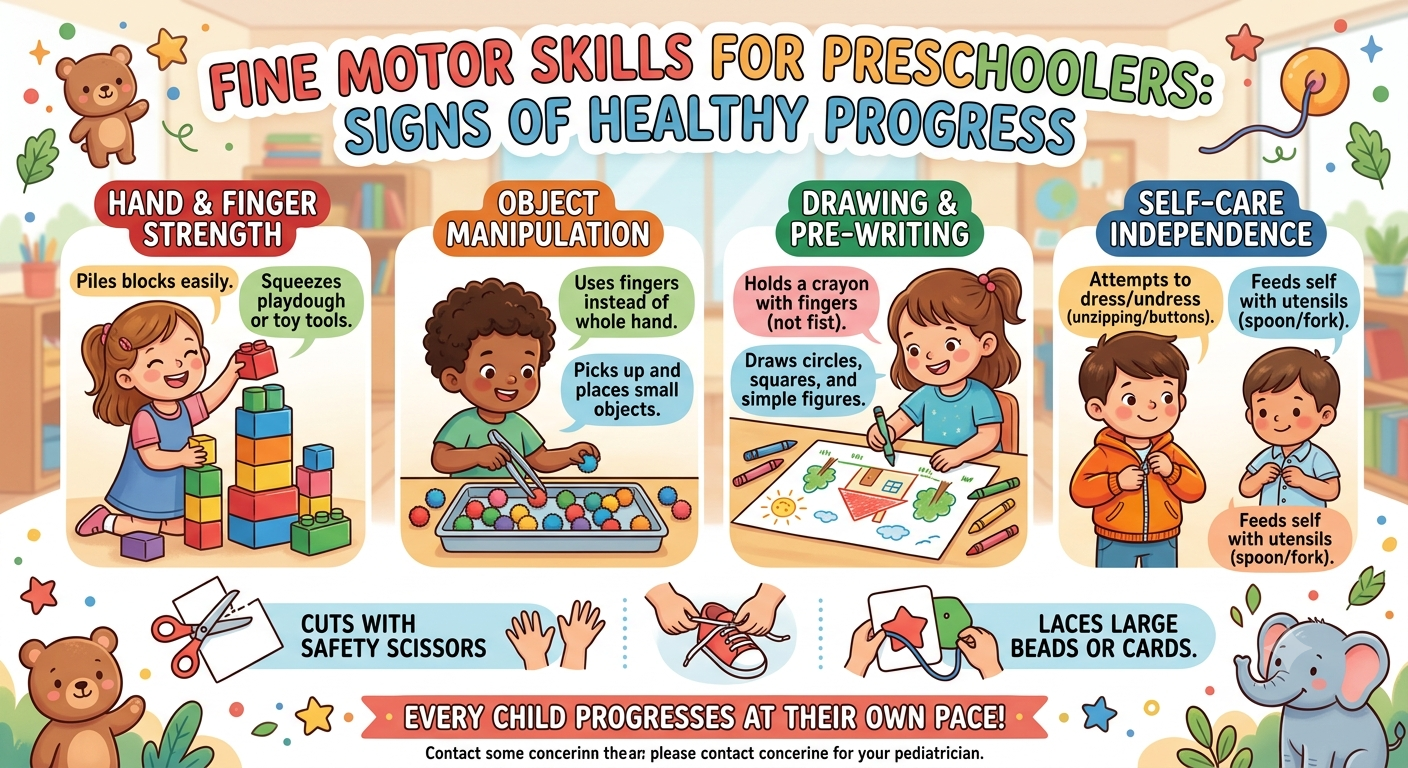
The same small muscles that grasp spaghetti noodles will one day hold a pencil, button a shirt, and tie shoelaces. Touch and feel activities are among the most effective ways to strengthen these muscles because they require precise, varied movements without feeling like practice.
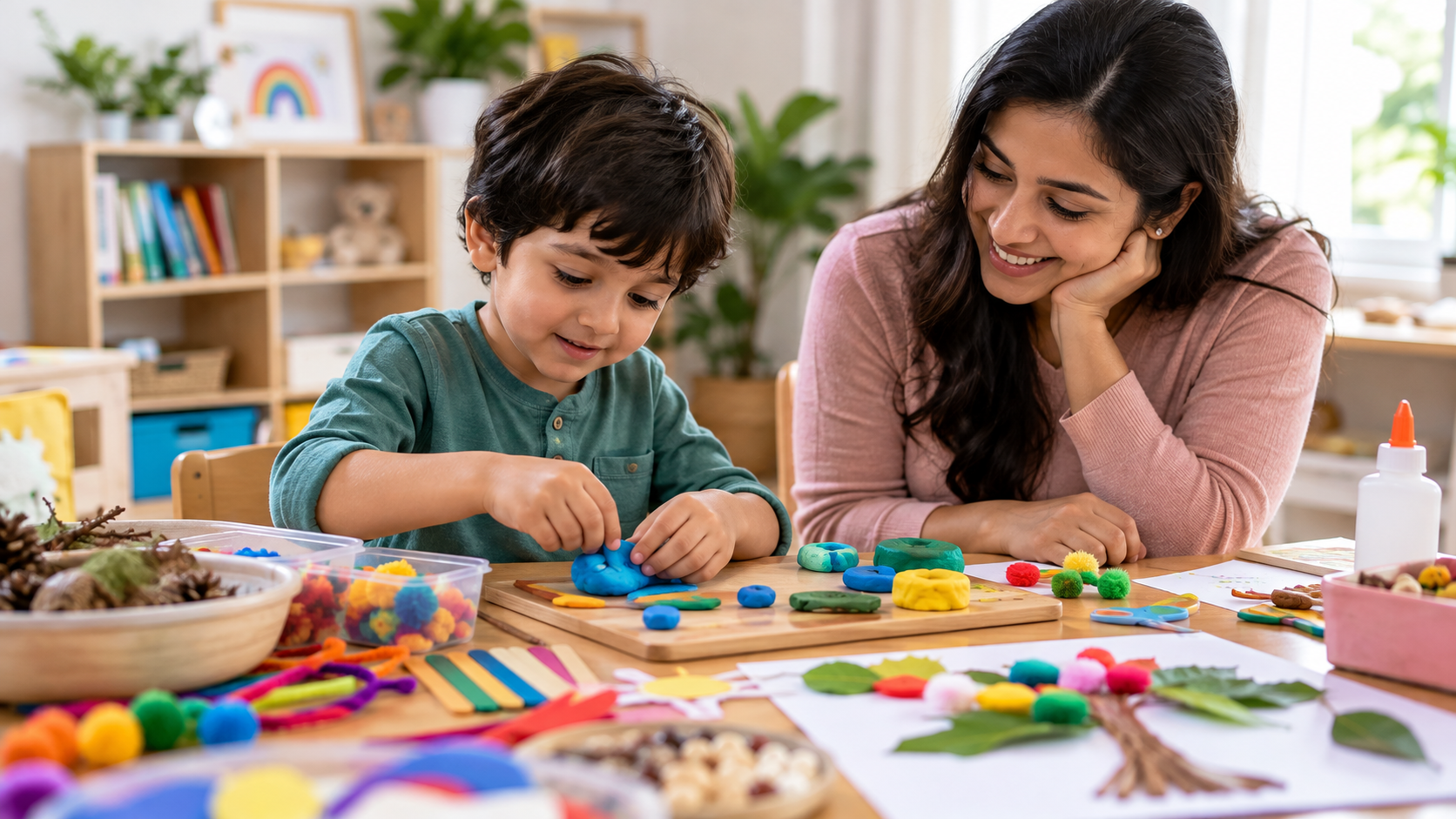
Consider what a toddler does during a simple sensory bin session. They pinch grains of rice between thumb and forefinger. They scoop and pour using cups and spoons. They grasp, release, and re-grasp objects of different sizes and weights. These actions mirror the fine motor demands of preschool and kindergarten, but they happen naturally through play.
Activities that involve resistance—squeezing water from a sponge, pushing beads into playdough, or using tongs to transfer pom-poms—are especially valuable because they build hand strength. Strong hands make writing, cutting, and self-care tasks far less frustrating when formal schooling begins. For a detailed look at how these skills progress, see our guide on fine motor skills for preschoolers.
Touch-based play also refines the pincer grasp, the ability to pick up small objects using the thumb and index finger. This grasp is essential for everything from picking up cereal to holding a crayon with control. The more opportunities toddlers have to manipulate small, interesting objects, the more automatic and efficient this grasp becomes.
Reason 3: It Expands Language and Communication
A toddler who has never felt slime does not know the word "slimy." A child who has never touched ice cannot fully grasp "cold." Touch and feel exploration creates the experiential foundation upon which language is built.
When parents narrate sensory play, they naturally introduce rich descriptive vocabulary. "The rice is rough and scratchy." "The water is cool and slippery." "The dough is soft and squishy." These words connect physical sensations to linguistic symbols, helping children build a robust vocabulary that goes far beyond basic nouns and verbs.
Sensory play also encourages conversation. A toddler who discovers that mixing cornstarch and water creates a strange, gooey substance will often look to a parent with wide eyes, effectively asking, "What is this?" That moment of shared wonder is a language opportunity. You can name the substance, describe its properties, and ask questions: "Does it feel hard or soft? What happens when you squeeze it?" These back-and-forth exchanges strengthen narrative skills and comprehension.
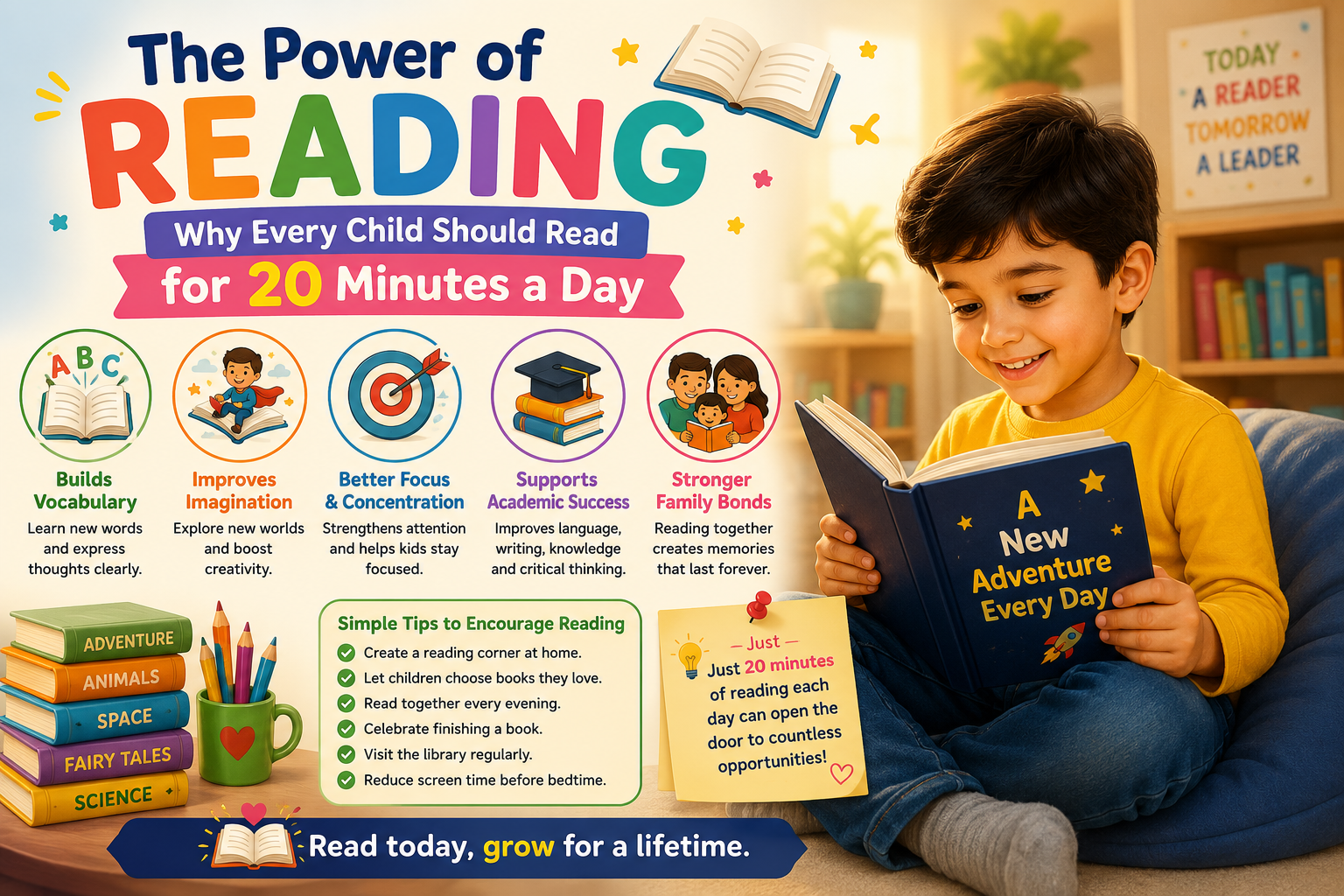
Over time, children who engage in regular sensory play tend to express themselves more descriptively. They do not just say something is "nice." They say it is "bumpy," "fuzzy," "chilly," or "gritty." This precision in language supports later reading comprehension and creative writing. For more on how early experiences build literacy, our post on the power of reading: why every child should read for 20 minutes a day explains how sensory-rich language connects to a lifelong love of books.
Reason 4: It Supports Emotional Regulation
Not all sensory play is wild and energetic. Some of the most valuable tactile experiences are calming. Running fingers through dry rice, squeezing a stress ball, or playing with warm soapy water can lower a toddler's heart rate and reduce cortisol levels. The physical engagement provides a focused outlet for energy and emotion, helping children return to a balanced state.
This is why many occupational therapists use sensory tools to help children manage anxiety, frustration, and overstimulation. A toddler who has access to regular touch-based play learns what soothes them. They discover that squeezing playdough helps when they are angry, or that water play helps when they are restless. This self-awareness is the beginning of emotional regulation—a skill that predicts success in school and relationships far more reliably than early academic achievement.
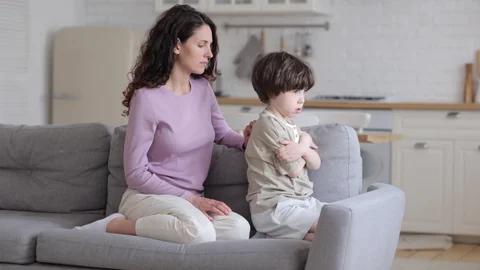
For parents dealing with after-school meltdowns or transition tantrums, sensory play can be a powerful reset button. A ten-minute session with a sensory bin after daycare can help a child decompress and shift emotional gears before dinner. If your child struggles specifically with post-preschool emotional releases, our article on why does my child have tantrums after coming home from preschool offers additional context and strategies.
Reason 5: It Lays the Foundation for Science and Math Thinking
Sensory play is a toddler's first laboratory. When they pour water from one container to another, they learn about volume and capacity. When they mix flour and water, they observe cause and effect. When they sort shells by size or texture, they practice classification and pattern recognition. These are not just play behaviors. They are the foundational concepts of science, technology, engineering, and mathematics.
Toddlers are natural scientists. They form hypotheses ("What happens if I drop this stone in the water?"), test them, and observe results. Touch and feel exploration gives them the physical tools to conduct these experiments. A child who regularly explores sinking and floating, mixing and separating, or building and collapsing develops an intuitive understanding of physical properties that will serve them when formal math and science instruction begins.
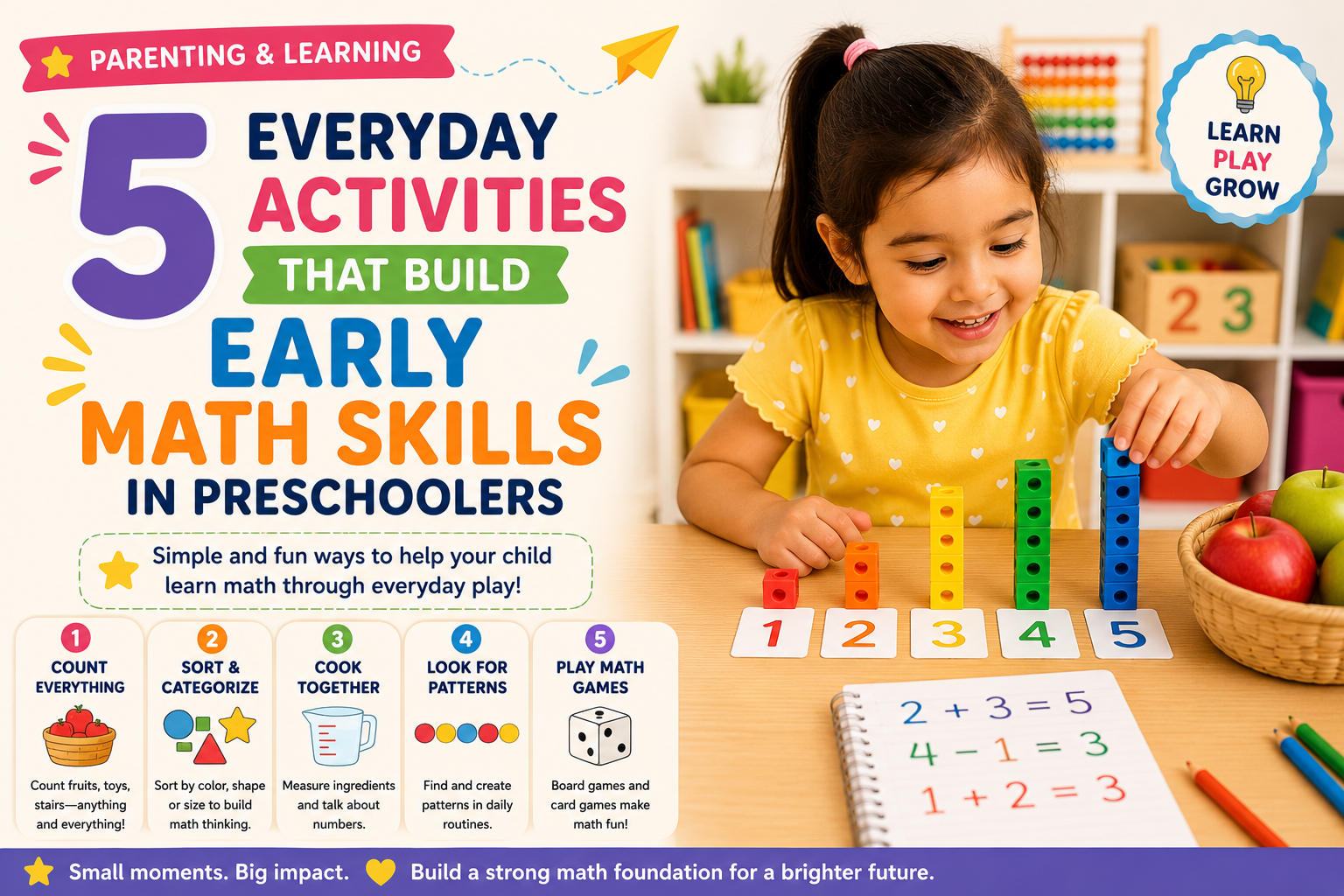
Counting, comparing, and measuring also happen organically during sensory play. "You have three scoops of rice." "This container holds more than that one." "The heavy rock sinks, but the light leaf floats." These embedded math conversations build numeracy without worksheets or flashcards. For more playful math ideas, see our guide on 5 everyday activities that build early math skills in preschoolers.
Simple Touch and Feel Activities for Home
You do not need expensive sensory tables or specialized equipment to give your toddler rich tactile experiences. Many of the best activities use items already in your kitchen or backyard.
Sensory Bins
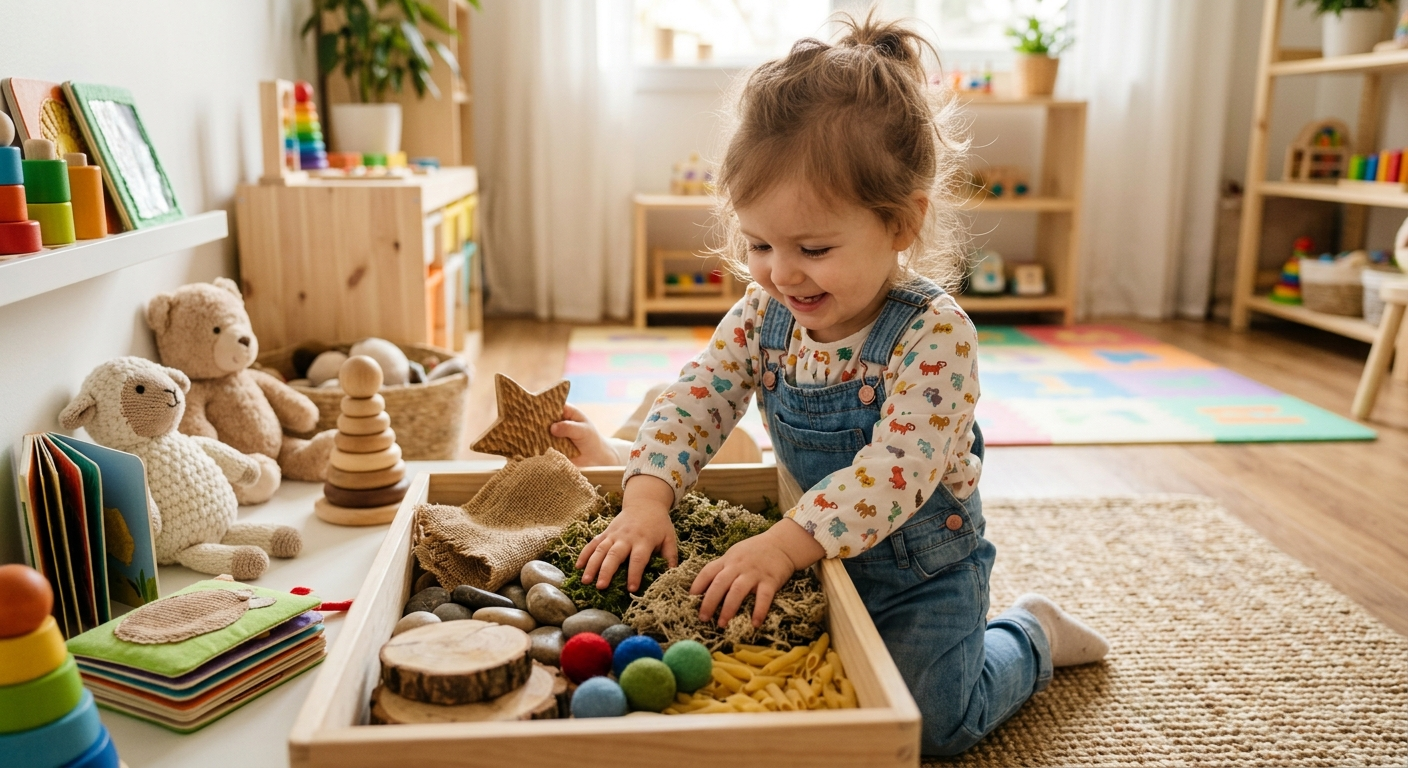
Fill a shallow container with dried rice, beans, pasta, or sand. Add scoops, cups, and small toys. Change the filler seasonally to maintain interest—cotton balls in winter, flower petals in spring, leaves in autumn.
Texture Boards
Glue samples of different materials onto a piece of cardboard: sandpaper, velvet, bubble wrap, aluminum foil, and cork. Let your child explore the contrasts with their eyes closed and describe what they feel.
Kitchen Science
Let your toddler help knead bread dough, mash bananas, or stir pancake batter. These activities engage multiple senses and build practical life skills simultaneously.
Nature Touch Walks
During a walk, encourage your child to touch tree bark, grass, rocks, and flowers. Collect a few safe items to bring home for a nature sensory basket.
Water Play
A basin of water with sponges, funnels, and plastic containers provides endless exploration. Add ice cubes on warm days or a drop of food coloring for visual interest.
Playdough and Clay
Homemade or store-bought, playdough is the ultimate tactile tool. Add essential oils for scent, glitter for visual appeal, or small beads for hidden treasures to discover.
Creating a Space for Sensory Exploration
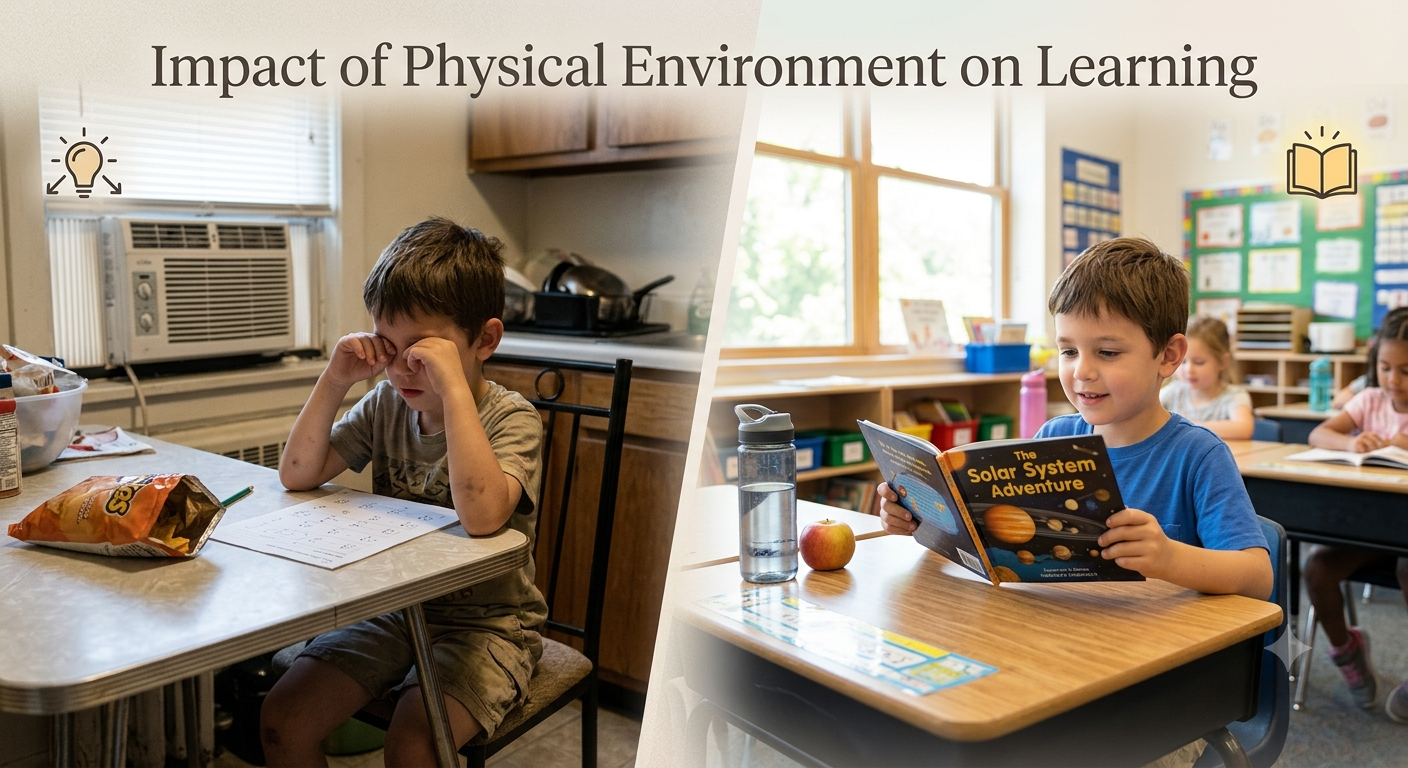
The environment matters. A cramped, carpeted corner is not ideal for water play. A busy, noisy room makes calm sensory engagement difficult. Setting up a simple, designated area for touch and feel activities signals to your child that this type of exploration is welcome and safe.
Look for a space with a wipeable floor or a large plastic mat underneath. Keep materials organized in clear bins so your child can choose and help clean up. Natural light and proximity to a water source for hand-washing are bonuses. Most importantly, approach the space with a mindset of acceptance. Some mess is part of the process, and when children sense that their parent is relaxed about spills, they play more freely and learn more deeply.
For a comprehensive look at how physical surroundings shape learning outcomes, our guide on how a child's physical environment affects their ability to learn offers practical frameworks for designing brain-friendly spaces at home.
Red Flags: When Sensory Sensitivity Needs Attention
While most toddlers benefit from increased tactile play, some children have sensory processing differences that make certain textures overwhelming or aversive. This is not a parenting failure. It is a neurological variation that may benefit from professional support.
Consider consulting your pediatrician or an occupational therapist if your toddler:
- Consistently refuses to touch common materials like sand, grass, or food textures
- Becomes extremely distressed by messy hands or clothing, to the point of avoiding play
- Seeks intense sensory input to a dangerous degree, such as biting or hitting themselves
- Shows no awareness of pain or temperature, or reacts with extreme overreaction to minor touch
- Has difficulty participating in daily routines like toothbrushing, haircuts, or dressing because of tactile defensiveness
Early sensory integration therapy is gentle, play-based, and highly effective. The goal is never to force a child into discomfort, but to gradually expand their tolerance and help them feel safe in their own skin.
The Long-Term Impact of Tactile Learning
The benefits of letting toddlers explore through touch and feel do not end when preschool begins. Children who have rich sensory backgrounds enter school with stronger hand control, larger vocabularies, better emotional self-regulation, and more robust scientific thinking. They are comfortable with ambiguity and experimentation because they have spent years literally getting their hands dirty and figuring things out.
Touch and feel exploration also preserves curiosity. In a world that increasingly pushes young children toward screens and structured academics, sensory play keeps the spirit of inquiry alive. It reminds children that learning is something you do with your whole body, not just your eyes and ears. That embodied understanding of knowledge creates learners who are resilient, creative, and engaged.
For parents looking to build a holistic foundation for their child's future, our comprehensive guide on how to build strong learning habits before age 8 shows how sensory play fits into a broader framework of routines, emotional safety, and cognitive growth.
Final Thoughts
The next time your toddler dumps a bowl of oatmeal onto their highchair tray and begins to paint with it, take a breath. Yes, there is mess. Yes, there is cleanup. But underneath that sticky surface is a child who is mapping the world through their fingertips, building the neural architecture for a lifetime of learning.
Touch and feel exploration is not an extra. It is essential. It is the way toddlers were designed to learn. By providing safe, varied, and frequent opportunities for sensory play, you are giving your child far more than entertainment. You are giving them the tools to think, communicate, create, and cope.
At GrowLittleKids, we are here to help you make the most of these formative years. For more expert tips on sensory play, developmental milestones, and early learning, visit our full blog.