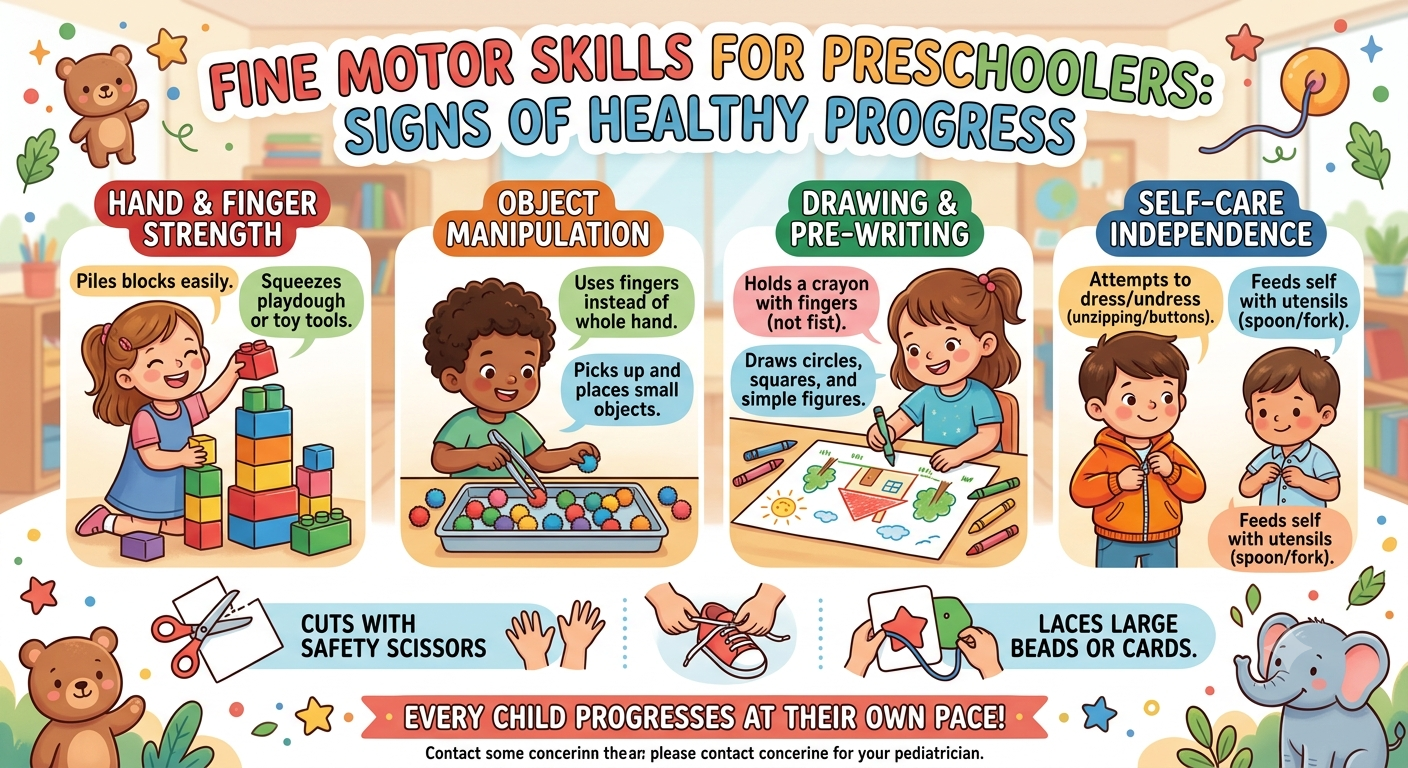
Fine Motor Skills for Preschoolers: Signs of Healthy Progress
Every parent marvels at the moment their child first grips a crayon, stacks a block, or successfully buttons their own shirt. These seemingly small victories are actually major developmental milestones. They are the visible proof of fine motor skills—the precise, coordinated movements of the small muscles in the hands and fingers that make everyday tasks possible.
For preschoolers, fine motor development is about much more than play. It is the foundation upon which future academic skills like writing, drawing, and using tools are built. Children who enter kindergarten with strong fine motor control are better prepared for the demands of the classroom, from holding a pencil to cutting with scissors to manipulating small objects during math lessons.
At GrowLittleKids, we believe that understanding what healthy fine motor progress looks like—and knowing how to nurture it—empowers parents to give their children the best possible start. This guide will walk you through the key milestones, practical activities, and warning signs every parent should know.
What Are Fine Motor Skills?
Fine motor skills refer to the coordination of small muscles in the hands, fingers, and wrists with the eyes. These skills enable children to perform precise movements such as grasping, pinching, twisting, squeezing, and manipulating small objects.
They are distinct from gross motor skills, which involve larger muscle groups used for running, jumping, and climbing. While both are important, fine motor skills are particularly critical during the preschool years because they directly impact a child's ability to perform school-related tasks.
The development of fine motor skills relies on a complex interplay of muscle strength, hand-eye coordination, bilateral coordination (using both hands together), and sensory processing. When these systems work together, a child can do things like thread a bead, draw a circle, or zip a jacket.
Signs of Healthy Fine Motor Progress by Age
Fine motor development follows a general timeline, though every child progresses at their own pace. Here is what healthy progress typically looks like during the preschool years.
Ages 3 to 4: The Building Blocks
During this stage, children are gaining basic control over their hand movements. Signs of healthy progress include:
- Drawing simple shapes like circles and straight lines
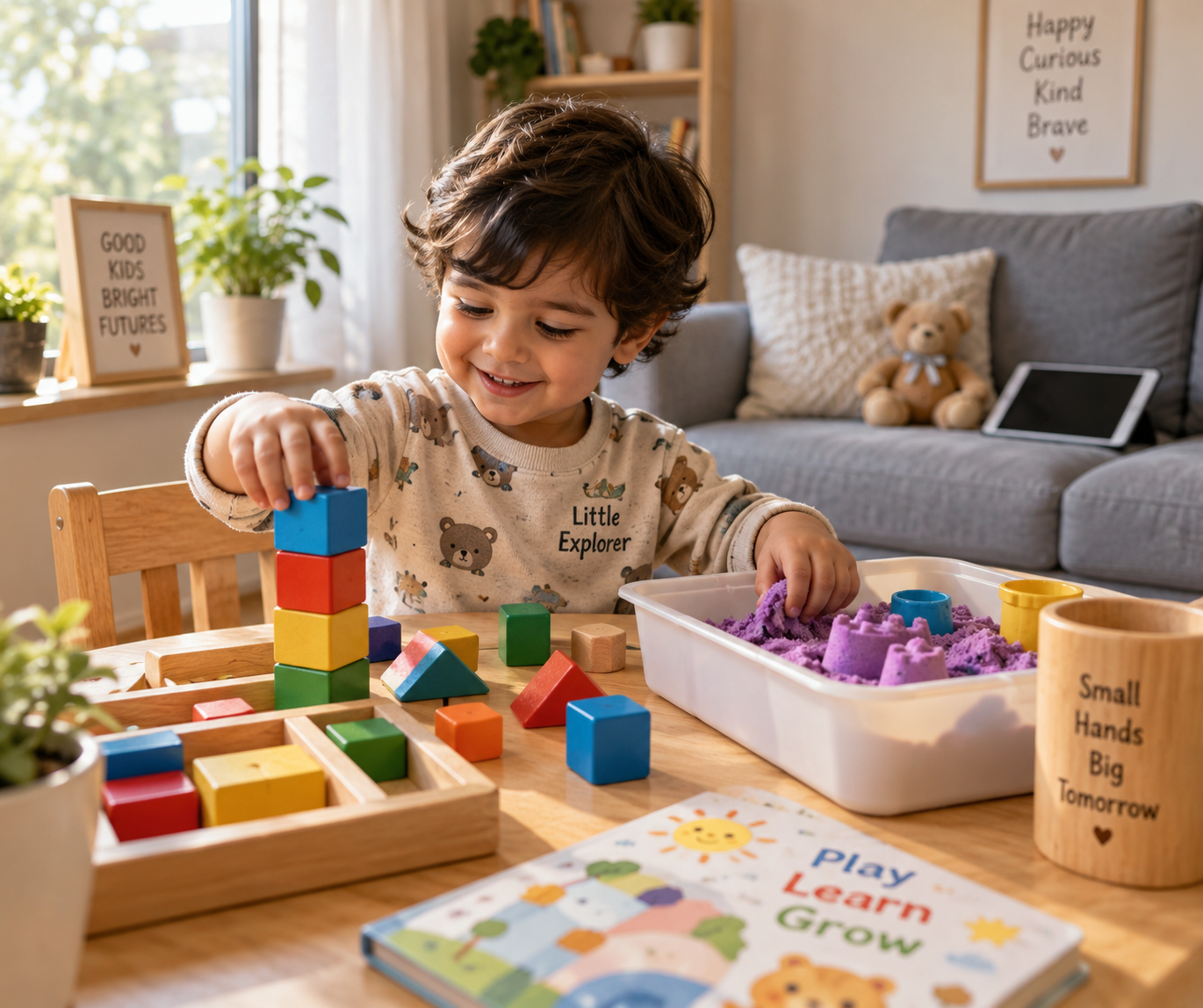
- Stacking 6 to 8 blocks without them toppling
- Snipping paper with child-safe scissors
- Stringing large beads onto a lace
- Copying simple vertical and horizontal lines
- Using a fork and spoon with reasonable accuracy
- Unbuttoning large buttons and pulling up a zipper with help
At this age, the tripod grasp—holding a crayon or pencil with the thumb, index finger, and middle finger—begins to emerge. It may still look awkward, and that is perfectly normal. The key is that the child is experimenting with control.
Ages 4 to 5: Growing Precision
As children approach kindergarten, their movements become more refined. Healthy signs at this stage include:
- Copying a square, triangle, and simple letters
- Cutting along a straight line with scissors
- Drawing a person with at least 3 body parts
- Writing some letters or numbers independently
- Buttoning and unbuttoning independently
- Using one hand consistently for tasks (establishing hand dominance)
- Threading smaller beads and doing simple puzzles
This is also the age when tracing becomes a powerful tool for development. Tracing helps preschoolers practice the controlled hand movements they will need for writing, while also building confidence and muscle memory.
Age 5 and Beyond: School Readiness
By age 5, most children are developing the fine motor foundation needed for formal schooling. Signs of healthy progress include:
- Copying complex shapes and most letters of the alphabet
- Writing their first name legibly
- Cutting out complex shapes with scissors
- Tying shoelaces or tying a simple knot
- Using a standard pencil grip consistently
- Drawing detailed pictures with multiple elements
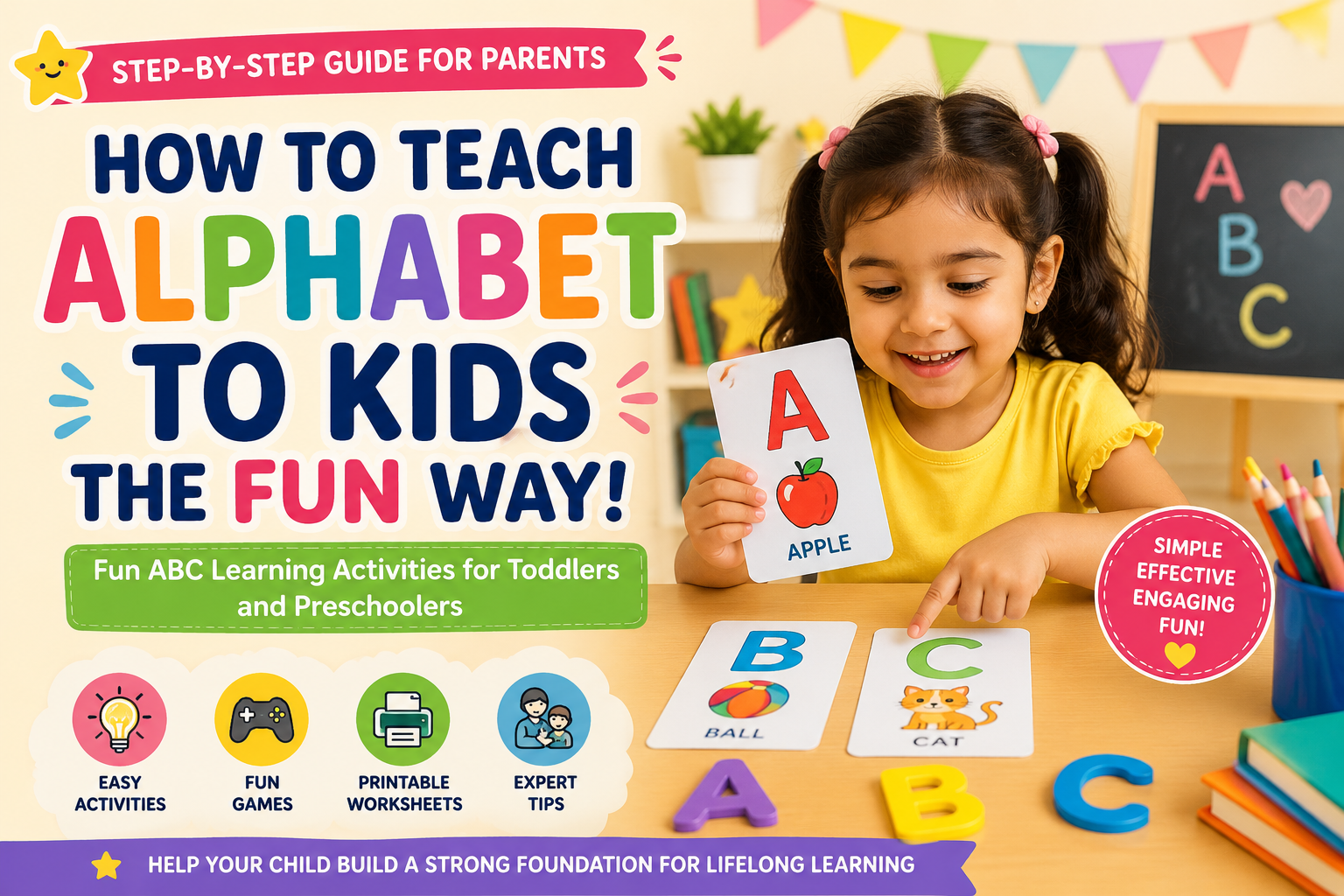
If your child is working on letter recognition alongside motor control, our guide on fun ABC learning activities for toddlers offers playful ways to combine literacy and fine motor practice.
Why Fine Motor Skills Matter for Future Learning
The importance of fine motor development extends far beyond the preschool years. Research consistently shows that children with strong fine motor skills at age 5 tend to perform better academically in primary school. The reason is simple: the physical act of writing, drawing, and manipulating learning materials requires automaticity. When a child does not have to think about how to hold a pencil, their brain is free to focus on what to write.
Fine motor skills also support:
- Early literacy: Tracing letters, turning pages, and pointing to words all require finger dexterity
- Early numeracy: Counting objects, sorting, and using manipulatives depend on precise hand control
- Cognitive development: Planning and executing fine motor tasks strengthens executive function
- Independence and confidence: Dressing, eating, and cleaning up build self-esteem
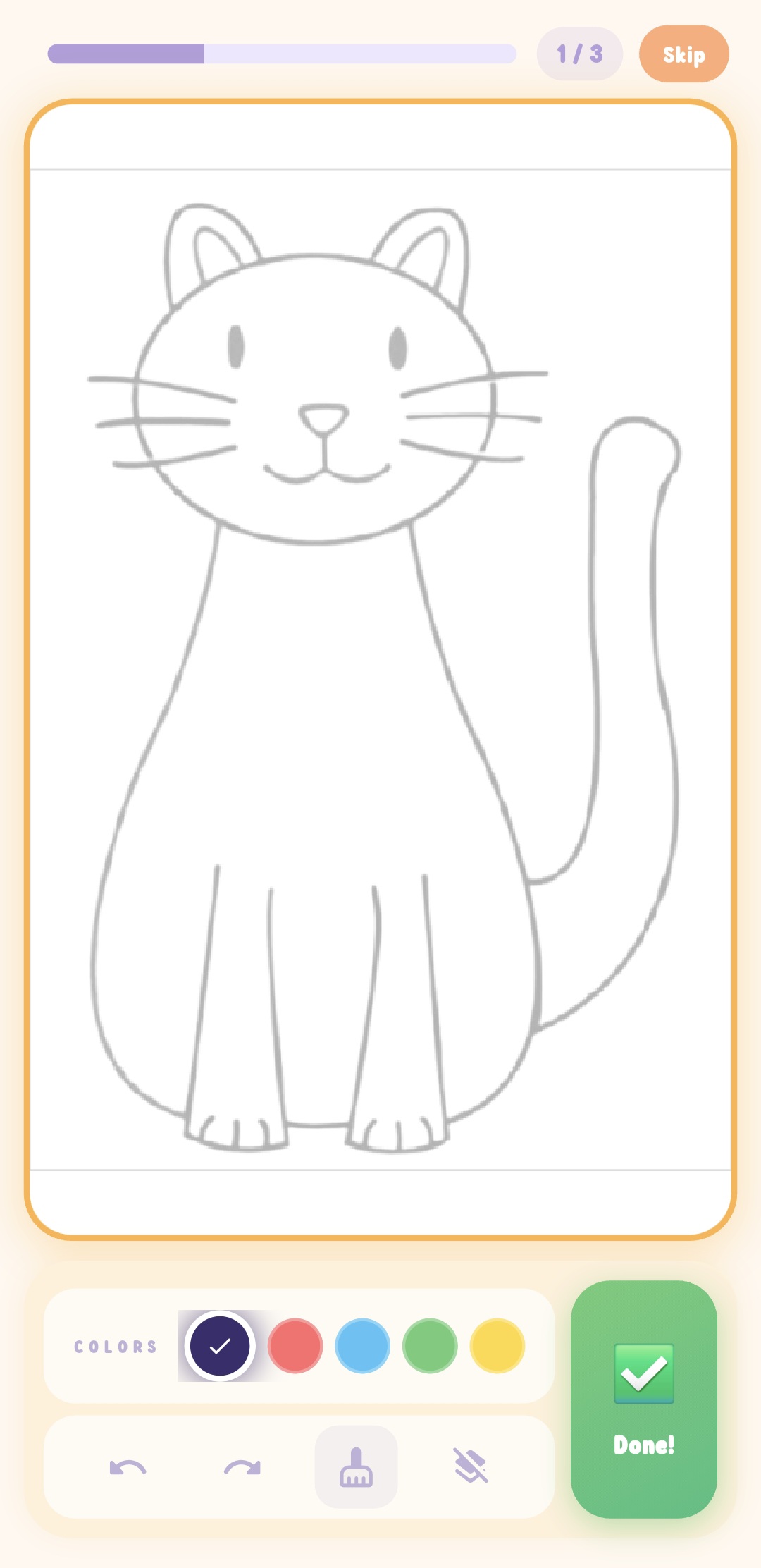
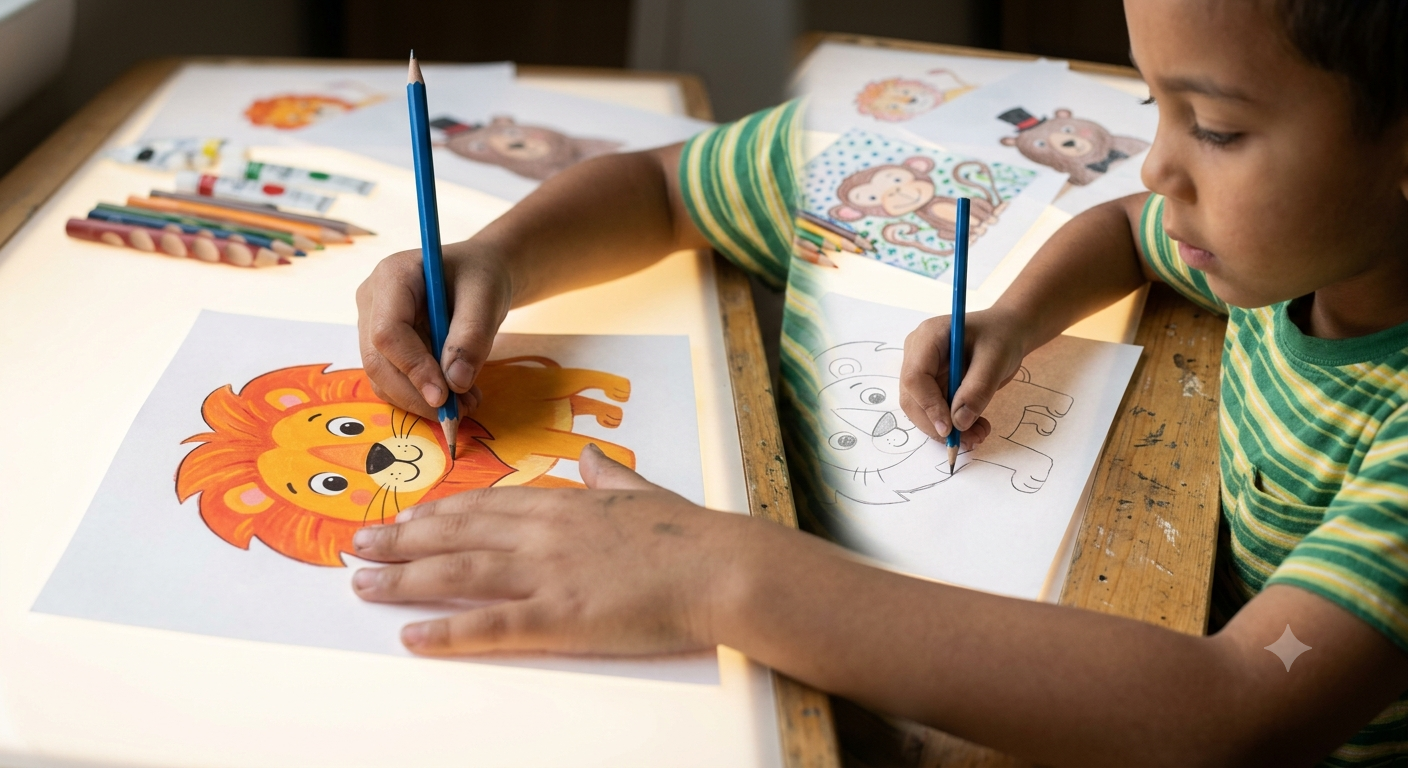
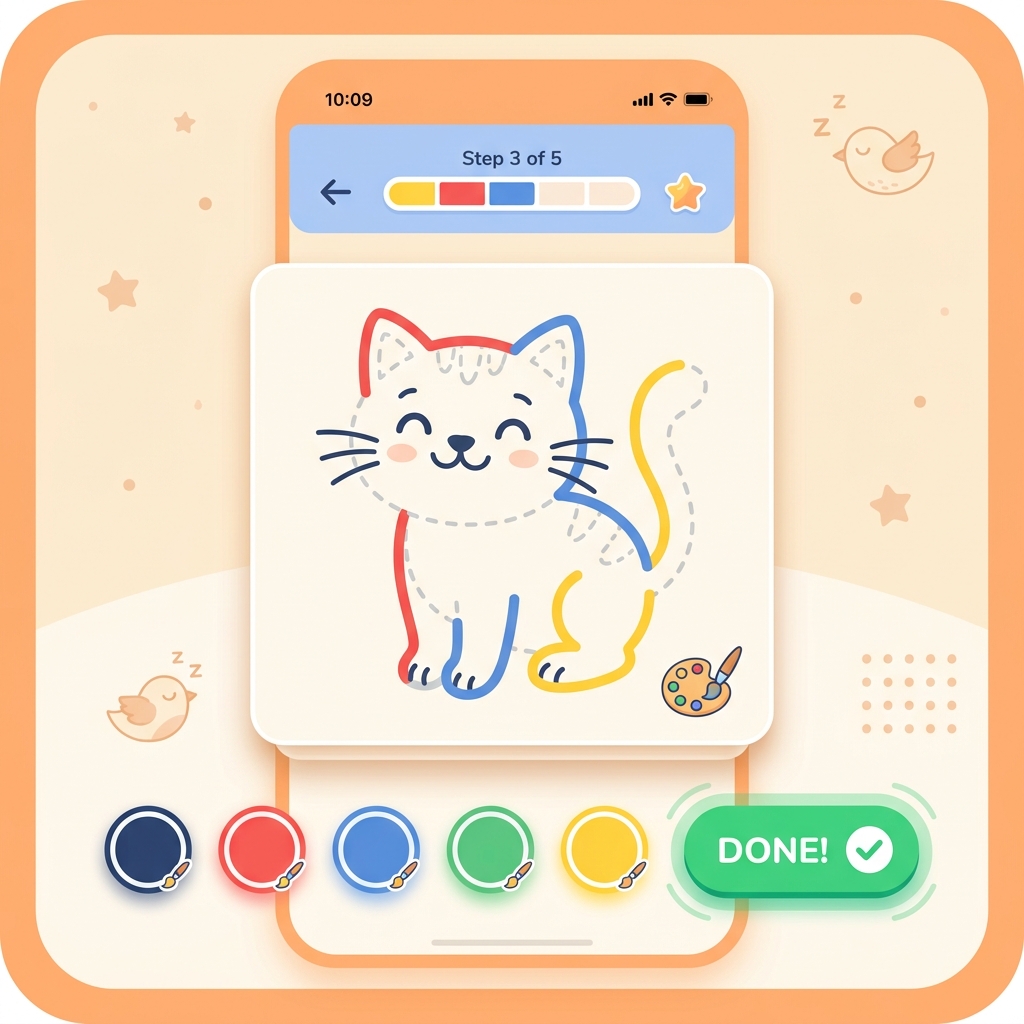
One of the most enjoyable ways to build these skills is through creative activities. Our article on how tracing animals builds creativity and fine motor skills explains how guided drawing activities strengthen the exact muscles children need for writing while sparking their imagination.
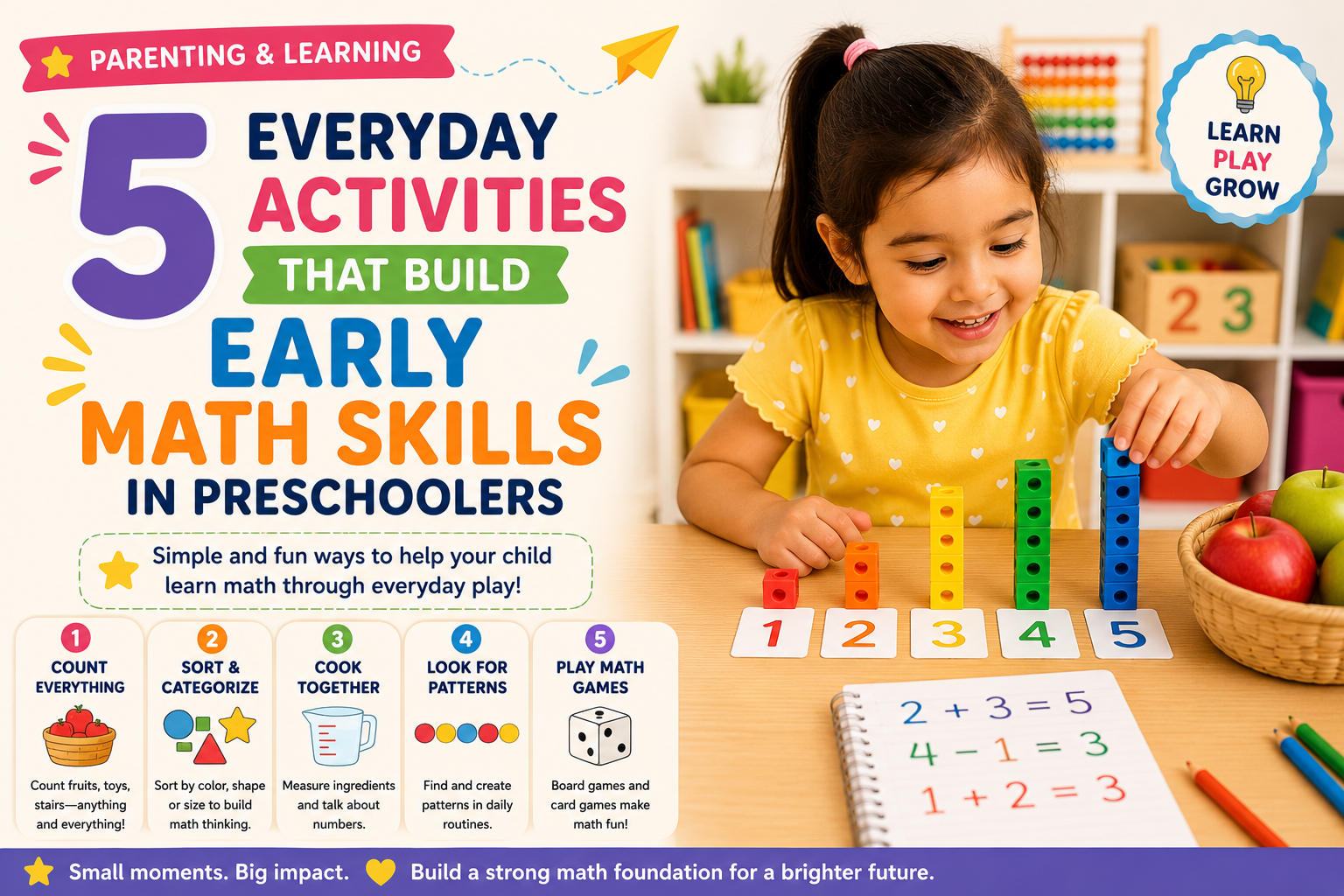
Similarly, 5 everyday activities that build early math skills includes simple counting and sorting games that double as fine motor workouts.
Activities to Build Fine Motor Skills at Home
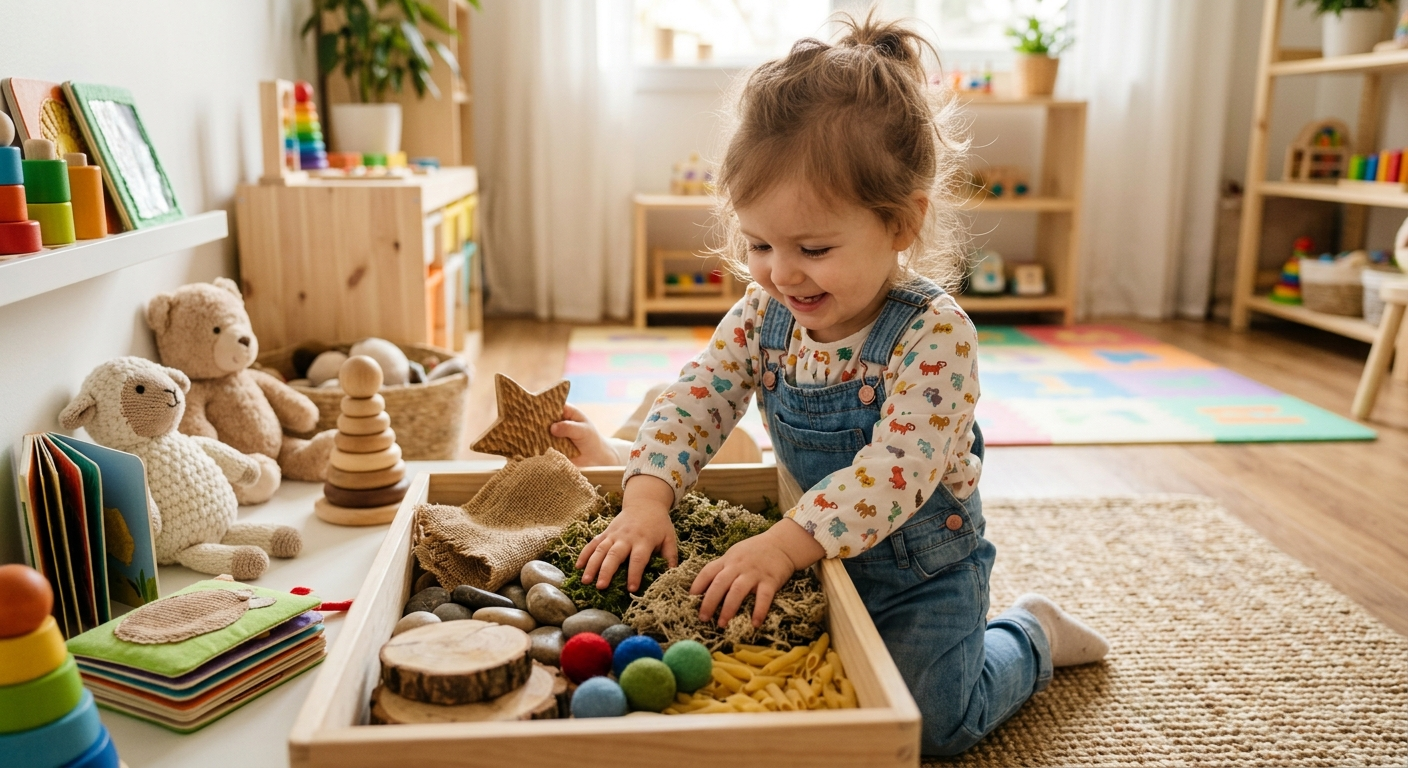
You do not need expensive toys or formal lessons to support fine motor development. Many of the best activities use items you already have at home.
1. Playdough and Clay
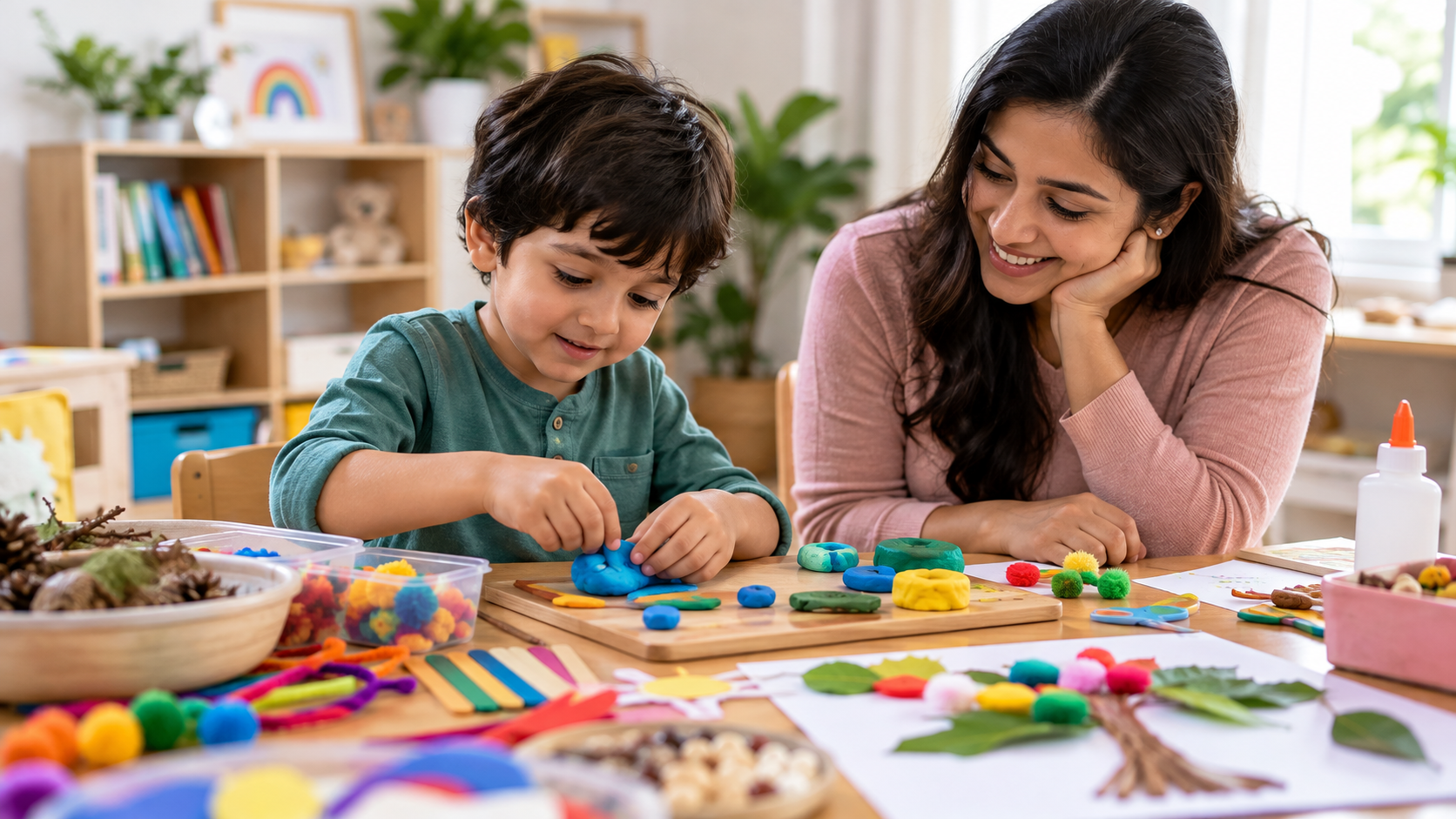
Squeezing, rolling, pinching, and flattening playdough strengthens the intrinsic muscles of the hands. Add tools like plastic knives, cookie cutters, and rolling pins for extra challenge.
2. Threading and Lacing
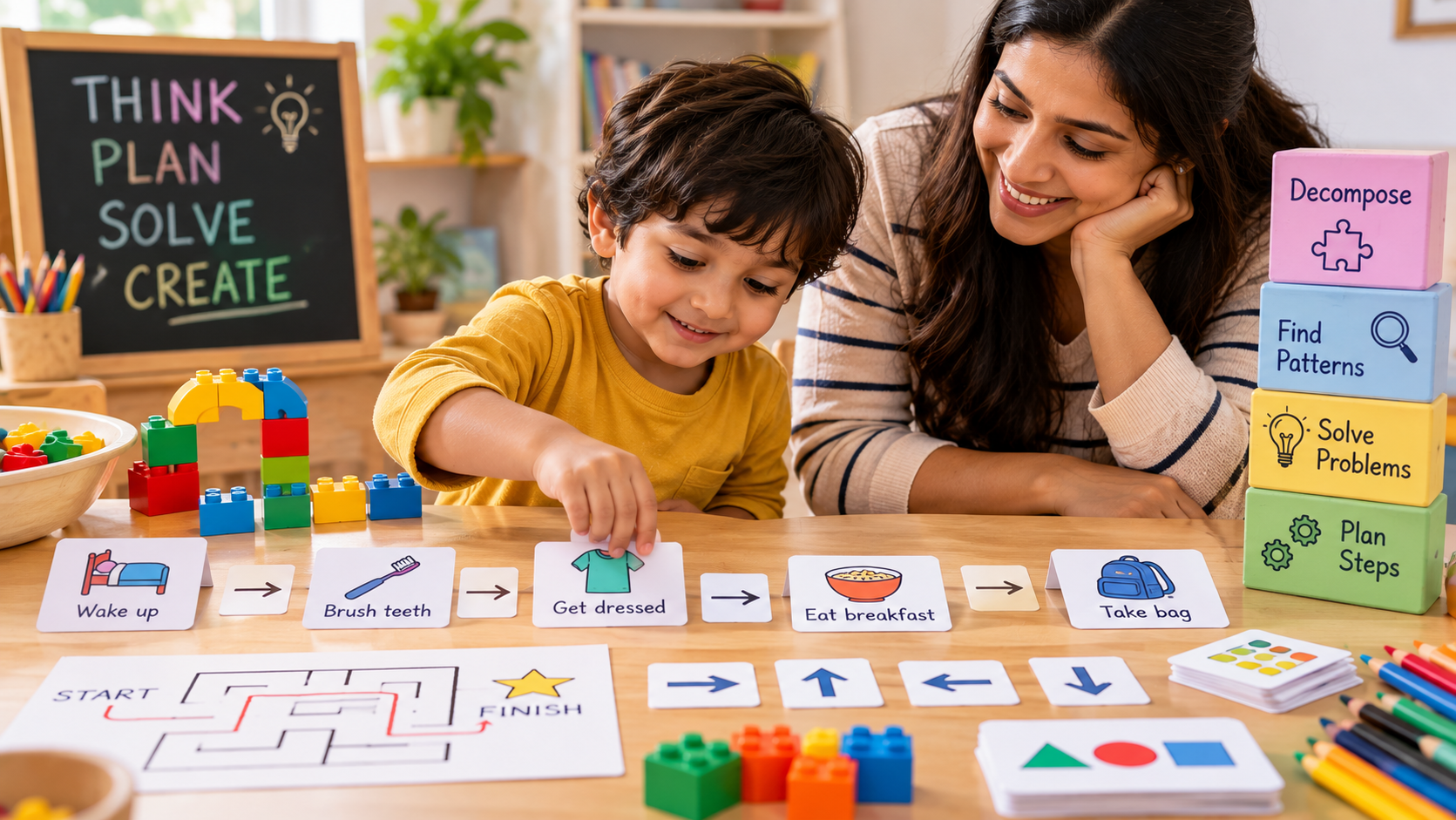
Threading beads, pasta, or cereal onto a string requires bilateral coordination and a steady pincer grasp. Start with large beads and progress to smaller ones as skills improve.
3. Cutting Practice
Give your child child-safe scissors and let them cut strips of paper, old magazines, or playdough snakes. Begin with straight lines and gradually introduce curves and shapes.
4. Tongs and Tweezers
Using tongs to transfer pom-poms, blocks, or cotton balls between containers builds hand strength and control. This is also a fun way to practice counting and sorting.
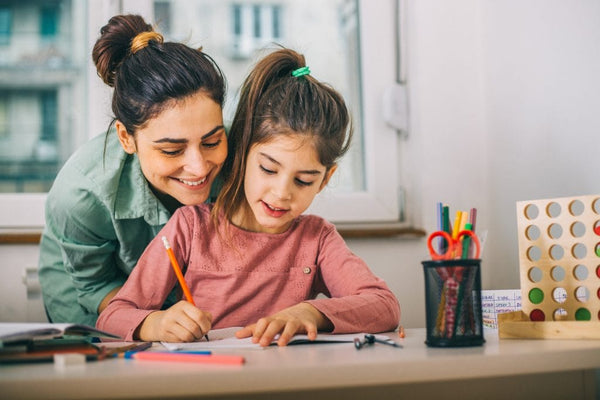
5. Tracing and Drawing
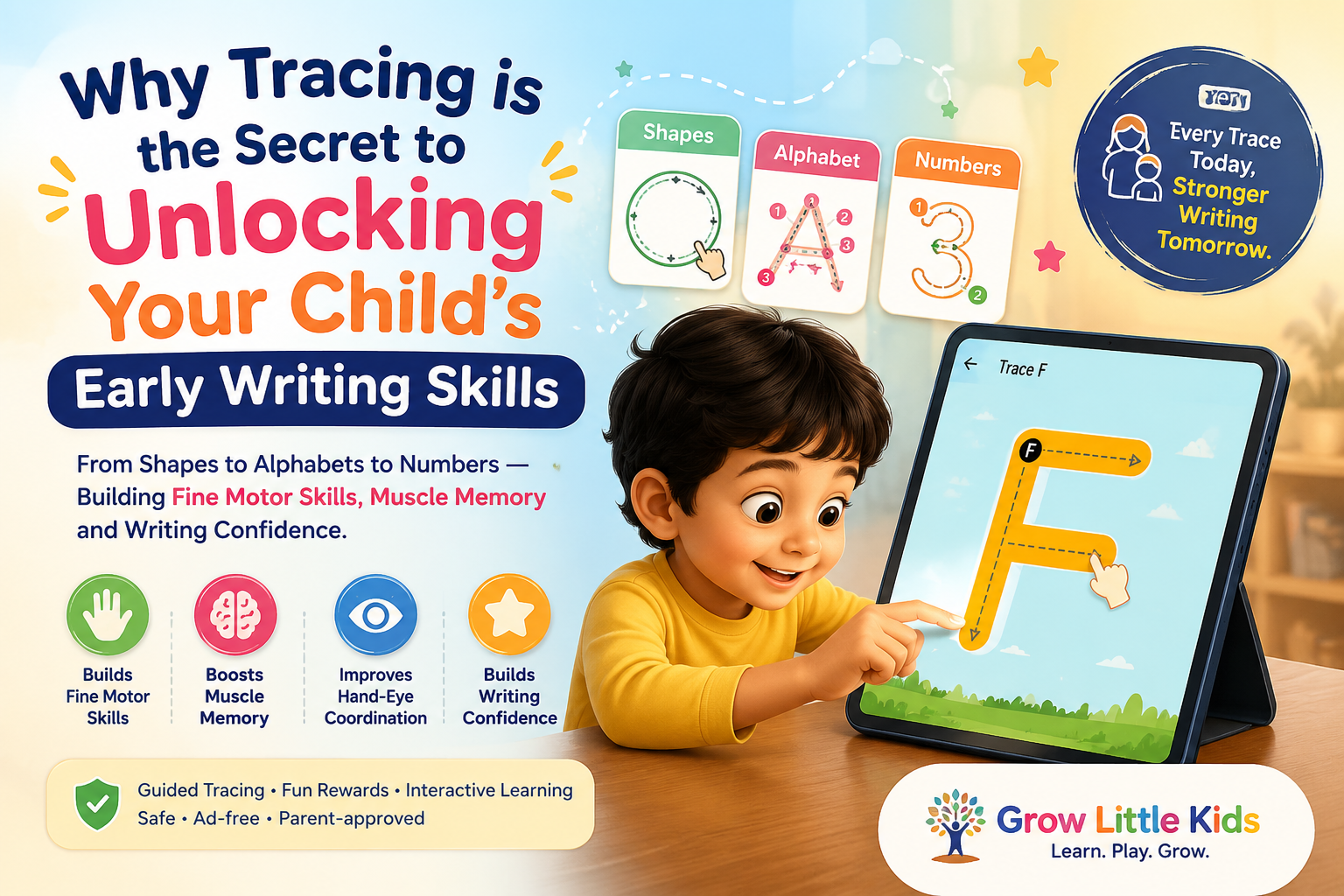
Tracing lines, shapes, and letters is one of the most effective ways to prepare little hands for writing. It teaches control, directionality, and pressure. If you want to make tracing part of your daily routine, read our detailed guide on why tracing is the secret to unlocking early writing skills.
6. Building with Blocks and LEGO
Stacking, connecting, and pulling apart building materials develops bilateral coordination and spatial awareness. Small LEGO bricks are excellent for older preschoolers who need a finer challenge.
7. Everyday Life Skills
Some of the best fine motor practice happens during daily routines. Let your child help with pouring, stirring, peeling bananas, buttoning their own shirt, or using a spray bottle to water plants. These real-world tasks are deeply motivating because they carry meaning.
Red Flags: When to Seek Help
While children develop at different rates, certain signs may indicate a delay in fine motor development that warrants professional evaluation. Consider speaking with your pediatrician or an occupational therapist if your child:
- Avoids fine motor tasks altogether or becomes extremely frustrated by them
- Has difficulty holding a crayon or pencil by age 4
- Cannot stack 4 blocks by age 3
- Shows extreme hand fatigue after short periods of drawing or writing
- Has trouble using both hands together (e.g., holding paper while cutting)
- Displays very clumsy or uncontrolled hand movements
- Struggles with self-care tasks like feeding or dressing well beyond the typical age
Early intervention is highly effective. The sooner a delay is identified, the sooner targeted activities and therapy can help your child catch up. Trust your instincts—you know your child best.
The Connection Between Fine Motor Skills and Learning Habits
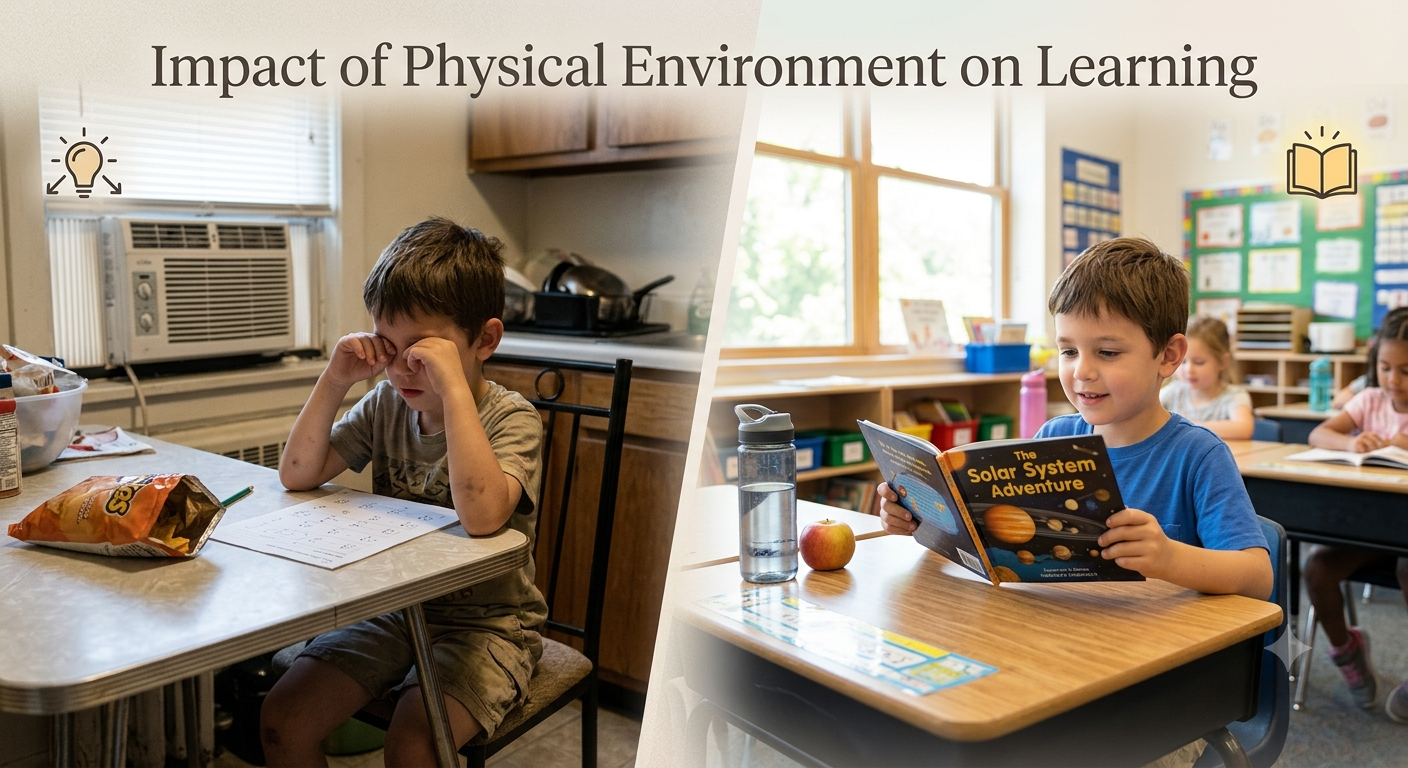
Fine motor development does not happen in isolation. It is part of a broader picture of school readiness that includes emotional regulation, social skills, and cognitive growth. Children who feel capable and confident in their physical abilities are more likely to approach learning tasks with enthusiasm rather than avoidance.
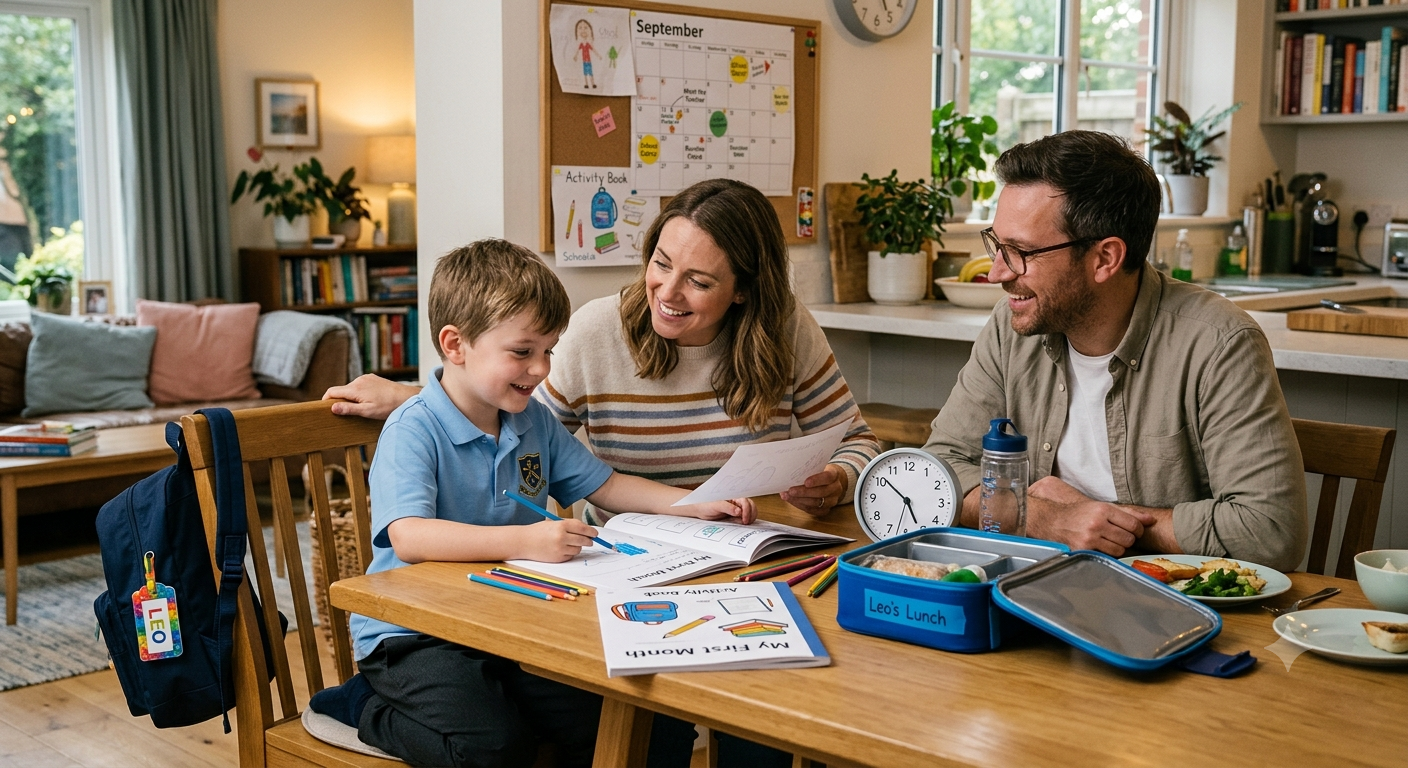
Building these skills early also helps establish positive routines. When a child can independently dress themselves, open their lunchbox, and use school supplies, they feel competent. That competence feeds into a growth mindset and a willingness to tackle new challenges.
For a holistic approach to preparing your child for school, check out our comprehensive guide on how to develop learning habits before age 8. It covers everything from routines to emotional safety, complementing the fine motor strategies outlined here.
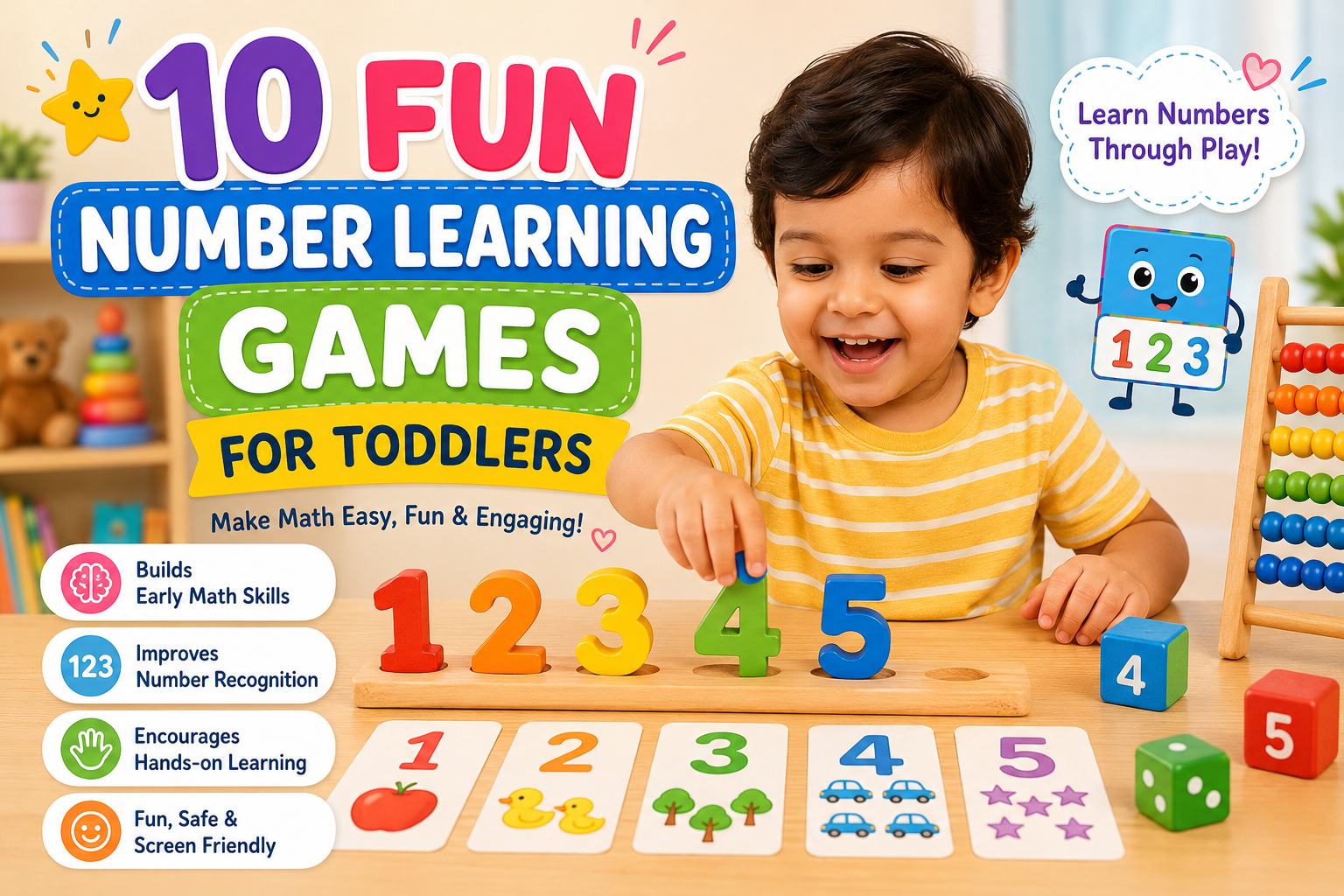
If you are also exploring how to introduce academic concepts alongside motor development, our post on fun counting activities that actually work pairs perfectly with hands-on fine motor play.
Final Thoughts
Fine motor skills may seem like small movements, but they open big doors. Every bead threaded, every line traced, and every button fastened is a step toward independence, confidence, and academic readiness. By understanding the signs of healthy progress and providing plenty of opportunities for practice, you are giving your child tools that will serve them for life.
The preschool years are a golden window for building these skills. Make the most of it with playful activities, patient encouragement, and the knowledge that progress happens one small grasp at a time.
At GrowLittleKids, we are dedicated to helping you navigate every stage of early childhood. For more expert tips on development, learning activities, and parenting, visit our full blog.