Introduction: Why Knowledge Building Starts at Home
Every parent has watched their child stare at a butterfly with wonder, ask "why" for the hundredth time in an hour, or proudly count their toys from one to ten. These moments aren't just cute — they are the building blocks of knowledge. And the beautiful truth is that you don't need expensive classes or fancy gadgets to raise a knowledgeable, curious child. What you need is intentionality.
Research consistently shows that children who grow up in language-rich, curiosity-encouraging environments perform better not just in school, but in life. The first eight years are especially critical. In fact, as we explored in our guide on How to Build Strong Learning Habits Before Age 8, this period represents a golden window where the brain is remarkably plastic and hungry for stimulation.
But here's the challenge: in a world overflowing with information — YouTube videos, educational apps, flashcards, and worksheets — it's easy to confuse busyness with learning. True knowledge isn't about memorizing facts. It's about understanding concepts, making connections, asking questions, and applying what you learn to the real world.
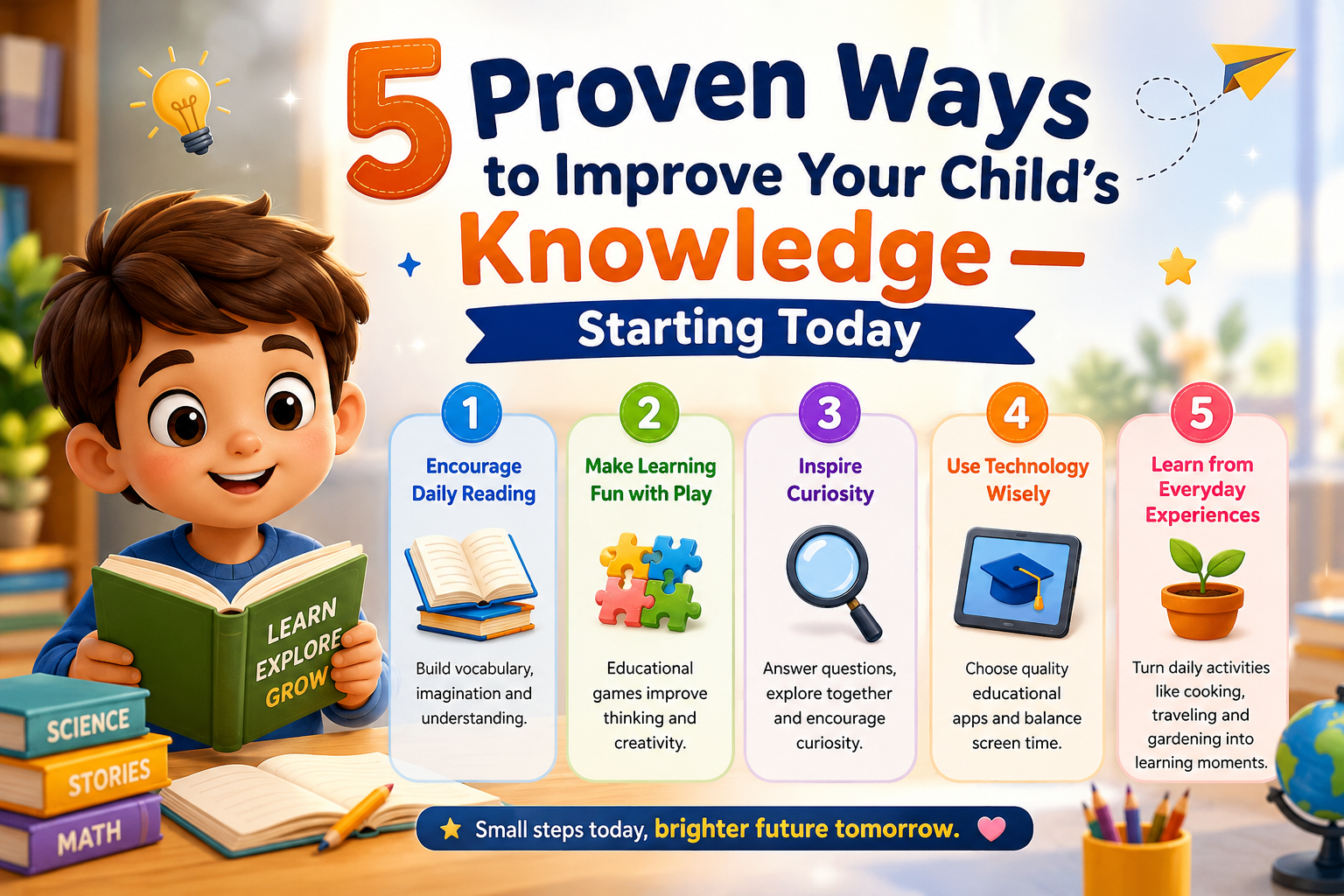
So how do you actually improve your child's knowledge in a meaningful, lasting way? Below are five proven strategies that fit naturally into family life. No pressure, no perfection — just progress.
1. Make Reading Interactive, Not Just Routine
You've probably heard that reading is important. But there's a significant difference between reading at a child and reading with a child. If you want to improve your child's knowledge, transform reading from a passive activity into an interactive conversation.
When you read together, pause to ask questions. "Why do you think the bear is sad?" "What would you do if you were in this story?" "Can you find something blue on this page?" These simple prompts do something powerful: they activate your child's critical thinking, vocabulary, and comprehension simultaneously.
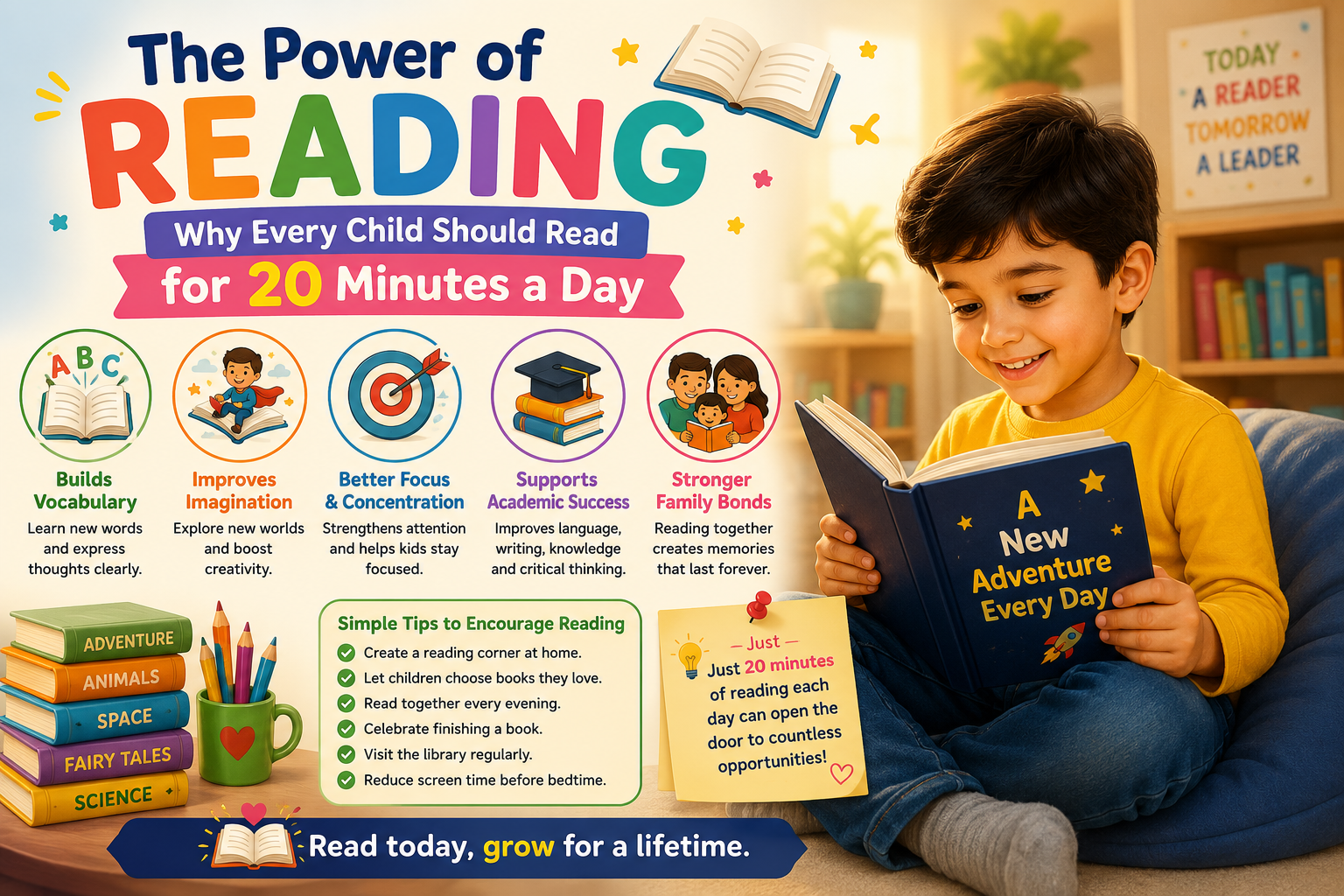
As we discussed in The Power of Reading: Why Every Child Should Read for 20 Minutes a Day, just twenty minutes of daily reading exposes children to over 1.8 million words per year. But the quality of that reading time matters just as much as the quantity. Interactive reading helps children make predictions, understand cause and effect, and connect stories to their own lives — skills that form the foundation of all future learning.
Practical tip: Create a "question box" at home. After reading a book, ask your child to draw their favorite part and tell you one new word they learned. This reinforces memory and makes learning tangible.
2. Turn Everyday Moments Into Math and Literacy Lessons
Knowledge doesn't live only in textbooks — it lives in your kitchen, your garden, and your grocery cart. One of the most effective ways to improve your child's knowledge is to recognize the learning opportunities hidden in everyday routines.
When you're cooking together, let your child measure ingredients. "We need two cups of flour. Can you fill this cup twice?" This introduces fractions, counting, and sequencing without a single worksheet. When you're driving, point out street signs and ask them to identify letters. When you're sorting laundry, talk about colors, sizes, and patterns.
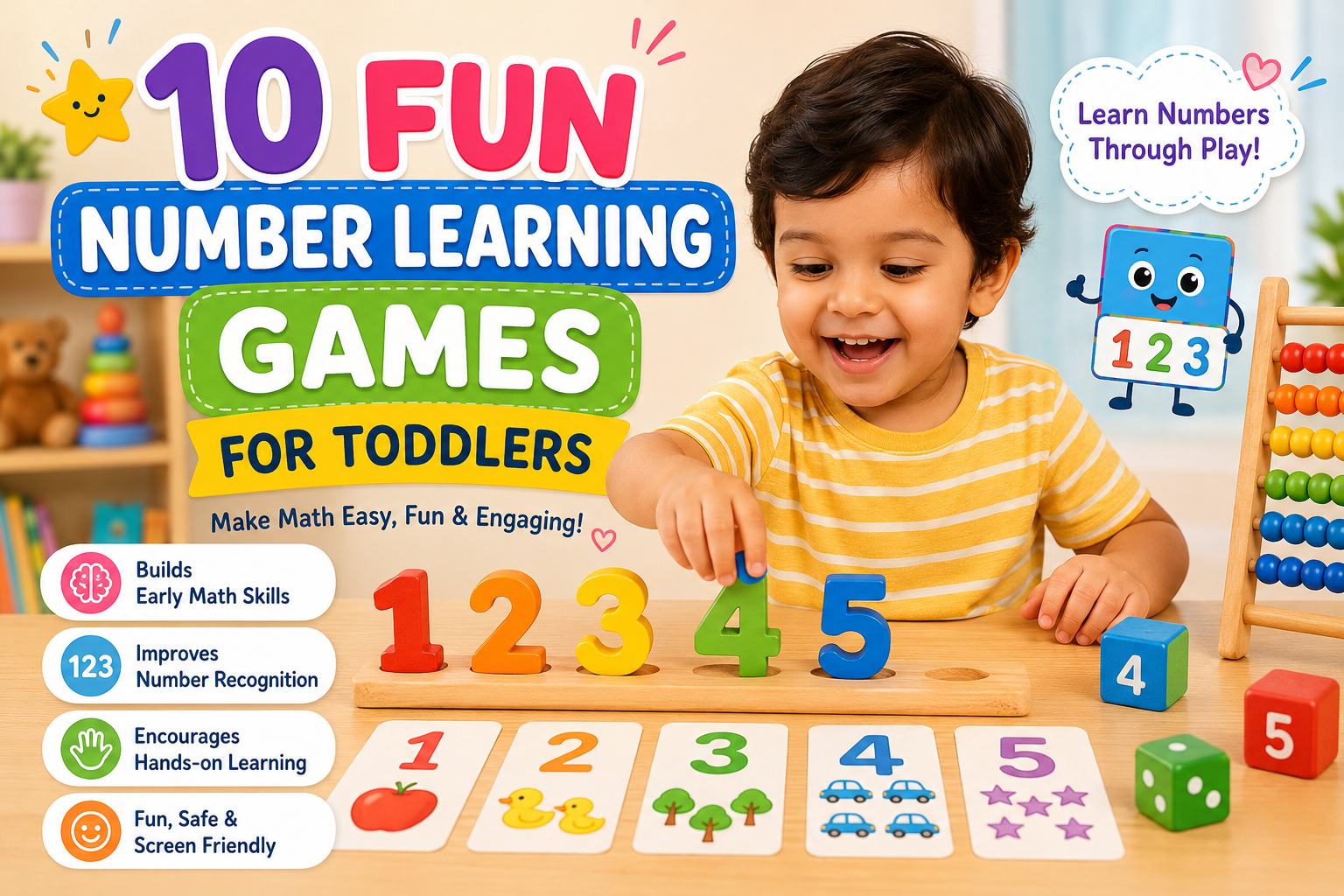
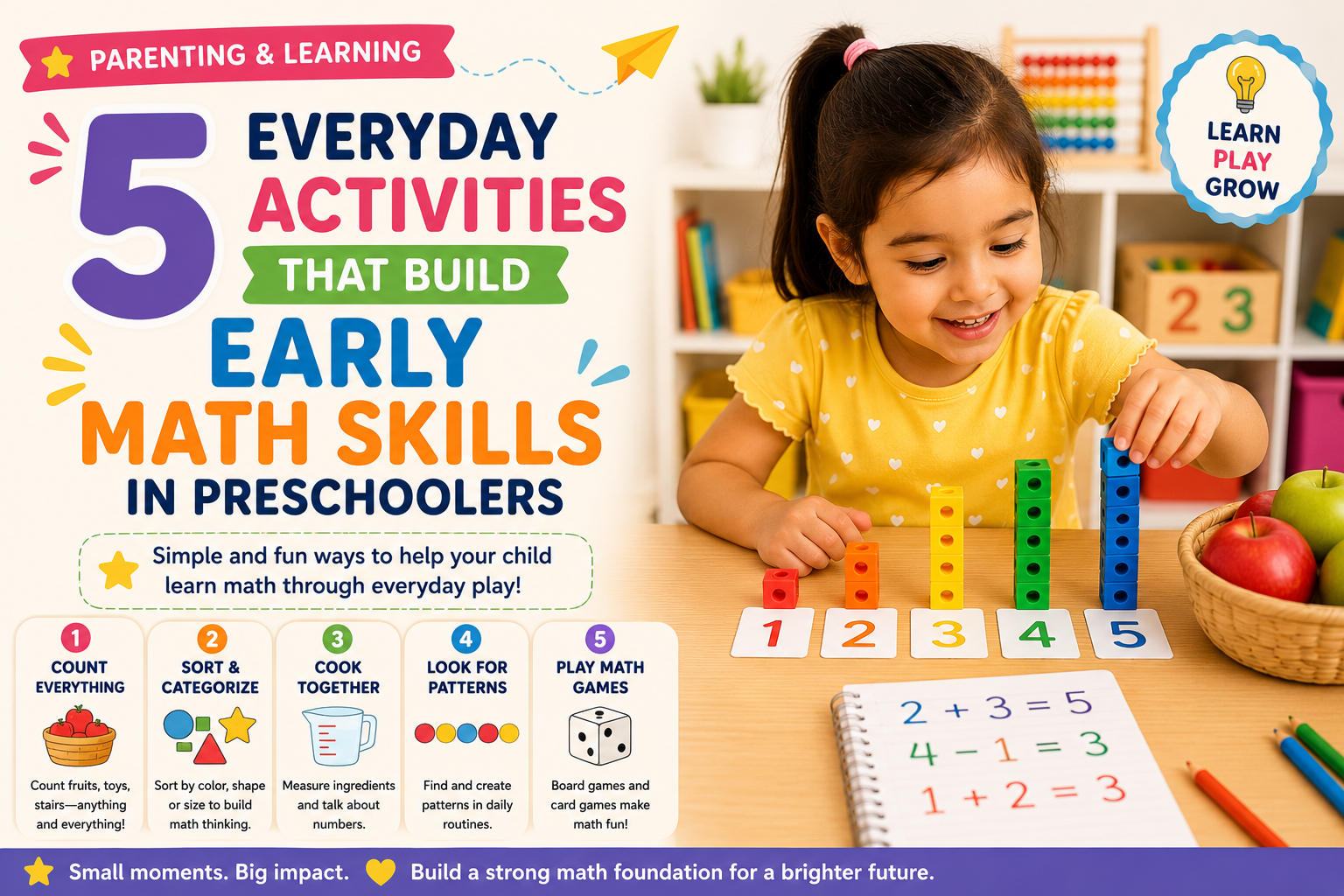
Our article on 5 Everyday Activities That Build Early Math Skills in Preschoolers dives deep into how simple routines — setting the table, counting stairs, or comparing snack portions — build numerical fluency. Similarly, How to Teach Numbers to Preschoolers — Fun Counting Activities That Actually Work offers playful ways to make math feel like an adventure rather than a chore.
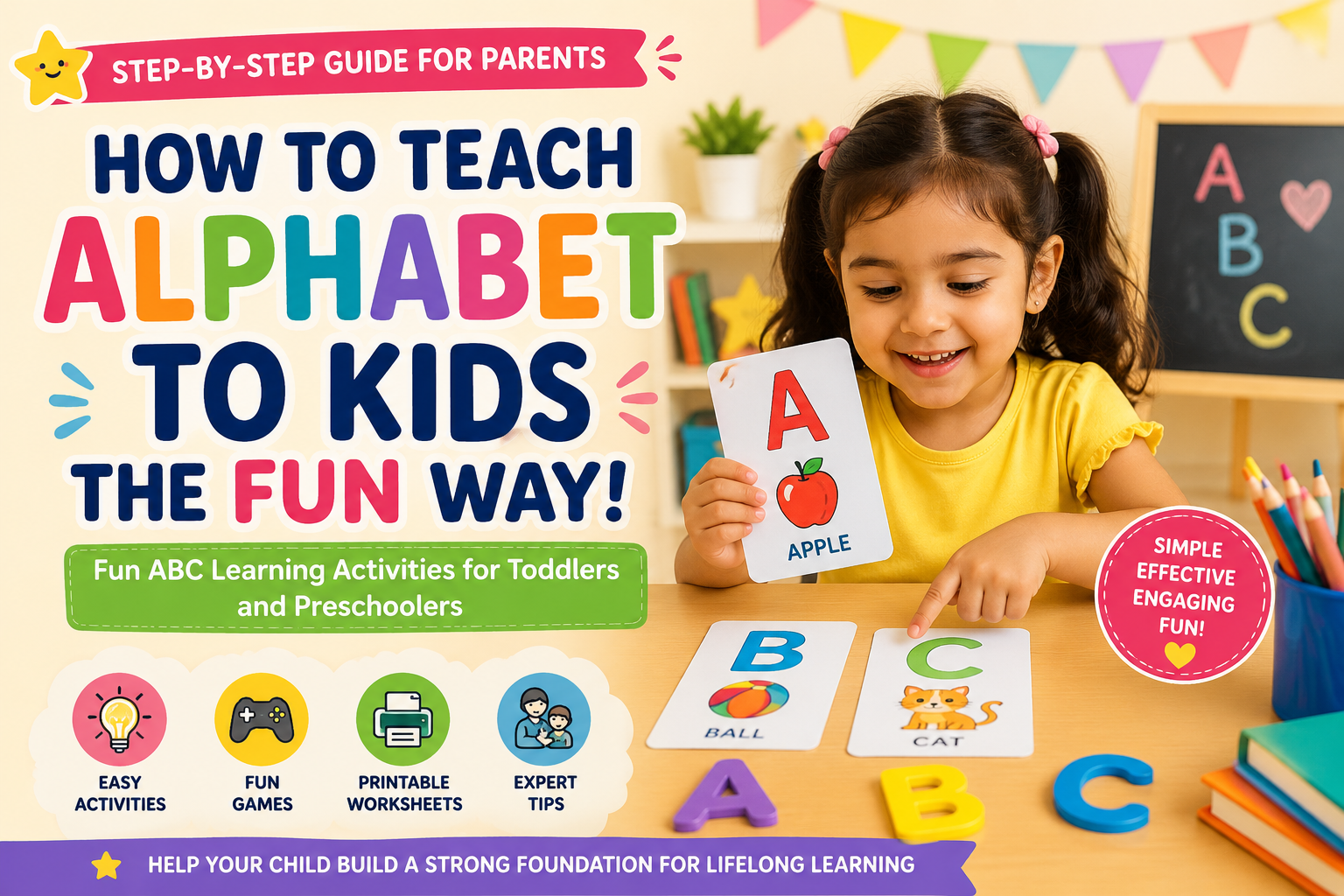
The same principle applies to literacy. How to Teach Your Child the Alphabet — Fun ABC Learning Activities for Toddlers shows how letter recognition can happen during bath time with foam letters, on walks with alphabet scavenger hunts, or at bedtime with alphabet songs.
When learning is woven into the fabric of daily life, children don't just accumulate facts — they understand why those facts matter.
Practical tip: Pick one routine per day — breakfast, bath time, or the evening walk — and intentionally introduce one learning element. "How many red cars can you spot?" or "What letter does 'banana' start with?"
3. Use Creative Activities to Strengthen Cognitive Connections
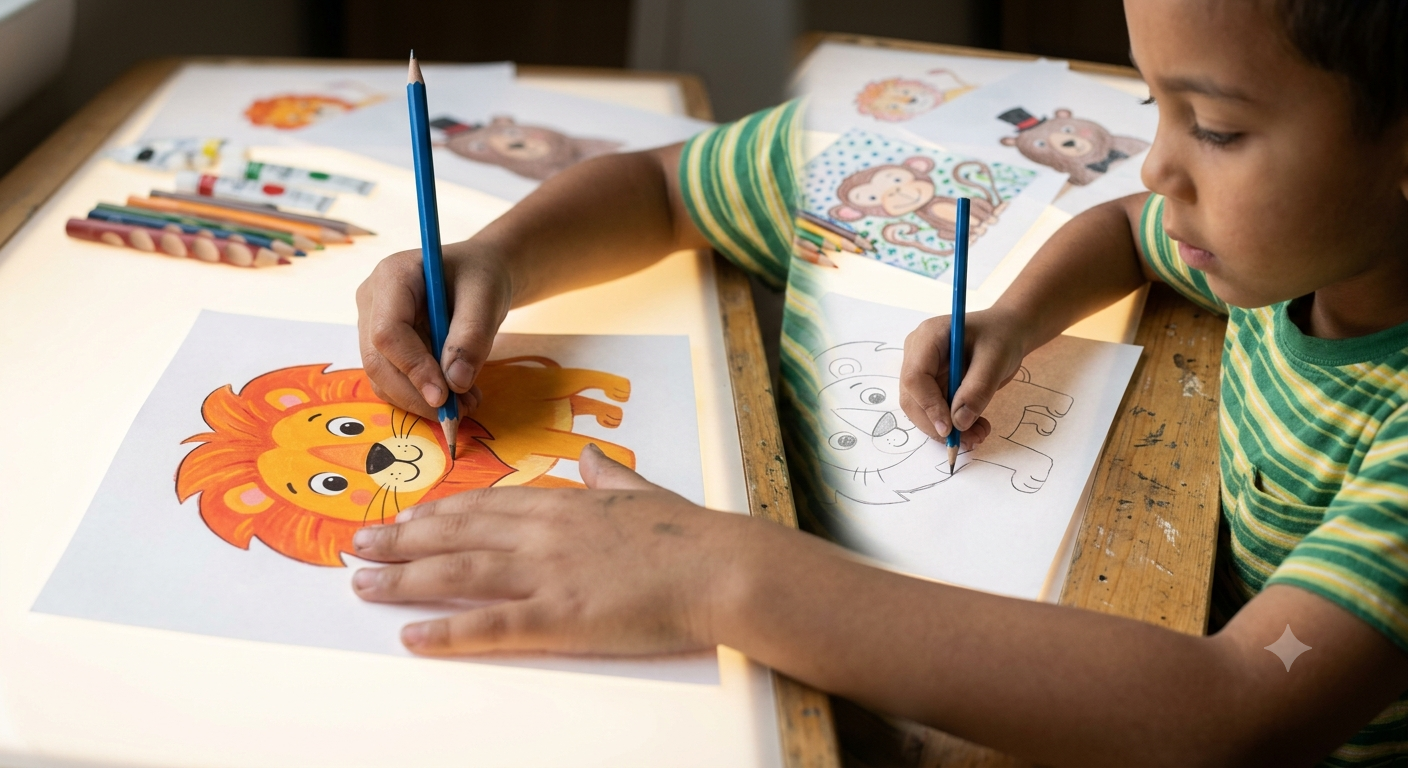
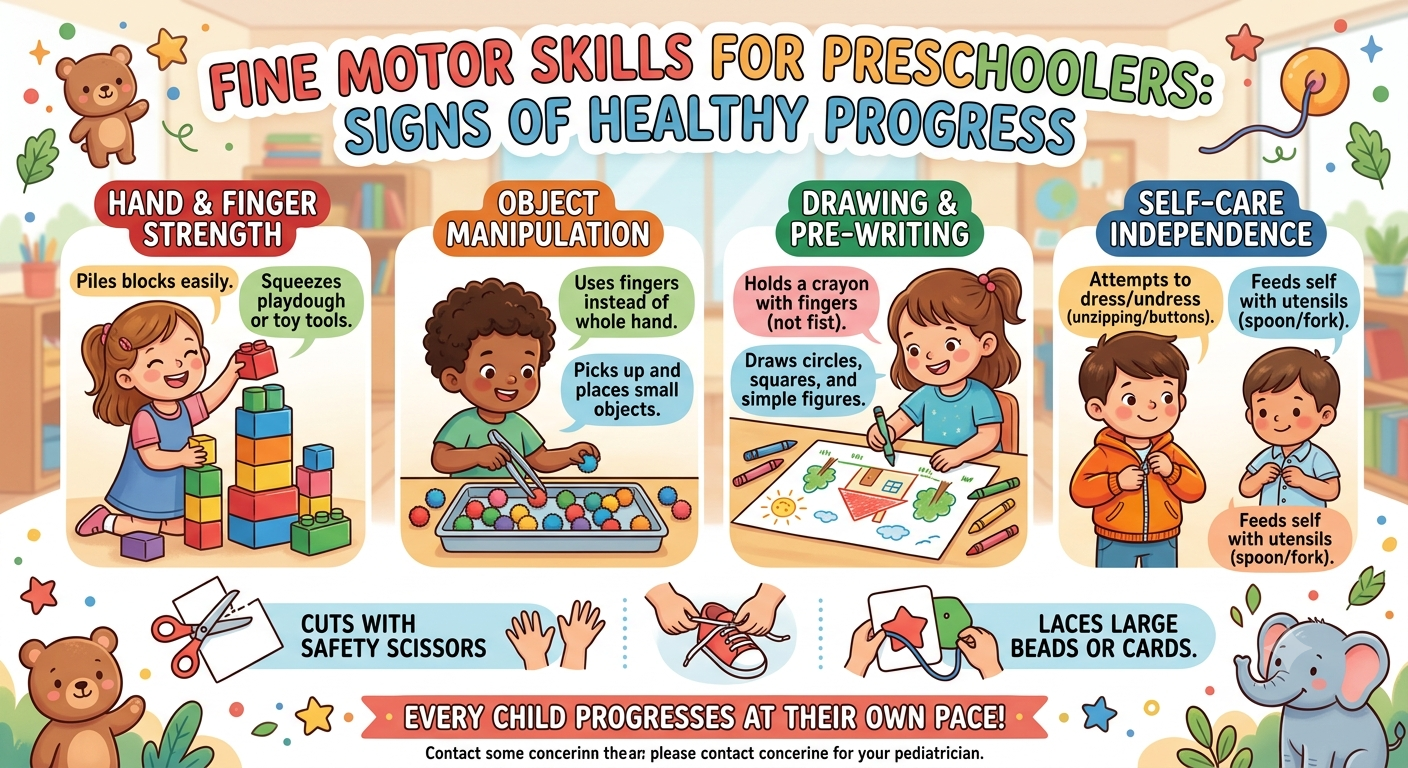
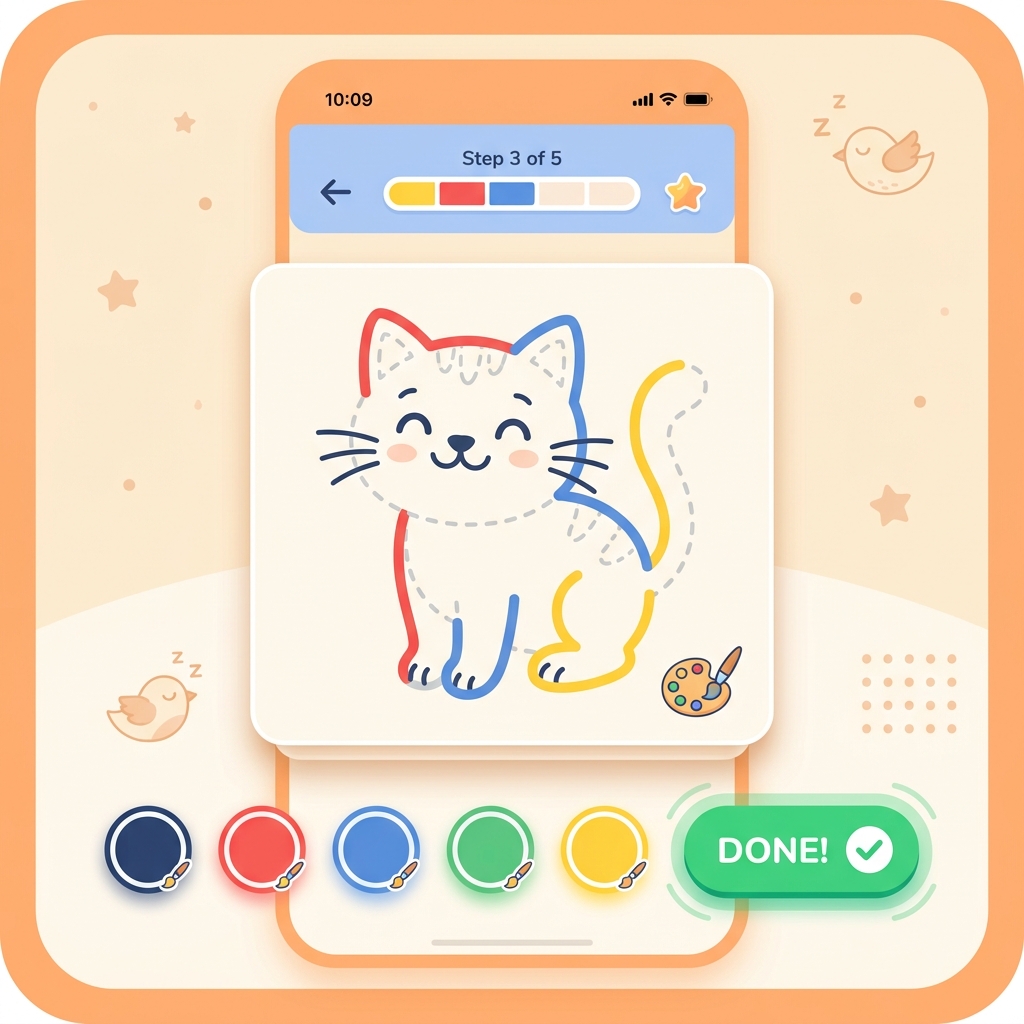
Drawing, tracing, coloring, and building aren't just "arts and crafts time" — they are serious brain work. When a child traces the outline of an animal or draws a picture of their family, they are developing fine motor skills, hand-eye coordination, spatial awareness, and even early writing abilities.
At GrowLittleKids, we've seen firsthand how creative activities accelerate knowledge retention. When children draw what they've learned, they process information more deeply. A child who draws the life cycle of a butterfly after reading about it will remember those stages far better than one who simply reads and moves on.
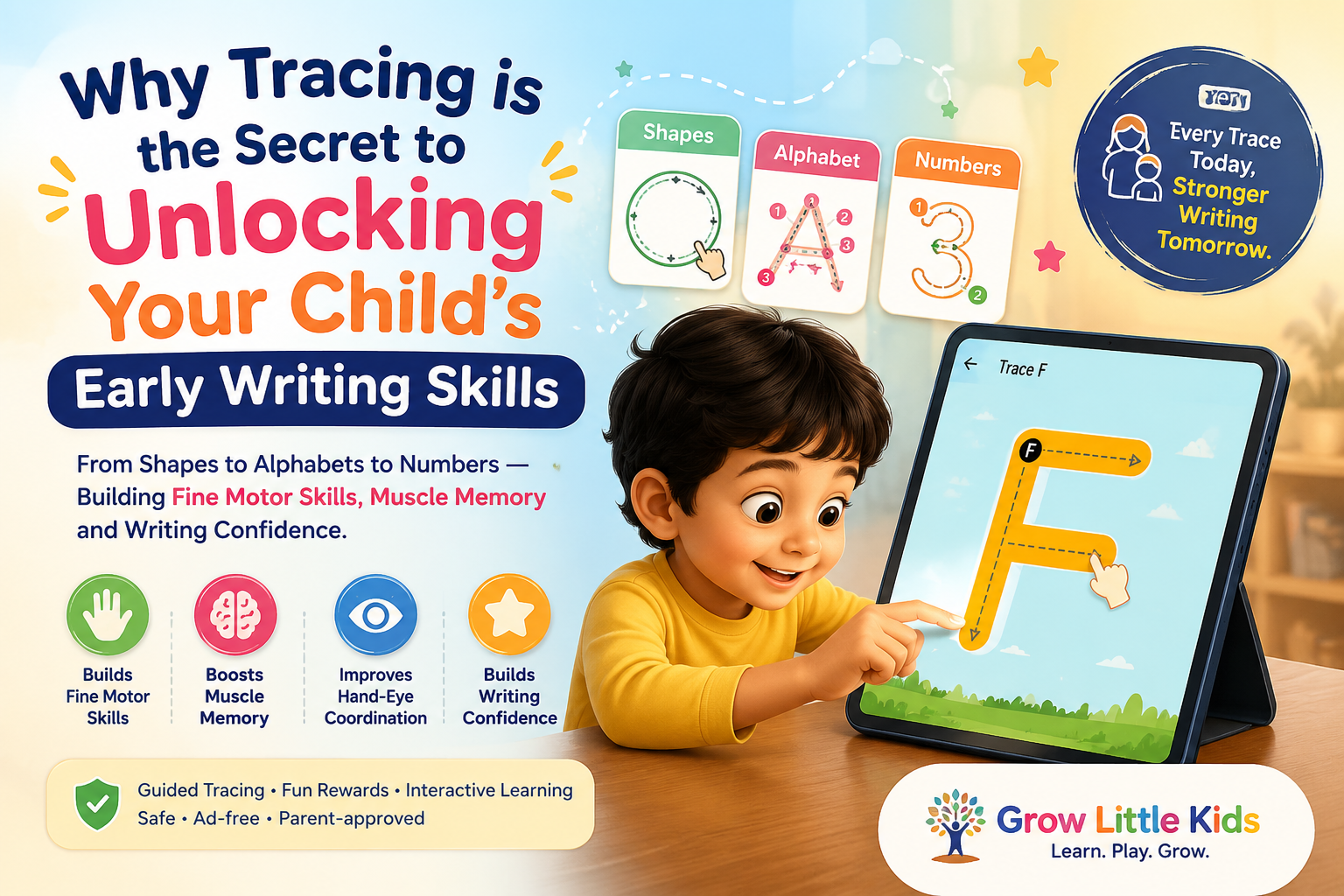
Our guides on Learn Drawing for Kids: How Tracing Animals Builds Creativity and Fine Motor Skills and Why Tracing is the Secret to Unlocking Your Child's Early Writing Skills explain the science behind this. Tracing helps children understand shape formation, directional movement, and muscle memory — all essential precursors to writing letters and numbers.
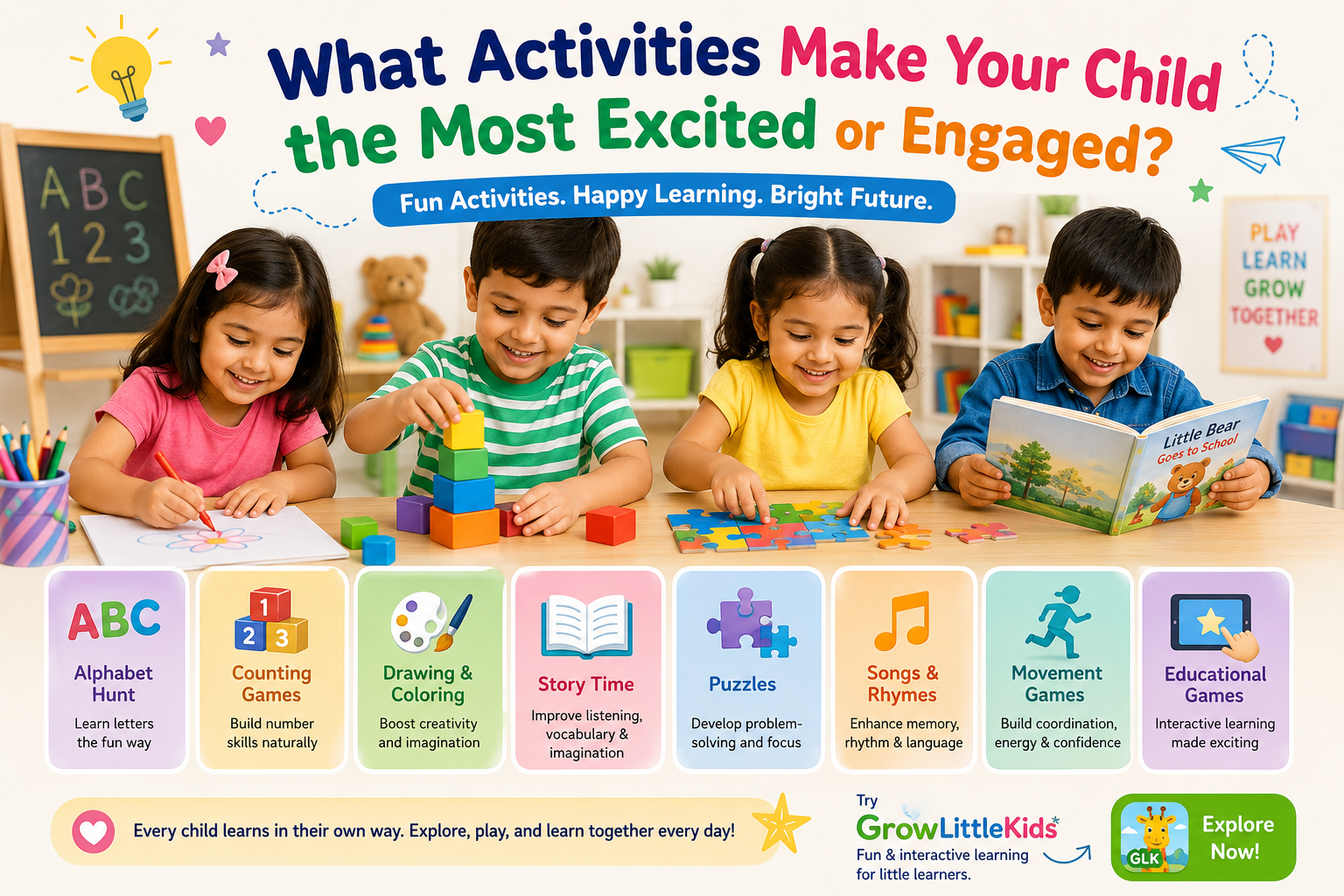
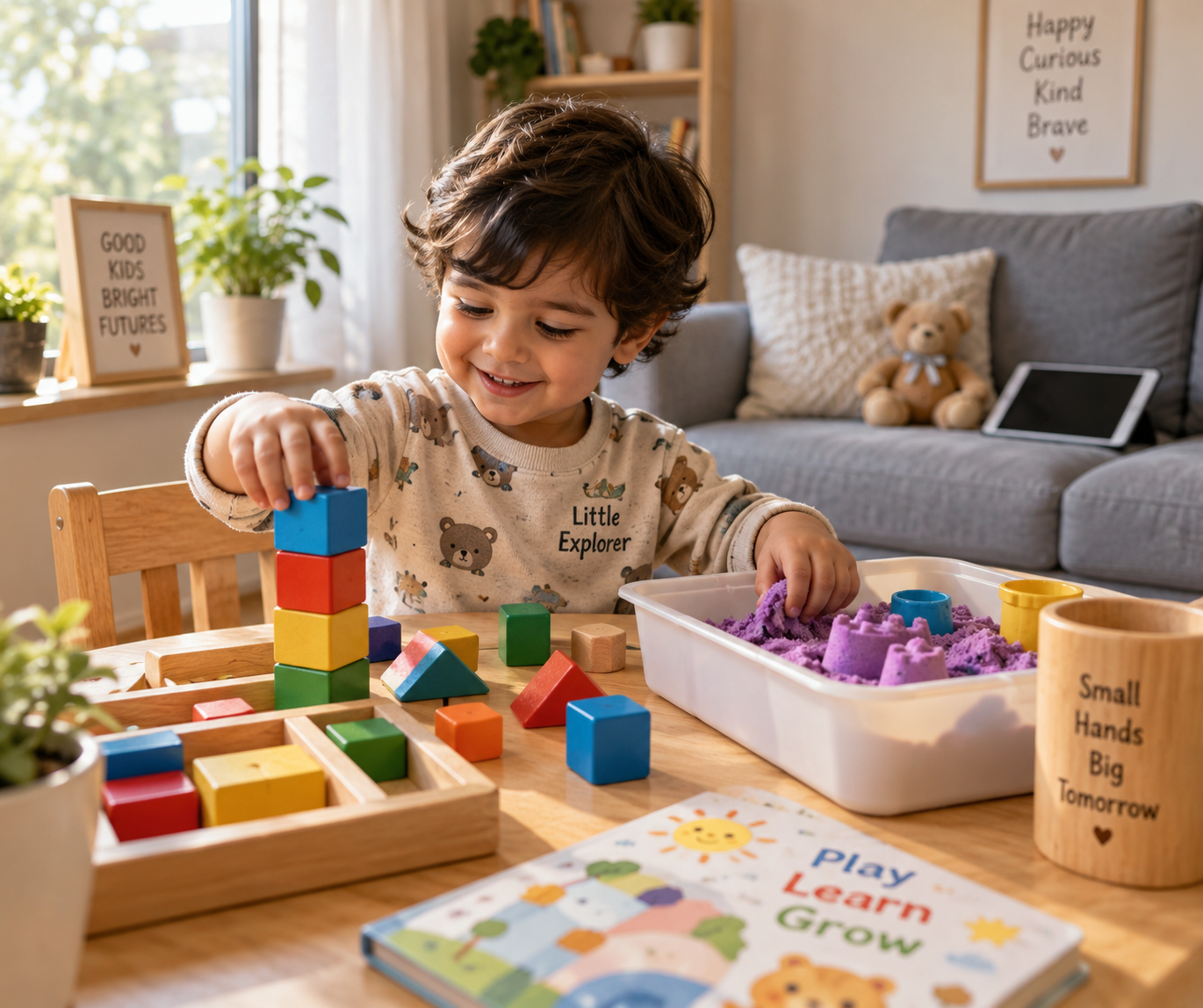
But creativity goes beyond paper and crayons. Building with blocks teaches physics and engineering. Singing songs builds phonological awareness. Dancing to music develops rhythm and pattern recognition. These activities create multiple pathways in the brain, making knowledge stickier and more accessible.
Practical tip: After learning something new — whether it's a new animal, a number, or a letter — ask your child to "teach it back" through drawing or building. "Can you build a tower with five blocks to show me the number five?"
4. Balance Screen Time with Purposeful Digital Learning
Let's be honest: screens are part of modern childhood. The question isn't whether your child will use screens — it's how they use them. If you want to improve your child's knowledge, you need to be intentional about digital consumption.
Not all screen time is created equal. Passive scrolling through random videos teaches very little. But interactive, age-appropriate educational content can support cognitive development when used thoughtfully. The key is curation and co-viewing.
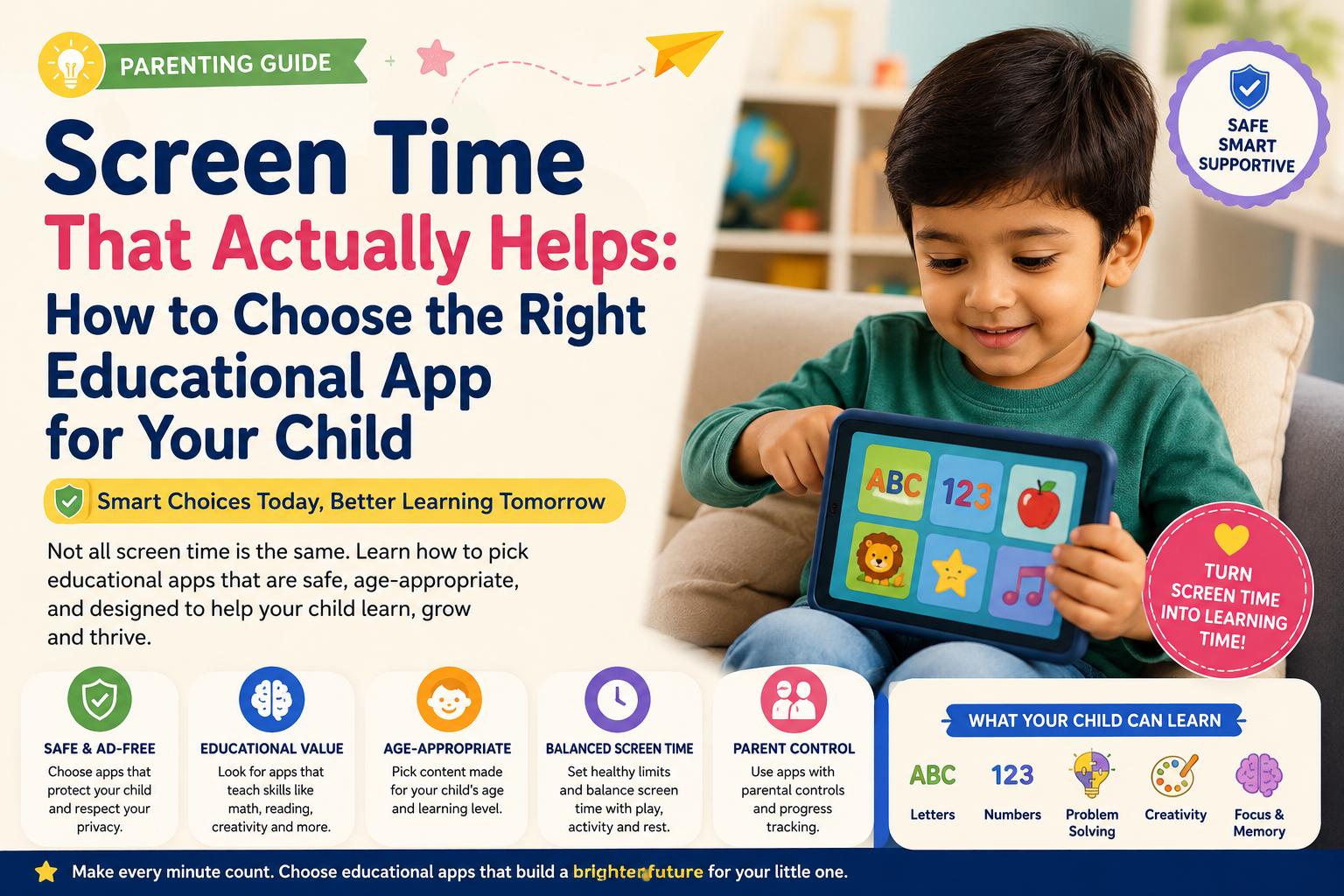
Our article Screen Time That Actually Helps: How to Choose the Right Educational App for Your Child provides a framework for evaluating apps: Are they interactive or passive? Do they adapt to your child's level? Is there a clear learning goal? Apps like GrowLittleKids are designed with these principles in mind — turning screen time into active learning time.
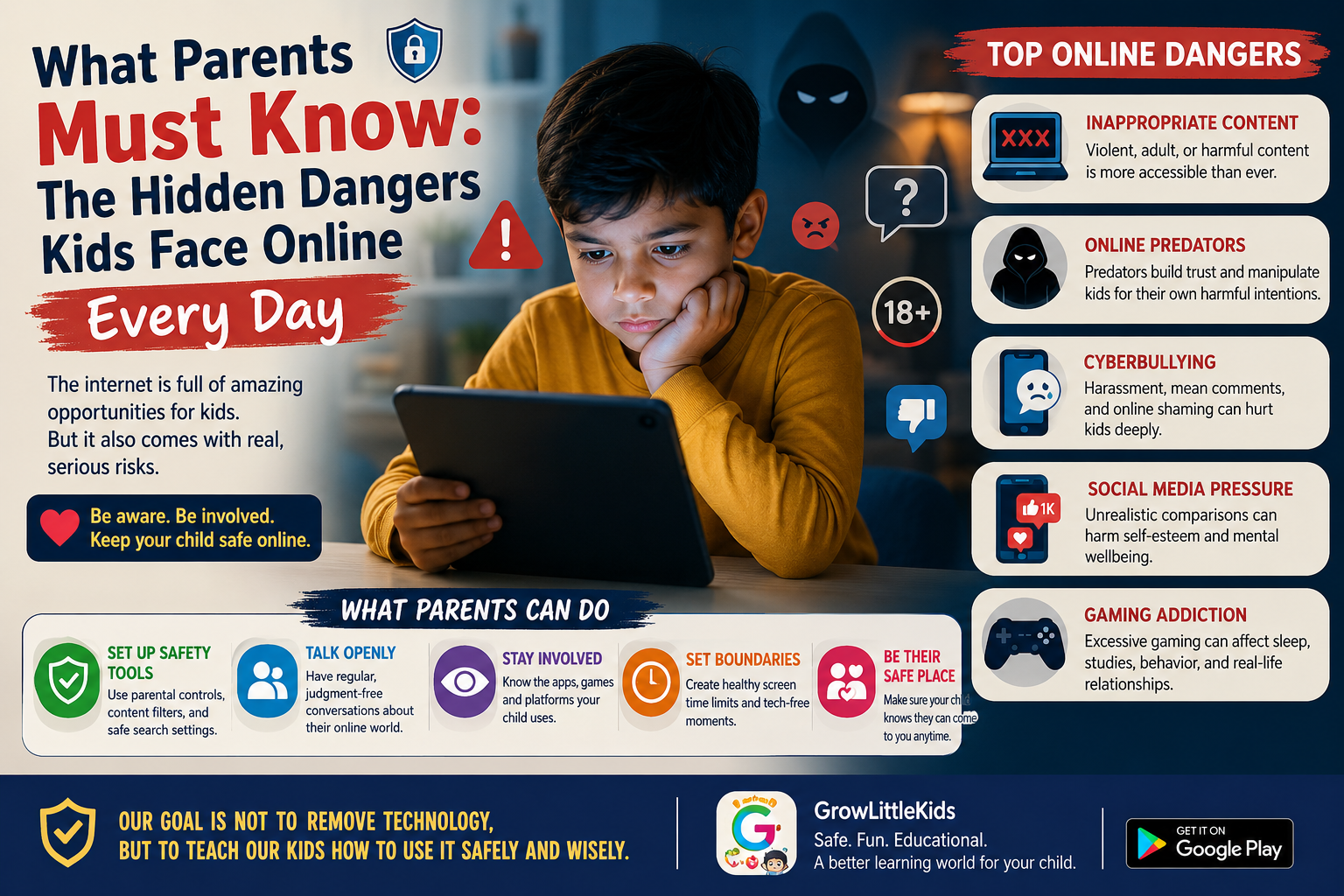
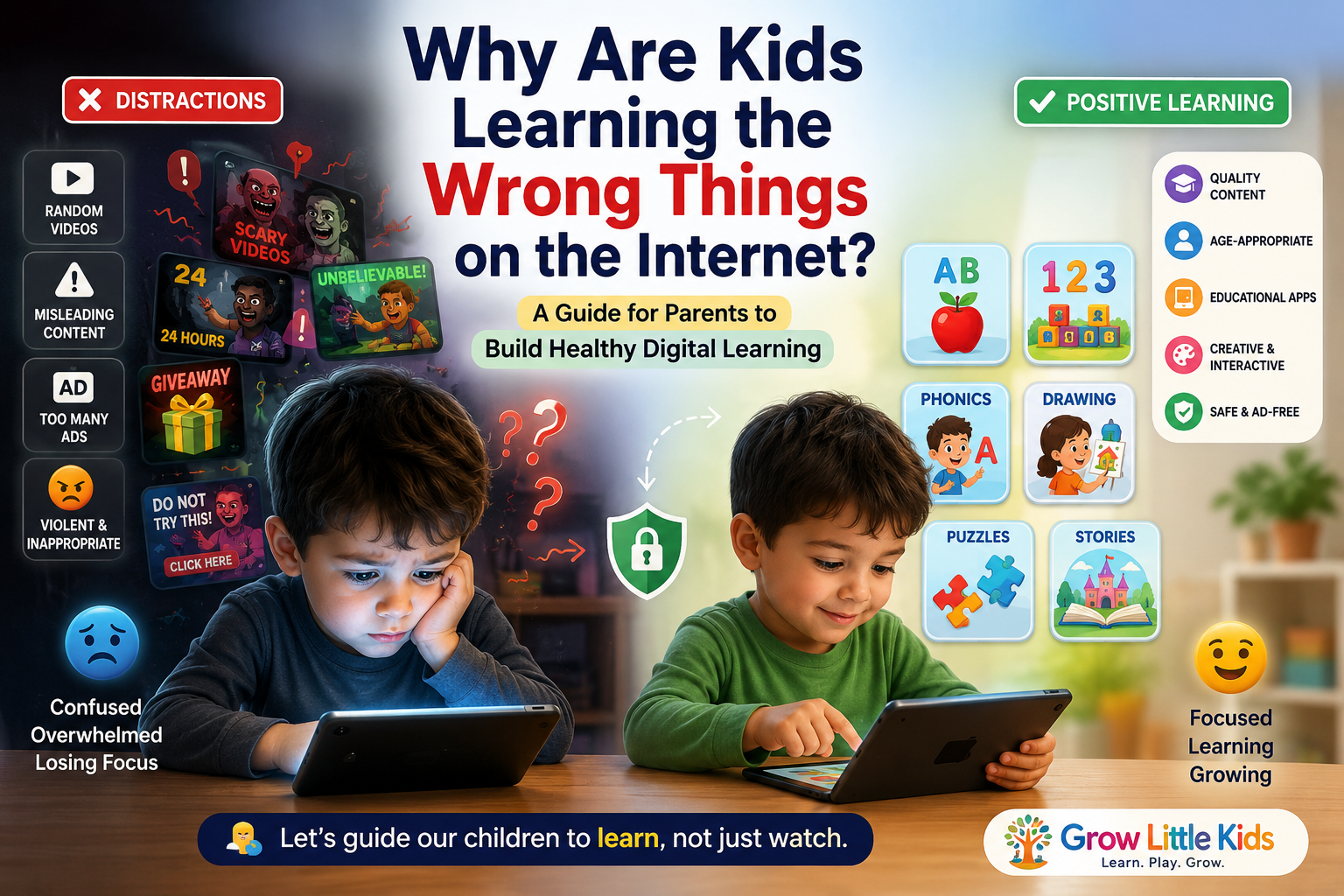
However, it's equally important to understand the risks. In What Parents Must Know: The Hidden Dangers Kids Face Online Every Day and Why Are Kids Learning the Wrong Things on the Internet?, we explored how unfiltered internet access can expose children to misinformation, inappropriate content, and attention-destroying algorithms.
The goal isn't to eliminate screens — it's to make them work for your child's knowledge, not against it. Set clear boundaries. Co-view when possible. And always prioritize hands-on, real-world experiences as the main course, with digital learning as a thoughtful side dish.
Practical tip: Create a "digital learning menu" — a short list of 3-5 approved educational apps or videos for the week. Rotate them to keep engagement high and prevent mindless consumption.
5. Build Consistent Routines That Anchor Learning
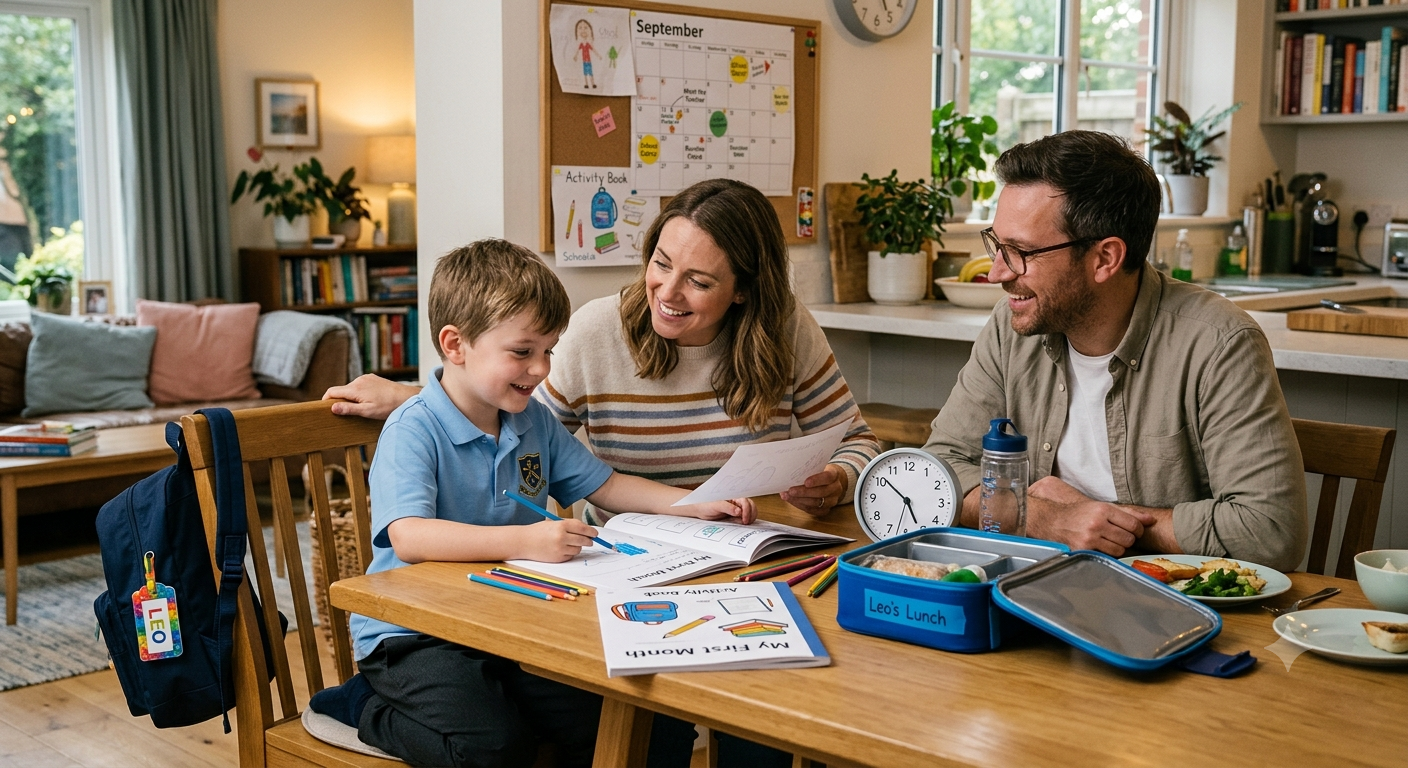
Knowledge doesn't grow in chaos — it grows in consistency. Children thrive on predictable routines because routines reduce cognitive load and free up mental energy for actual learning. When a child knows that after breakfast comes story time, and after story time comes a puzzle, their brain can focus on what they're learning instead of what's happening next.
Consistency also builds the meta-skills that underpin knowledge: focus, patience, persistence, and self-regulation. A child who practices the alphabet for ten minutes every day will outperform a child who does an hour-long cram session once a week. This is because the brain consolidates learning during rest and repetition.
As we emphasized in How to Build Strong Learning Habits Before Age 8, the habits formed in early childhood become the invisible architecture of adult success. A child who learns to sit with a book, try a puzzle three times before asking for help, or clean up after an activity is building executive function skills that directly impact academic performance.
Your routine doesn't need to be rigid. It just needs to be reliable. Morning reading, afternoon outdoor exploration, evening reflection — these anchors create a sense of safety and structure that allows curiosity to flourish.
Practical tip: Create a simple visual schedule with pictures for young children. Include a "learning time" block of just 15-20 minutes. Consistency beats intensity every time.
Conclusion: Knowledge Is a Journey, Not a Destination
Improving your child's knowledge isn't about pushing them to know more than their peers. It's about nurturing a mind that loves to learn, asks thoughtful questions, and sees the world as full of fascinating puzzles waiting to be solved.
The five strategies above — interactive reading, everyday learning moments, creative activities, balanced screen time, and consistent routines — aren't complicated. They don't require a teaching degree or expensive materials. They require something far more valuable: your presence, your patience, and your belief in your child's potential.
Every question your child asks is an opportunity. Every mistake is a lesson. Every ordinary moment is a chance to build something extraordinary. Start with one strategy this week. Add another next week. Before you know it, you'll be raising not just a knowledgeable child, but a lifelong learner.
And remember, you're not alone on this journey. The GrowLittleKids app is designed to support parents like you with safe, engaging, and research-backed learning activities for children. Download it free on Google Play and turn everyday moments into meaningful milestones.