Why Saving Trees Is the Greatest Gift We Can Give to Our Children 🌍
Have you ever paused during a morning walk, stood under the sprawling canopy of a banyan or neem tree, and taken a deep, fresh breath? That cool, revitalizing air is a free gift manufactured by silent, hard-working living beings — trees.
Trees are not just decorative greenery in our neighborhoods; they are the literal life support system of Planet Earth. A single mature leafy tree can produce enough pure oxygen in a single season to support 2 to 4 human beings, while absorbing over 22 kilograms of harmful carbon dioxide every single year. They filter airborne toxins, prevent devastating soil erosion, recharge underground freshwater aquifers, and provide a home for millions of birds, squirrels, butterflies, and beneficial insects.
Yet, around the world, millions of trees are cut down every single day for urban expansion, single-use paper packaging, and industrial development. Teaching our children how we can save trees is not just a science lesson — it is a vital life skill that cultivates empathy, responsibility, and strong lifelong learning habits.
The Alarming Reality: Why Trees Need Our Help Right Now
Every year, the planet loses approximately 10 billion trees to deforestation. When forests disappear, the delicate ecological balance collapses:
- Rising City Temperatures: Concrete buildings and asphalt roads trap heat, creating "urban heat islands." Trees provide natural evaporative cooling, lowering ambient neighborhood temperatures by up to 5°C to 8°C.
- Severe Air Pollution: Without leaves to trap dust, smoke, and PM2.5 particulate matter, children in metropolitan cities suffer from increasing respiratory issues.
- Loss of Biodiversity: Over 80% of terrestrial animals, birds, and plant species depend on forest ecosystems for survival and shelter.
- Soil Degradation & Floods: Tree roots bind the topsoil firmly. When trees are uprooted, heavy monsoon rains wash away fertile soil, causing catastrophic landslides and urban flooding.
As parents and educators, we often wonder: "How can one child or one family make a real difference against global deforestation?" The truth is that major environmental movements always begin with small, consistent daily habits at home and in classrooms.
10 Practical Ways We Can Save Trees Starting Today 🌿
1. Plant Native Trees and Care for Them 🌱
Planting a tree is one of the most fulfilling experiences a child can have. However, the real secret is planting native species that thrive naturally in your local climate without requiring excessive chemical fertilizers or artificial care.
In India and tropical climates, native species like Neem, Peepal, Banyan, Jamun, Amla, Gulmohar, and Ashoka are powerhouses of biodiversity. Encourage your child to adopt a sapling on their birthday or World Environment Day (June 5th). Teach them to water it regularly, protect it from stray animals with a small bamboo guard, and track its growth month by month.
2. Master the 3 R's: Reduce, Reuse, and Recycle Paper 📄
Did you know that it takes approximately 24 mature trees to produce just 1 ton of standard printing paper? By rethinking how we consume paper at home and school, we can save entire forests:
- Use Both Sides of Every Page: Make it a house rule to use both sides of drawing sheets and school notebooks before discarding them.
- Create a "Rough Work" Notebook: Collect unused blank pages from old school notebooks at the end of the academic year and bind them into a practice journal for math drills and doodles.
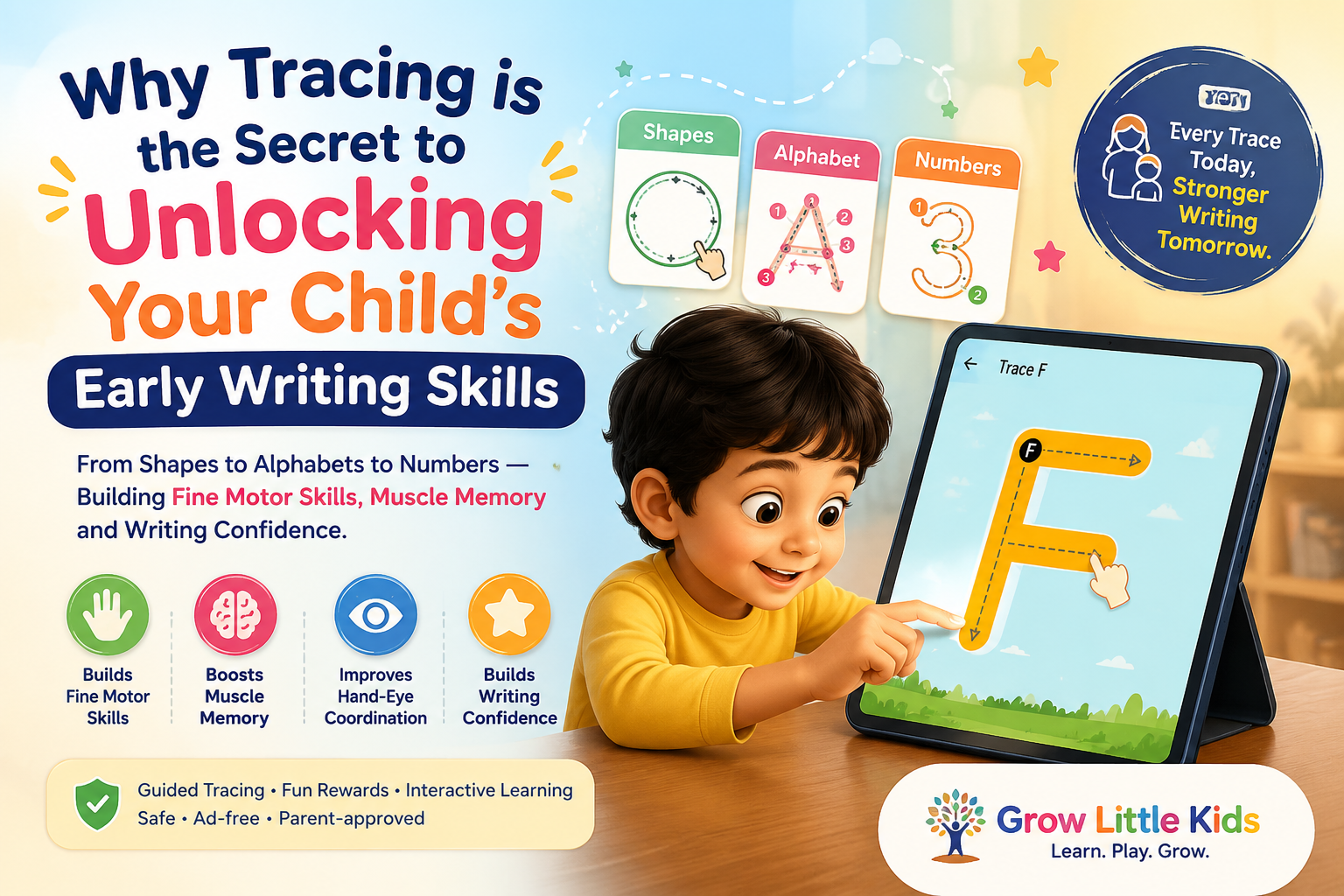
- Embrace Digital Tracing & Interactive Practice: Instead of buying endless stacks of disposable activity workbooks, leverage high-quality educational resources and interactive kids apps where children can trace letters and solve puzzles digitally without wasting paper.
- Recycle Old Newspapers: Never throw paper into general trash. Segregate paper waste so it reaches recycling facilities where it can be transformed into cardboard, egg cartons, and recycled craft paper.
3. Ditch Single-Use Paper Towels and Napkins 🧻
Millions of trees are felled every year solely to manufacture disposable paper napkins, facial tissues, and kitchen rolls. You can easily replace these with reusable alternatives:
- Switch to washable cotton cloth napkins and handkerchiefs in children's school lunchboxes.
- Use microfibre or old cotton t-shirt rags for cleaning kitchen countertops and windows instead of paper towels.
- Carry a personal cloth napkin in your bag when eating out or traveling.
4. Make DIY "Seed Balls" (Beej Bomb) for Green Trips 🌰
Making seed balls is one of the most exciting hands-on nature activities for toddlers and preschoolers! Mix clay soil, compost, and seeds collected from native fruits (like Jamun, Tamarind, Custard Apple, or Neem). Roll them into small golf-ball-sized spheres and let them dry in the shade.
During family road trips, highway drives, or nature walks, let your kids gently toss these seed balls into vacant open fields or roadside patches. When the monsoon rains arrive, the clay protects the seeds from birds while the compost nourishes them, allowing young saplings to sprout naturally!
5. Balance Screen Time with Nature Connection 🌳
In our modern screen-dominated world, children often spend 4 to 6 hours indoors staring at devices. While quality educational tools have their place, research proves that purposeful play over passive screen time is crucial for balanced brain development.
Take your children to local botanical gardens, national parks, or neighborhood tree-lined avenues. Let them touch the rough tree bark, feel the veins of fallen leaves, and listen to the birds nesting in the branches. When children fall in love with nature through sensory touch and exploration, protecting trees becomes a natural passion rather than an enforced chore.
6. Say No to Mindless Wooden and Paper Gifting 🎁
Traditional birthday parties often generate massive amounts of non-recyclable glossy wrapping paper, plastic ribbons, and cheap disposable wooden trinkets. Instead, pioneer sustainable celebration habits:
- Gift Living Plants: Give small potted money plants, aloe vera, jade, or flowering plants as return gifts at birthday parties.
- Wrap in Recycled Newspaper or Cloth: Use colorful comic strips or newspaper art tied with natural jute twine for unique, eco-friendly gift wrapping.
- Send Digital E-Cards: Use creative digital invitation cards instead of printing dozens of single-use paper invites.
7. Prevent Forest Fires & Soil Pollution 🚯
A single carelessly discarded plastic wrapper or cigarette butt can ruin fertile soil or trigger devastating forest fires that consume thousands of acres of ancient woodland in hours. Teach children:
- Never litter in forests, parks, or hill stations. Always bring your trash back home in a reusable bag.
- Avoid using chemical pesticides in your home garden that kill beneficial earthworms and mycorrhizal fungi that help tree roots absorb nutrients.
- Compost kitchen fruit and vegetable scraps to create rich organic humus that strengthens tree root health.
8. Support Certified Sustainable Forest Products 🏷️
Whenever purchasing wooden furniture, pencils, notebooks, or wooden toys, look for the FSC (Forest Stewardship Council) or PEFC certification logo. This international label guarantees that the wood was harvested from responsibly managed, renewable forests where new trees are replanted for every tree harvested.
9. Learn from the Inspiring History of the Chipko Movement 🤝
Inspire your children with true stories of environmental courage! In the 1970s in Uttarakhand, India, village women led by Gaura Devi and environmentalist Sunderlal Bahuguna started the legendary Chipko Movement. When commercial loggers arrived with axes to cut down their ancient forest, the villagers stepped forward and wrapped their arms around the tree trunks, refusing to let go.
Their peaceful bravery saved the forests and sparked global awareness about community-led conservation. Sharing these real-life heroes teaches children that voice and conviction can protect nature against immense odds.
10. Create a "Green Corner" in Your Home or Balcony 🏡
Even if you live in a high-rise city apartment without a private yard, you can create a thriving vertical garden or potted balcony oasis. Growing potted plants like Tulsi, Curry Leaves, Mint, Snake Plants, and Areca Palms purifies indoor air and teaches kids the daily discipline of nurturing plant life.
Quick Comparison: Everyday Waste vs. Tree-Saving Swaps 🔄
| Common Wasteful Habit ❌ | Tree-Saving Sustainable Swap ✅ | Impact on Trees & Nature 🌳 |
|---|---|---|
| Throwing away one-sided printed paper sheets | Binding them into a DIY scratch pad or sketchpad | Cuts household paper waste by 50% |
| Using paper tissues to wipe kitchen messes | Washable cotton kitchen towels & cloth rags | Saves dozens of paper rolls per month |
| Plucking leaves and branches while walking | Collecting fallen leaves for leaf-rubbing art | Protects growing saplings from physical trauma |
| Throwing fruit seeds into the garbage bin | Drying seeds to create DIY seed balls (beej bombs) | Re-forests barren roadsides and open lots |
| Buying cheap plastic or wooden return gifts | Gifting live potted saplings and plantable seed pencils | Spreads green awareness to every guest |
4 Fun Tree Activities to Try with Kids This Weekend 🎨
1. Tree Bark Texture Rubbing Art 🖍️
Take a sheet of paper (or reuse the blank back of an old printed sheet) and a peeled wax crayon. Hold the paper firmly against the bark of different trees — a neem tree, a palm tree, a mango tree. Gently rub the side of the crayon across the sheet. The unique textures of each tree will appear like magic! Discuss how each tree has its own unique "fingerprint."
2. The "Adopt-a-Tree" Journal 📓
Pick one tree near your house or school. Have your child give the tree a name. Once every week, visit the tree to measure its trunk circumference with a piece of yarn, sketch its leaves, record when new flowers bloom, and note which birds or squirrels visit it throughout the seasons.
3. Kitchen Scrap Propagation 🥕
Teach kids that plants have incredible regenerative powers! Place the bottom root stumps of spring onions, celery, mint stems, or carrot tops in a shallow bowl of water on a sunny windowsill. Watch new green shoots appear within days, proving how eagerly nature wants to grow when given light and water.
4. Forest Detective Walk 🕵️
Go on a 20-minute nature walk with a magnifying glass. Challenge your child to spot 5 different creatures that depend on trees: an ant trail on the trunk, a bird's nest in the upper branches, lichen growing on the bark, fallen seeds, and earthworms beneath the fallen leaf mulch. This demonstrates that a tree is not just wood — it is an entire bustling city of life!
The Science of "Green Time": How Trees Improve Learning & Well-Being
Decades of child development studies prove that proximity to trees and natural green spaces directly enhances a child's cognitive growth. Exposure to nature has been shown to:
- Reduce Stress & Cortisol Levels: Trees release organic antimicrobial compounds called phytoncides that calm the nervous system and boost immune cell activity.
- Sharpen Focus & Attention Span: Studies show that children with regular outdoor green time exhibit better focus in school and reduced symptoms of attention fatigue.
- Enhance Creative Problem-Solving: Unstructured outdoor play among trees encourages spatial reasoning, imaginative storytelling, and physical balance.
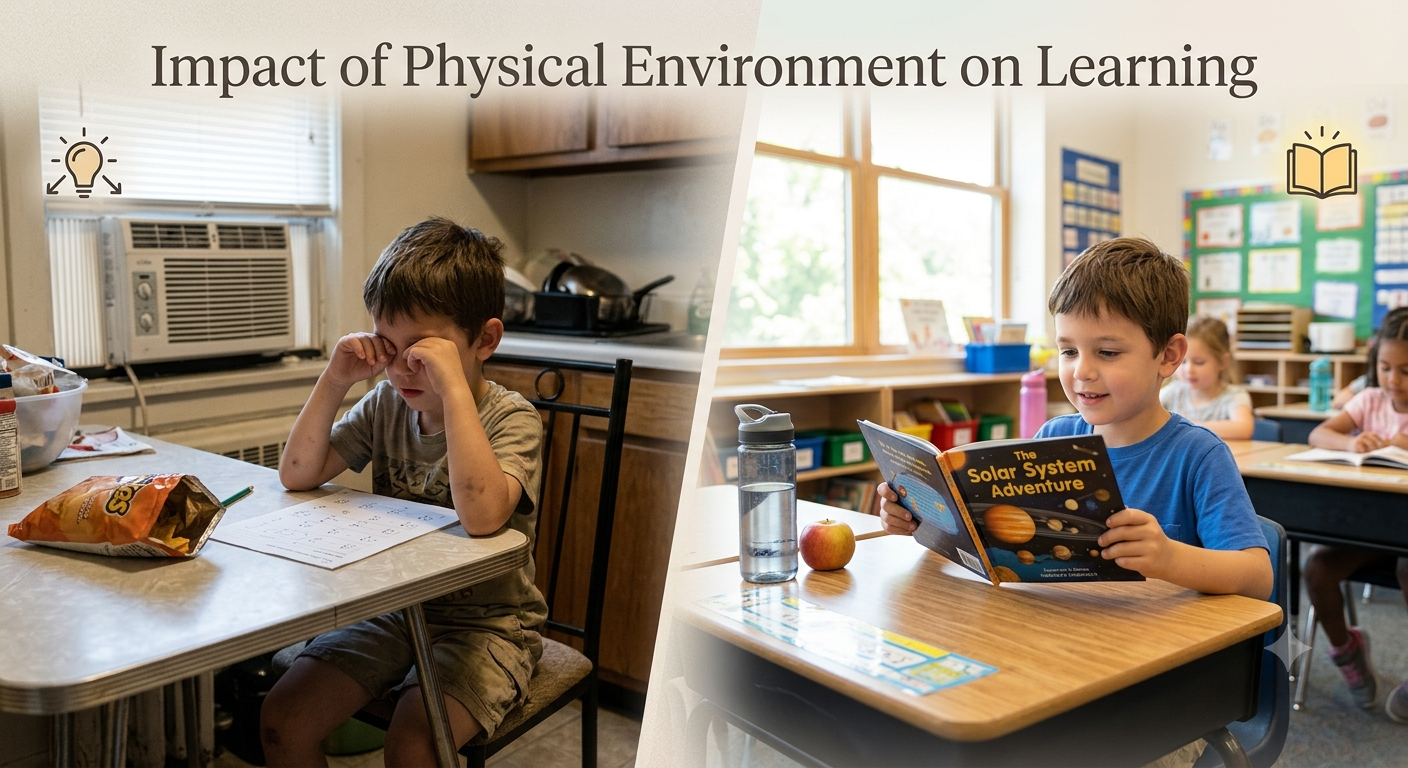
For more insights on how physical surroundings shape your child's brain development, read our guide on how a child's physical environment affects their ability to learn.
How GrowLittleKids Supports Sustainable Early Learning 📱🌱
At GrowLittleKids, we believe technology should enhance childhood without disconnecting kids from the physical world. Our interactive learning platform helps preschoolers master foundational skills — such as alphabet tracing, phonics, and numbers — while minimizing paper waste.
We actively encourage families to balance smart digital learning sessions with invigorating outdoor playtime, active games like our Wing Dash Bird game, and nature explorations. Learn more about our mission on our About Us page, or reach out to us directly via our Contact page if you'd like to collaborate on school eco-initiatives.
Final Thoughts: A Small Seed Grows into a Mighty Forest 🌟
Saving trees doesn't require millions of dollars or heroic feats. It begins when a 4-year-old turns off the tap while brushing, uses both sides of a drawing paper, gently plants a seed in a discarded coconut shell, and looks at a tall banyan tree with awe and gratitude.
Every tree we save today is shade, clean air, and life for our children tomorrow. Let's start protecting our green guardians today — one leaf, one seed, and one habit at a time! 🌳💚