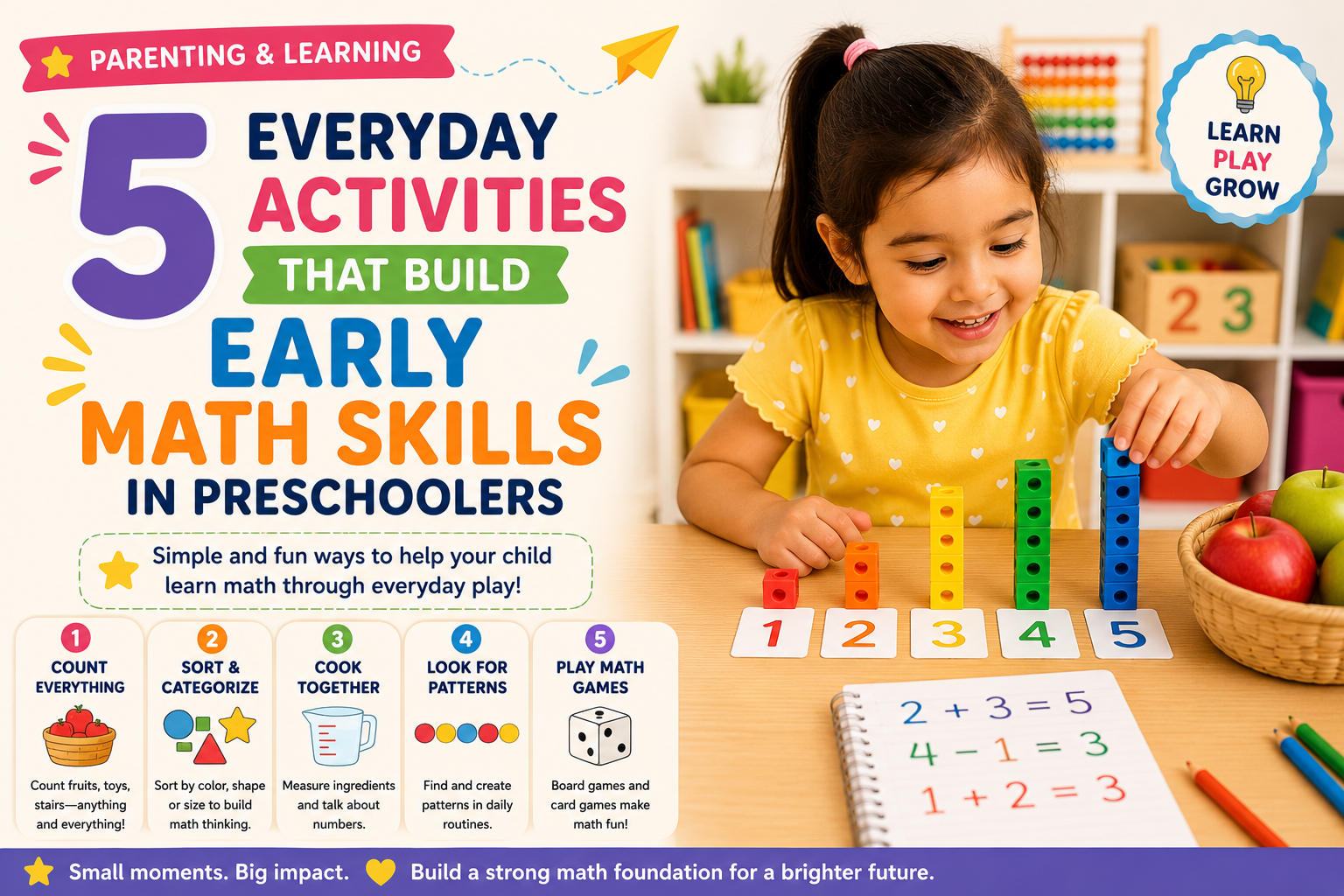
Math Is Everywhere — Your Child Just Needs to See It
When we think of "teaching math," we picture worksheets and textbooks. But for preschoolers, math is all around them — in the grocery store, at the dinner table, during a walk in the park. The trick is pointing it out and making it playful.
Research from the National Association for the Education of Young Children (NAEYC) shows that children who engage with math concepts through everyday experiences develop stronger number sense and problem-solving skills by the time they start school.
5 Simple Activities That Teach Math Naturally
1. Counting Everything — Out Loud 🔢
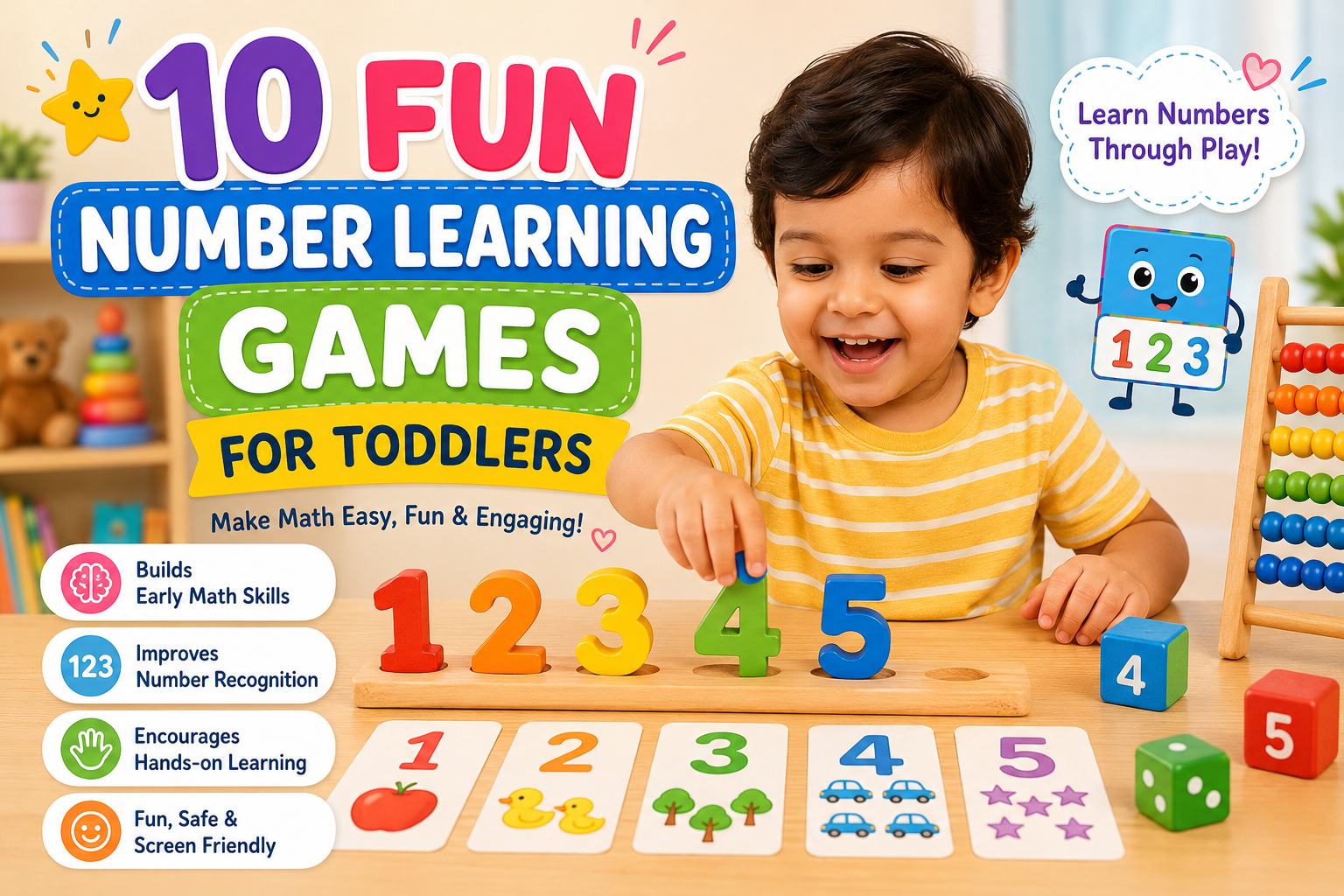
Count steps as you climb stairs. Count apples as you put them in the bag. Count fingers, toes, toys, birds, cars — everything. The goal isn't just memorizing numbers; it's understanding one-to-one correspondence (each object gets one number).
Pro tip: Start with small numbers (1–5) and gradually increase. Let your child count real objects rather than just reciting numbers — touching each item as they count builds a much stronger foundation.
2. Kitchen Math — Baking and Cooking Together 🍪
Baking is a goldmine for early math. Ask your child to help measure ingredients: "Can you scoop 2 cups of flour?" or "How many eggs do we need?" This teaches counting, measuring, fractions (half a cup!), and sequencing (first, then, next).
Even setting the table is a math lesson: "We need 4 plates, 4 forks, and 4 cups — one for each person." That's one-to-one correspondence and set counting in action!
3. Shape Hunts Around the House 🔷
Turn a walk around your house (or neighborhood) into a shape scavenger hunt. "Can you find something that's a circle? What about a rectangle?" Doors are rectangles, clocks are circles, roof peaks are triangles, windows can be squares.
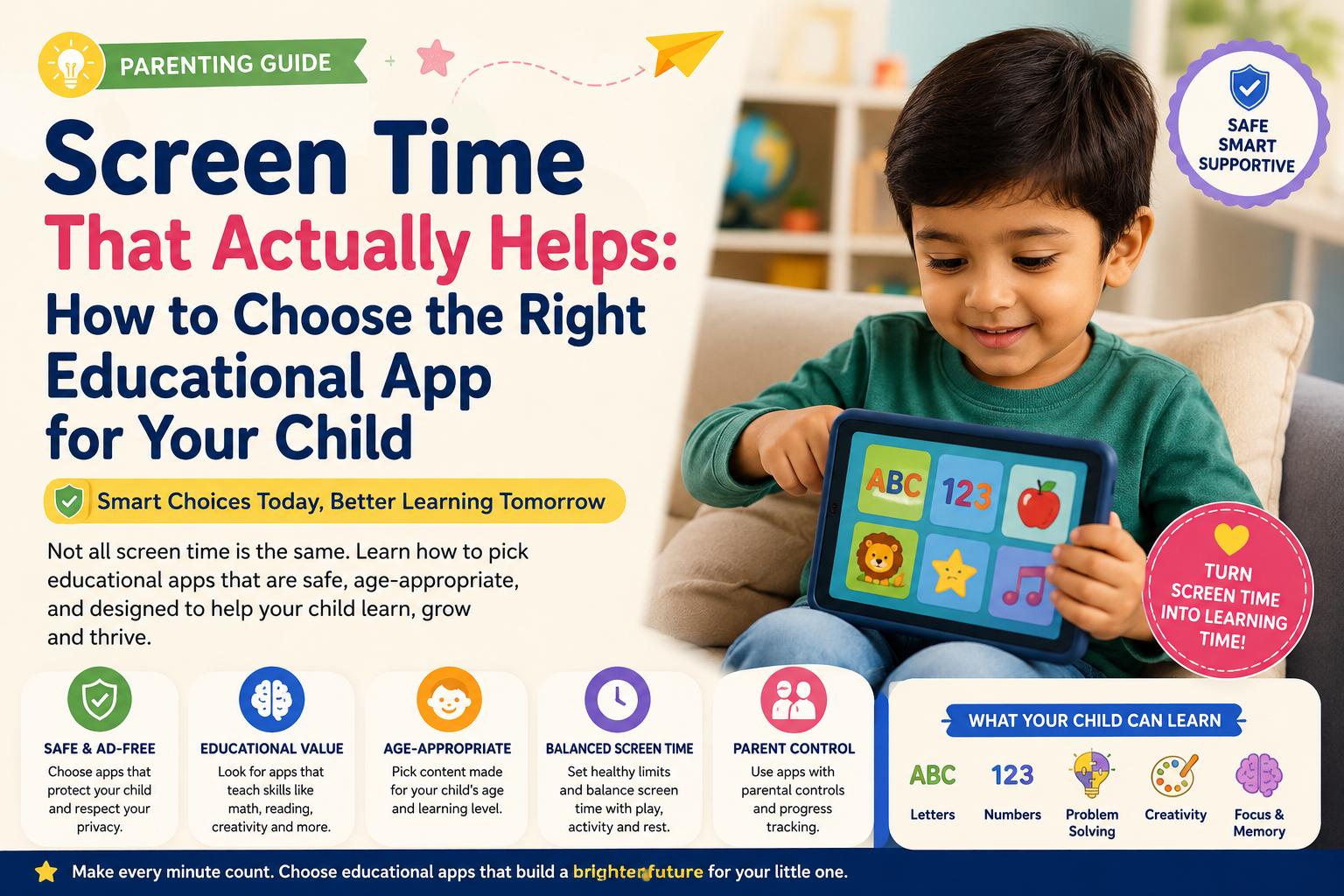
This builds geometry awareness — understanding that shapes aren't just things on paper; they're part of the real world. Apps like GrowLittleKids reinforce this with interactive shape-matching games and tracing activities.
4. Sorting and Classifying Toys 🧸
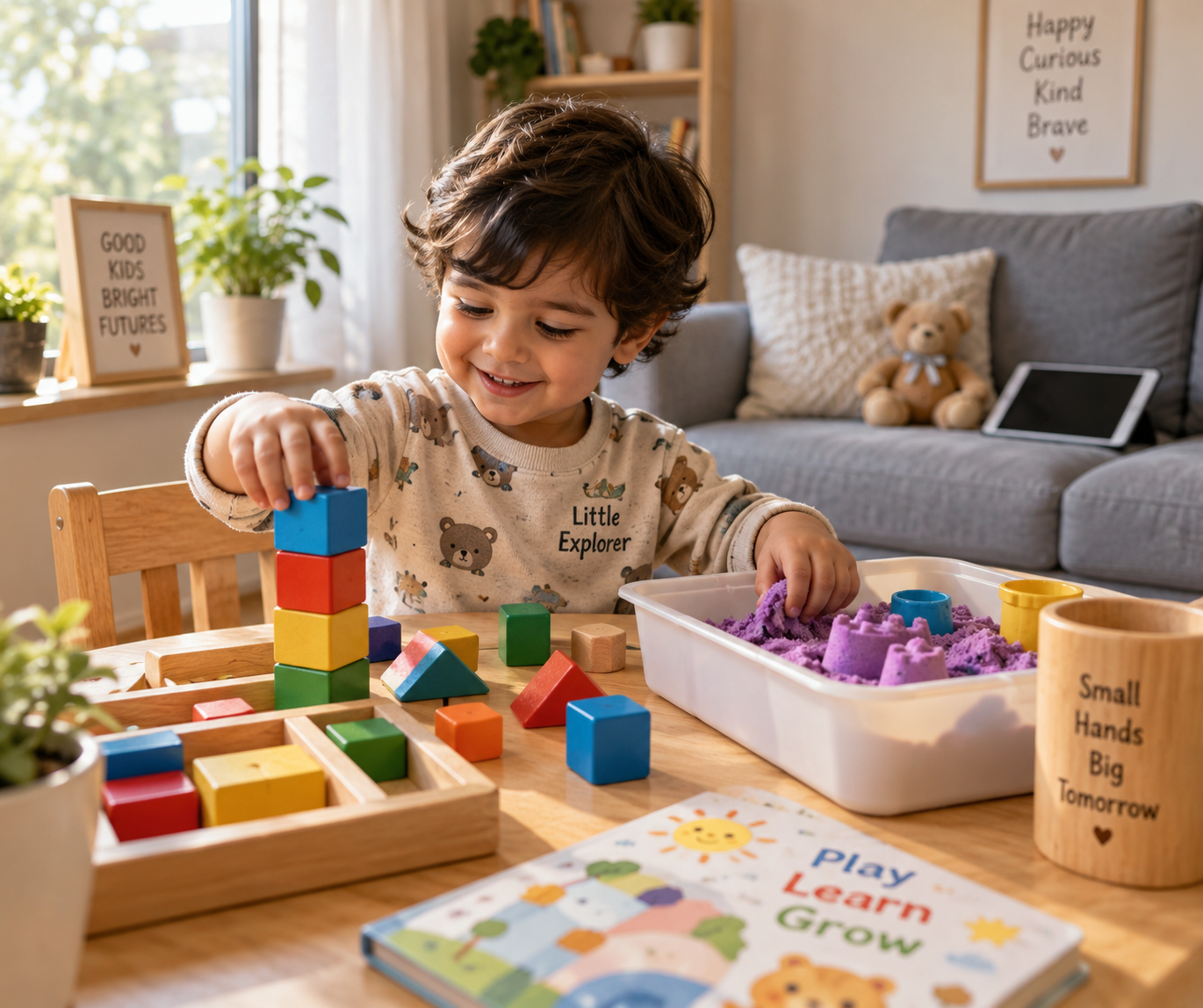
Ask your child to sort their toys by color, size, or type. "Put all the red blocks here and all the blue blocks there." Sorting is one of the earliest math skills — it teaches children to observe attributes, compare, and categorize.
You can make it harder over time: "Sort by size AND color" or "Which group has more?" This introduces concepts like greater than, less than, and equal to — critical math foundations.
5. Number Tracing and Drawing 🖍️
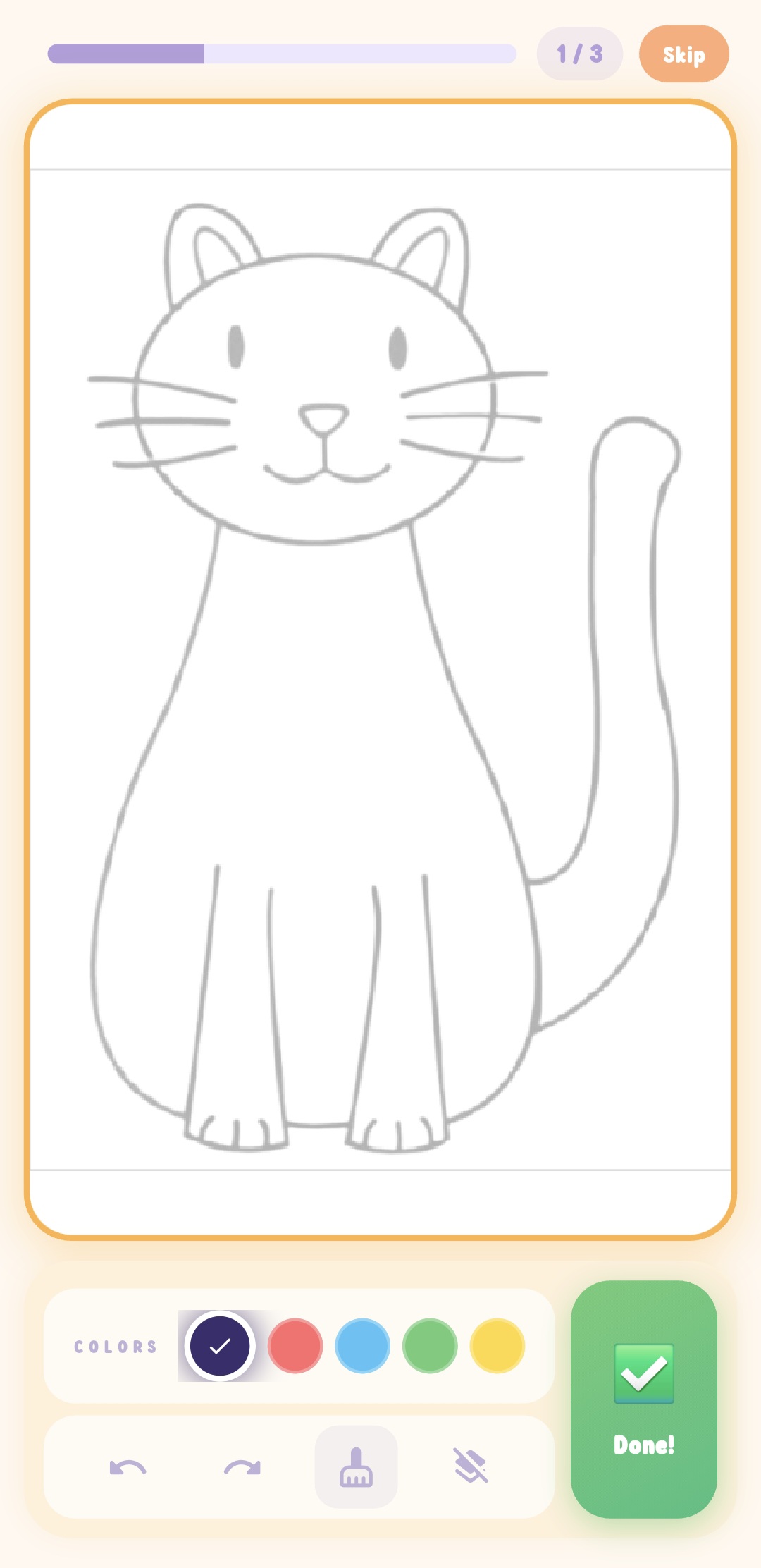
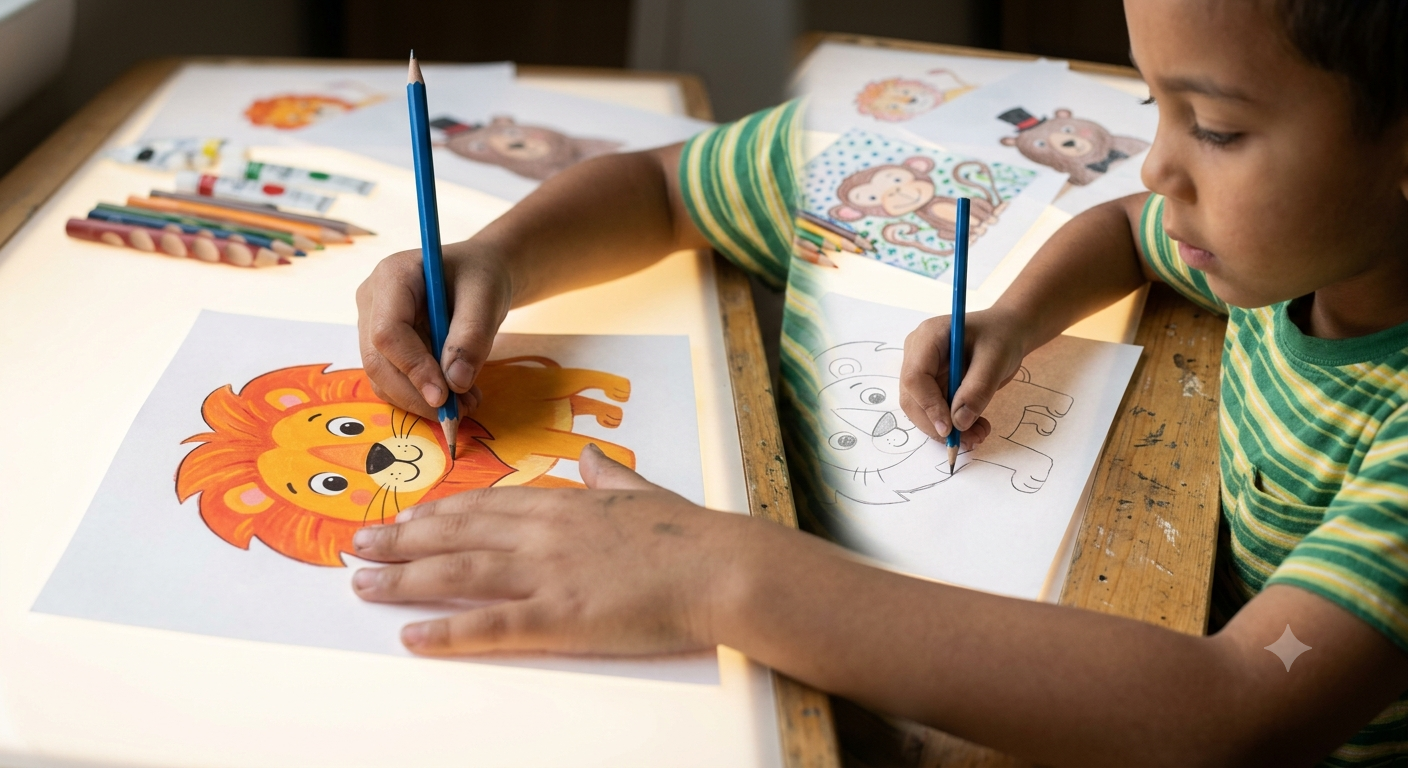
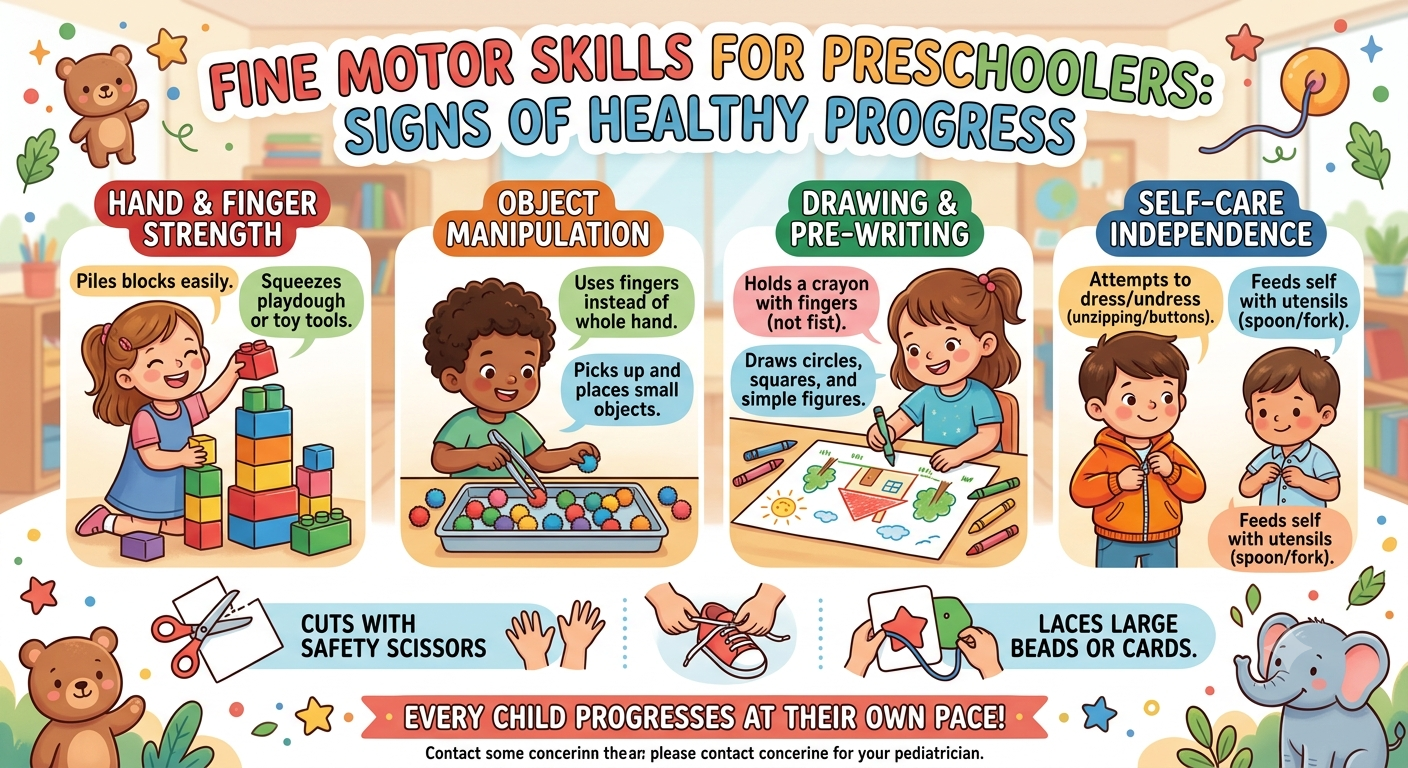
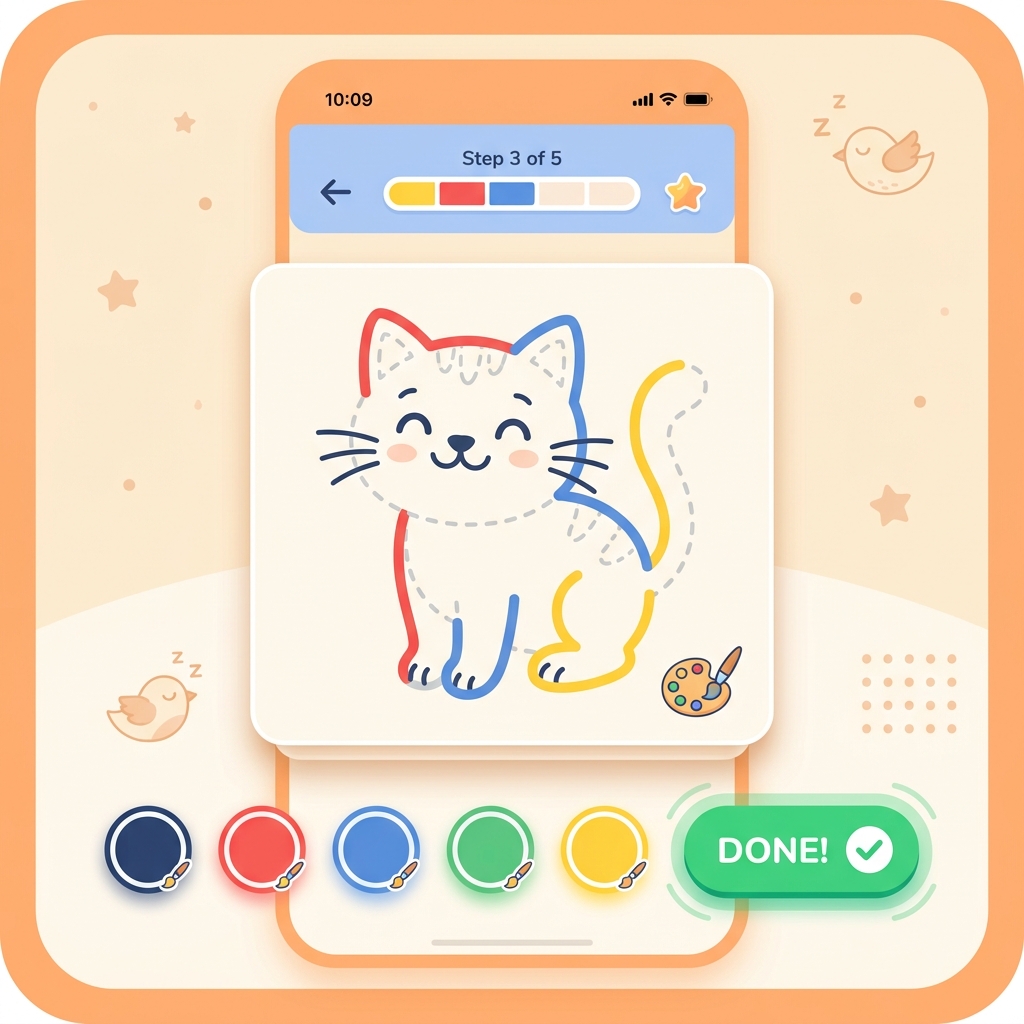
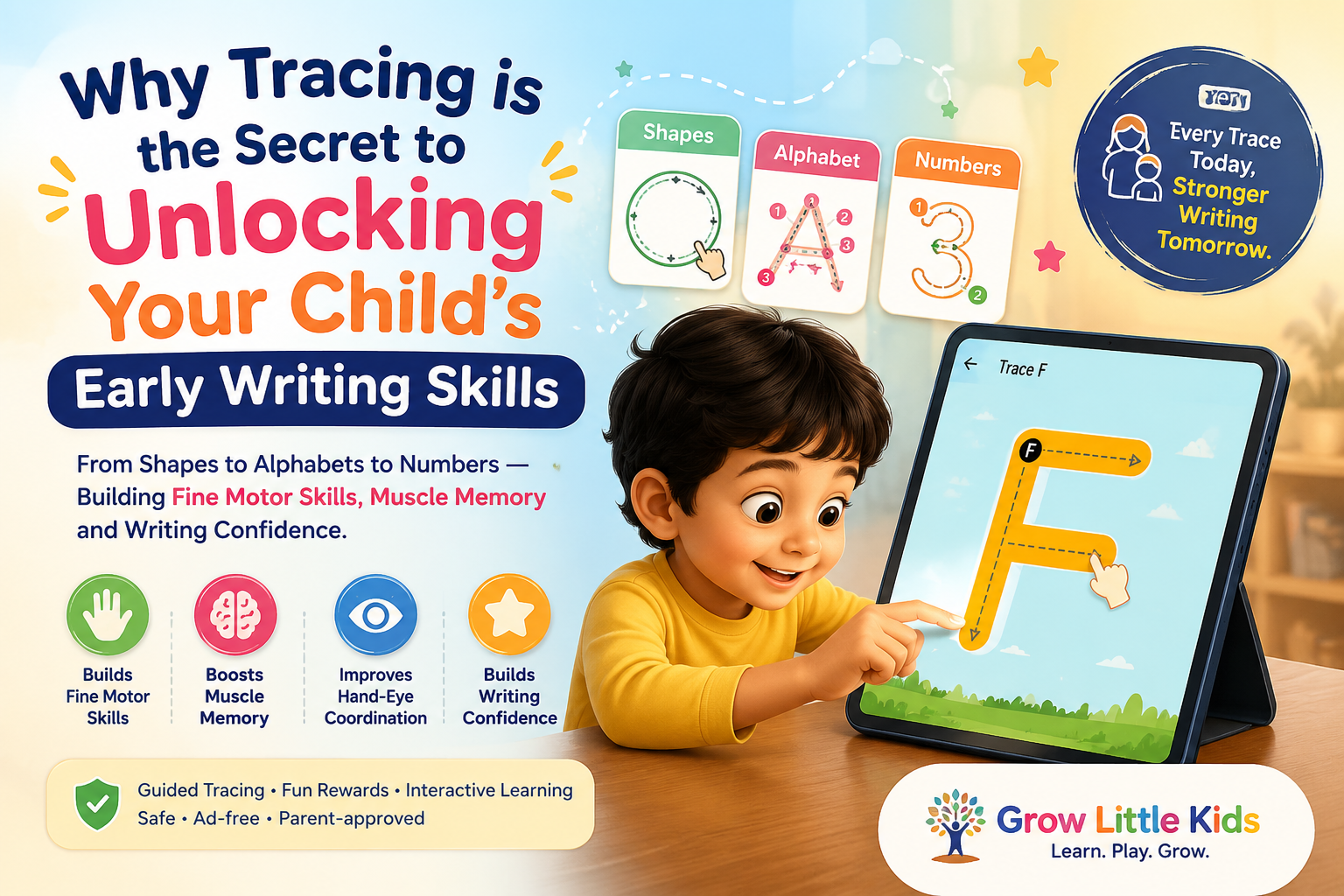
Give your child a crayon and let them trace numbers on paper, in sand, on a foggy window, or using a tracing app. Tracing numbers builds both number recognition and fine motor skills — two things your child needs for kindergarten readiness.
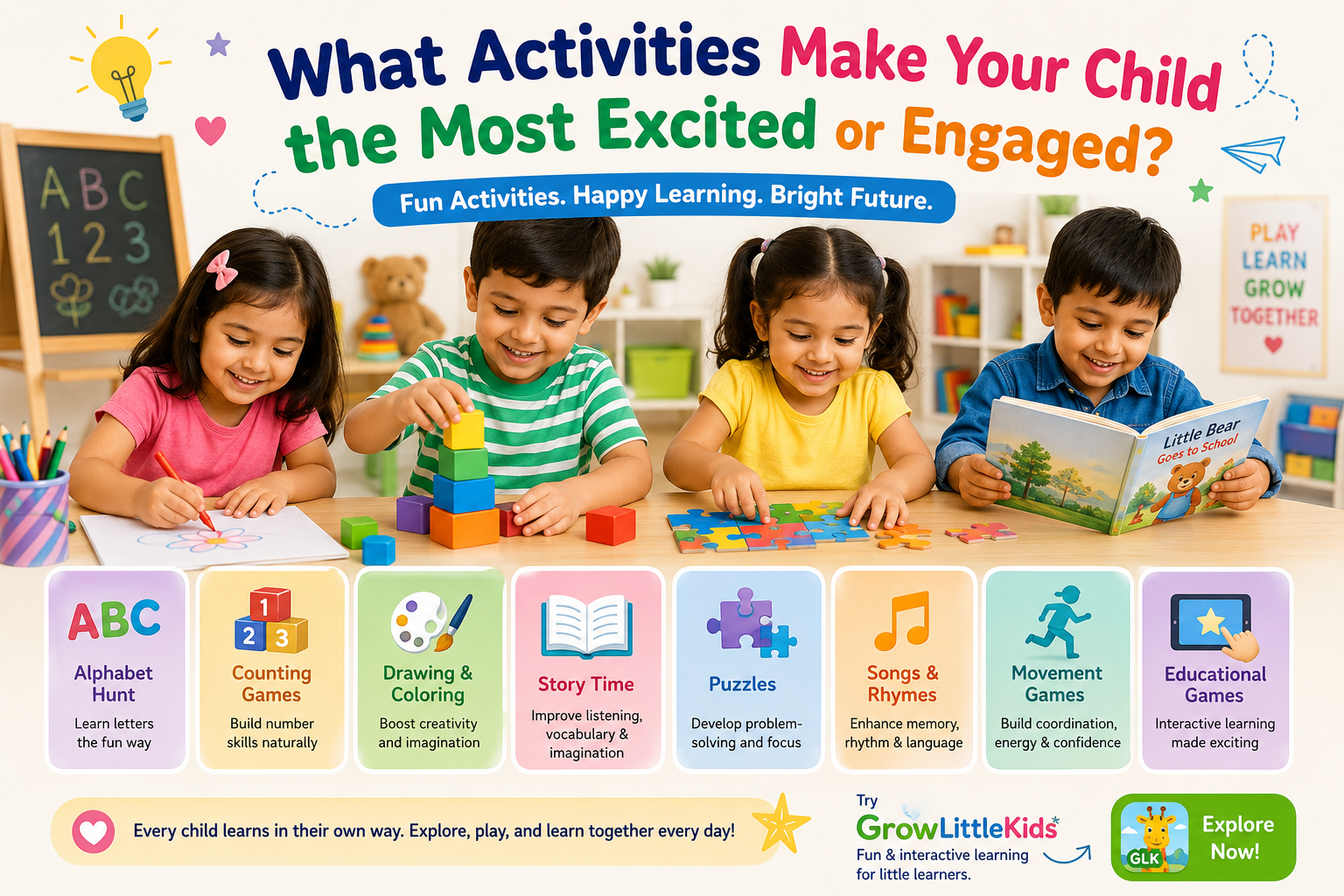
GrowLittleKids offers guided number tracing with fun animations and sound effects, making it feel like a game rather than practice. When kids enjoy the activity, they willingly repeat it — and repetition is how math skills stick.
What Math Skills Should Preschoolers Know?
By the time children enter kindergarten (around age 5–6), they should ideally be able to:
- Count to at least 10 (ideally 20)
- Recognize written numbers 0–9
- Understand concepts like "more," "less," and "equal"
- Identify basic shapes (circle, square, triangle, rectangle)
- Sort objects by one or more attributes
- Understand simple patterns (red, blue, red, blue, ...)
If your child can do most of these, they're off to a great start. If not — no stress. Every child develops at their own pace, and consistent, playful exposure is the best way to build these skills.
How GrowLittleKids Supports Early Math
The GrowLittleKids app includes dedicated math games designed for children aged 3–6. From interactive counting activities to number tracing, shape recognition, and pattern-matching puzzles — every module is designed to build mathematical thinking through play.
It's completely free, works offline for many features, and is trusted by families across India. Download it today and let your child discover that math can be fun! 🌟