How Tracing Animals Builds Creativity and Fine Motor Skills
There is a quiet magic in watching a child trace their first elephant. The tip of the crayon hovers, then lands. The small hand follows the curve of a trunk, the slope of a back, the jagged edge of tusks. To an adult, it may look like simple copying. But beneath that focused expression, something powerful is happening. Neurons are firing. Muscles are strengthening. And a door to creative confidence is creaking open.
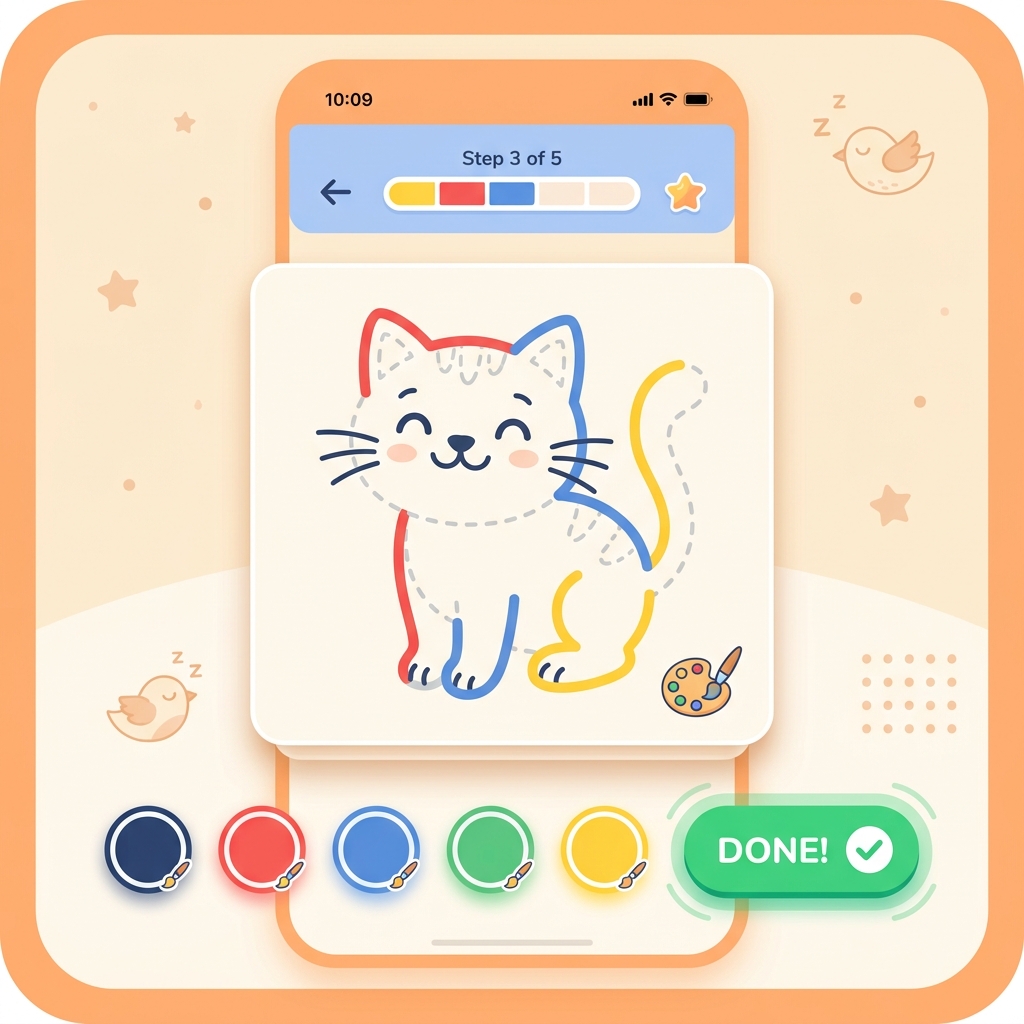
Tracing animals is one of the most effective and enjoyable ways to support preschool development. It combines the precise hand control needed for future writing with the imaginative engagement that fuels artistic expression. Unlike rigid worksheets or repetitive drills, animal tracing invites children into a world of storytelling, color, and personality. The giraffe they trace today becomes the star of tomorrow's jungle adventure.
At GrowLittleKids, we see tracing not as a preliminary step to real art, but as a legitimate, valuable practice in its own right. It teaches control without crushing spontaneity. It builds muscle memory while leaving room for invention. This guide explores exactly how tracing animals develops fine motor skills, sparks creativity, and lays the groundwork for academic success—and how you can make it a joyful part of your child's routine.
What Is Tracing, and Why Animals?
Tracing is the act of drawing over a pre-existing line or shape. It requires the child to coordinate their hand movement with visual input, following a path that is already laid out. This seemingly simple task demands sustained attention, controlled pressure, and continuous adjustment—precisely the skills that underpin handwriting, drawing, and tool use.
So why animals specifically? Because animals are universally fascinating to young children. They have recognizable shapes, emotional appeal, and endless narrative potential. A child who traces a fish is not just practicing curves; they are imagining an underwater world. A child who traces a bear is not just working on straight lines; they are picturing a hibernating cave. Animals transform tracing from a mechanical exercise into a story.
Unlike letters and numbers, which carry performance pressure and adult expectations, animals are neutral territory. There is no wrong way for a traced elephant to look. This emotional safety allows children to take risks, make mistakes, and keep trying without fear of failure. That freedom is the soil in which creativity grows.
How Tracing Animals Builds Fine Motor Skills
The physical benefits of tracing are substantial and well-documented. Every stroke strengthens the small muscles of the hands and fingers, improves hand-eye coordination, and refines the visual-motor integration that makes writing possible.
Developing the Tripod Grasp
The tripod grasp—holding a writing tool with the thumb, index finger, and middle finger—is the gold standard for pencil control. Tracing animals provides endless opportunities to practice this grip in a low-stakes, engaging context. The varied lines of animal shapes encourage subtle adjustments in finger positioning, which naturally strengthens the grasp over time.
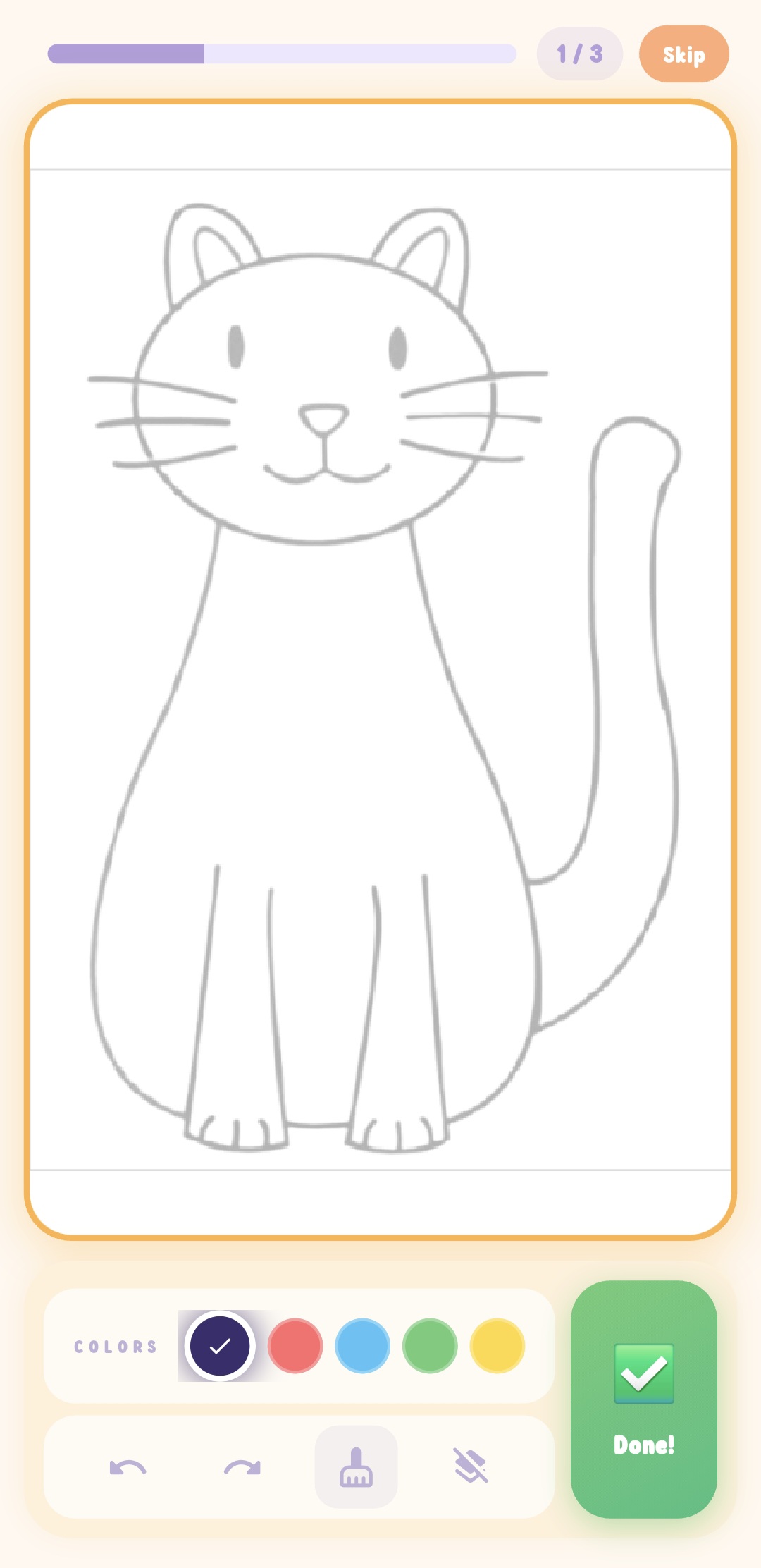
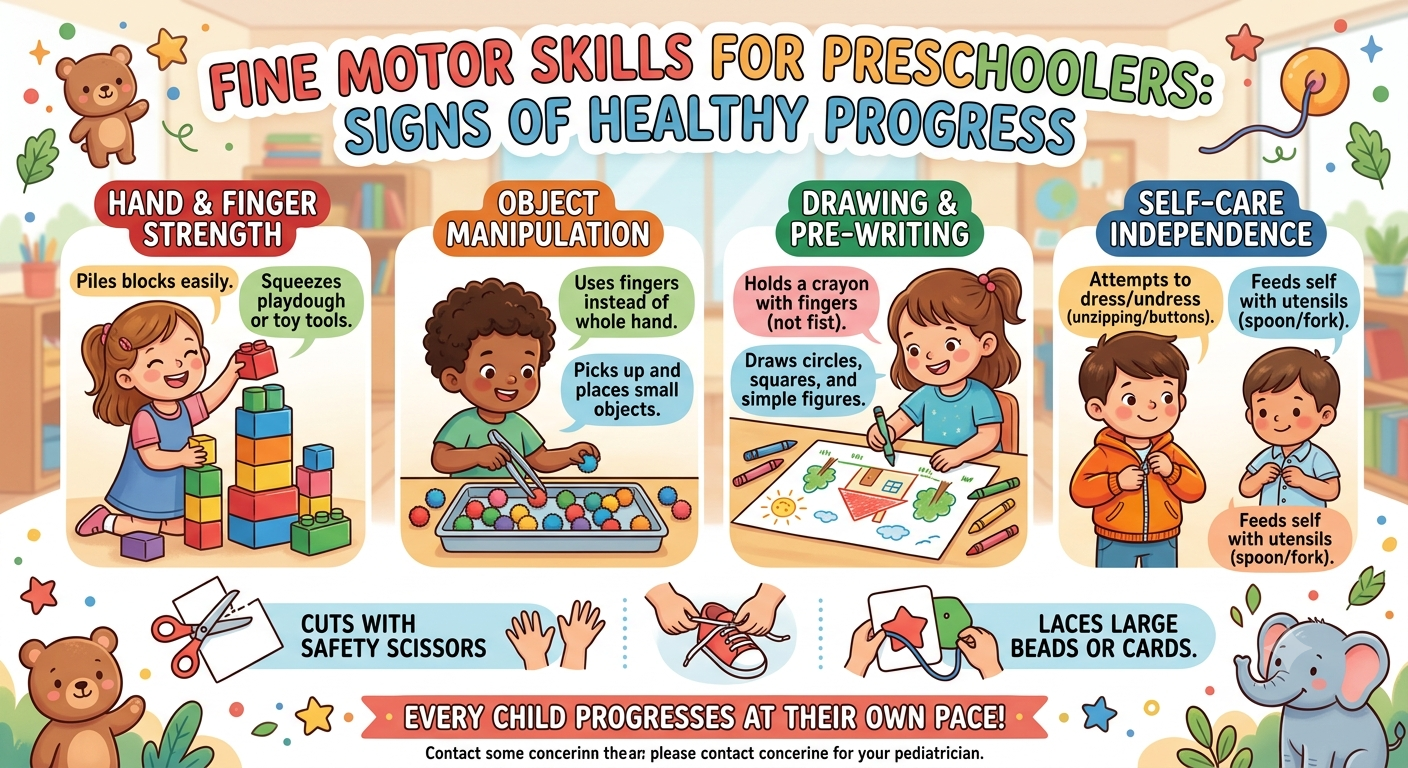
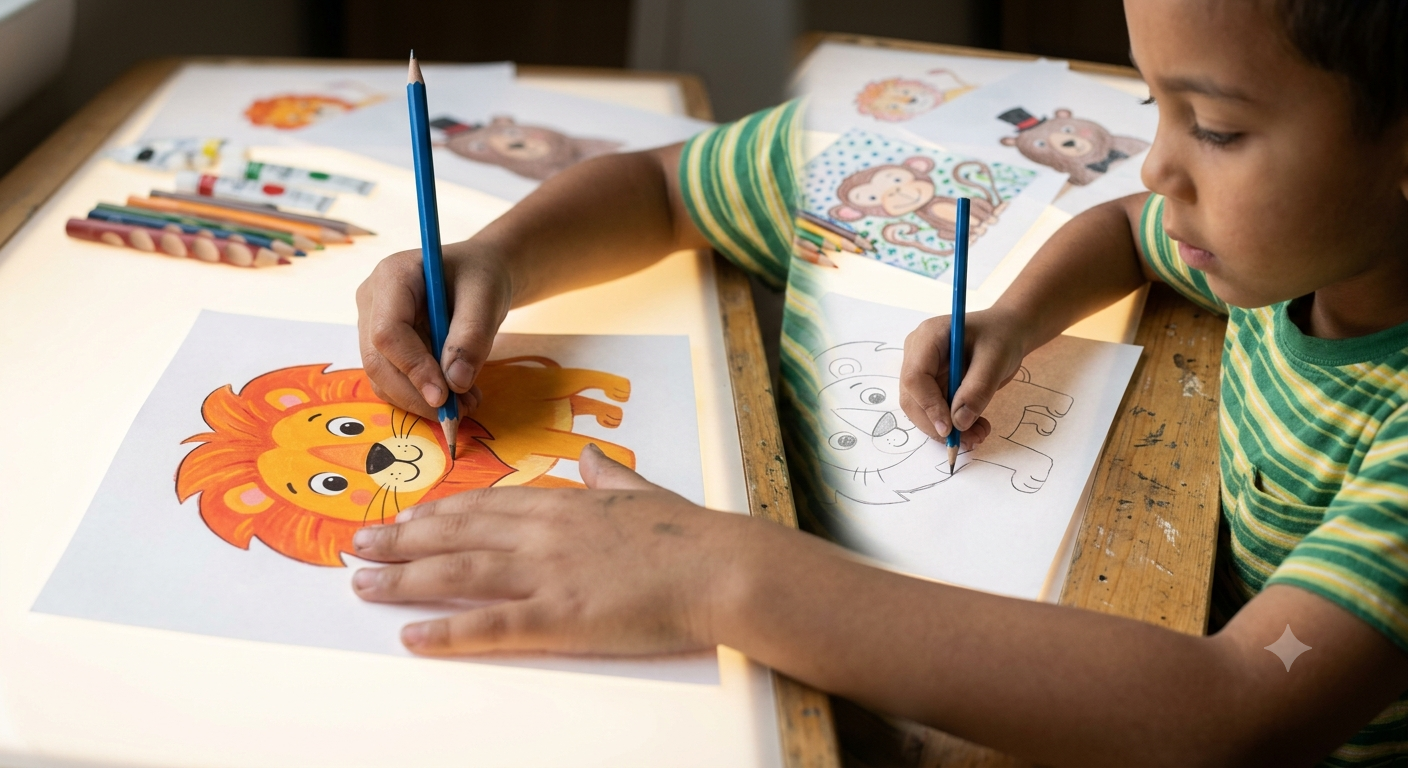
Unlike thick coloring books with large, simple shapes, animal outlines often include thin lines, tight corners, and delicate details that require finer control. A child tracing the wispy whiskers of a cat or the spiky mane of a lion must grip more precisely, adjust pressure more carefully, and move more slowly. These micro-challenges are exactly what young hands need to mature. For a deeper look at healthy fine motor milestones, see our guide on fine motor skills for preschoolers.
Strengthening Hand-Eye Coordination
Tracing demands that the eyes guide the hand in real time. The child must watch the line, predict its direction, and adjust their movement accordingly. This continuous feedback loop strengthens the neural pathways between the visual system and the motor system—the same pathways used when writing letters, cutting with scissors, or tying shoelaces.
Animal shapes are particularly effective because they combine different types of lines in unpredictable sequences. A turtle offers a large oval body followed by short, angled legs. A butterfly presents symmetrical curves that challenge the child to match one side to the other. This variety keeps the brain engaged and prevents the autopilot that can set in with repetitive drills.
Building Bilateral Coordination
When children trace on a flat surface, they naturally use their non-dominant hand to stabilize the paper. This bilateral coordination—using both hands together in complementary roles—is essential for tasks like holding a book while writing, using a ruler, or opening a container. Tracing animals gives children a reason to practice this skill without explicit instruction. The paper drifts; they learn to hold it. The outline is large; they learn to reposition their supporting hand. These small adaptations build automaticity.
Practicing Pressure and Control
Not all lines are created equal. Some animal outlines require light, feathery strokes. Others need firm, continuous pressure. A child tracing the soft outline of a rabbit learns to modulate force in a way that coloring inside a blocky shape does not teach. This pressure control translates directly to writing, where too much force causes hand fatigue and too little produces faint, unreadable letters.
How Tracing Animals Sparks Creativity
Fine motor development is only half the story. The other half is imagination. Tracing animals is not about producing perfect copies. It is about using a structured starting point as a springboard for original thought.
From Outline to Character
Once the outline is complete, the real creativity begins. Children add stripes to their zebra, spots to their leopard, or a crown to their lion. They draw habitats, families, and adventures. The traced shape becomes a character in an unfolding story. This narrative extension transforms a motor exercise into an expressive act.
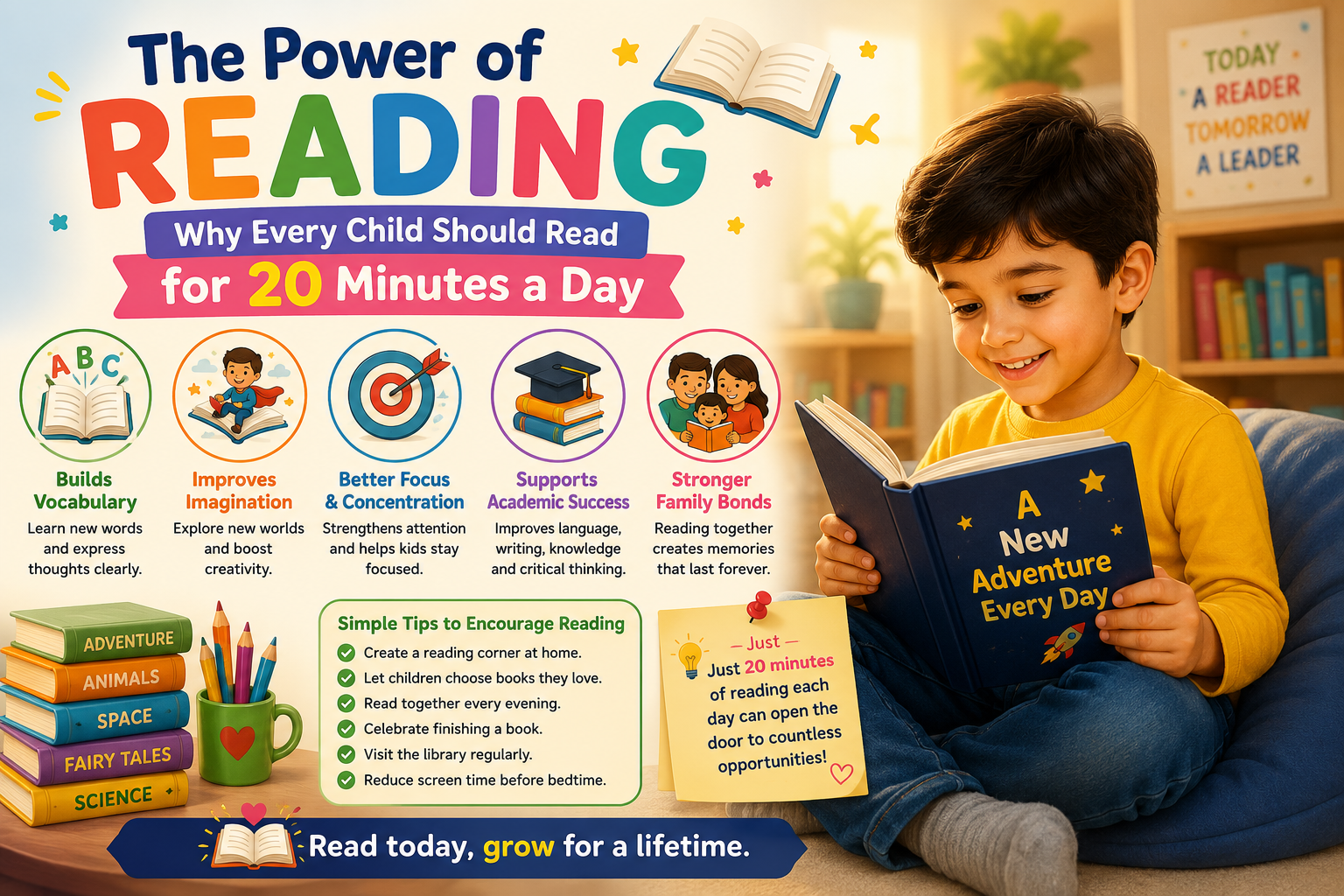
Research in early childhood education consistently shows that children who engage in representational drawing—creating images that stand for something in their minds—develop stronger symbolic thinking skills. Symbolic thinking is the foundation of literacy and numeracy. When a child understands that a squiggly line can represent a snake, they are one step closer to understanding that a squiggle on a page can also represent the sound "s." Much like reading aloud builds a child's inner world of stories, tracing and illustrating animals develops the narrative imagination that supports early literacy. Our post on the power of reading: why every child should read for 20 minutes a day explores how stories shape young minds.
Encouraging Artistic Risk-Taking
Blank pages intimidate young children. The freedom to draw anything often paralyzes them. Tracing provides a gentle scaffold: the shape is already there, so the child cannot fail at the basic structure. This safety net encourages them to experiment with color, pattern, and background elements they might never attempt on a blank canvas.
Over time, this experimentation builds what psychologists call creative self-efficacy—the belief that "I can make something interesting." That belief is far more predictive of long-term artistic engagement than raw talent. A child who feels capable will draw again tomorrow. A child who feels inadequate will avoid the crayon box entirely.
Supporting Visual Literacy
Tracing animals also teaches children to observe the world more carefully. They notice that elephants have thick, pillar-like legs while flamingos have thin, knobby ones. They see that fish tails taper to a point while whale tails spread wide. This close attention to visual detail is a form of visual literacy—the ability to read and interpret images—which is increasingly important in our image-rich world.
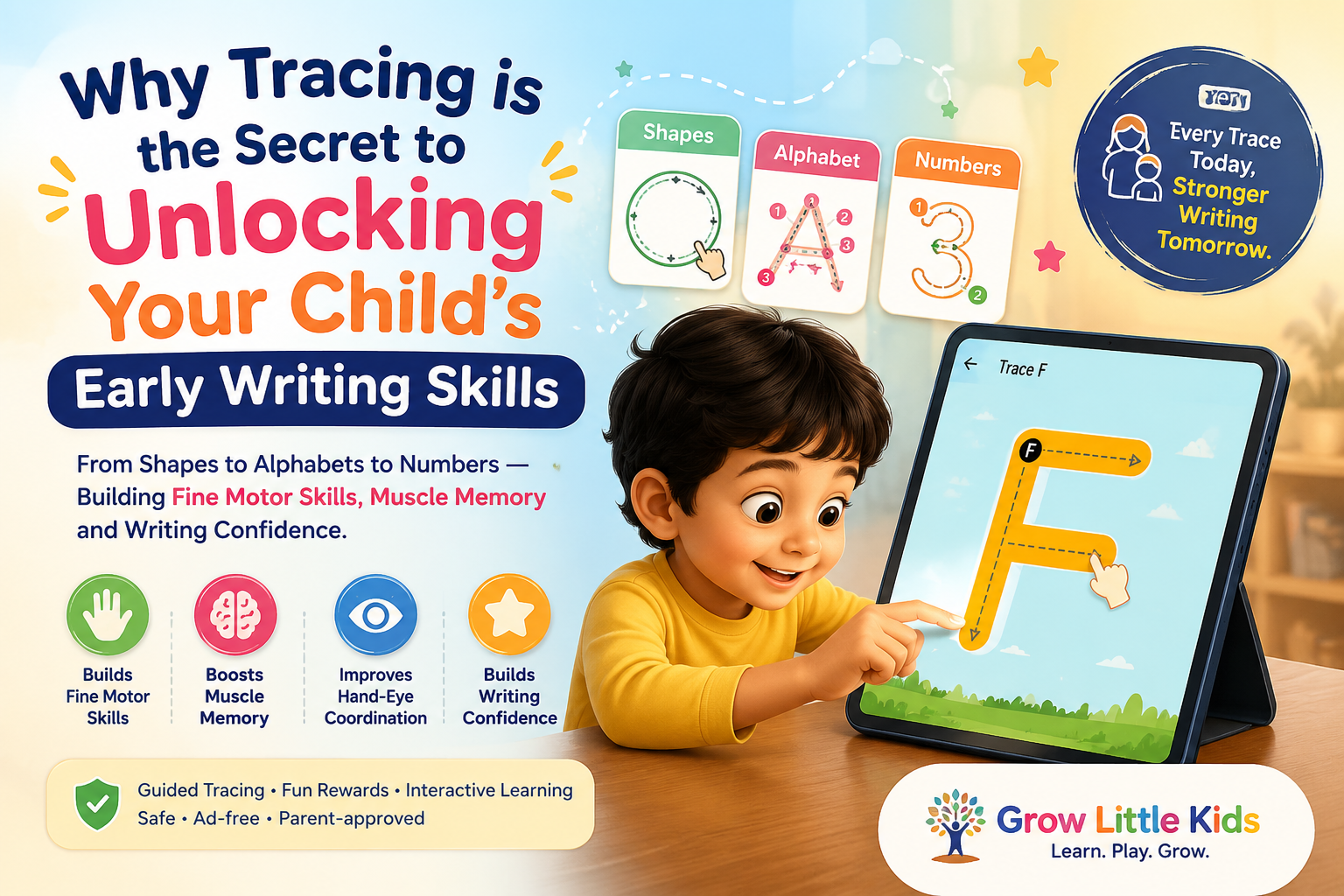
When children trace, they are not just copying lines. They are internalizing proportions, textures, and forms. This visual vocabulary becomes the raw material for their own future drawings, sculptures, and designs. Our article on why tracing is the secret to unlocking early writing skills explores this connection between visual observation and literacy in more depth.
Age-Appropriate Animal Tracing Activities
Tracing should grow with your child. What works for a three-year-old will bore a five-year-old and frustrate a two-year-old. Here is how to tailor animal tracing to different developmental stages.
Ages 2 to 3: Sensory and Large Motor Tracing
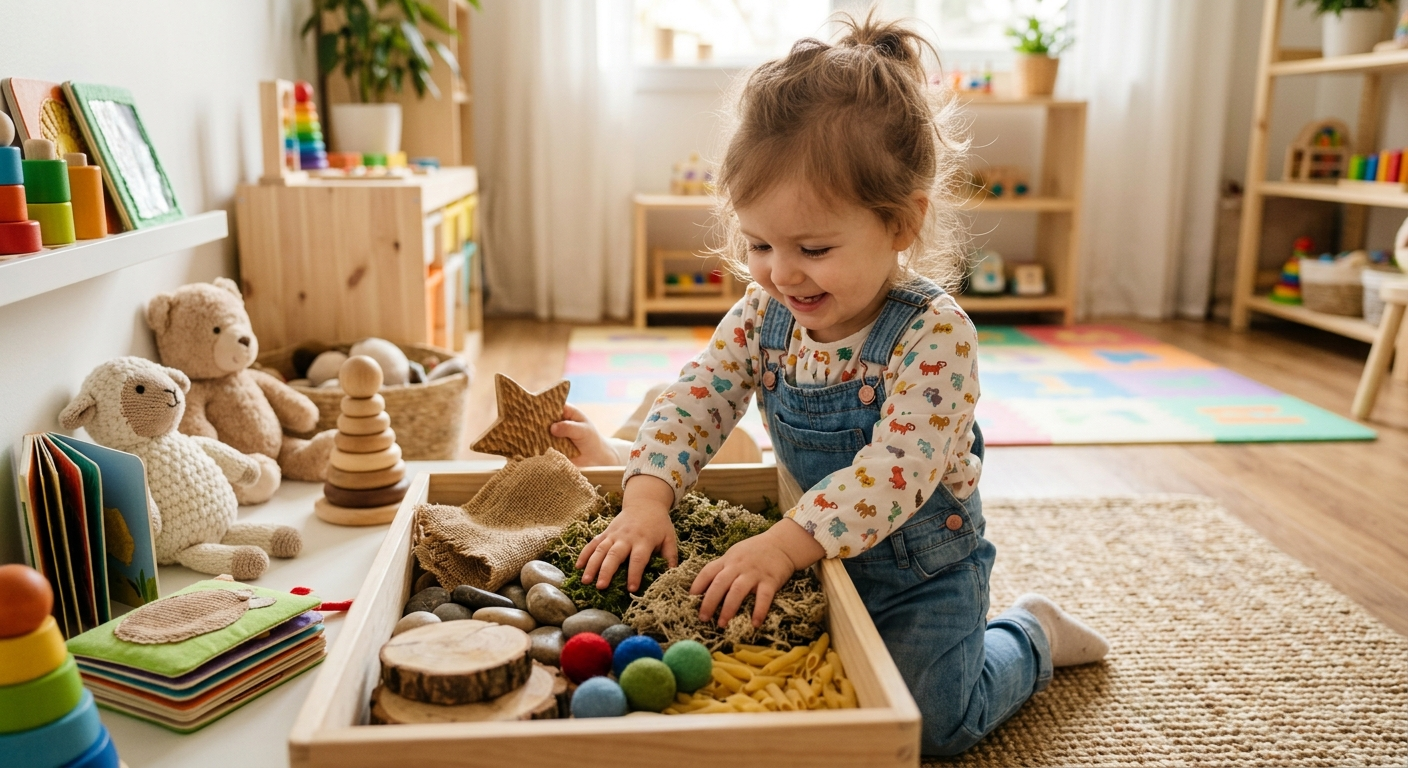
At this age, children are not ready for pencil-on-paper tracing. Instead, offer large-scale sensory experiences that introduce the concept of following a path:
- Draw animal shapes in shaving cream or sand and let your child trace with a finger
- Use painter's tape to create a large animal outline on the floor and have your child walk along it
- Place a simple animal stencil on paper and let your child scribble over it with a chunky crayon
The goal is not precision. It is exposure to the idea of following a boundary and connecting hand movement to a visual guide.
Ages 3 to 4: Simple Outlines and Storytelling
Preschoolers at this stage can begin tracing printed outlines with thick crayons or markers. Choose animals with bold, simple shapes: whales, elephants, bears. Encourage them to name the animal, make its sound, and tell a one-sentence story about where it lives.
- Print large animal outlines on cardstock for easier handling
- Use triangular crayons that naturally promote a tripod grasp
- Keep sessions short—five to ten minutes is plenty
Ages 4 to 5: Detailed Tracing and Pattern Work
As fine motor control improves, introduce animals with more detail: birds with feathered wings, insects with segmented bodies, fish with patterned scales. Challenge children to add their own patterns inside the traced outline—stripes, dots, zigzags.
- Offer fine-tip markers or colored pencils for more precise work
- Introduce connect-the-dot animal puzzles as a variation
- Encourage tracing with both hands to build bilateral dexterity
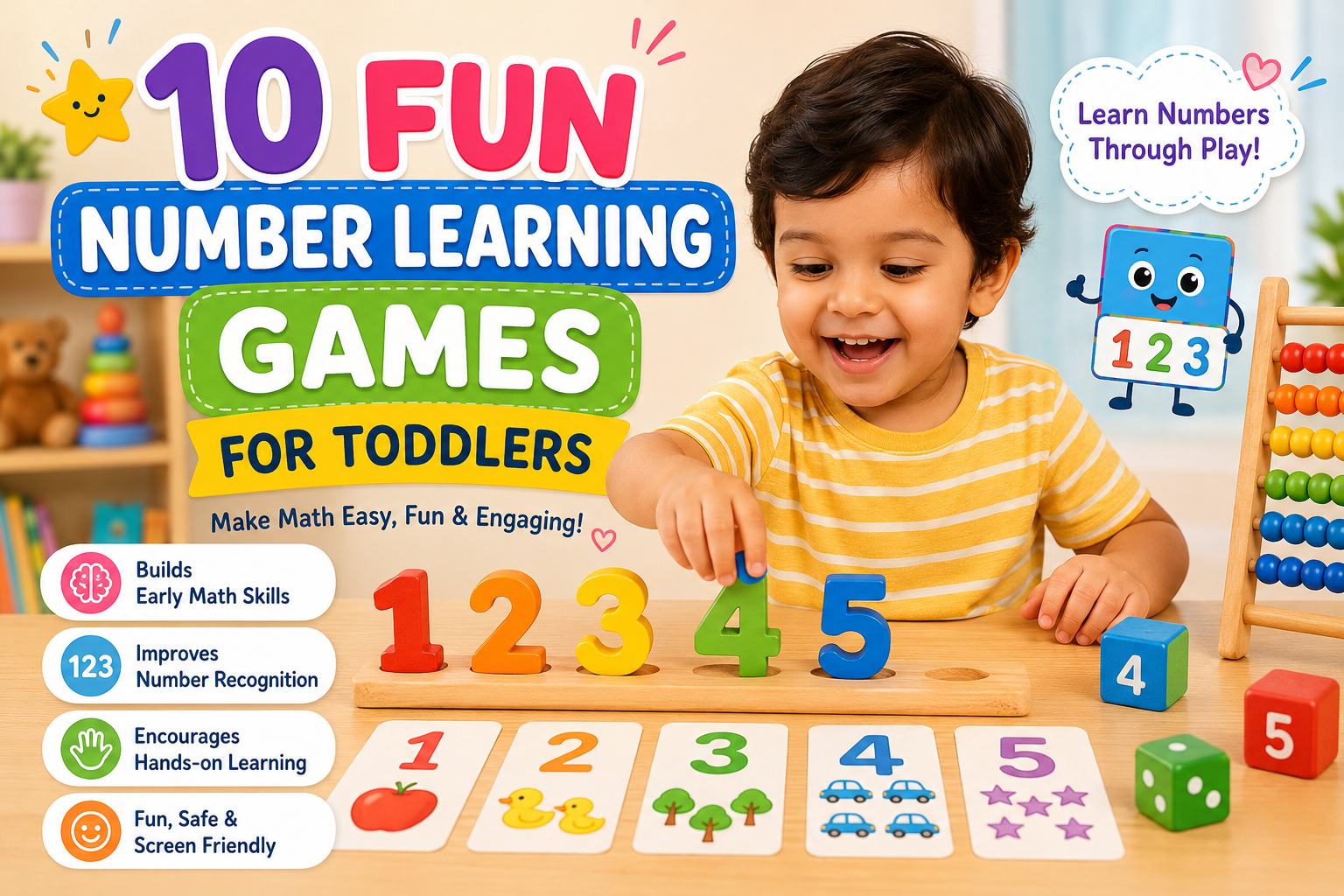
This is also an ideal time to pair tracing with early literacy and numeracy. Our guide on fun ABC learning activities for toddlers shows how to combine animal themes with letter recognition, while our article on how to teach numbers to preschoolers — fun counting activities that actually work offers playful ways to count spots, stripes, and legs during art time.
Age 5 and Beyond: Independent Drawing and Design
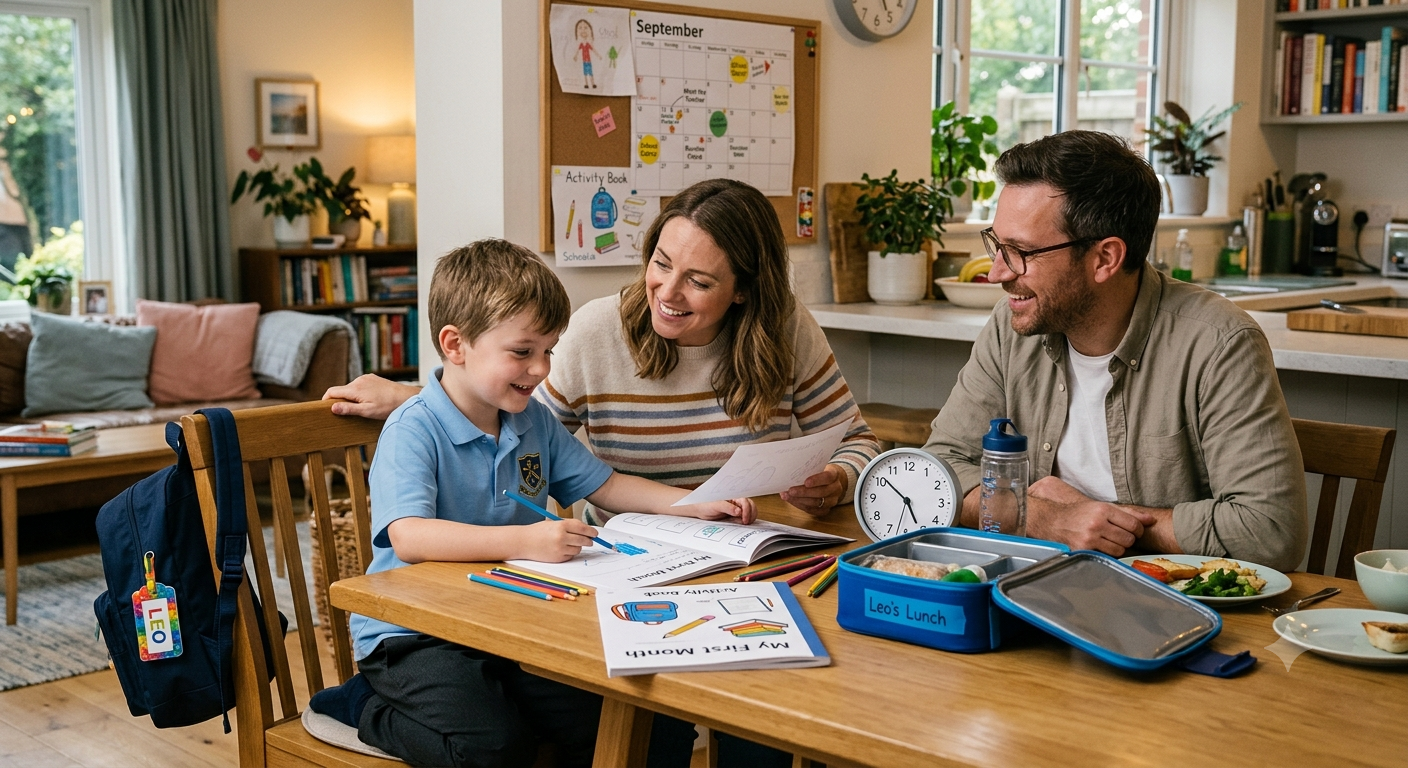
By age five, many children can use traced animals as a base for original artwork. They might trace a basic dinosaur shape, then add spikes, claws, and a volcanic background entirely from imagination. At this stage, tracing becomes a tool rather than a task—a starting point for complex creative projects. As your child approaches kindergarten, you may also want to prepare for the emotional and practical transition ahead. Our guide on what parents should focus on during the first month of school offers strategies for a confident start.
- Provide blank paper alongside tracing sheets so children can extend their ideas
- Introduce light tables or windows for tracing their own drawings
- Encourage mixed-media work: trace, then paint, collage, or stamp
Tips for Making Animal Tracing Fun and Effective
The best tracing activities feel like play, not practice. Here is how to keep the joy alive while maximizing developmental benefits.
Follow Their Interests
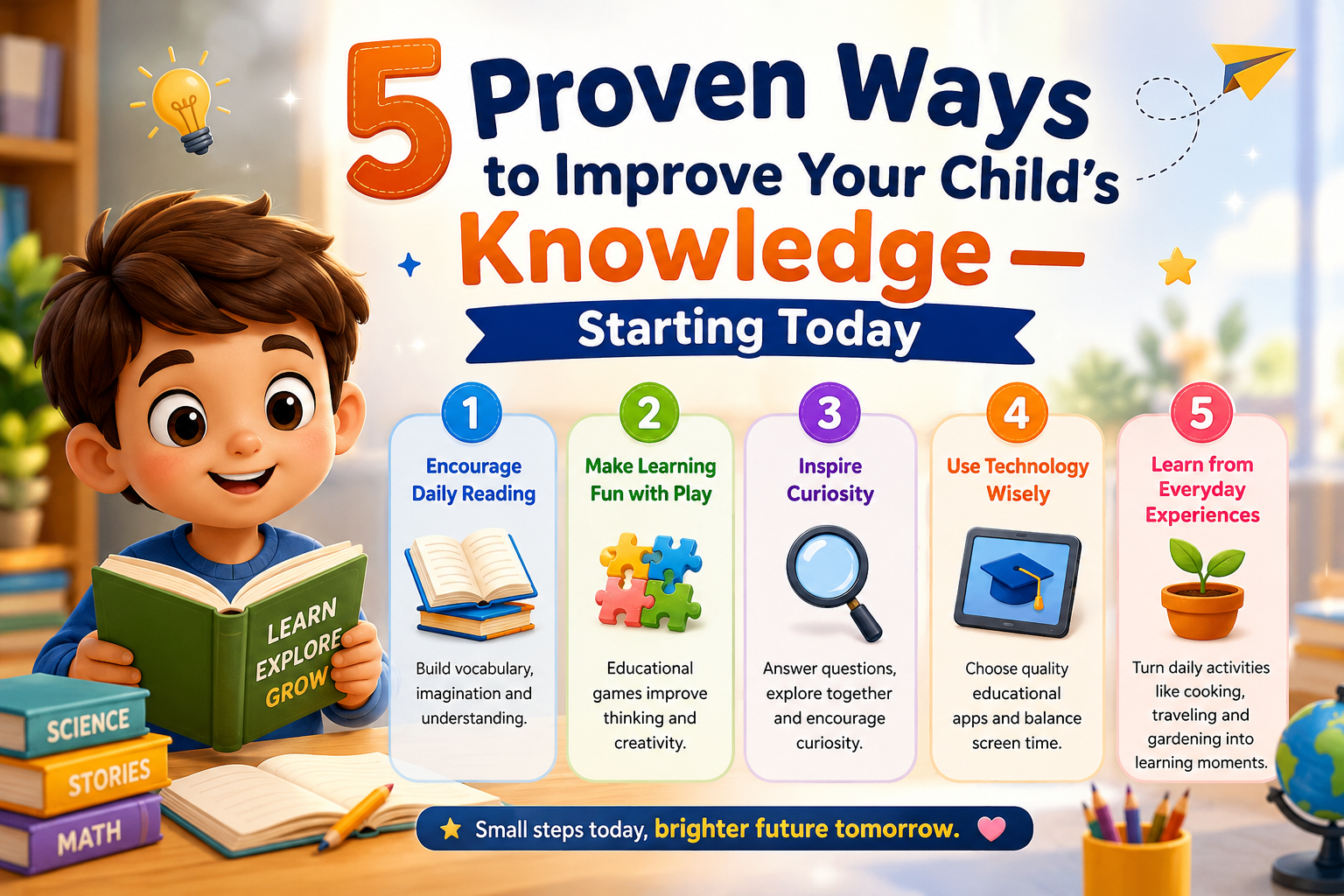
If your child is obsessed with sharks, print shark outlines. If they love farm animals, create a barnyard tracing book. Interest-driven learning produces deeper engagement and better motor outcomes than generic assignments. A child who cares about the subject will trace longer, focus harder, and persist through mistakes. Building these small, joyful learning moments into your daily routine is one of the most powerful ways to expand your child's knowledge and curiosity. For more ideas, explore our guide on 5 proven ways to improve your child's knowledge — starting today.
Rotate Materials
Crayons, colored pencils, gel pens, chalk, and finger paint all produce different sensory feedback and require slightly different grips. Rotating materials keeps tracing novel while building versatile motor skills. Just ensure the tool is age-appropriate—small beads and tiny pencils frustrate young hands.
Make It Social
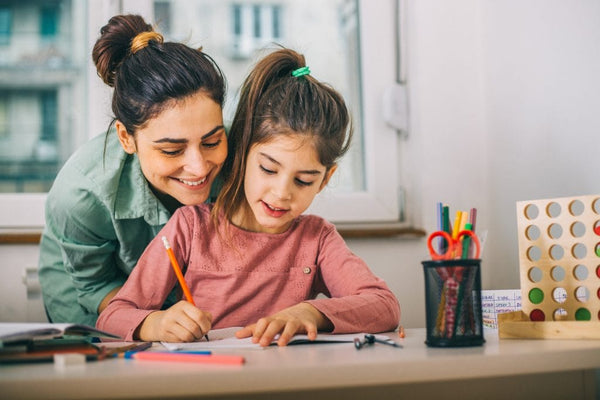
Tracing alongside your child sends a powerful message: this activity is worth doing together. You do not need to be an artist. Your presence, commentary, and shared enjoyment matter more than your skill level. Try tracing the same animal and comparing your versions. Laugh about your wobbly lines. Model that imperfection is part of the process.
Display the Work
Children take pride in displayed artwork. Tape traced animals to the refrigerator, string them across a window, or photograph them for a digital album. This validation reinforces effort and encourages repetition. Just avoid excessive praise focused on talent—"You are so artistic!"—and instead highlight effort and detail: "I notice you worked really hard on those tiger stripes."
Connect to the Real World
After tracing a butterfly, visit a garden. After tracing a whale, watch a nature documentary. These connections deepen learning and remind children that art is a way of engaging with the world, not just an indoor activity. If you are looking for more ways to blend hands-on play with learning, our article on 5 everyday activities that build early math skills in preschoolers includes nature-based counting and sorting ideas that pair beautifully with animal themes.
Create a Dedicated Art Space
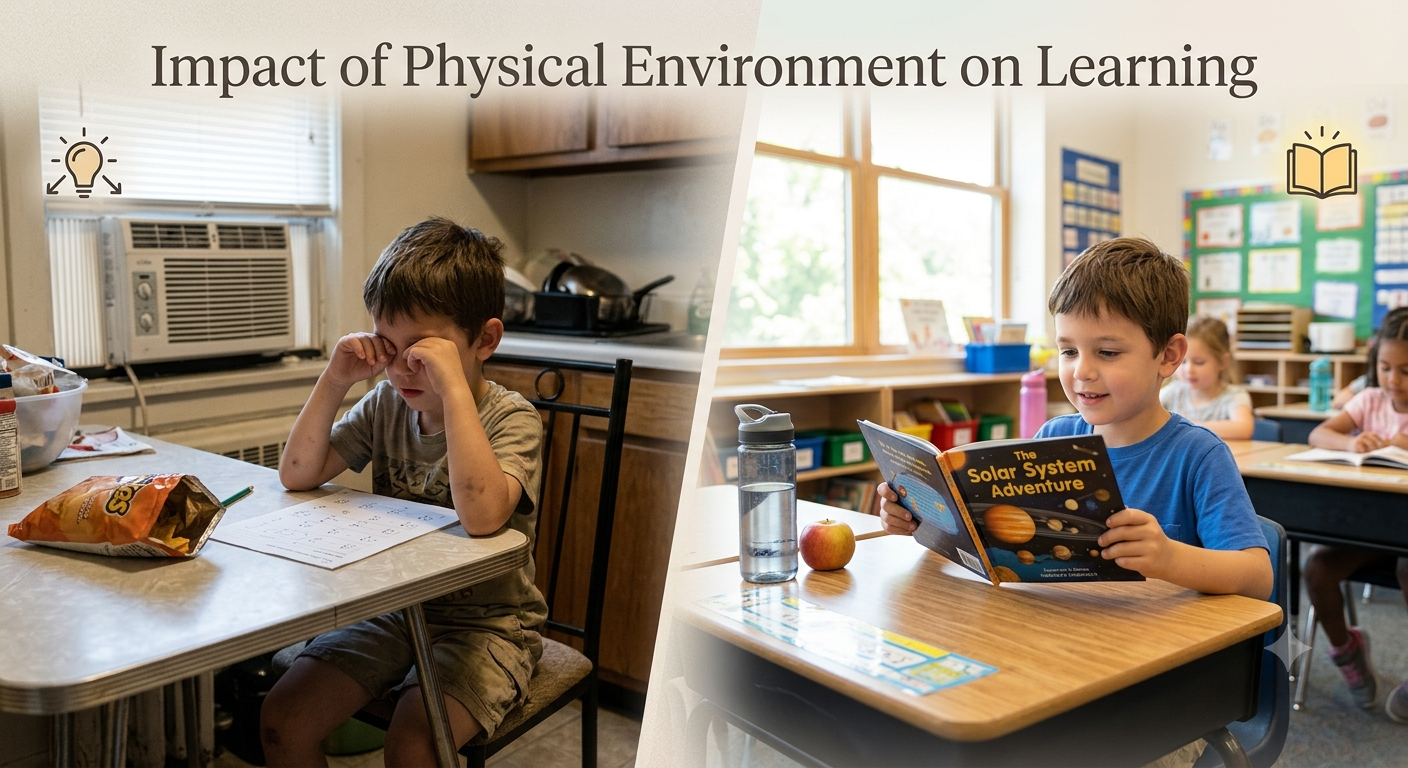
Where your child traces matters almost as much as what they trace. A small table with good light, accessible materials, and minimal distractions signals that creative work is valued here. When children have a consistent place for art, they are more likely to initiate tracing on their own. For guidance on setting up a brain-friendly learning environment, see our article on how a child's physical environment affects their ability to learn.
The Bridge from Tracing to Writing
Tracing animals is not a diversion from learning to write. It is a direct preparation for it. The same muscles, neural pathways, and cognitive strategies used to trace a giraffe's neck are used to form the letter G. The same visual tracking used to follow a fish tail is used to track a line of text.
Children who trace regularly develop:
- Left-to-right and top-to-bottom directionality—the same patterns used in reading and writing English
- Spatial planning—understanding how much space a shape needs and how to position it on the page
- Letter-like shape formation—curves, angles, loops, and lines that appear in both animal outlines and alphabet letters
- Stamina—the ability to sustain fine motor effort for longer periods without fatigue
When children eventually transition to writing letters, they are not starting from zero. They are transferring a rich set of practiced skills to a new context. That transfer feels easier and less intimidating because the underlying mechanics are already familiar. For parents looking to understand the full arc from tracing to independent writing, our detailed guide on why tracing is the secret to unlocking early writing skills maps out the progression step by step.
Red Flags: When Tracing Reveals a Deeper Concern
Tracing is a useful diagnostic tool as well as a teaching tool. How a child approaches an outline can reveal strengths and struggles that might otherwise go unnoticed. Consider consulting an occupational therapist or pediatrician if your child:
- Cannot hold a crayon or marker with any consistent grasp by age 4
- Shows extreme frustration, avoidance, or distress when asked to trace even simple shapes
- Traces with excessive force that tears the paper, or so lightly that the line is barely visible
- Demonstrates significant hand tremor or inability to follow a visible line
- Consistently traces off the line by a wide margin despite repeated attempts
- Has trouble crossing the midline of the body (e.g., cannot trace the left side of a paper with the right hand)
These signs do not mean something is wrong. They simply suggest that your child might benefit from targeted support to build the underlying skills that make tracing—and later writing—more comfortable. Early intervention is gentle, effective, and empowering.
The Long-Term Impact of Creative Tracing
The benefits of tracing animals extend far beyond preschool. Children who develop strong fine motor skills and creative confidence early are better prepared for the academic demands of elementary school. They write more legibly, draw more expressively, and approach art assignments with enthusiasm rather than dread. This is why the early years—and quality early education—matter so profoundly. Our article on 4 reasons why preschool education is important explains how structured early learning supports long-term success.
But the impact is broader than academics. Tracing teaches children that they can improve with practice. It shows them that structured support—an outline, a guide, a model—does not limit creativity; it enables it. This lesson transfers to music, sports, mathematics, and any domain where beginners need scaffolding to reach competence.
Perhaps most importantly, tracing animals preserves the joy of making. In a world that increasingly pressures children to produce correct answers quickly, tracing offers a space where process matters more than product, where a wobbly elephant is still a triumph, and where every finished page is a reminder that they are capable creators.
For parents interested in nurturing the whole child—motor skills, creativity, and learning habits together—our comprehensive guide on how to build strong learning habits before age 8 offers a framework for building these capacities in harmony rather than isolation.
Final Thoughts
Tracing animals is one of those rare activities that checks every box. It strengthens the hands. It sharpens the eyes. It quiets the mind into focus. And it invites the imagination to run wild. All you need is a simple outline, a willing hand, and a child who loves creatures great and small.
You do not need expensive kits or printable subscriptions. You can draw your own rudimentary animals on scrap paper. You can trace shadows cast by toy dinosaurs. You can finger-paint a snake in yogurt on a highchair tray. The medium matters far less than the message: your hand can follow your eye, your mind can fill the outline with life, and you are becoming someone who creates.
At GrowLittleKids, we believe that every traced paw print is a step toward confident, capable learning. For more expert tips on early development, creative activities, and school readiness, visit our full blog.