The Morning Routine Battle: Why Nagging Never Works with Toddlers ⏰
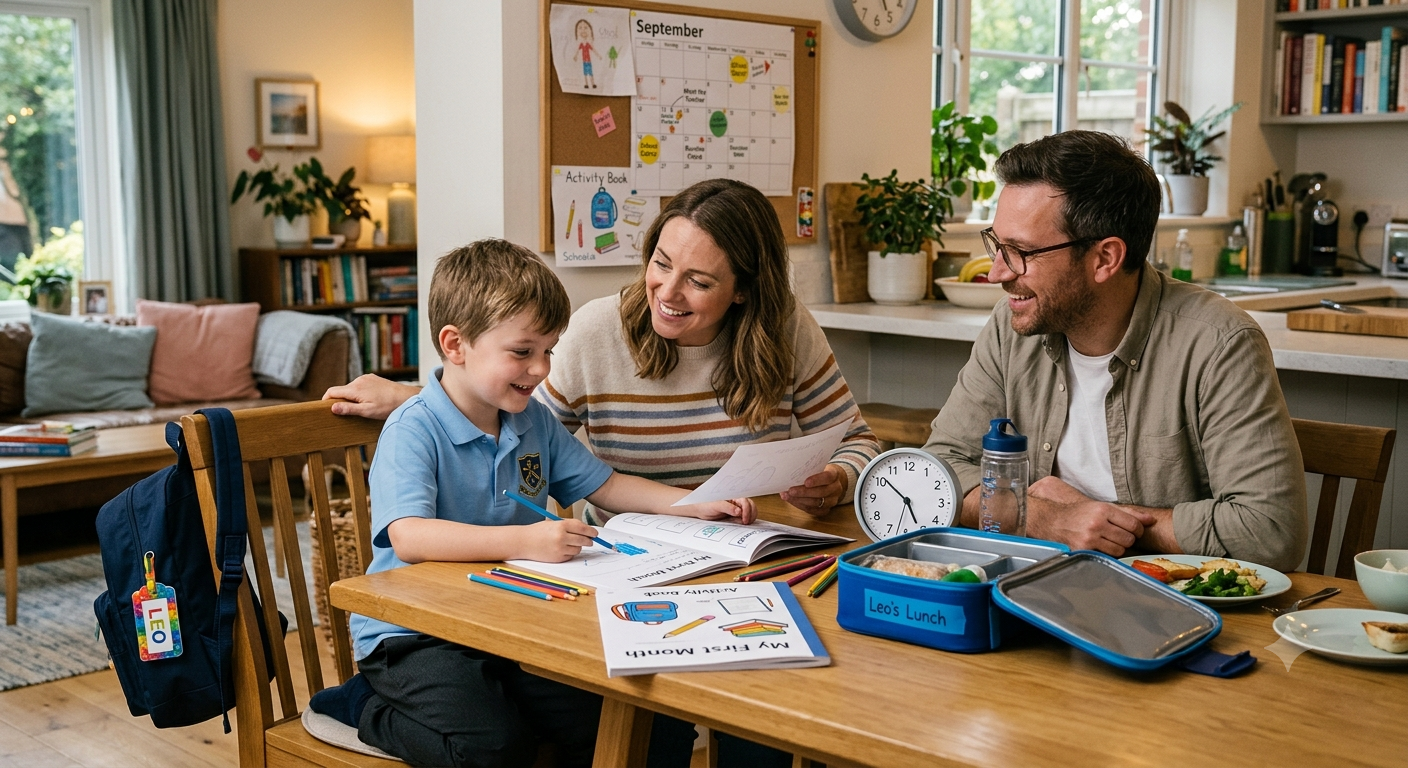
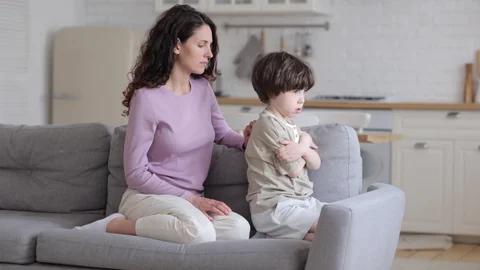
Every parent has lived this exact morning scene: It is 7:30 AM, breakfast is on the table, school departure is in twenty minutes, and you are repeating yourself for the fifth time: "Did you brush your teeth? Have you washed your hands? Where are your shoes?"
To adults, brushing teeth, washing hands before meals, and putting toys back into their bins are automatic, non-negotiable hygiene tasks. But to a 3- or 4-year-old child, these routines feel like boring interruptions to their imaginative world. When parents rely on continuous verbal reminders and nagging, it often triggers resistance, tantrums, or passive avoidance.
Early childhood psychologists and pediatric occupational therapists agree: children do not learn lifelong habits through verbal lectures — they learn through tactile exploration, physical imitation, and playful gamification. When daily routines are paired with hands-on fine motor interactions, children transition from reluctant followers to proud, independent doers.
The Neuroscience of the "Press & Hold" Gesture: Why Long-Press Teaches More Than Quick Taps 🧠🖐️
In modern digital children's apps, the vast majority of interactions rely on quick, mindless single-finger tapping. A child taps a screen rapidly, colors explode, and they instantly move to the next stimulation trigger without absorbing the purpose of the action.
In the GrowLittleKids daily habits & motor skills module, we introduced a transformative interactive mechanic: the "Click & Hold" (Long-Press) action. When practicing habits like "Brush Your Teeth" or "Wash Your Hands," children must press down on the interactive button and hold it steadily to keep the animation running — moving the toothbrush over the teeth or rubbing foamy soap bubbles across little hands until the routine is complete.
This single design choice delivers profound developmental benefits for toddlers and preschoolers:
1. Building Isometric Finger & Hand Muscle Strength ✊
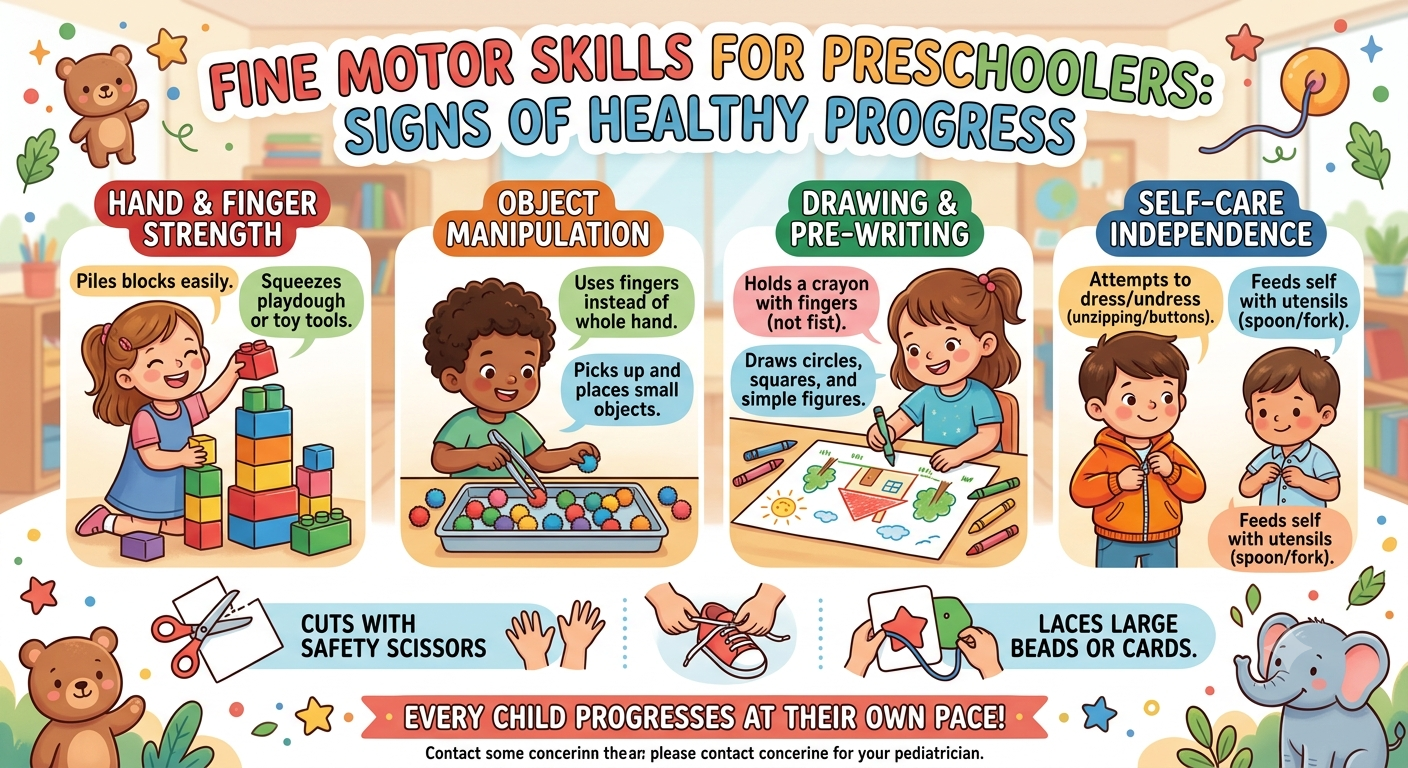
Holding down a button or dragging an object requires sustained isometric finger pressure. This directly exercises the intrinsic hand muscles, develops the thumb-finger web space, and strengthens the palmar arch — the exact physiological foundations a child needs for proper pencil grip, using safety scissors, and buttoning their shirts. To learn more about motor milestones, explore our in-depth guide on fine motor skills for preschoolers and signs of healthy progress.
2. Teaching Duration & Patience (The 2-Minute Toothbrush Rule) ⏳
Real-life habits take time. You cannot brush your teeth in 1 second, nor can you wash germs away with a half-second rinse. By requiring children to hold the button down while watching the sparkling clean progress meter fill up, children internalize the concept of sustained effort and time duration in a tangible, rewarding way.
3. Cultivating Mindful Intent Over Impulsive Tapping 🎯
Rapid tapping is an impulsive reflex; maintaining a steady press is a conscious, intentional choice. The "hold" gesture trains the prefrontal cortex to practice sustained attention and inhibitory impulse control — essential executive functioning skills that prepare children for structured classroom learning.
5 Essential Daily Habits Made Fun Through Interactive Motor Learning 🌟
1. 🦷 "Brush Your Teeth" — The Sparkle Tooth Quest
Brushing teeth is often the #1 battleground in early parenting. Toddlers either refuse to open their mouths, bite the bristles, or swallow sweet toothpaste after three seconds. In the GrowLittleKids interactive habit module, children control the toothbrush by pressing and holding the button.
As they hold down the brush button, cheerful sounds play, colorful plaque monsters disappear, and teeth turn shiny white with celebratory stars! Children see the direct cause-and-effect relationship: "When I keep holding and brushing, the germs go away!" When it is time to brush in the bathroom, parents simply echo the game: "Let's hold our brush and find the sparkle stars, just like in our app!"
2. 🧼 "Wash Your Hands" — The 20-Second Bubble Scientist
Children touch everything — playground sand, pet fur, floor dust, and shoe soles — and then immediately reach for a snack. Learning proper hand hygiene with soap and warm water is critical for health.
Through interactive hold-and-lather mechanics, kids practice holding the soap dispenser, scrubbing between fingers, and rinsing away bubbly germs. This turns handwashing from a boring bathroom chore into a fun science experiment they want to replicate at the real sink.
3. 🧸 "Tidy Up Toys" — The Sorting & Responsibility Habit
Cleaning up toys after playtime teaches spatial organization, categorisation, and civic responsibility. In our habit practice games, children use drag-and-hold gestures to sort building blocks, teddy bears, and puzzle pieces back into their designated storage baskets.
This reinforces the psychological rule: "Every toy has a home." Practicing this digitally helps children visualize neat spaces, making real-life cleanup routines significantly smoother. For deeper insights on nurturing lasting routines, check out our guide on how to build strong learning habits before age 8.
4. 🪴 "Water the Plants & Care for Nature" — Nurturing Empathy
Empathy is a muscle that must be exercised daily. By holding down the watering can button to nurture a drooping flower until it blooms and attracts friendly bees and butterflies, children connect gentle physical actions with giving life to nature. This builds a natural bridge to real-world conservation, as explored in our guide on how kids and families can save trees and our feature on caring for birds and animals.
5. 🌙 "Bedtime Calm & Goodnight Routine" — Winding Down Without Meltdowns
Bedtime resistance often stems from difficulty transitioning from hyper-stimulating activities to quiet darkness. Our gentle bedtime habit module guides children through dimming the lights, putting their digital animal friends to sleep, and listening to soothing audio cues. This prepares their nervous system for restorative sleep naturally.
Traditional Nagging vs. Interactive "Hold & Learn" Habit Building 🔄
| Daily Routine Dimension | Traditional Verbal Nagging ❌ | Interactive "Hold & Learn" Habit ✅ |
|---|---|---|
| Child's Motivation | Fear of scolding or external pressure; high resistance | Intrinsic curiosity, gamified mastery, and pride |
| Motor Engagement | Zero motor reinforcement; passive hearing | Active isometric finger hold & fine motor control |
| Concept of Duration | Abstract ("brush for 2 minutes" means nothing to a toddler) | Visual progress bar tied directly to physical hold duration |
| Emotional Tone | Parental exhaustion, repetitive sighs, and daily power struggles | Joyful celebrations, cheerful confetti, and cooperative play |
| Long-Term Retention | Forgotten as soon as parent stops reminding | Deep neural patterning stored through multi-sensory practice |
The Step-by-Step Daily Habit Blueprint: From Morning Sun to Bedtime Moon 🌅🌙
Phase 1: The Morning Kickstart (7:00 AM – 8:30 AM)
- 1. Big Stretch & Drink Water: Wake up sleepy muscles and hydrate the brain.
- 2. The 2-Minute Toothbrush Routine: Put on a favorite toothbrush song, set an hourglass timer, and celebrate sparkling clean teeth.
- 3. Face Wash & Comb Hair: Gentle sensory awakening with cool water and practicing fine motor hair strokes.
- 4. Dress Up & Button Practice: Encourage your child to do at least 2 large buttons or velcro shoe straps independently.
Phase 2: Afternoon Play & Nourishment (12:00 PM – 2:00 PM)
- 1. Pre-Meal 20-Second Handwash: Lathering soap between thumbs, wrists, and fingernails.
- 2. Mindful Eating & Water Sips: Sitting together at the dining table without television screens.
- 3. Toy Bin Sorting: Putting morning craft supplies or blocks into color-coded bins before lunch.
Phase 3: Evening Wind-Down & Gratitude (7:30 PM – 8:30 PM)
- 1. Evening Tooth Brushing & Floss Check: Washing away food particles before bedtime sleep.
- 2. Pajama Change & Toy Goodnight: Giving plush toys a gentle "goodnight hug" in their storage basket.
- 3. 15-Minute Bedtime Story & Day Reflection: Asking: "What made you smile the biggest today?"
5 Fun Hands-On Motor & Habit Games for This Weekend 🎨🧩
1. The "Two-Minute Toothbrush Dance Party" 🎵🪥
Create a dedicated playlist of your toddler's favorite 2-minute rhymes. When the rhyme starts, brushing begins! Move the brush to the rhythm: circles on the back molars, sweeping up and down on front teeth, and a gentle tongue tickle. When the music stops, everyone spits and smiles in the mirror for an official "Sparkle Check."
2. Clothespin Color & Sorting Grasp Challenge 🌈
Clip colored wooden clothespins onto corresponding colored paper plates (red clip on red plate, blue clip on blue plate). Squeezing a clothespin between the thumb and index finger is the ultimate pediatric exercise for developing the pincer grasp needed for pencil holding and handwriting mastery.
3. The "Bubble-Lather Germ Hunter" Handwash Experiment 🧼🦠
Put a tiny drop of washable paint or glitter lotion on your child's hands. Challenge them to wash it off completely using soap and warm water. They will quickly see that a 2-second splash leaves "glitter germs" between fingers and around wrists, proving visually why 20 seconds of thorough lathering is necessary!
4. The Sponge Squeeze & Pour Station 🧽💧
Fill one plastic bowl with water and place an empty bowl next to it. Give your child a kitchen sponge. Have them soak the sponge in the full bowl and squeeze it dry into the empty bowl using both hands. This provides rich tactile sensory input while building finger flexor strength.
5. The 3-Minute "Clean-Up Countdown" Challenge ⏱️🧸
Set a gentle 3-minute kitchen timer and challenge the whole family: "Can we put all 15 building blocks into the bin before the bell chimes?" Gamifying tidying up with an exciting, low-stress countdown turns a mundane chore into an exhilarating team victory. For more playful activity ideas, explore our guide on the power of purposeful play over screen time.
How GrowLittleKids Bridges Digital Play and Real-World Habits 📱🌱
At GrowLittleKids, our goal is never to keep children glued to screens — our mission is to provide safe, high-intent learning tools that inspire healthier real-world habits.
Our dedicated Habits & Personality Building module empowers young learners through:
- ✨ Interactive "Click & Hold" Mechanics: Tactile gesture controls that simulate brushing teeth, washing hands, watering plants, and cleaning up toys.
- 🎉 Positive Reinforcement Celebrations: Encouraging voice narration, colorful confetti, and star badges that boost self-esteem and independence.
- 🔒 100% Free & COPPA-Compliant: Zero paywalls, no predatory ads, and no personal data collection — ever. Read our full commitment in our kids safe learning guide for parents.
- 📴 Offline Usability: Practice routines anywhere — in the car, on flights, or in remote areas without internet.
Looking for fun hand-eye coordination challenges? Try our standalone arcade game Wing Dash Bird, discover our founding story on our About Us page, or check common questions on our FAQ page. If you have feedback or feature suggestions, reach out via our Contact page.
Final Thoughts: Small Daily Habits Create Confident, Independent Kids 🌱
Every time your 3-year-old proudly holds their toothbrush, scrubs their hands without being told, or picks up a stray crayon from the living room rug, they are building something far greater than cleanliness — they are building self-discipline, pride, and personal autonomy.
Let's trade stressful morning battles for playful, hands-on discovery. With patient routines, tactile motor practice, and the loving encouragement of family, daily habits become the joyful stepping stones of a thriving childhood. 🌟