The Problem With the Internet and Young Children
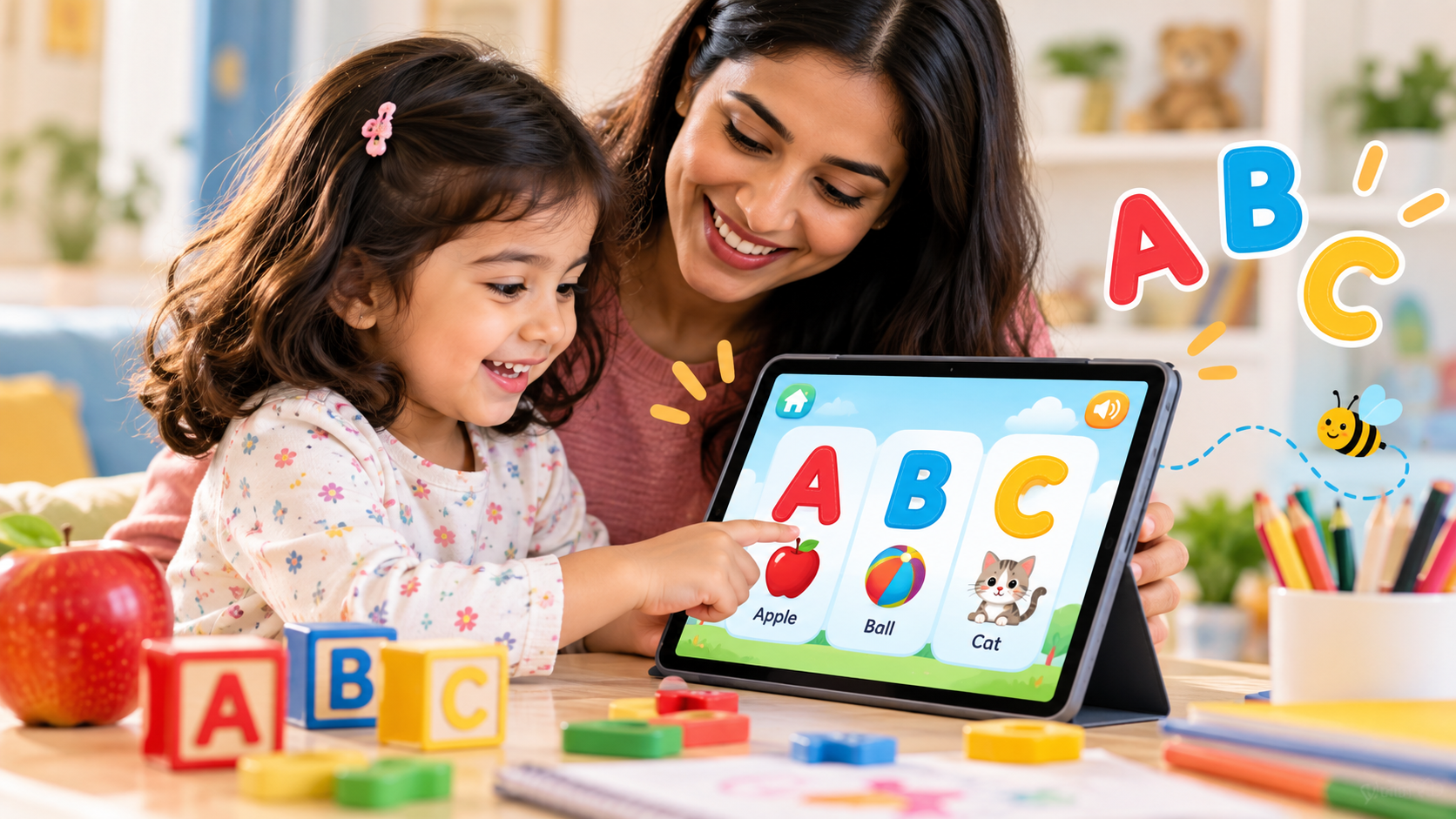
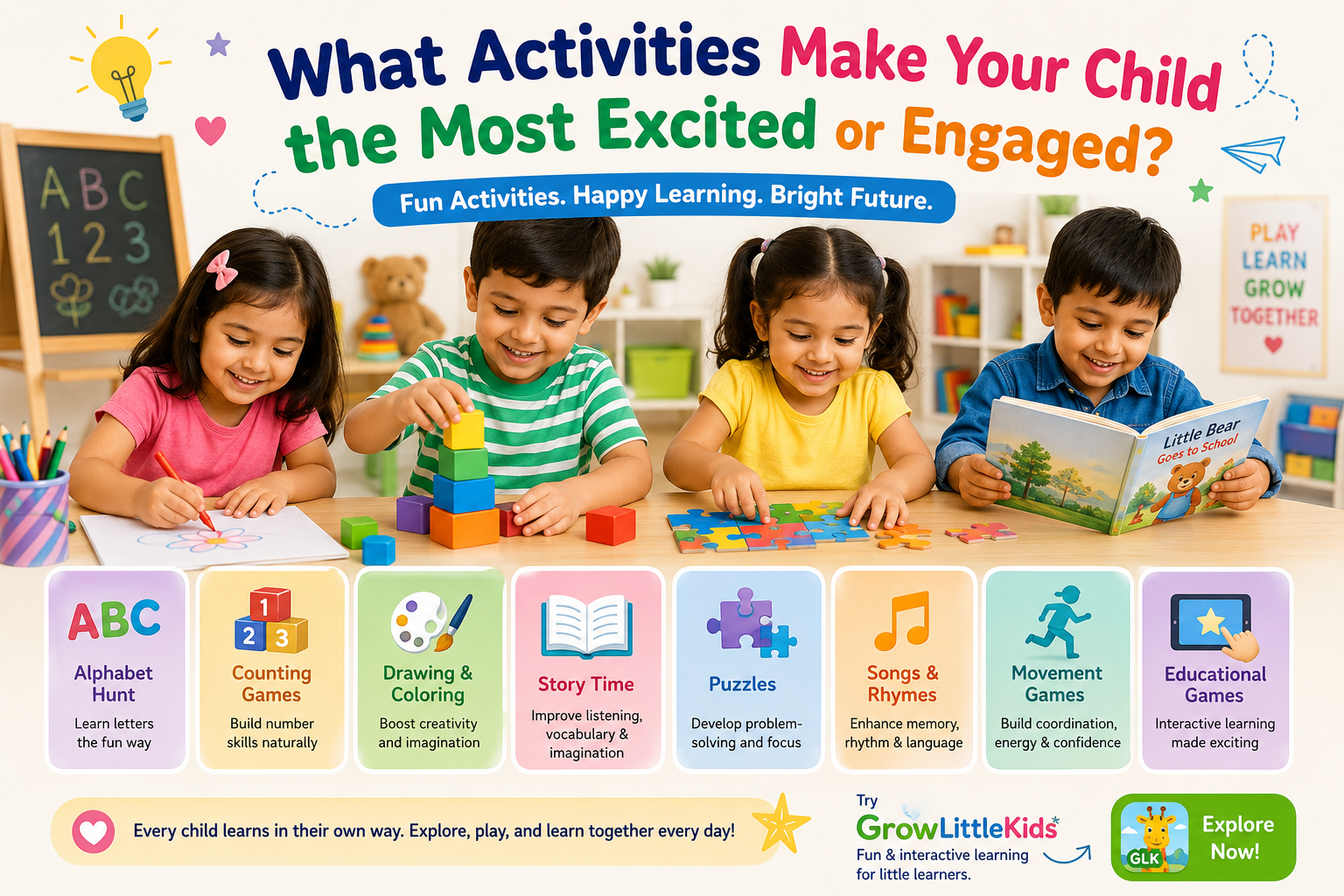
The internet can be an incredible place for children to learn. A child can watch an alphabet lesson, discover how planets move, hear a new rhyme, learn animal names, practice counting, or explore a question that suddenly sparks their curiosity.
But many parents have experienced something else too. You hand your child a phone or tablet to watch one educational video. A few minutes later, they are watching something completely unrelated. Then another video starts. Then another.
What began with "Let's learn the alphabet" can quickly become "Why is my child watching this?"
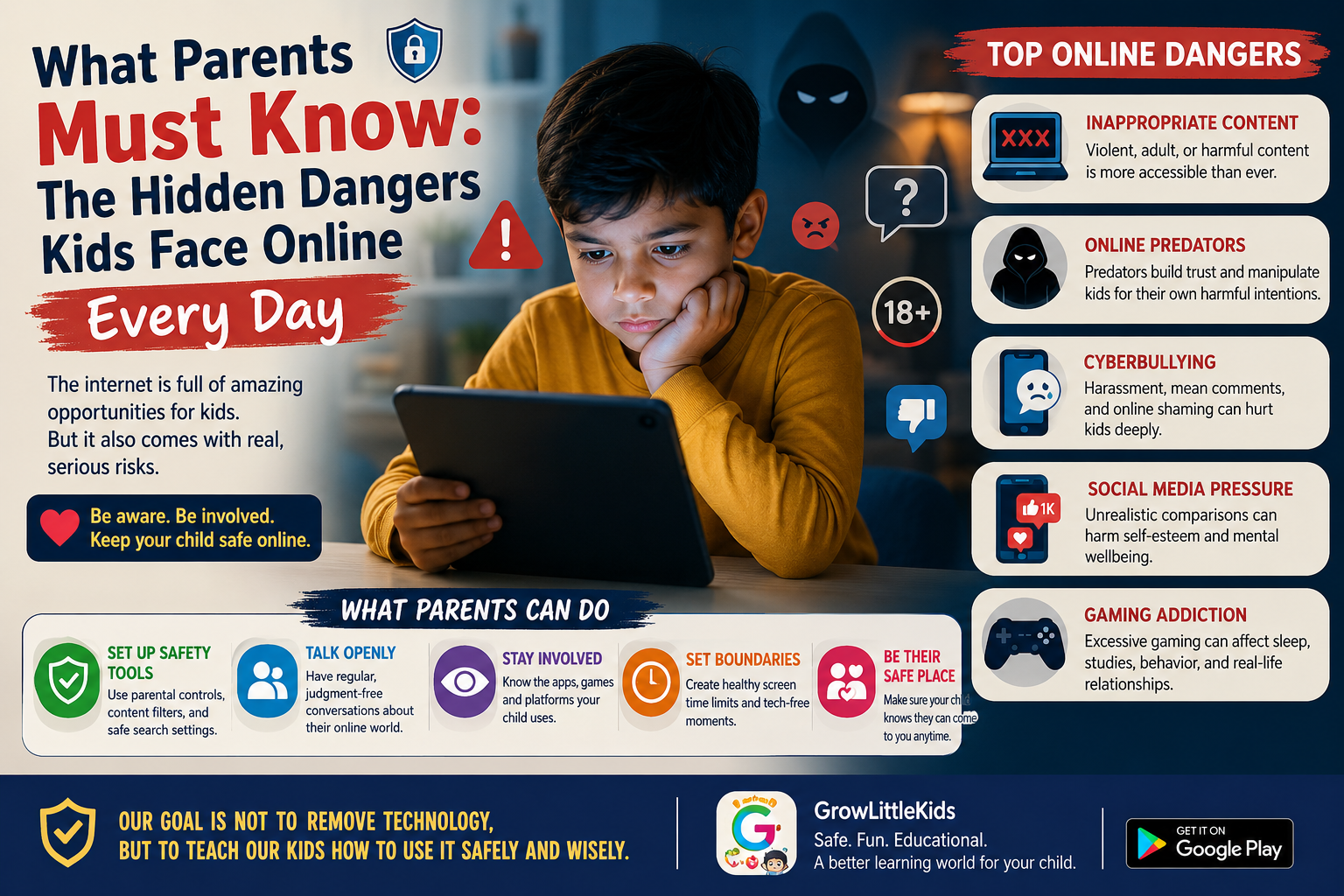
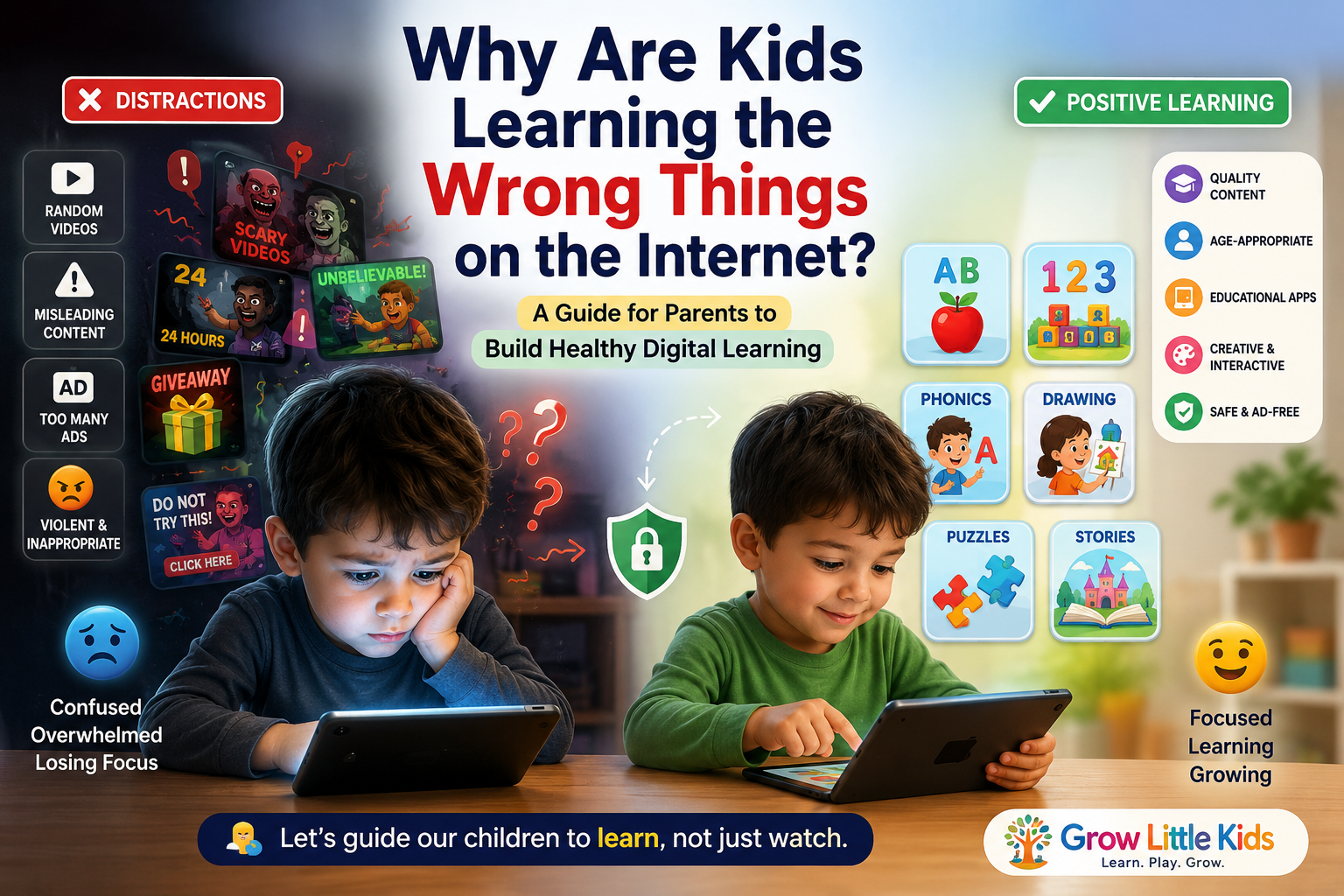
This is one of the biggest challenges of raising children in a digital world. The internet contains extraordinary learning opportunities — but it also contains low-quality content, misleading information, endless distractions, and material that may not match a young child's developmental needs.
1. The Internet Does Not Automatically Know What Is Good for Your Child
Many parents naturally assume that if a video looks colorful, includes alphabet letters, or has the word "learning" in the title, it must be educational. Unfortunately, that is not always true.
A video may appear educational while offering very little meaningful learning. Some content may:
- Repeat words without explanation
- Use incorrect pronunciation
- Present inaccurate facts
- Move too quickly for children to process
- Encourage passive watching rather than active thinking
- Use exaggerated thumbnails simply to attract clicks
For a young child, it can be difficult to distinguish between fact and fiction, education and entertainment, or a genuine lesson and a promotional message. Children are still developing the skills needed to judge information critically — that makes adult guidance especially important.
2. Recommendation Algorithms Are Not Parents or Teachers
One important thing for families to understand is that recommendation systems are not human teachers. They do not personally know your child. They do not know your child's learning level, what your child studied yesterday, whether a video is too advanced, or what values matter to your family.
Online recommendation systems generally use signals from user behaviour and platform activity to decide what content may be shown next. If a child repeatedly watches a particular type of video, the system may recommend more similar content. That can sometimes be useful — but it can also create a strange journey.
A child might begin with ABC Learning, then move to Funny Alphabet Animation, then Colorful Character Compilation, then Random Challenge Video — eventually reaching content that has almost nothing to do with learning. The child did not necessarily search for the final video. They simply kept following what appeared next.
3. Bright, Fast Content Can Look Educational Without Teaching Much
Children naturally respond to bright colours, movement, funny sounds, surprise, repetition, and expressive characters. These elements are not bad — good educators use them to make learning enjoyable. The problem begins when stimulation becomes the entire product.
Consider two videos:
Video A: A character says "This is the letter B. B makes the /b/ sound. Ball begins with B." The child is then invited to repeat the sound and identify another B word.
Video B: Letters fly rapidly across the screen while characters jump, objects explode into colourful effects, sounds play continuously, and scenes change every second.
Video B may look more exciting. But Video A provides a clearer learning objective. For parents, this is an important distinction: a child being entertained is not always the same as a child learning.
4. Repetition Can Become Mindless Consumption
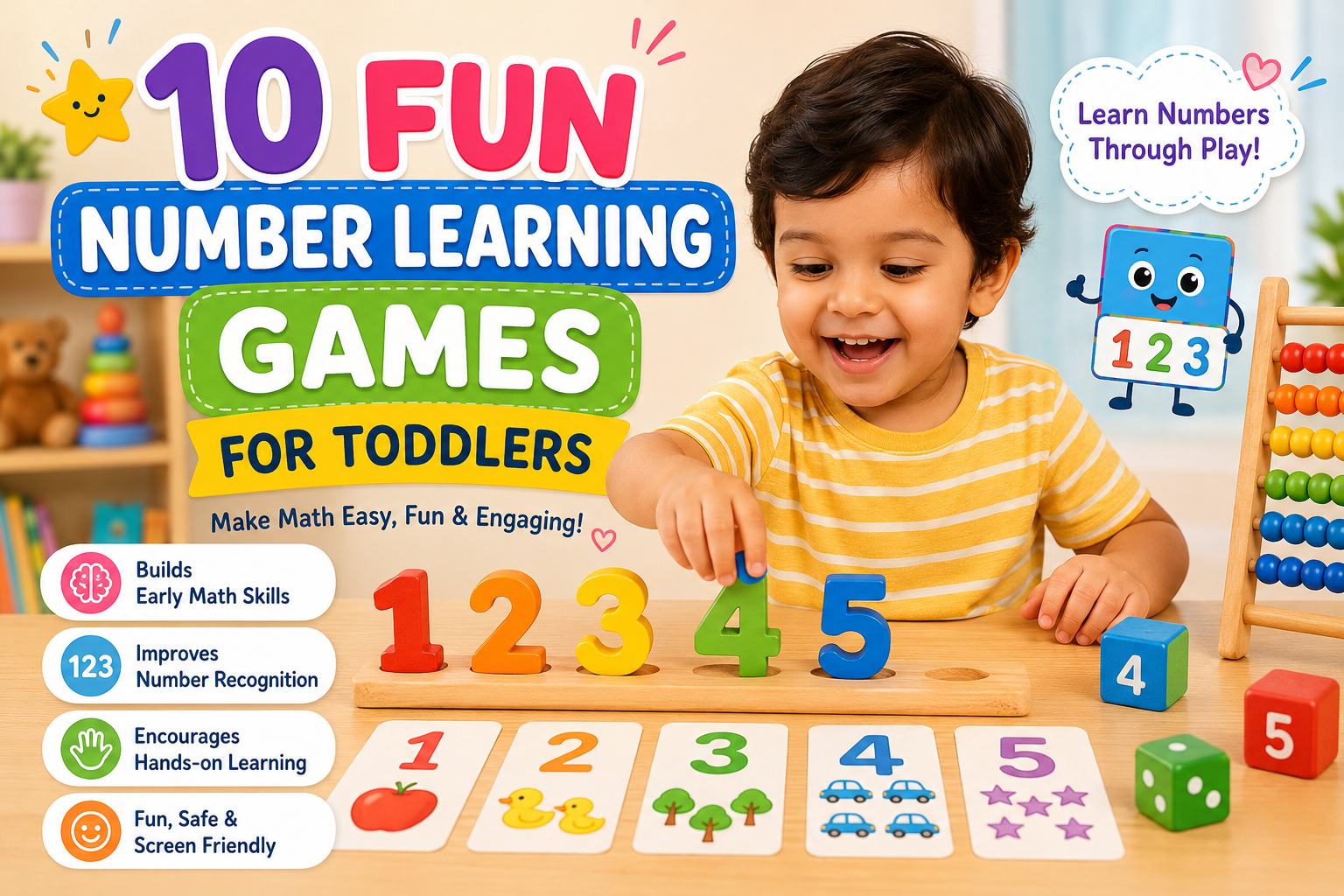
Repetition is valuable in early childhood education. Children often need to hear letter sounds, number sequences, rhymes, and new vocabulary repeatedly. But healthy educational repetition is different from endless autoplay.
A child practicing "A is for Apple" several times can reinforce memory. A child watching dozens of unrelated videos because the next one automatically starts is not necessarily practicing a skill. One is intentional repetition. The other may simply be continuous consumption.
Parents should ask: "What is my child actually learning from this?" That one question can change how we evaluate digital content.
5. Children Can Encounter Misleading Information
The internet allows almost anyone to publish content. That openness creates wonderful opportunities — but quality varies enormously. Children may encounter incorrect animal facts, poor pronunciation, misleading science explanations, confusing number concepts, or content presented as fact without reliable support.
Young children often trust what they see and hear. If a confident animated character says something incorrect, a preschooler may have no reason to question it. This is why parents, teachers, and responsible educational creators remain important even in an age of powerful technology.
6. Ads Can Blur the Line Between Learning and Selling
Young children may not fully understand the difference between a lesson, an advertisement, sponsored content, or product promotion. To an adult, an advertisement may be obvious. To a four-year-old, it may simply look like another exciting video.
This matters because a child may move from learning content to wanting toys, games, snacks, or subscriptions they repeatedly see. The concern is not that every advertisement is harmful — it is that young children may not yet have the developmental ability to understand persuasive intent the way adults do.
Parents should pay attention not only to what children watch, but also to what surrounds the content they watch.
7. Passive Watching Is Not the Same as Active Learning
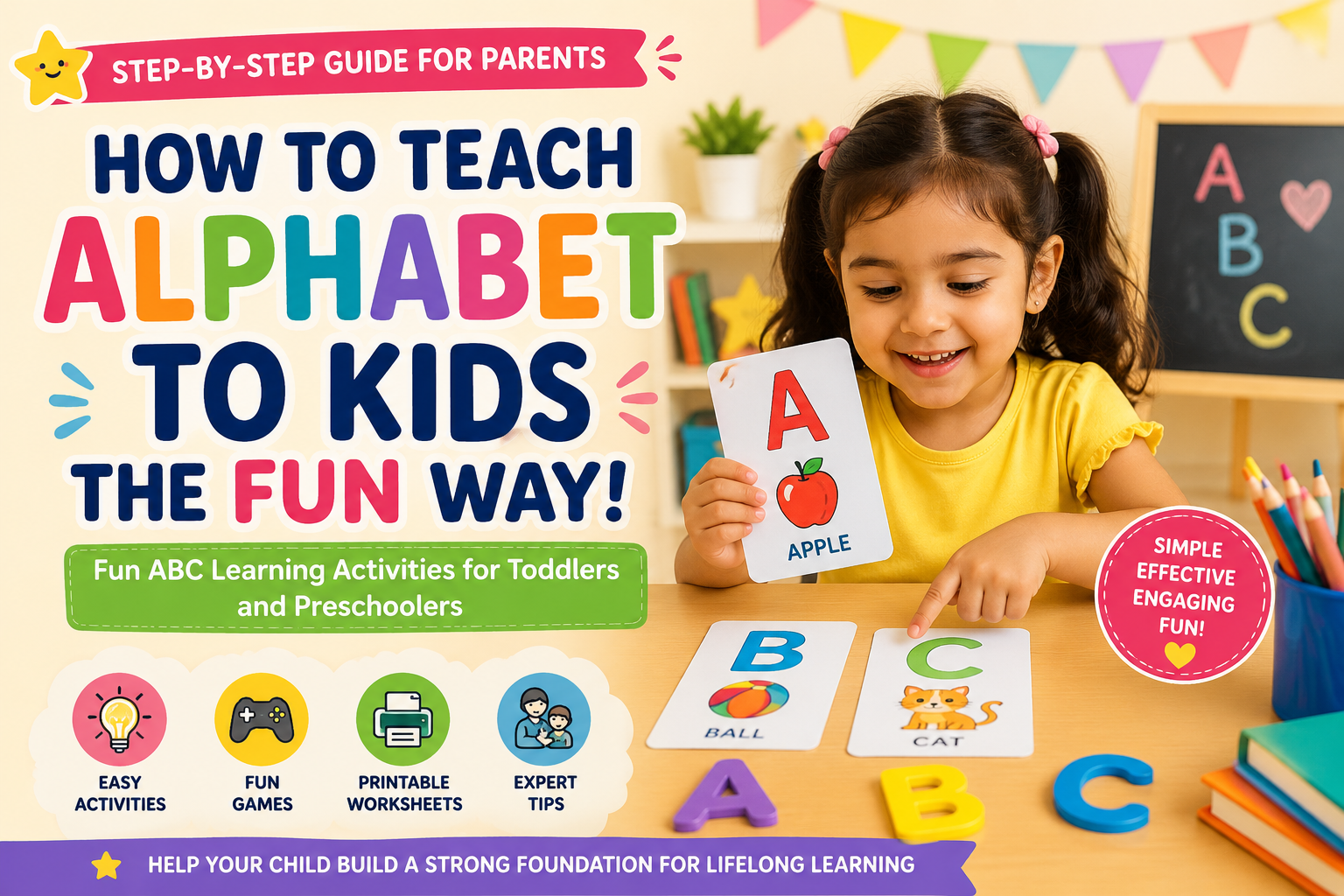
A child can watch ten alphabet videos and still struggle to identify a letter independently. Why? Because learning often requires participation. Children benefit from opportunities to say the letter aloud, trace it, find it in a book, match it with a picture, draw it, hear its sound, and use it in a word.
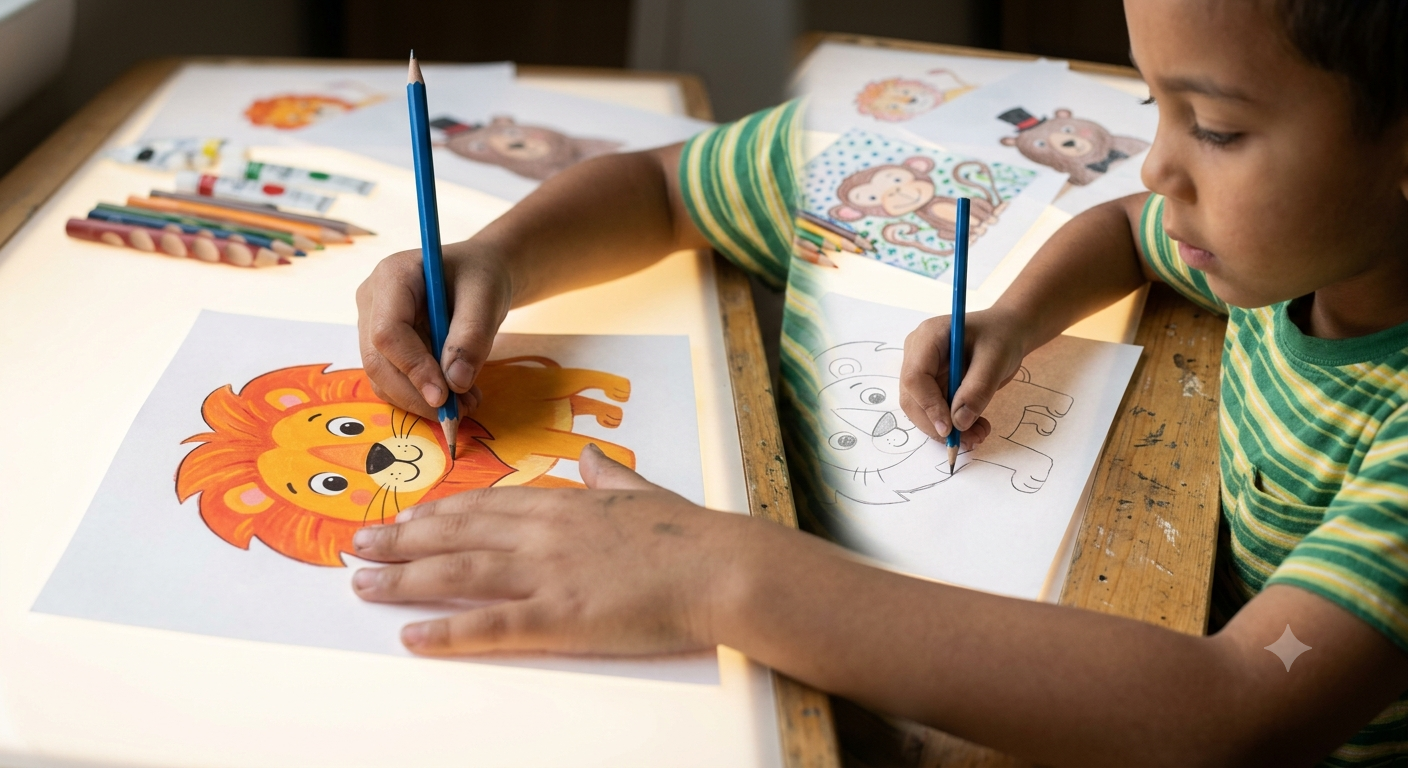
Watching someone count is different from physically counting five blocks. Watching a drawing video is different from holding a crayon. Watching a rhyme is different from singing, moving, and responding. Digital learning works best when it encourages children to do something — not only watch something.
8. The "Educational" Label Is Not Enough
Parents should look beyond titles such as "Kids Learning," "Educational Video," "Smart Kids," or "Brain Development." These phrases sound reassuring, but a title alone does not prove educational quality. Before trusting content, consider:
- Is there a clear learning goal?
- Is the information accurate and age-appropriate?
- Does the content encourage participation?
- Are there unnecessary distractions?
- Is the creator transparent?
- Would I feel comfortable watching this with my child?
What Can Parents Do? 6 Practical Steps
1. Watch Together Sometimes 👀
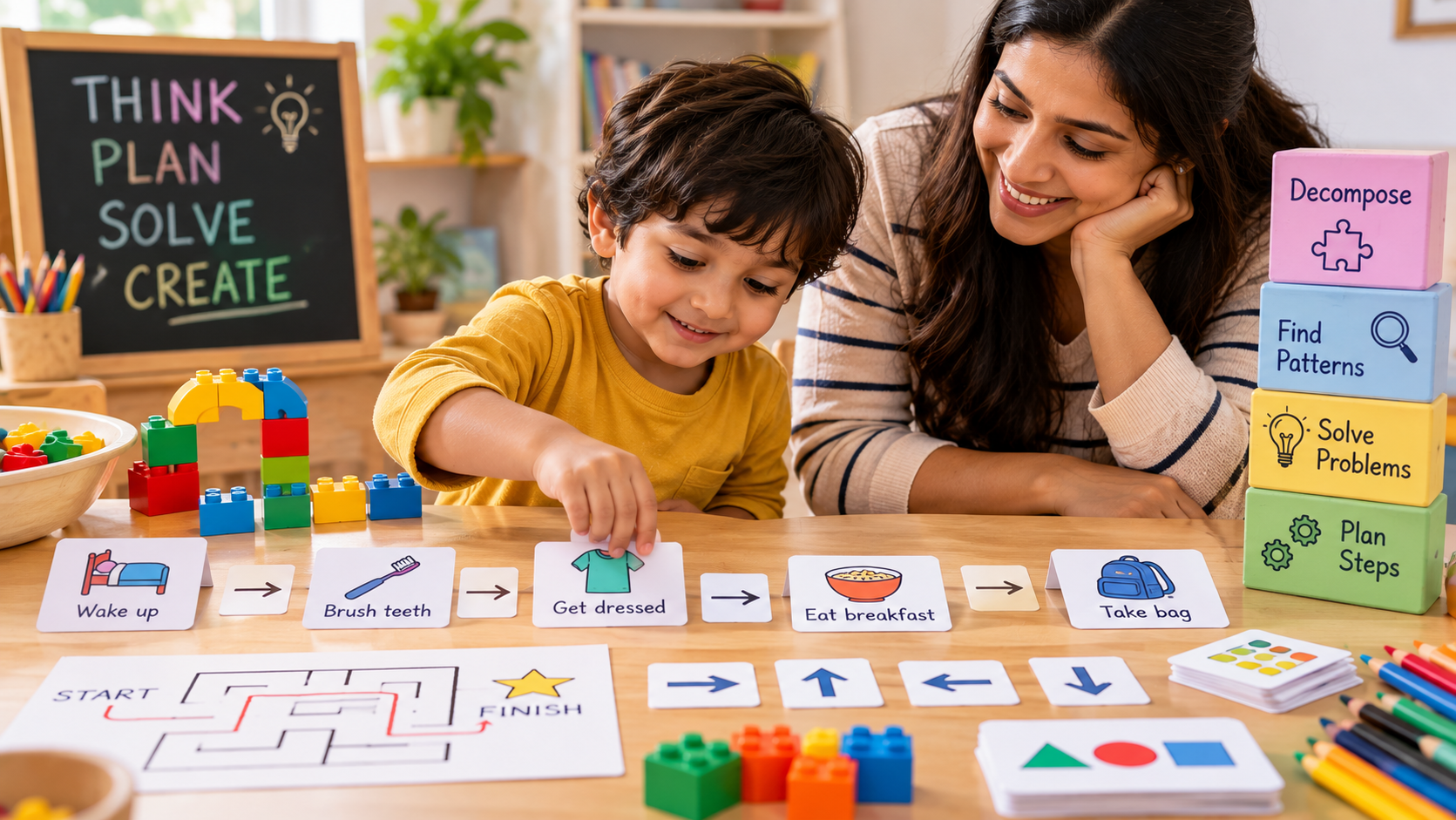
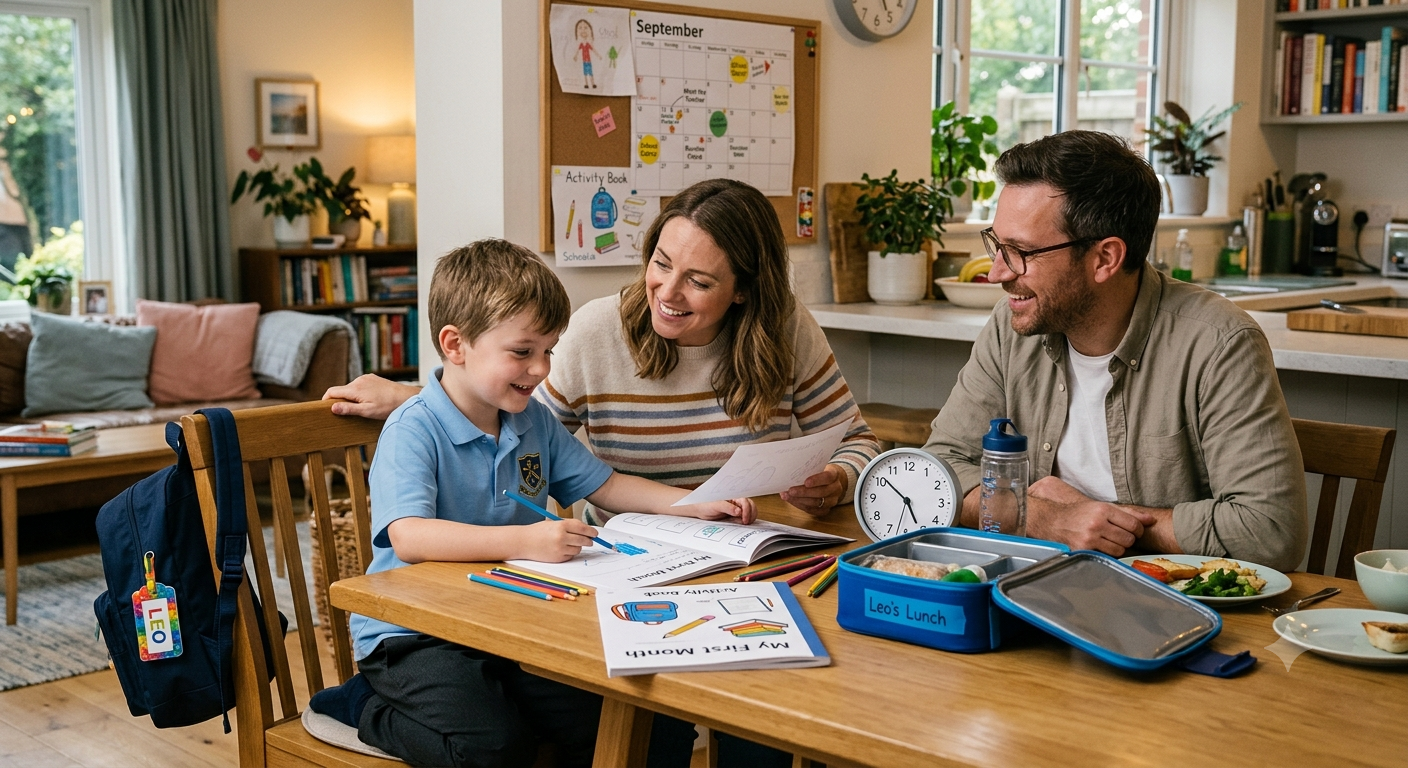
Occasionally sitting together reveals a lot. Ask simple questions: "What did you learn?" or "Can you show me the letter?" These conversations transform passive viewing into active learning.
2. Choose Content Before Handing Over the Device 📋
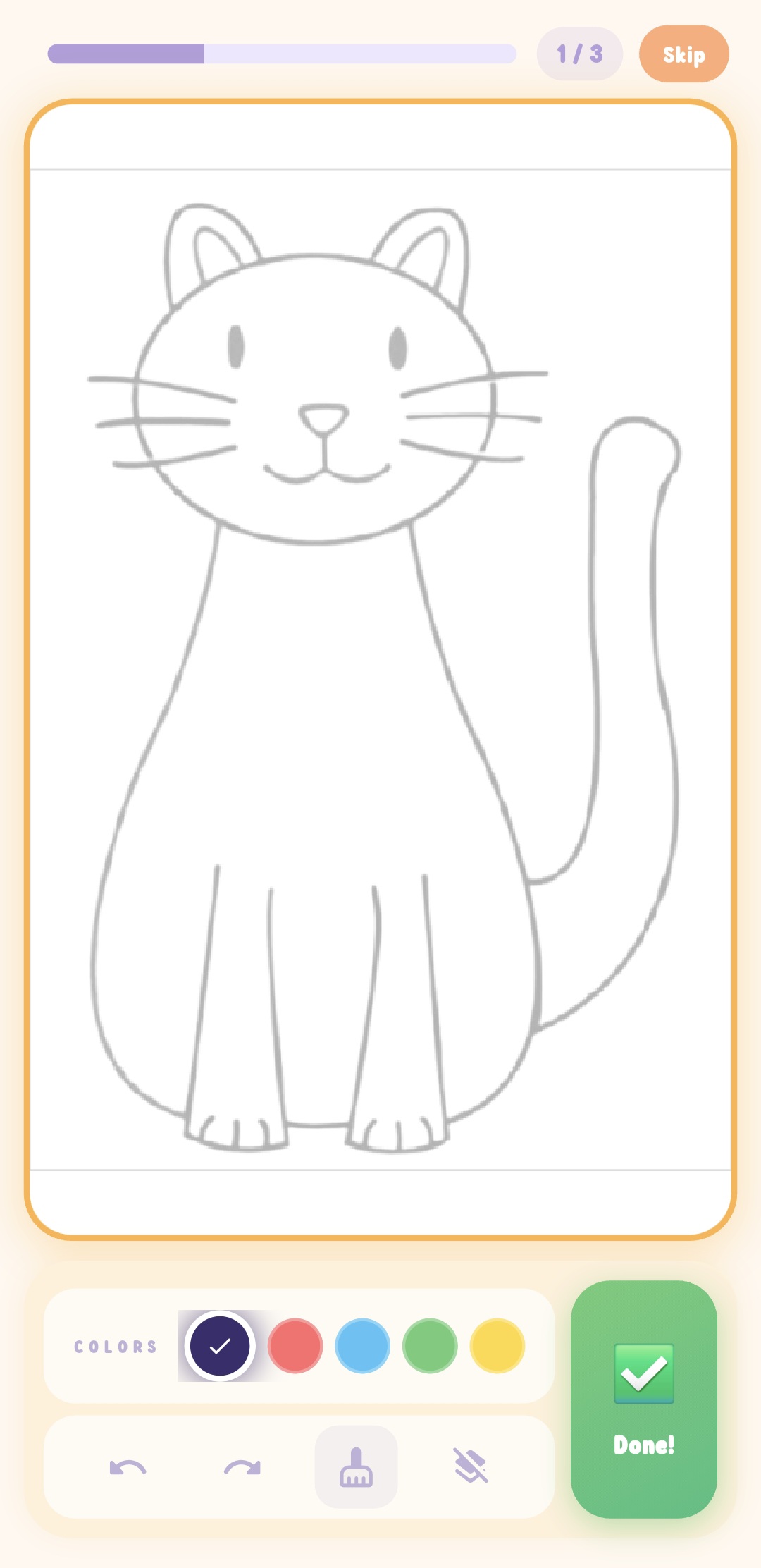
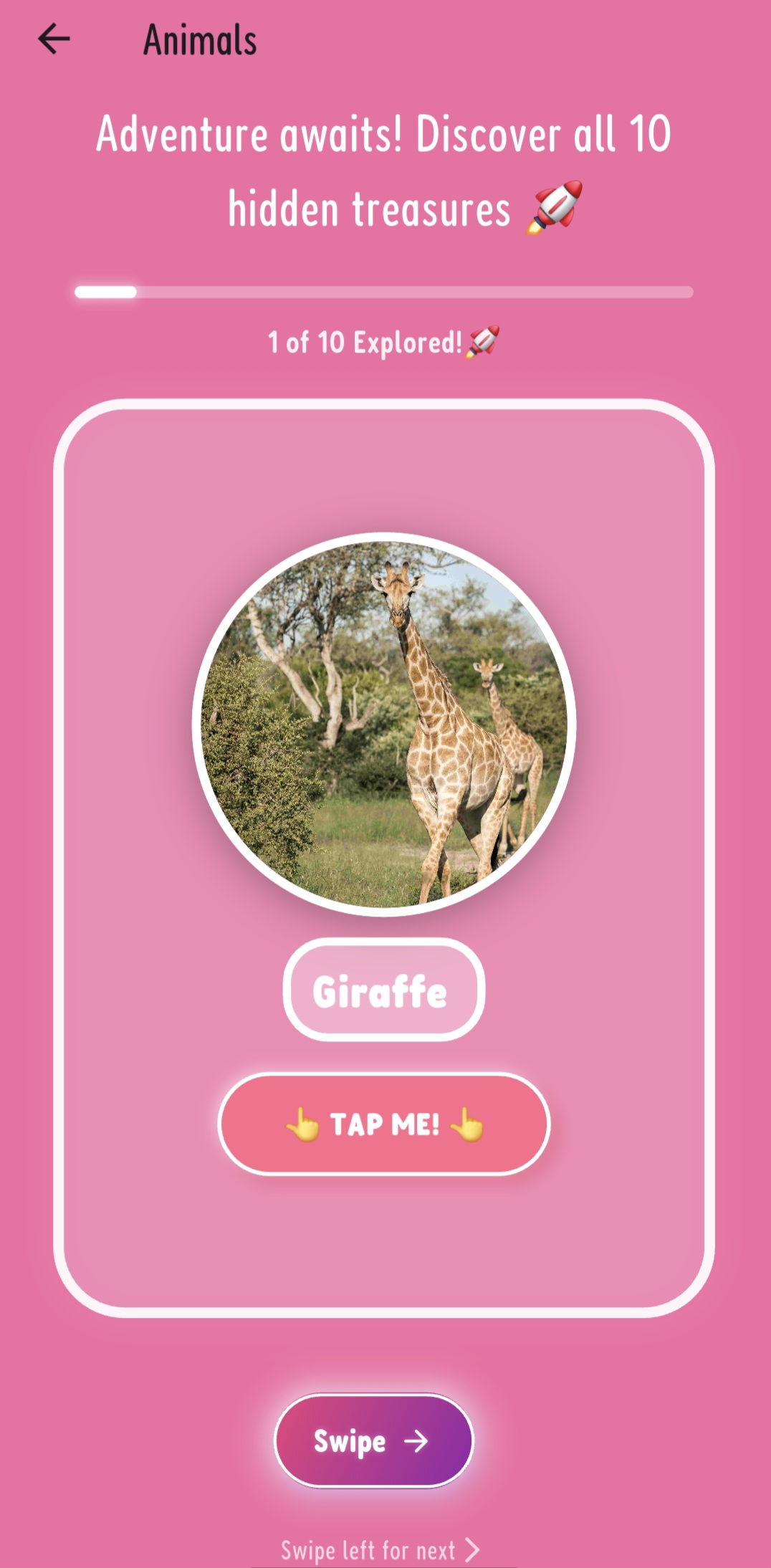
Instead of opening a platform and allowing recommendations to decide what comes next, prepare a trusted playlist, a specific educational app, downloaded lessons, or selected channels. A little preparation prevents a lot of random digital wandering.
3. Turn Off Autoplay ⏸️
Autoplay removes intentional choice. When one video automatically becomes another, children may continue watching without deciding what they actually want or need. Turning it off creates a natural stopping point.
4. Ask for Proof of Learning ✅
After digital learning time, try a tiny real-world activity. If the child watched numbers, ask "Can you bring me three blocks?" If they learned the letter B, ask "Can you find something that begins with B?" Keep it playful — the goal is to see whether screen activity connects to understanding.
5. Balance Screens With Real-World Play 🌳
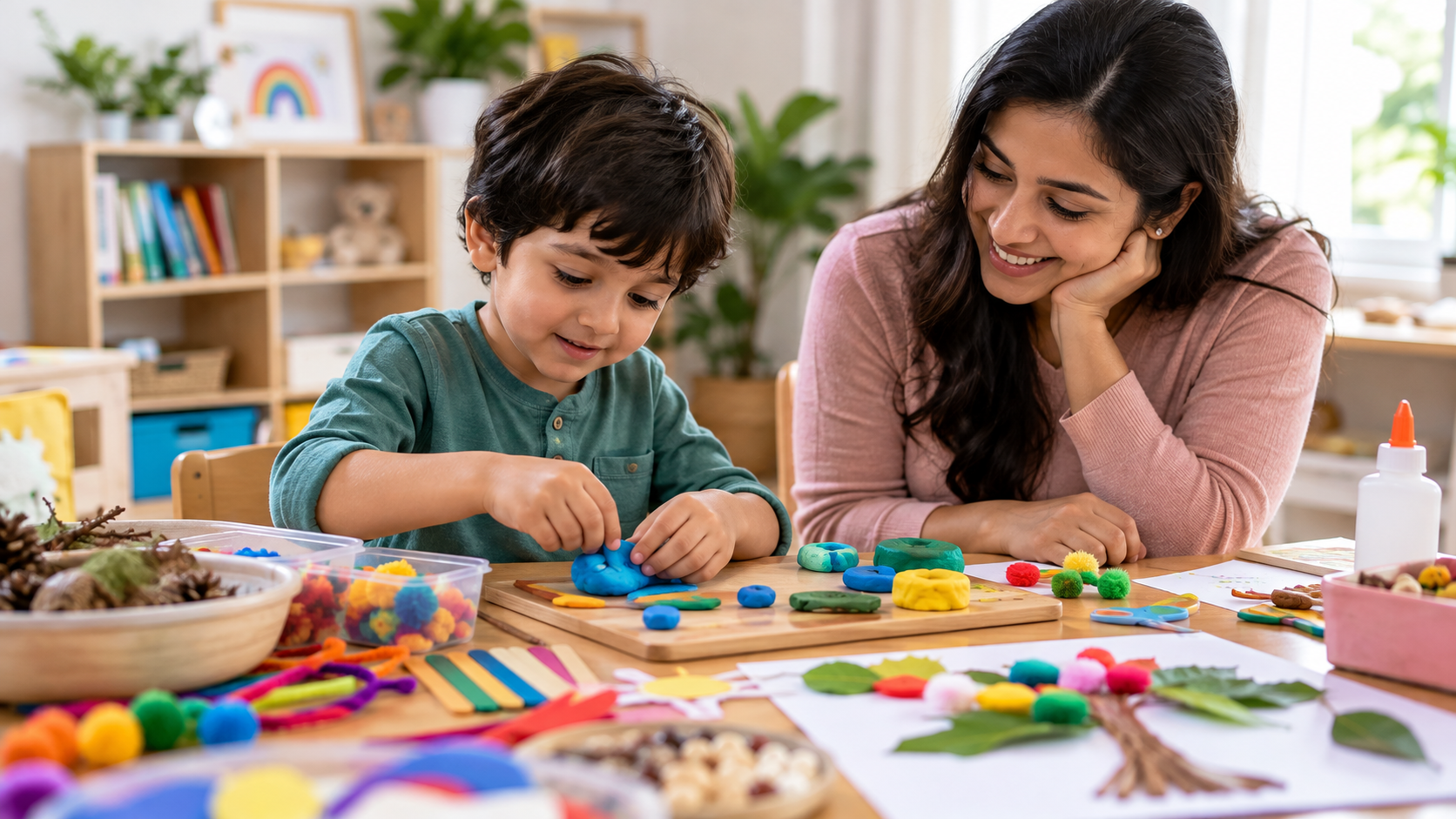
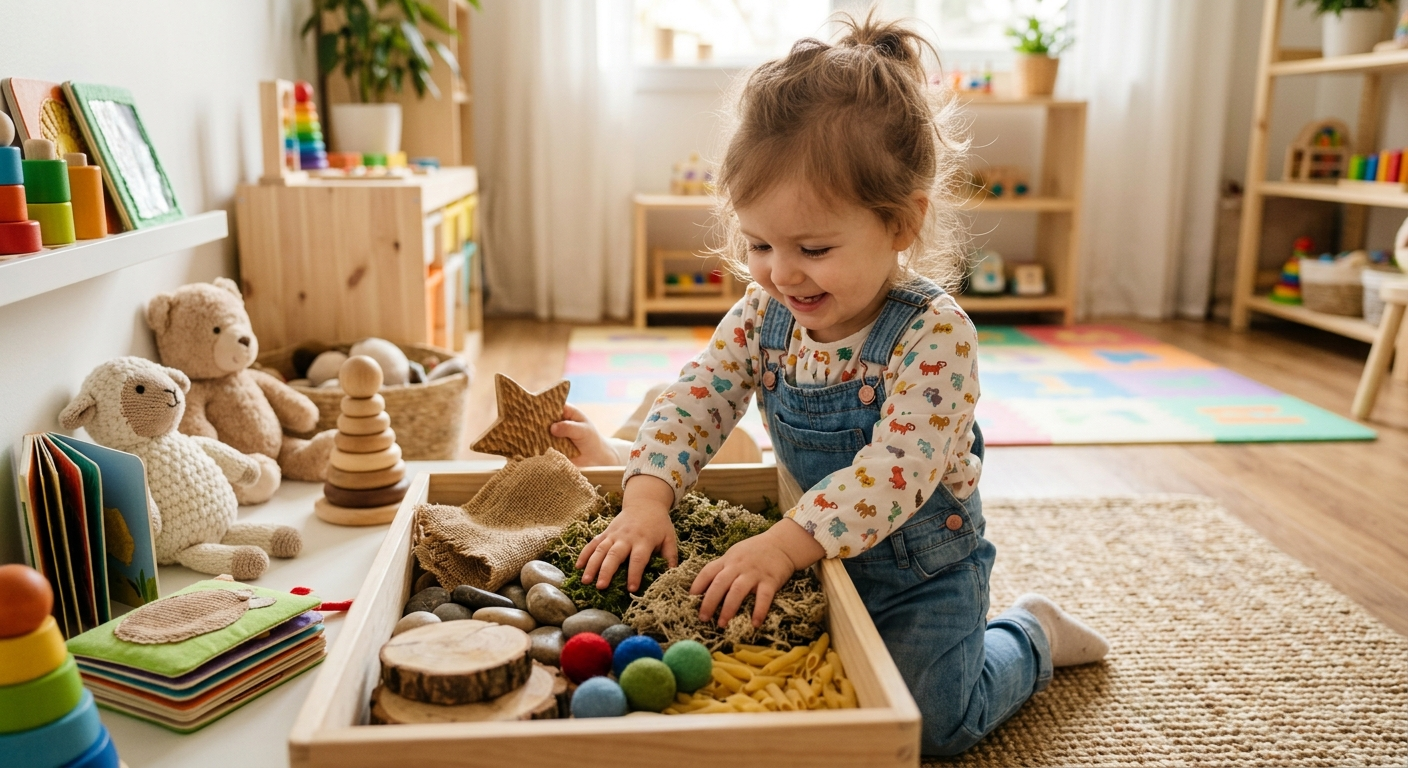
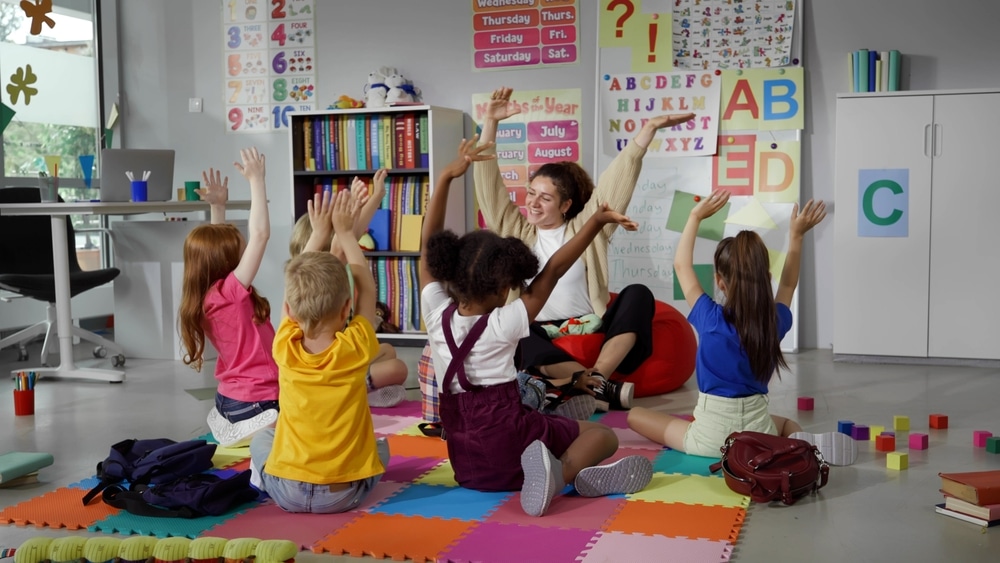
Children also learn through running, touching, building, drawing, talking, pretending, making mistakes, and playing with other people. A screen can support learning — it should not replace childhood. A healthy learning day might include a short phonics activity, outdoor play, drawing, a storybook, counting toys, and conversation with family.
6. Choose Apps With a Clear Learning Purpose 📱
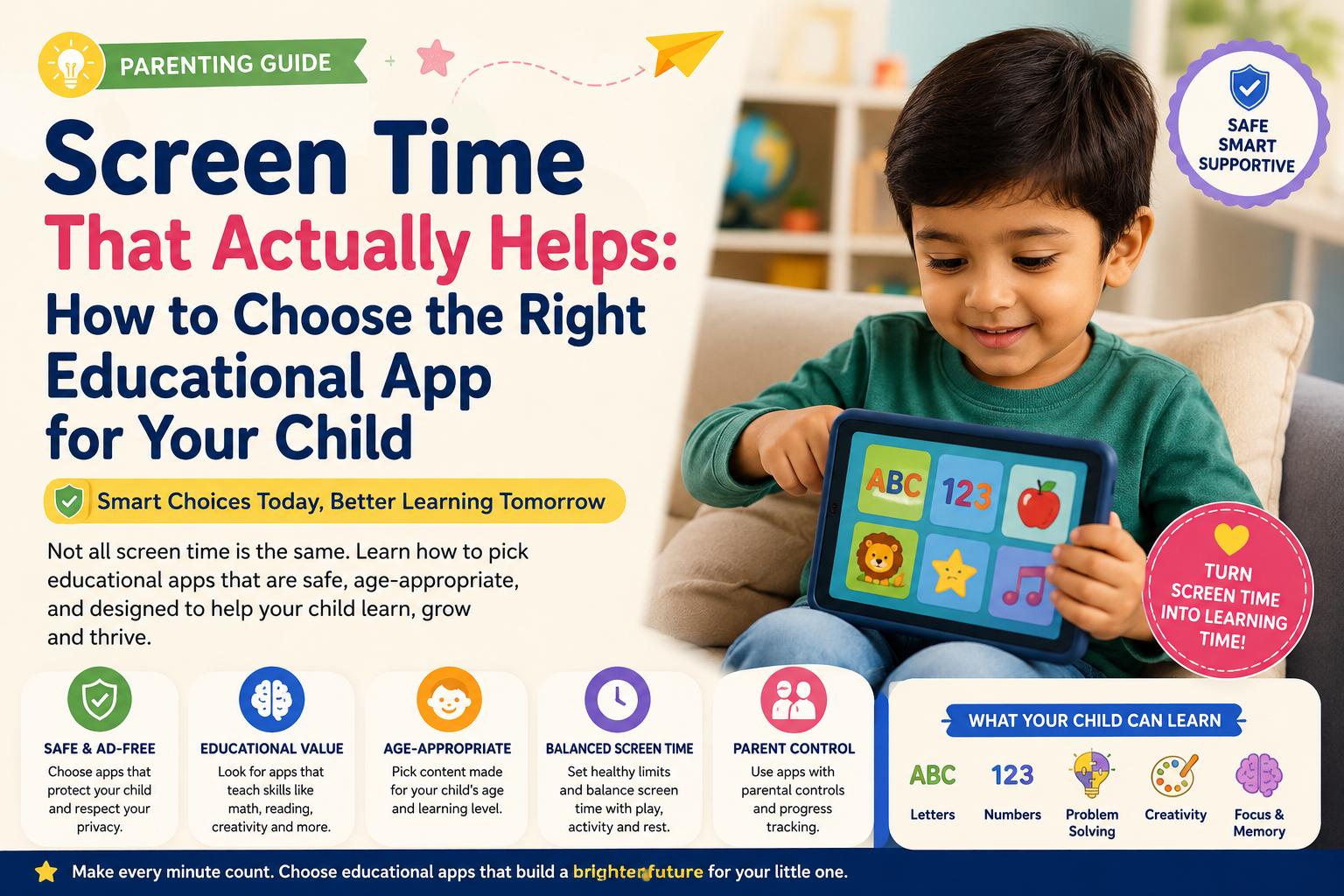
Before downloading an educational app, ask: What exactly will my child learn? Is there meaningful interaction? Can the child practice skills? Is the environment designed with children in mind? A good educational app should not merely keep a child busy — it should help the child explore, practice, think, create, or understand.
A Better Question for Parents
Instead of asking "How much screen time did my child have?" — we should also ask "What happened during that screen time?"
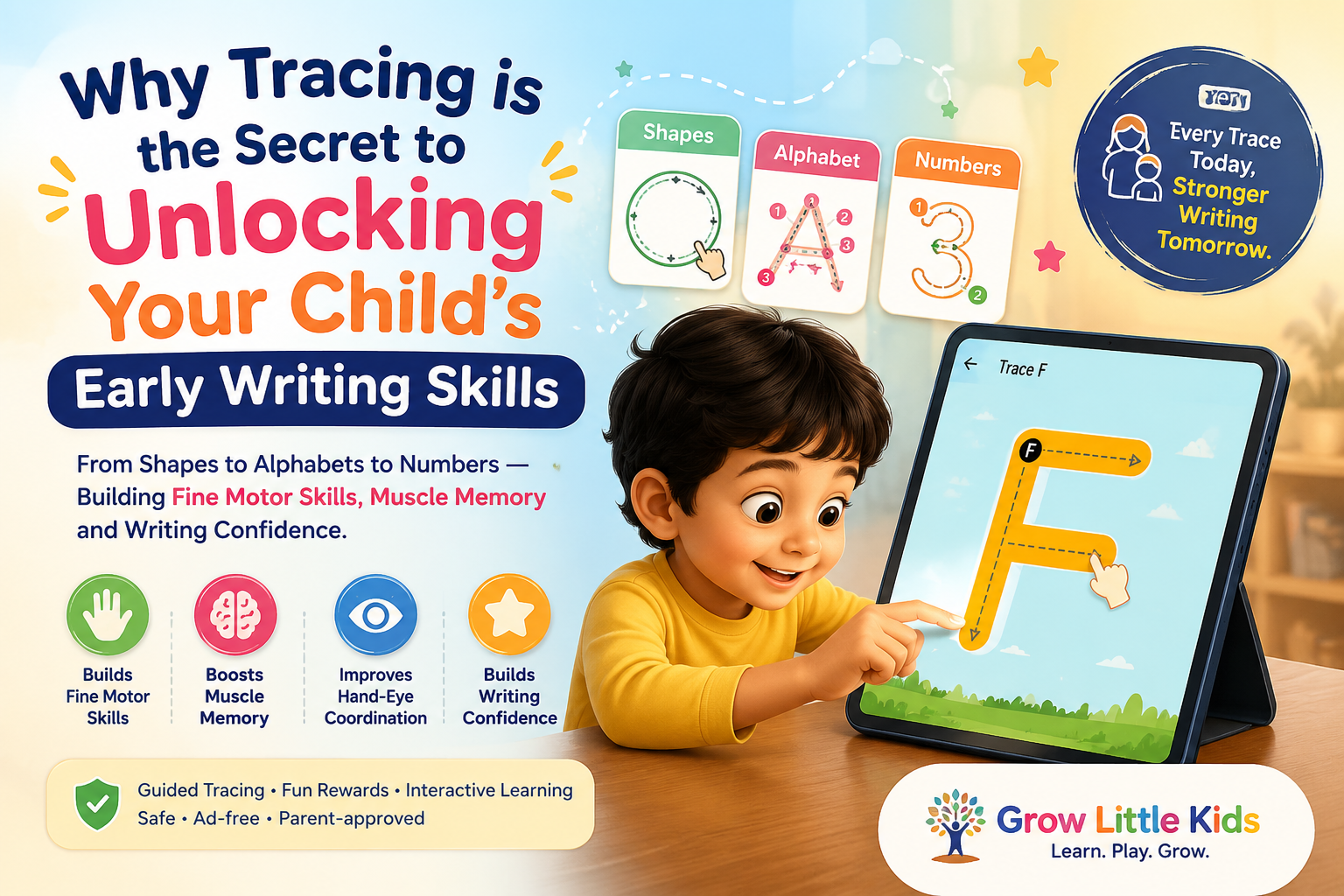
Thirty minutes of tracing letters, practicing phonics, solving age-appropriate puzzles, or drawing is a very different experience from thirty minutes of random autoplay. Time matters. But content, context, and participation matter too.
Our Responsibility as Educational Creators
At Grow Little Kids, we believe creators of children's content have a serious responsibility. Children deserve digital experiences that respect their curiosity, developmental stage, attention, safety, and ability to learn. Educational technology should not simply ask "How do we keep a child watching?" — it should ask "How do we help a child understand, practice, explore, and grow?"
That is a much harder question. But it is the question worth asking.
Final Thoughts
The internet is not automatically a teacher. An algorithm is not automatically an educator. A colourful video is not automatically a lesson. And an app with the word "kids" in its name is not automatically good for every child.
Parents can begin with simple habits: know what your child is watching, choose content intentionally, talk about what they learn, encourage active participation, and balance screens with real-world experiences.
Because the real goal is not to raise children who can watch more content. It is to raise children who can think, question, create, learn, and grow. 🌱