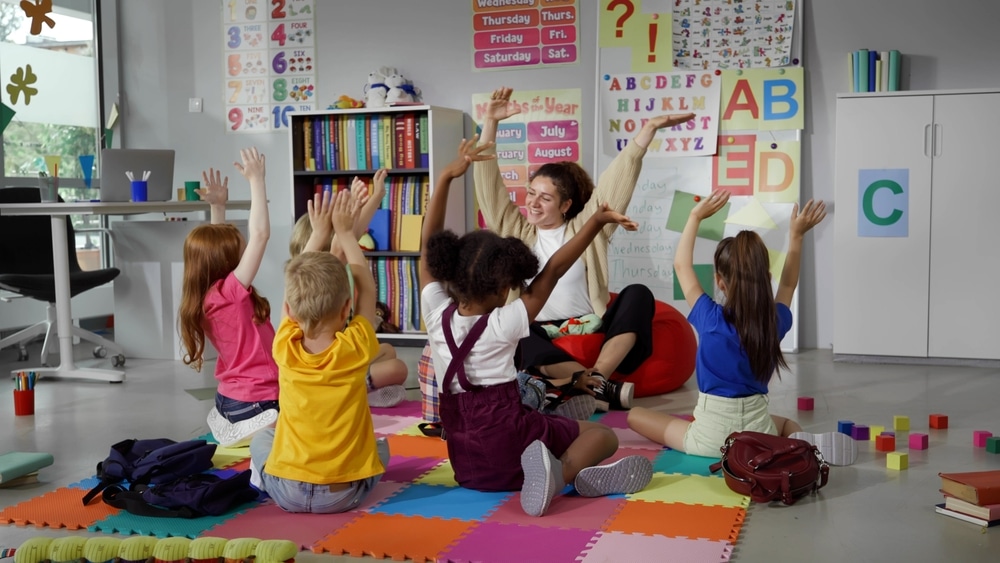
4 Reasons Why Preschool Education Is Important
Every parent wants the best start for their child. But in the early years, it can be hard to know exactly what that looks like. Is preschool really necessary? Can home learning replace a structured classroom environment? And what exactly does a three or four-year-old gain from sitting in a circle, sharing toys, and singing the alphabet?
The answer is: far more than you might think. Preschool education is not simply a convenient way to keep young children occupied while parents work. It is a critical developmental phase that shapes how children think, interact, and approach the world for the rest of their lives. Research consistently shows that children who attend quality preschool programs enter kindergarten with stronger language skills, better social abilities, and greater emotional resilience than those who do not.
At GrowLittleKids, we believe that understanding the why behind preschool education helps parents make informed decisions and reinforce learning at home. Whether your child is already enrolled, on a waitlist, or learning primarily at home, the principles behind quality early education apply universally.
Let us explore the four most important reasons why preschool education matters—and how you can support your child's growth every step of the way.
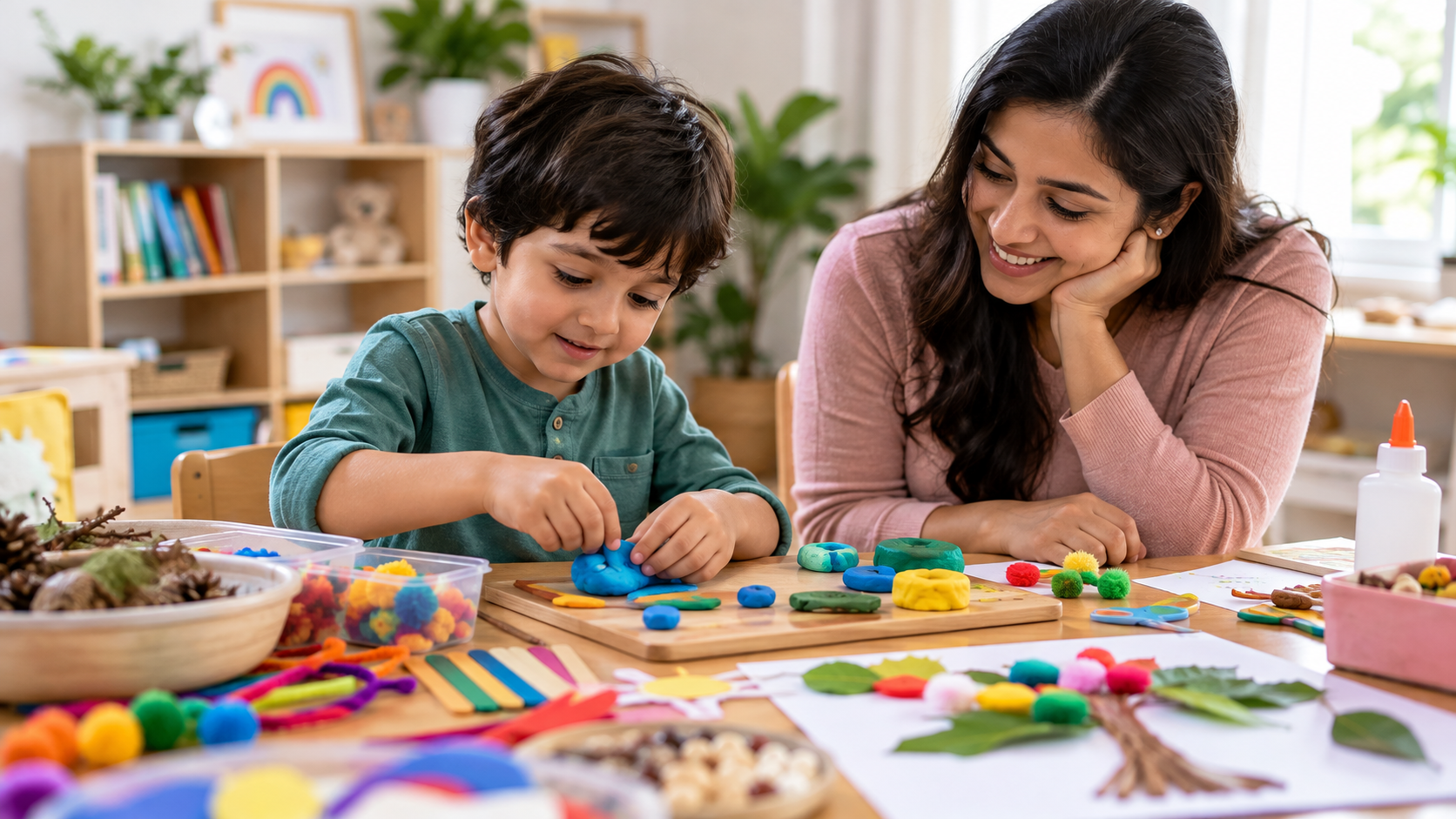
image🛠image_search:2#0Alt text: "Preschool children engaged in hands-on learning activities with toys at a classroom table"
1. Builds a Strong Foundation for Academic Success
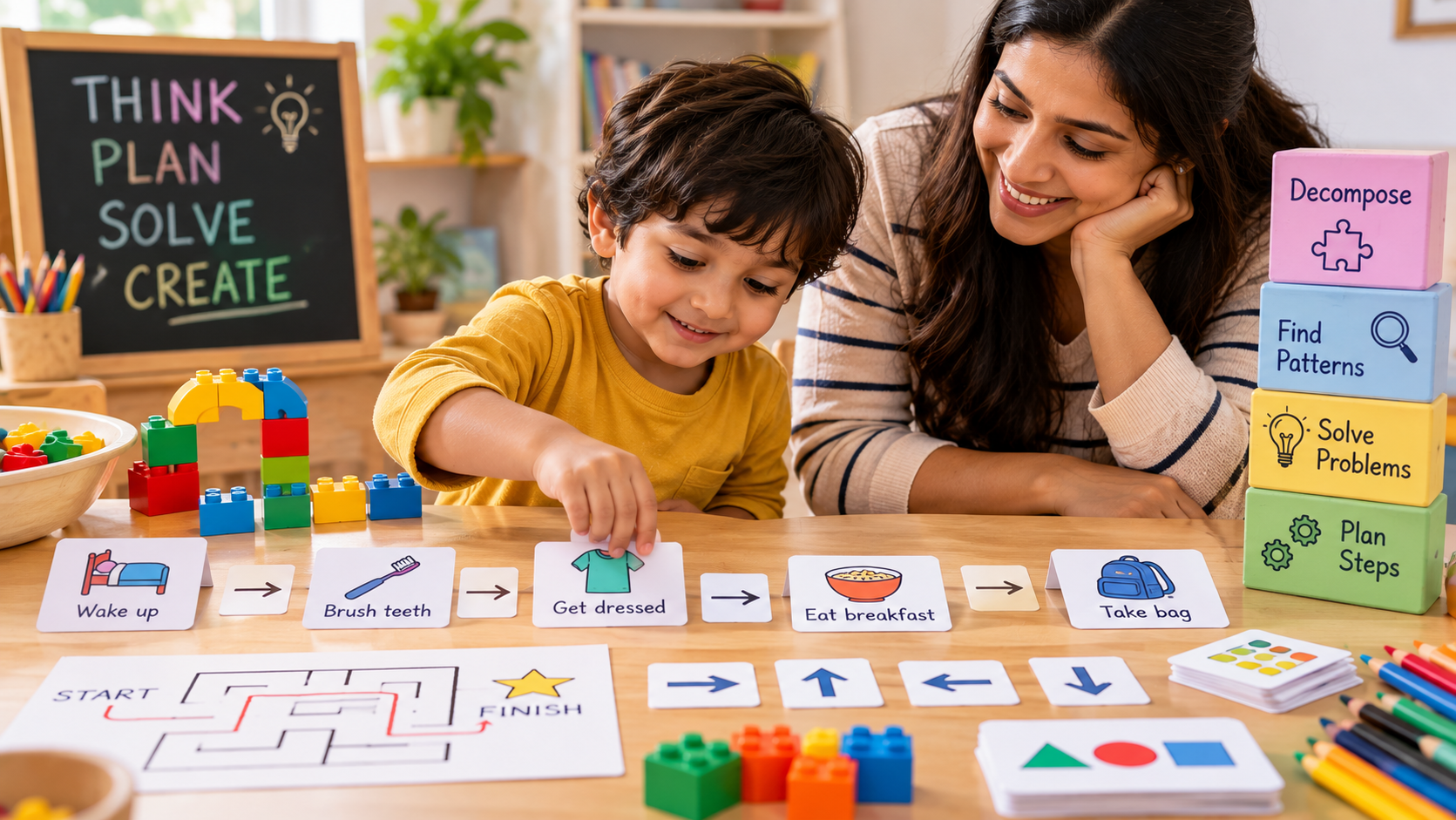
The most obvious benefit of preschool is academic preparation. But this goes far beyond learning to count to ten or recite the ABCs. Quality preschool programs introduce children to the underlying structures of learning: how to listen to instructions, how to follow a sequence, how to recognize patterns, and how to express ideas clearly.
Children who attend preschool typically enter kindergarten with stronger pre-literacy and pre-numeracy skills. They are more likely to recognize letters, understand that print carries meaning, and grasp basic number concepts. These early advantages do not fade; they compound. A child who feels confident with letters and numbers in preschool is more likely to participate actively in kindergarten, which leads to better engagement in first grade, and so on.
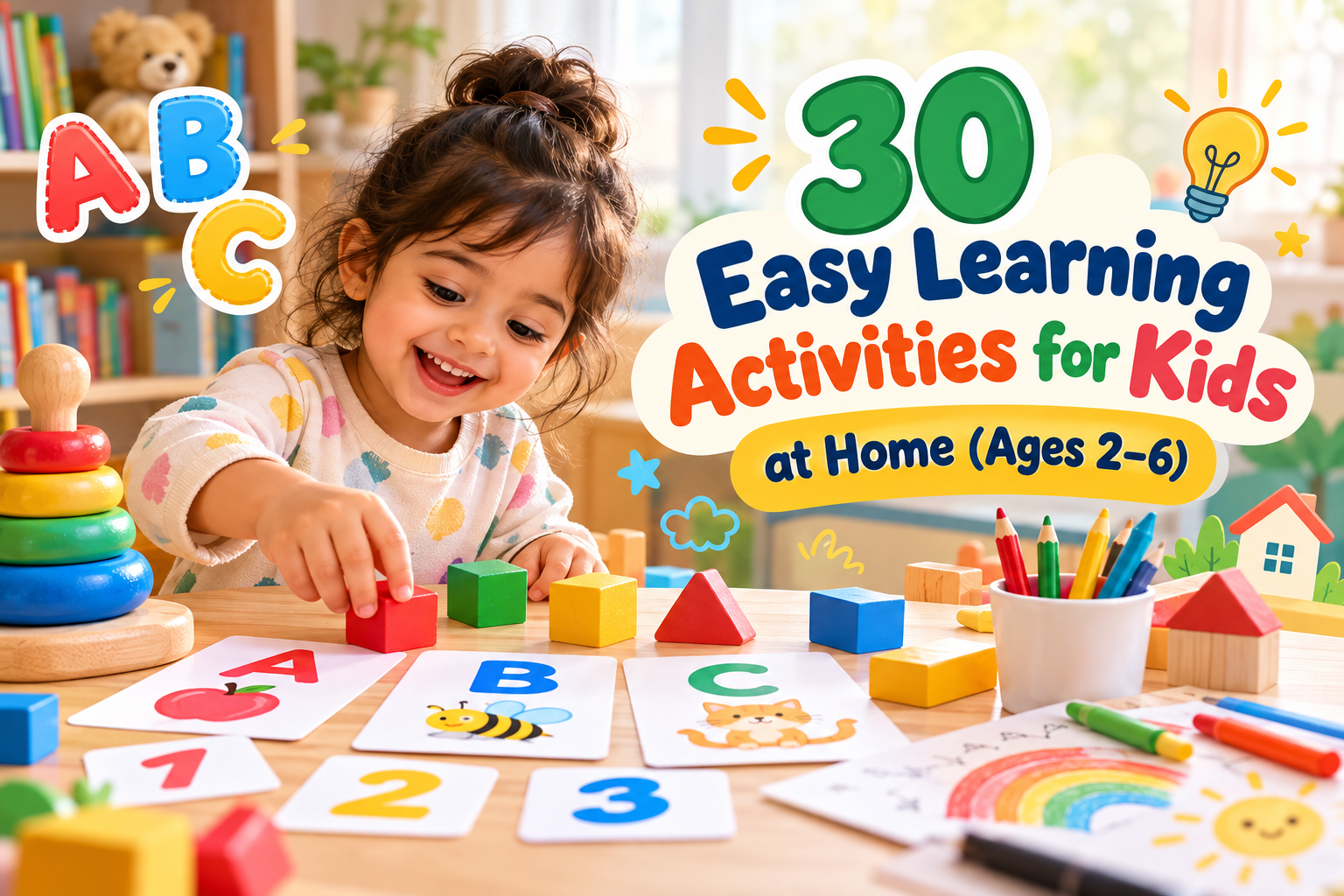
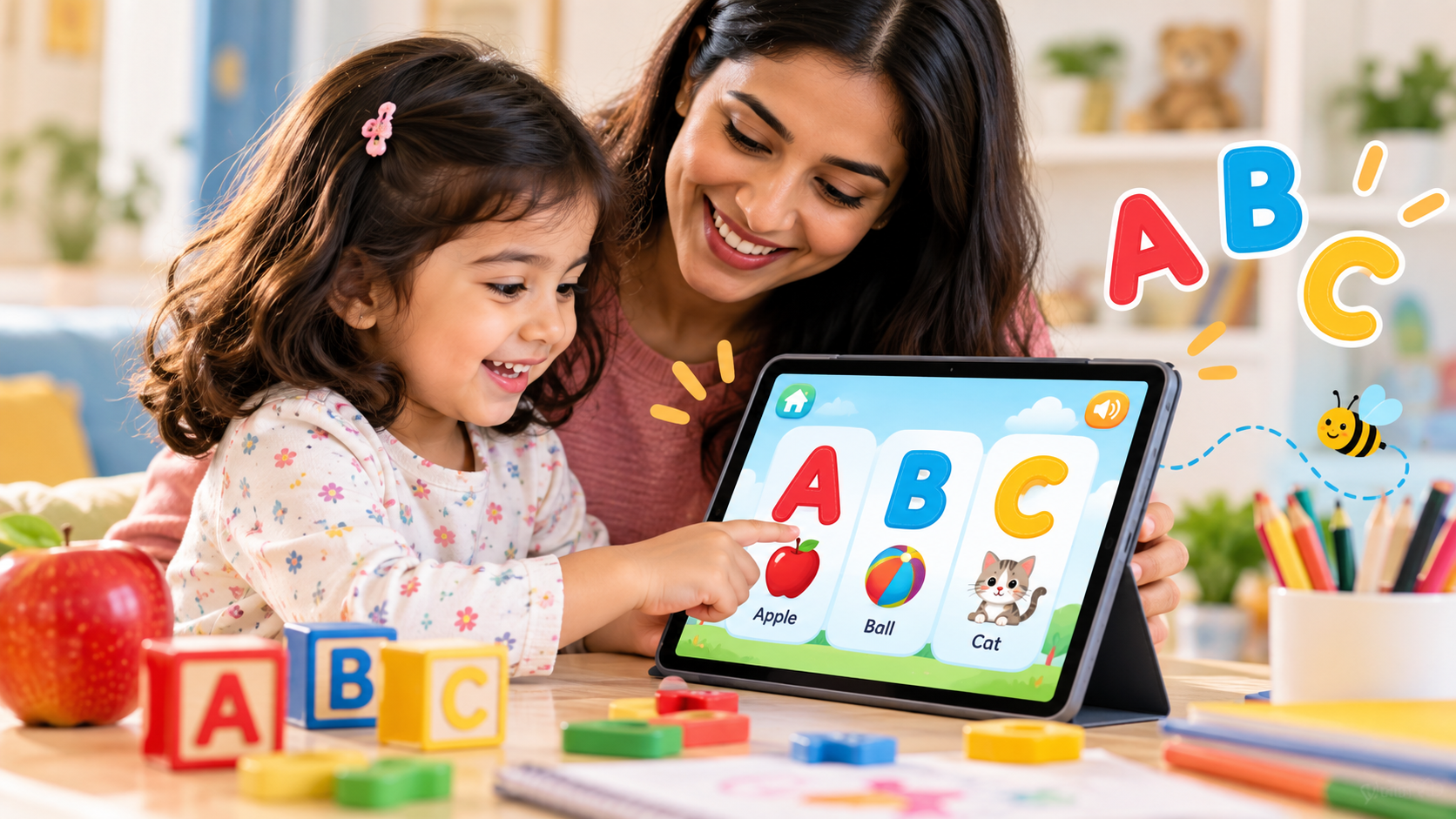
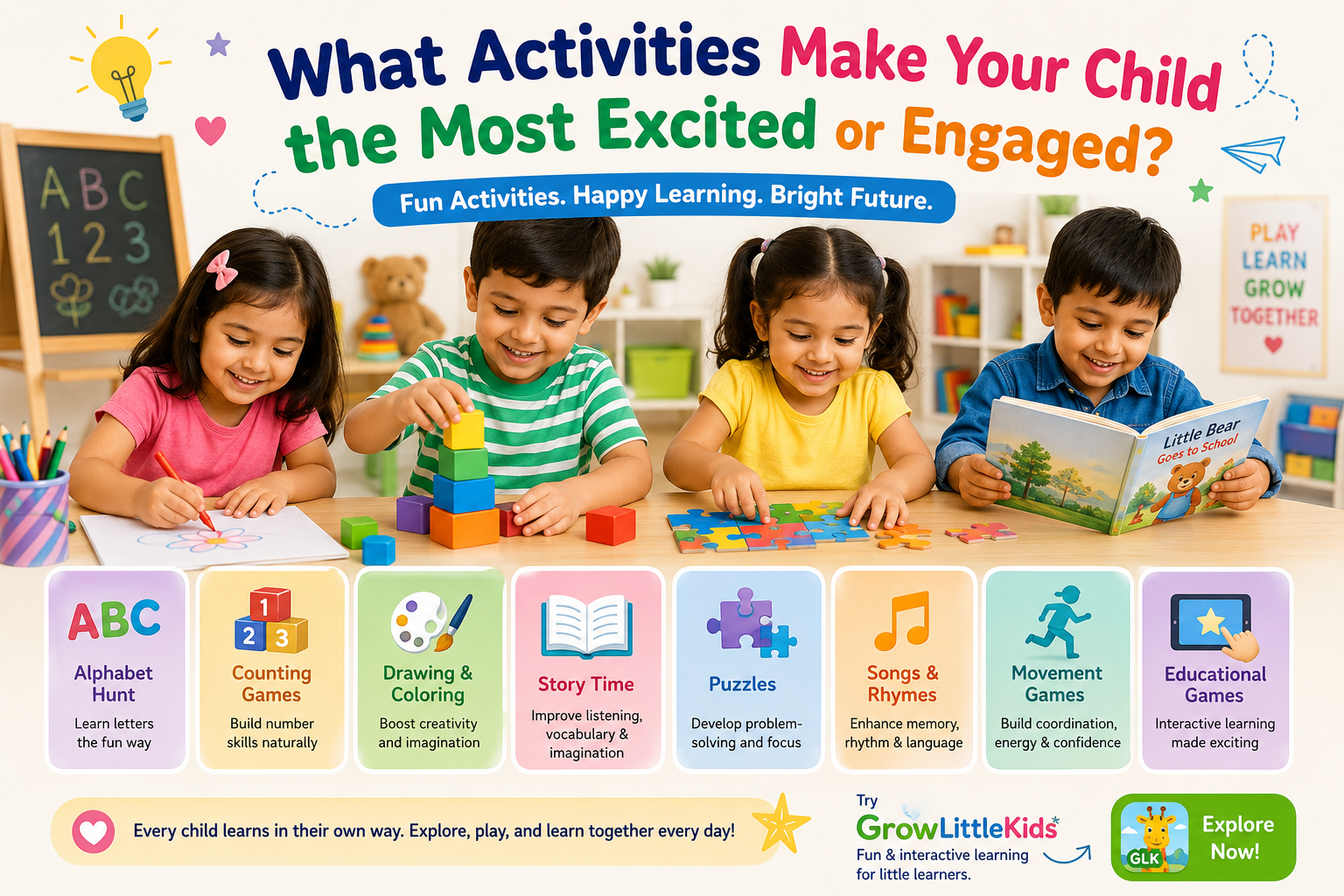
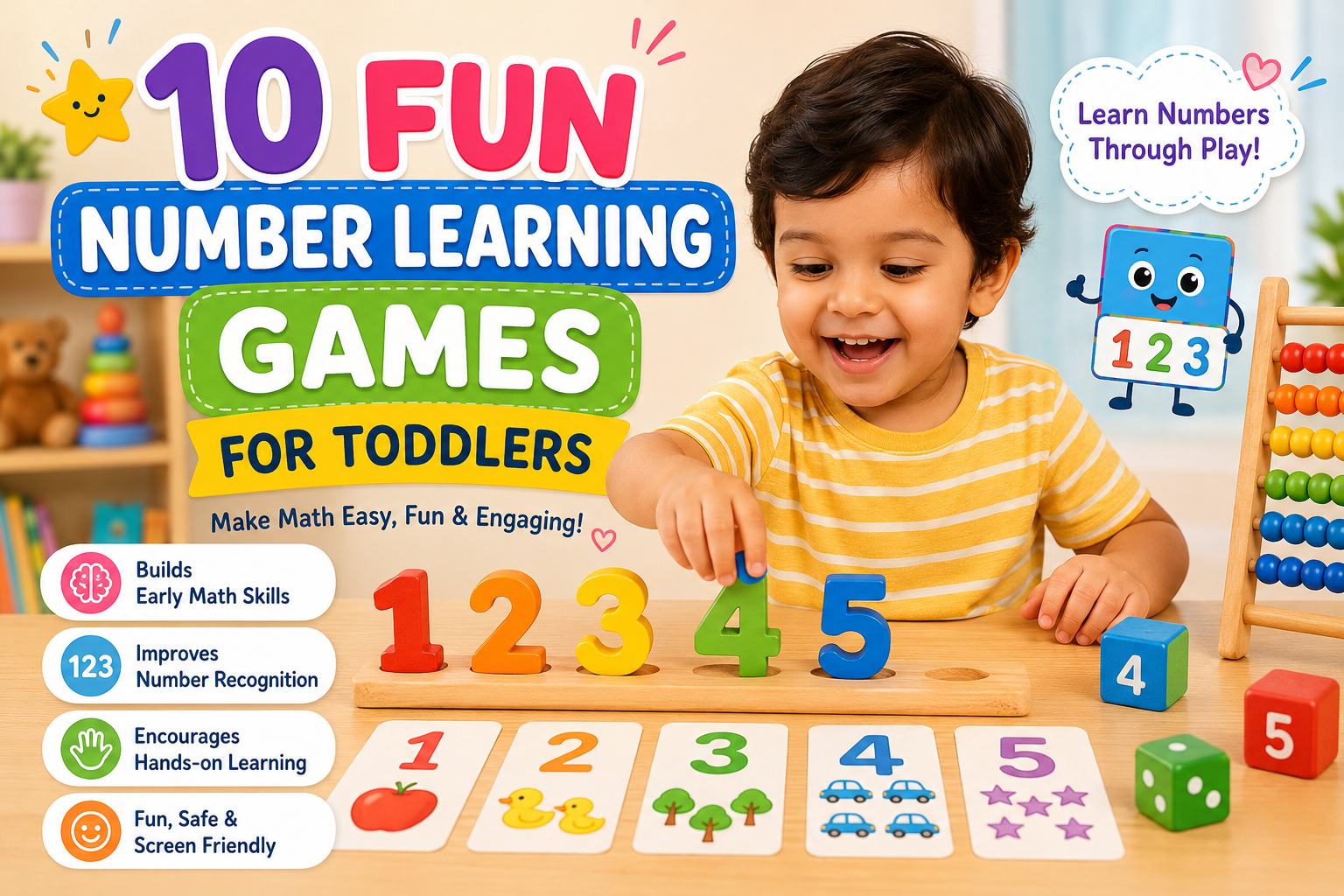
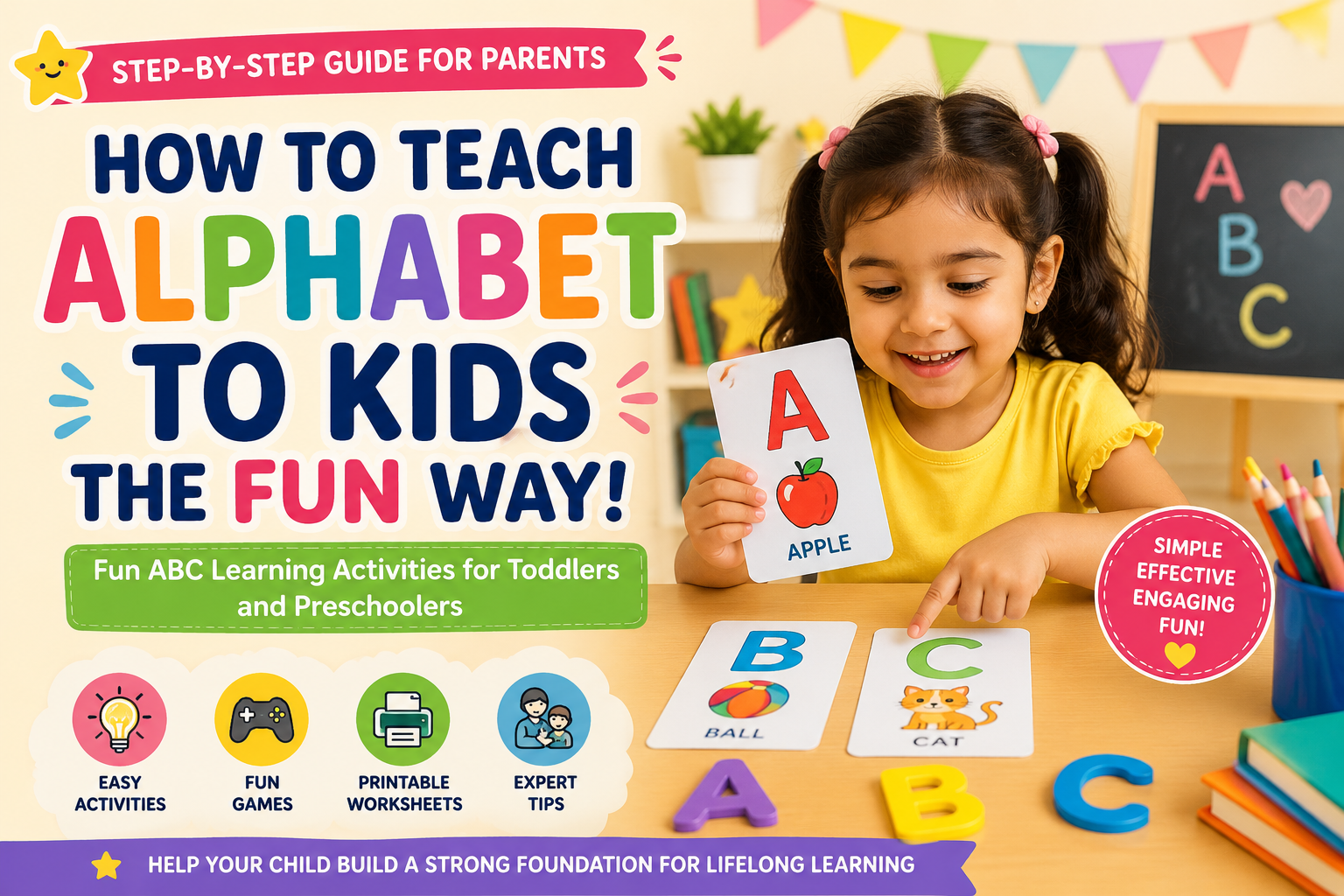
Parents can reinforce this foundation at home by making early learning a natural part of daily life. Simple activities like teaching the alphabet through fun ABC activities or exploring numbers through playful counting games can have a profound impact. You do not need formal lessons. What matters is consistent, joyful exposure to language and math concepts.
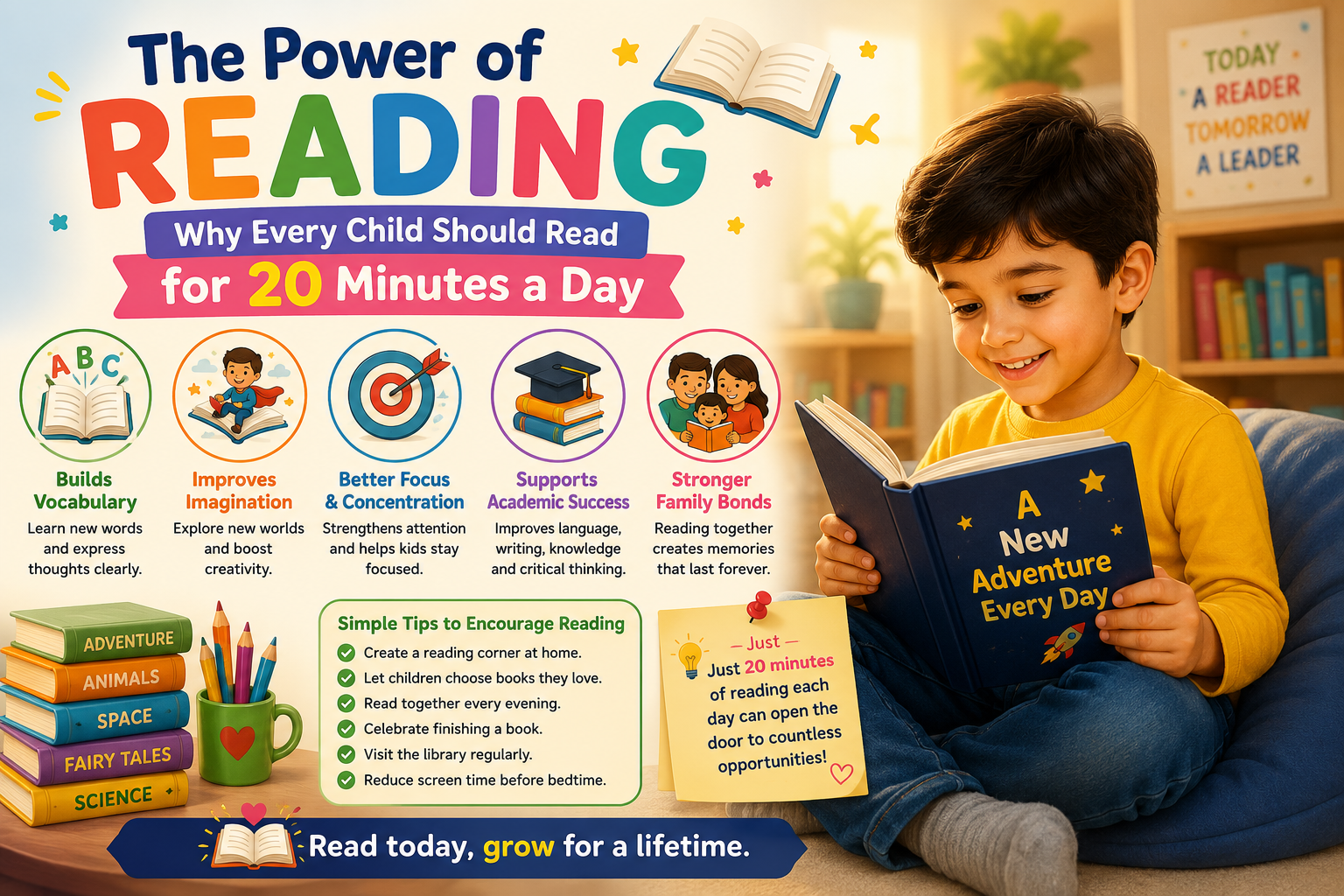
Reading aloud is another cornerstone of academic readiness. In fact, we have written extensively about why every child should read for 20 minutes a day. That daily ritual builds vocabulary, strengthens comprehension, and creates positive associations with books that last a lifetime.
Preschool also teaches children how to be students. They learn to sit in a group, raise their hand, wait their turn, and complete a task from start to finish. These behavioral skills are just as important as academic knowledge when it comes to thriving in a classroom setting.
2. Develops Social and Emotional Skills
Academics are only one piece of the puzzle. In fact, many kindergarten teachers will tell you that social-emotional readiness is often more predictive of long-term success than early academic knowledge. Can the child share? Can they handle frustration? Can they communicate needs without melting down? These skills are the hidden curriculum of preschool—and they are learned primarily through interaction with peers.
In a preschool classroom, children navigate a microcosm of society. They must negotiate who gets the red block, how to join a game already in progress, and what to do when someone bumps them accidentally. Under the guidance of skilled teachers, these moments become learning opportunities. Children practice empathy, conflict resolution, and self-regulation in real time.
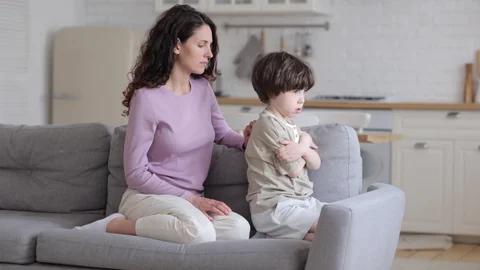
Preschool also helps children understand emotions—both their own and others'. They learn to name feelings like frustration, excitement, jealousy, and pride. They discover that it is okay to feel angry, but hitting is not okay. They begin to read social cues: a frown, a crossed arm, an inviting smile. This emotional literacy is the foundation of healthy relationships throughout life.
For parents, the takeaway is clear: social skills need practice, and preschool provides the perfect sandbox. You can support this at home by arranging playdates, modeling respectful communication, and validating your child's feelings without immediately fixing them. If you are looking for structured ways to build these skills, our guide on developing learning habits before age 8 includes practical tips on emotional safety and resilience.
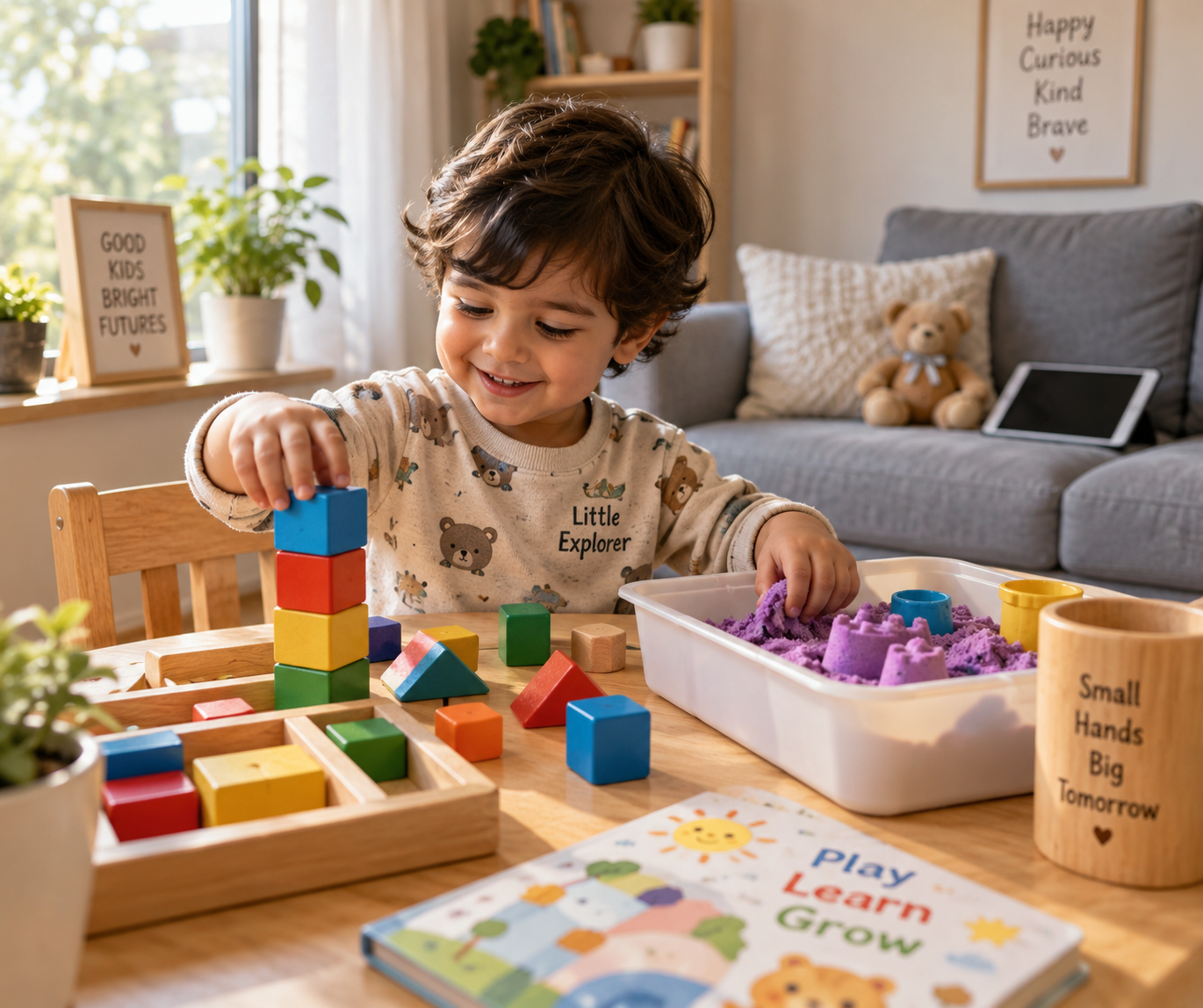
image🛠image_search:2#3Alt text: "Group of preschool children playing together with building blocks in a colorful classroom"
3. Encourages Independence and Confidence
Before preschool, most children experience a world that revolves around them. Parents anticipate needs, solve problems, and provide comfort instantly. Preschool gently shifts that dynamic. In a classroom setting, children are expected to hang up their own coats, open their own snack containers, and clean up their own messes. These small tasks build an enormous sense of capability.
Independence breeds confidence. When a child successfully pours their own juice or completes a puzzle without help, they internalize a powerful message: I can do hard things. This self-efficacy is the engine of motivation. A confident child is willing to try new challenges, ask questions, and persist through difficulties.
Preschool teachers are trained to strike a delicate balance. They offer enough support to prevent frustration but not so much that they rob children of the satisfaction of figuring things out independently. This is what psychologists call the zone of proximal development—the sweet spot where learning happens best.
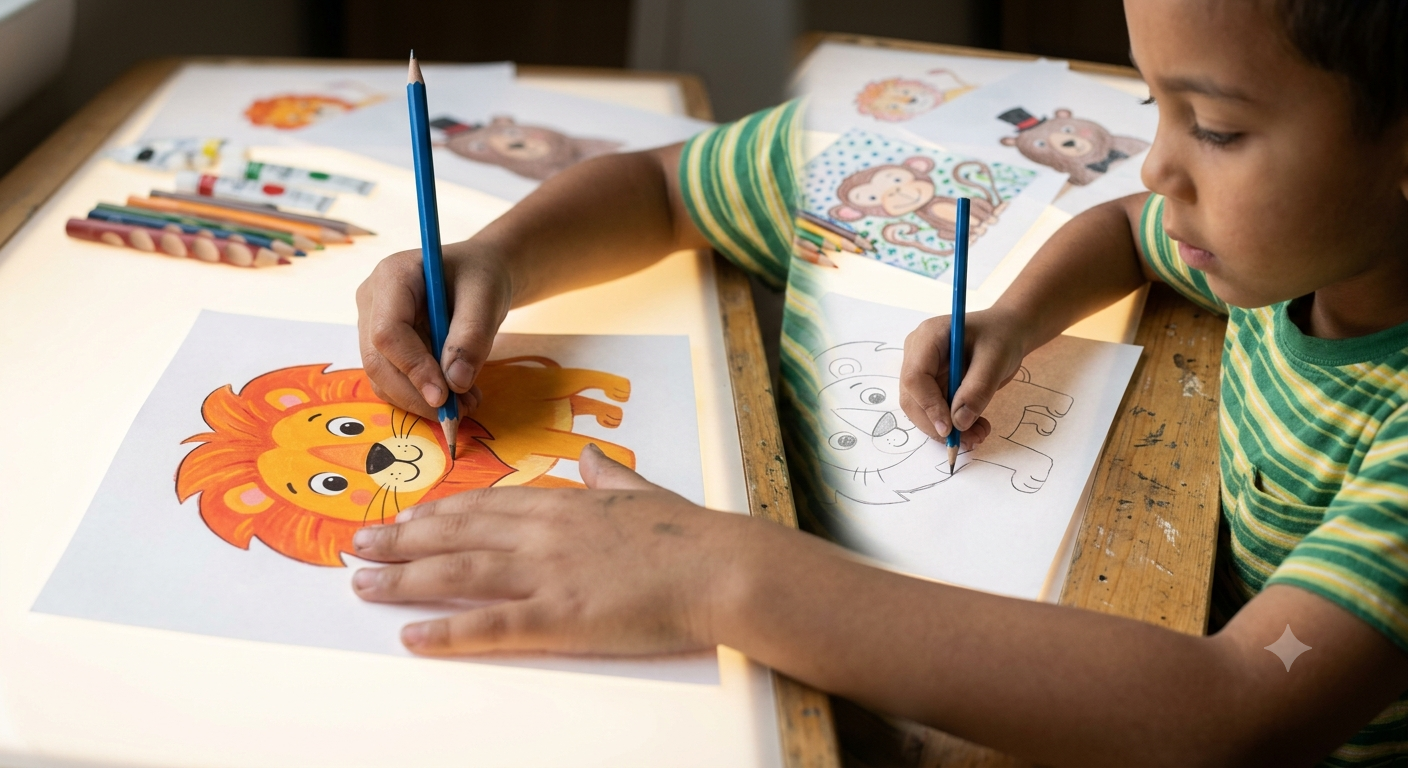
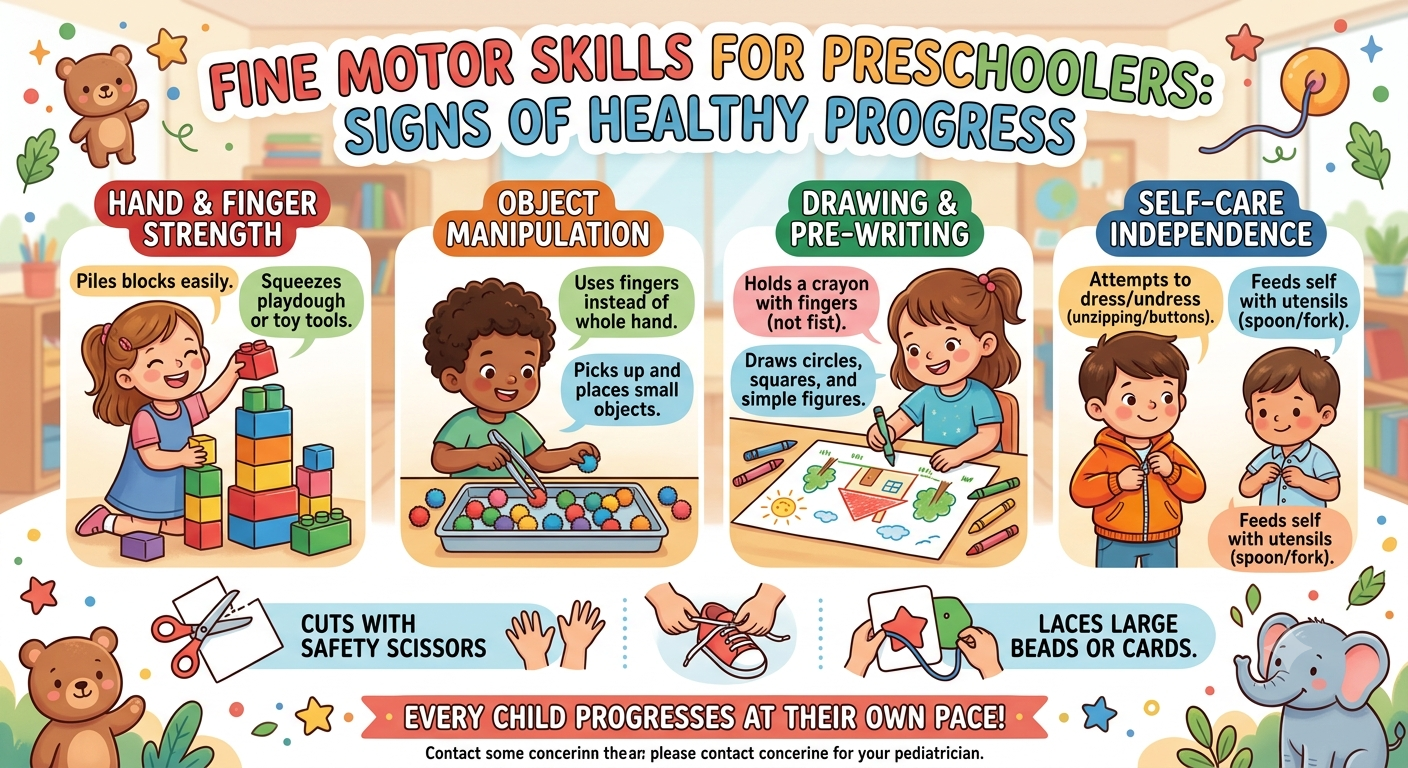
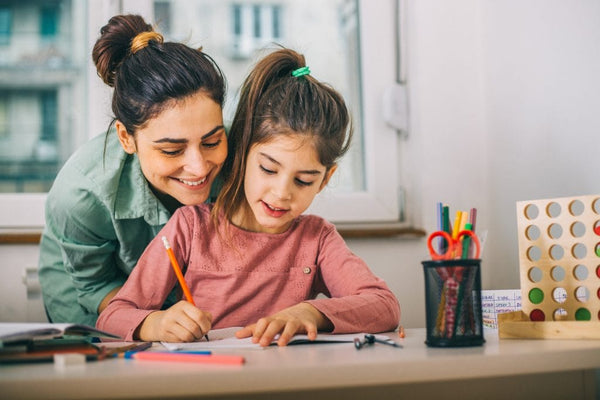
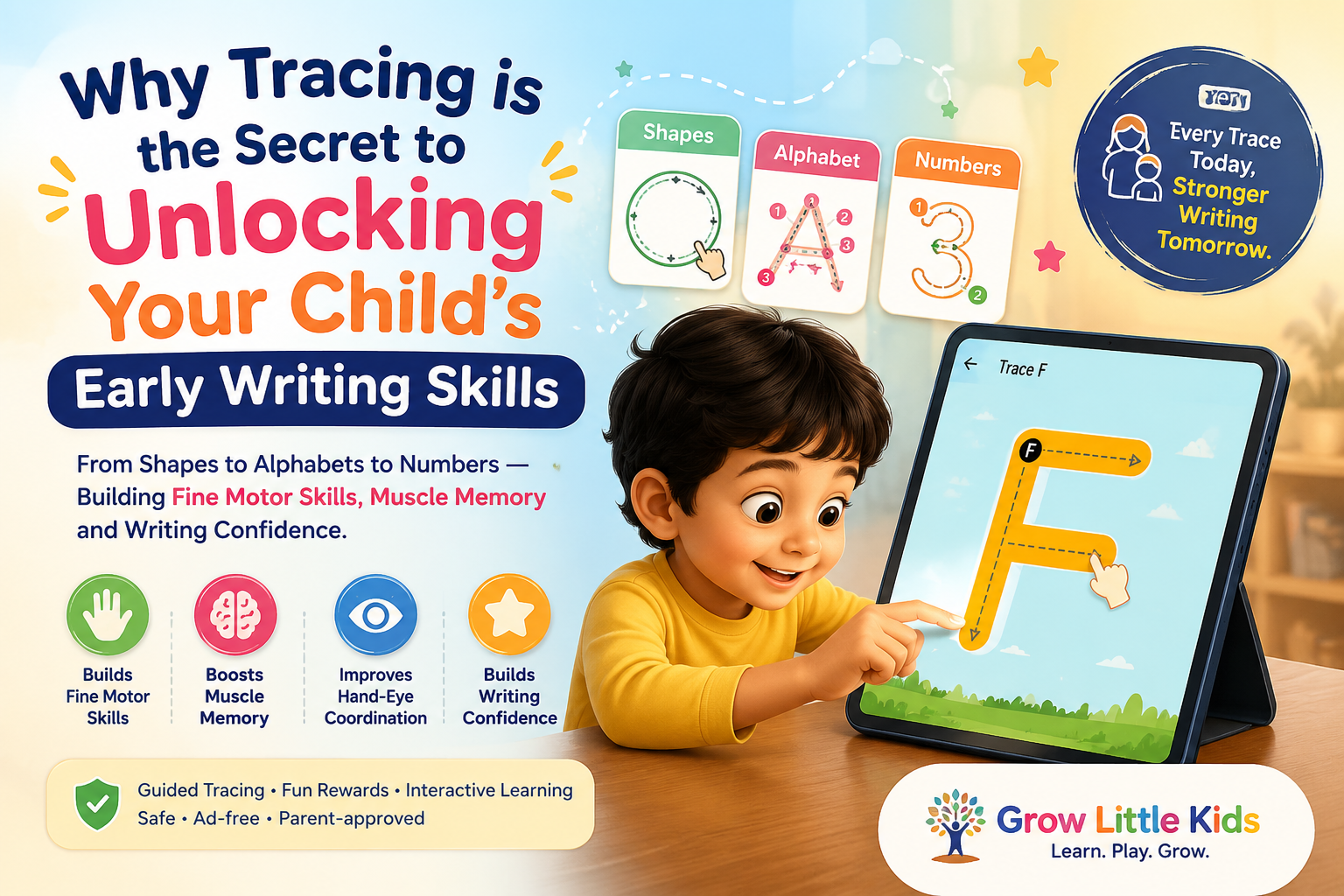
Parents can nurture this same spirit at home by resisting the urge to rush in and fix every problem. Let your child struggle with a zipper. Let them figure out how to stack blocks without them falling. Celebrate the effort, not just the outcome. Our article on why tracing unlocks early writing skills is a perfect example. At first, tracing feels awkward. But with practice, children master it—and that journey from "I can't" to "I did it!" builds grit and self-belief.
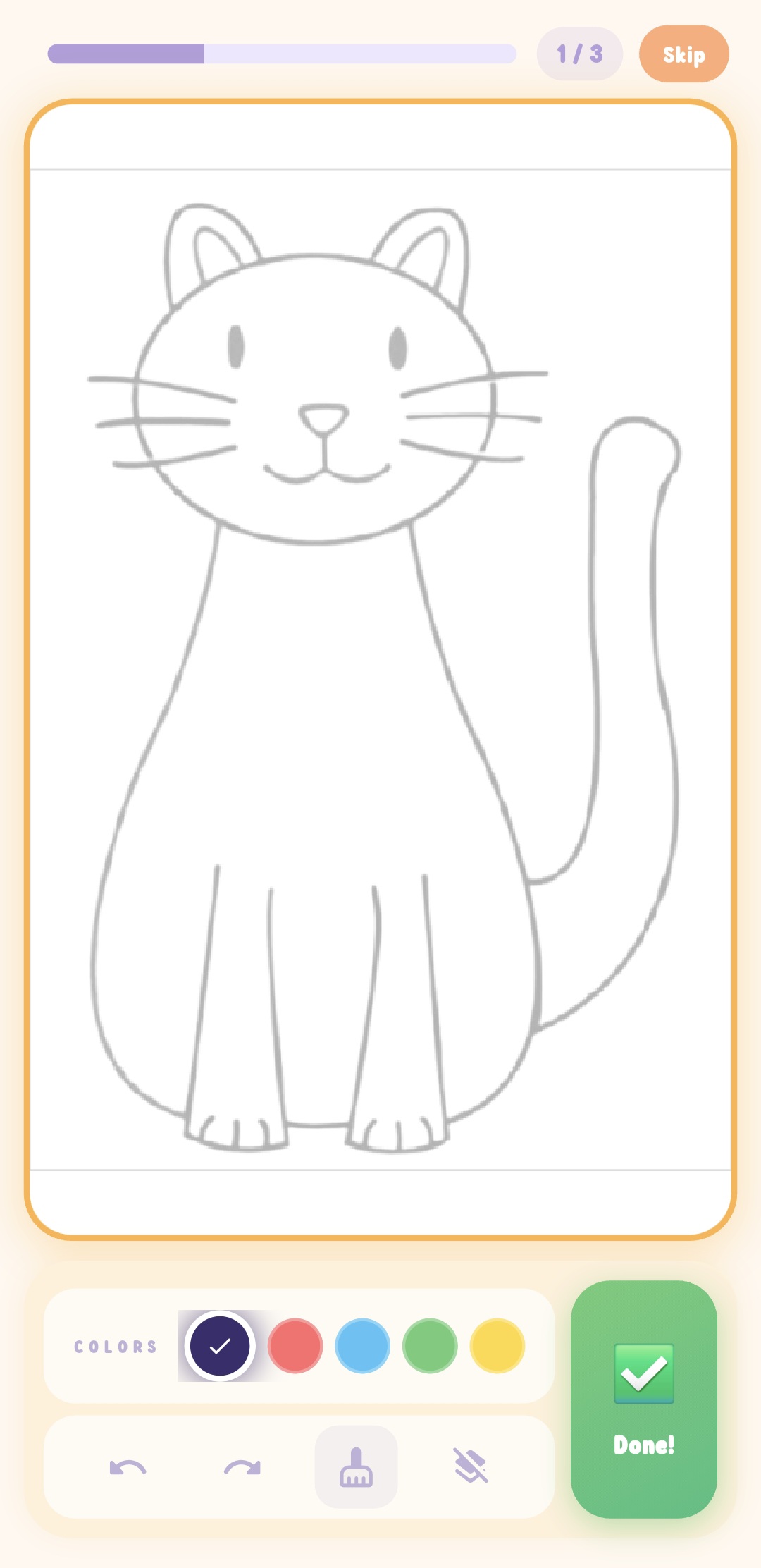
Similarly, drawing and tracing animals helps preschoolers develop fine motor control while giving them a tangible sense of progress they can see and feel proud of.
4. Sparks Creativity and a Lifelong Love for Learning
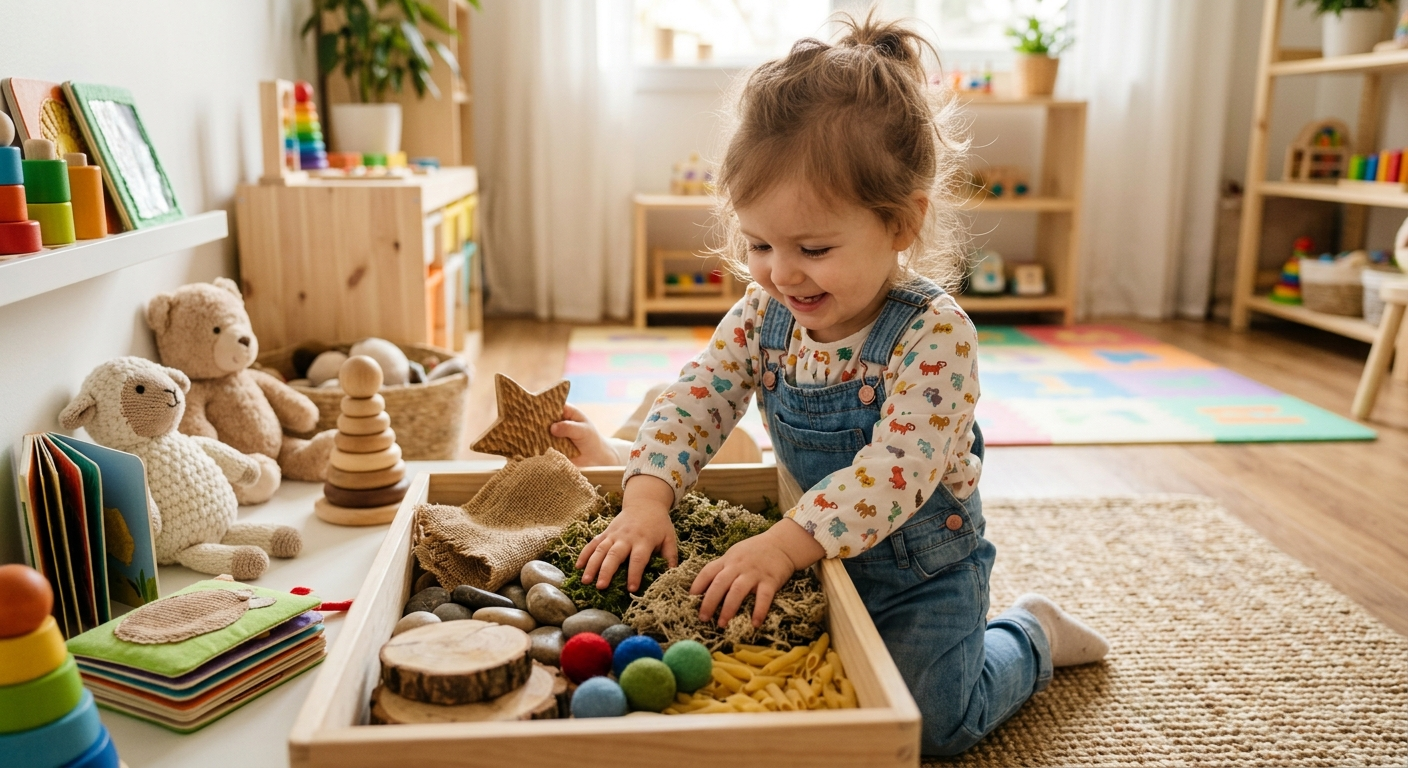
The best preschool classrooms are not silent rows of desks. They are vibrant spaces filled with paint, clay, building blocks, dress-up corners, and science experiments. This is intentional. Young children learn best through play, exploration, and sensory experiences. Preschool harnesses this natural curiosity and channels it into structured discovery.
Creativity is not just about making art. It is about thinking flexibly, seeing multiple solutions to a problem, and expressing ideas in original ways. When a child builds a spaceship from cardboard boxes or invents a story about a talking frog, they are practicing creative thinking. These skills are increasingly valued in the modern world, where rote memorization matters less than innovation and adaptability.
Perhaps even more importantly, preschool helps children associate learning with joy. When learning is fun, children seek it out. They ask questions. They experiment. They read for pleasure rather than obligation. This intrinsic motivation is the holy grail of education—and it is easiest to cultivate in the early years.
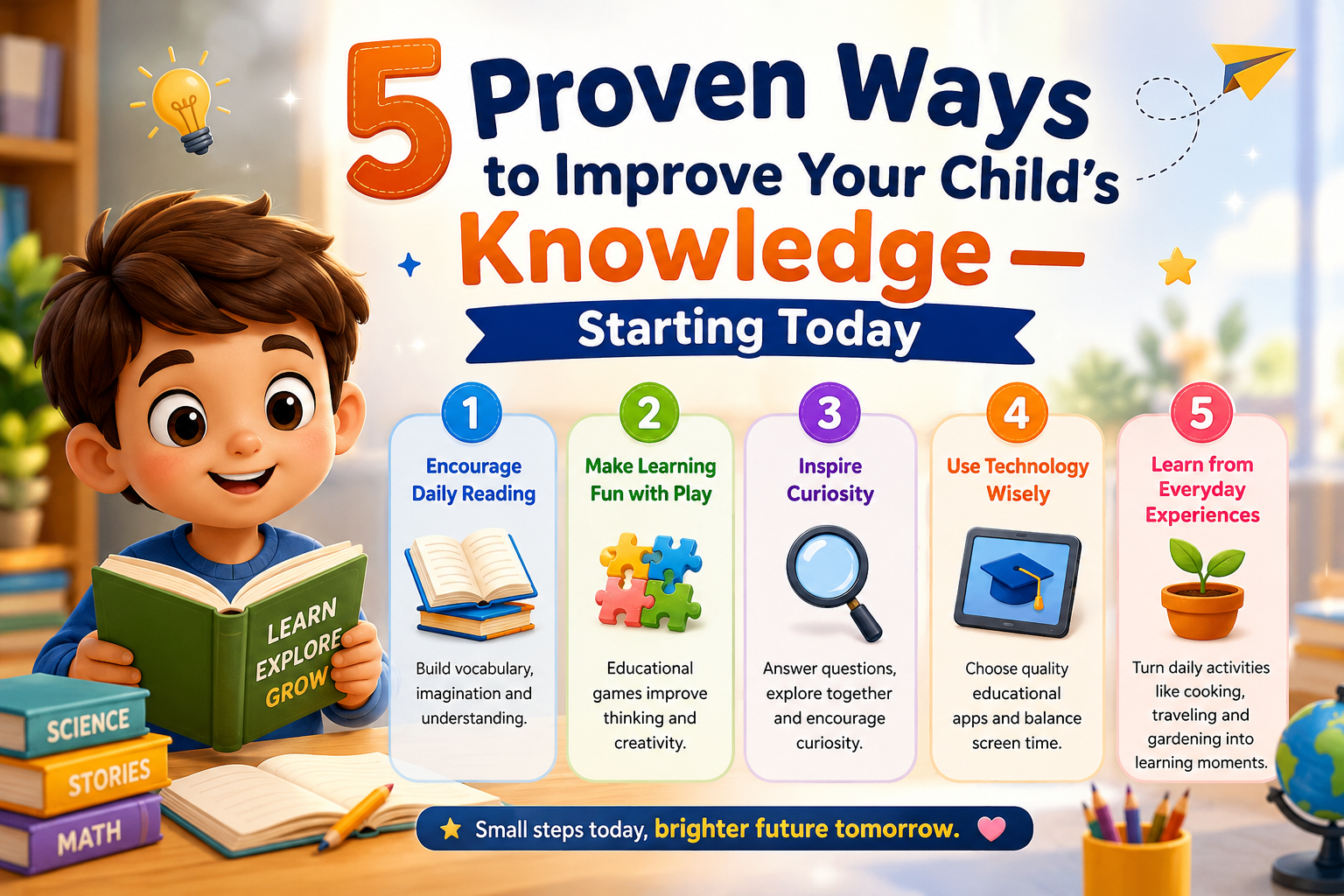
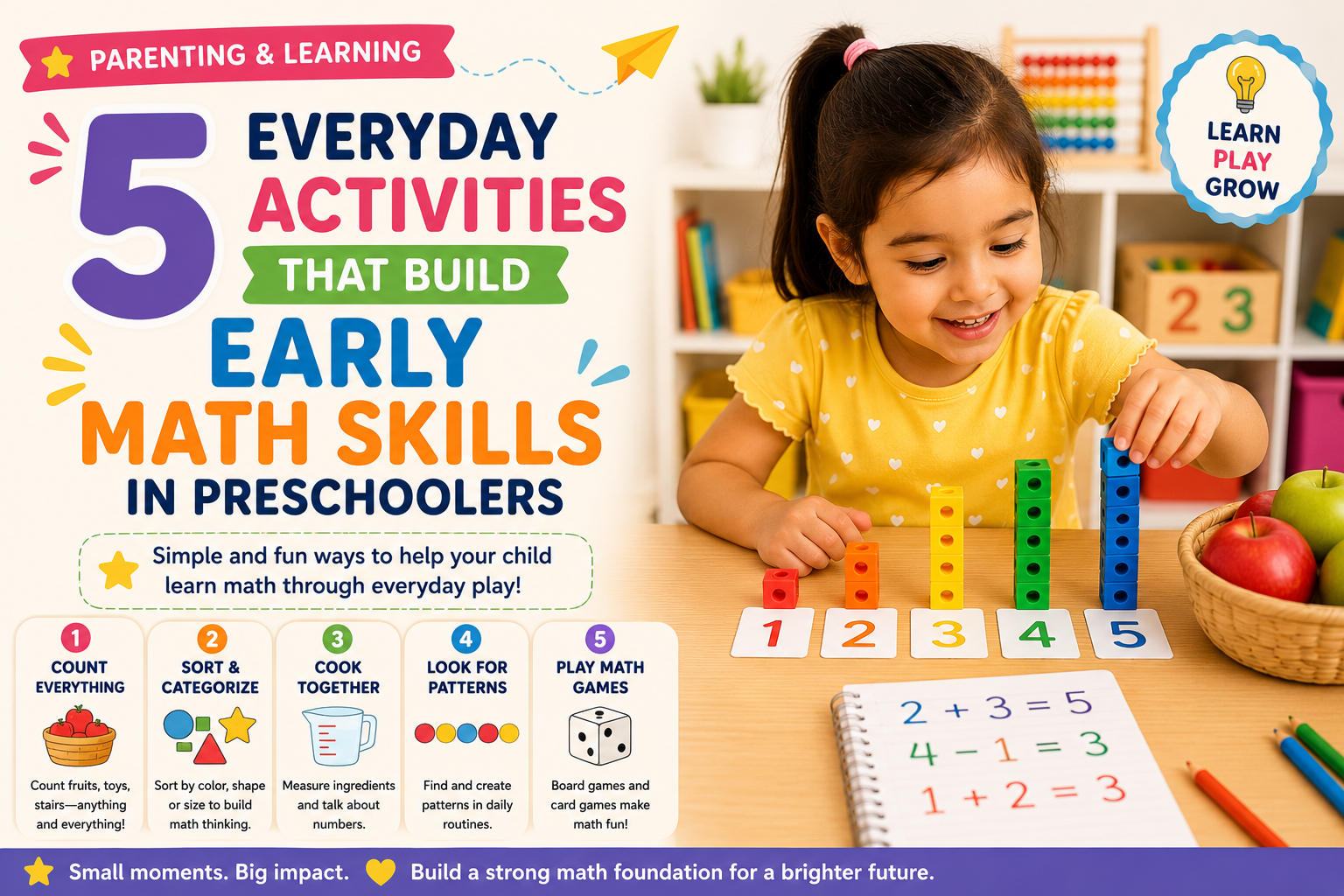
You can fan this flame at home by providing open-ended materials, asking curious questions, and following your child's interests wherever they lead. If they are fascinated by dinosaurs, get dinosaur books. If they love water, do sink-or-float experiments in the bathtub. Our guide on 5 everyday activities that build early math skills is full of simple, playful ideas that turn ordinary moments into learning adventures.
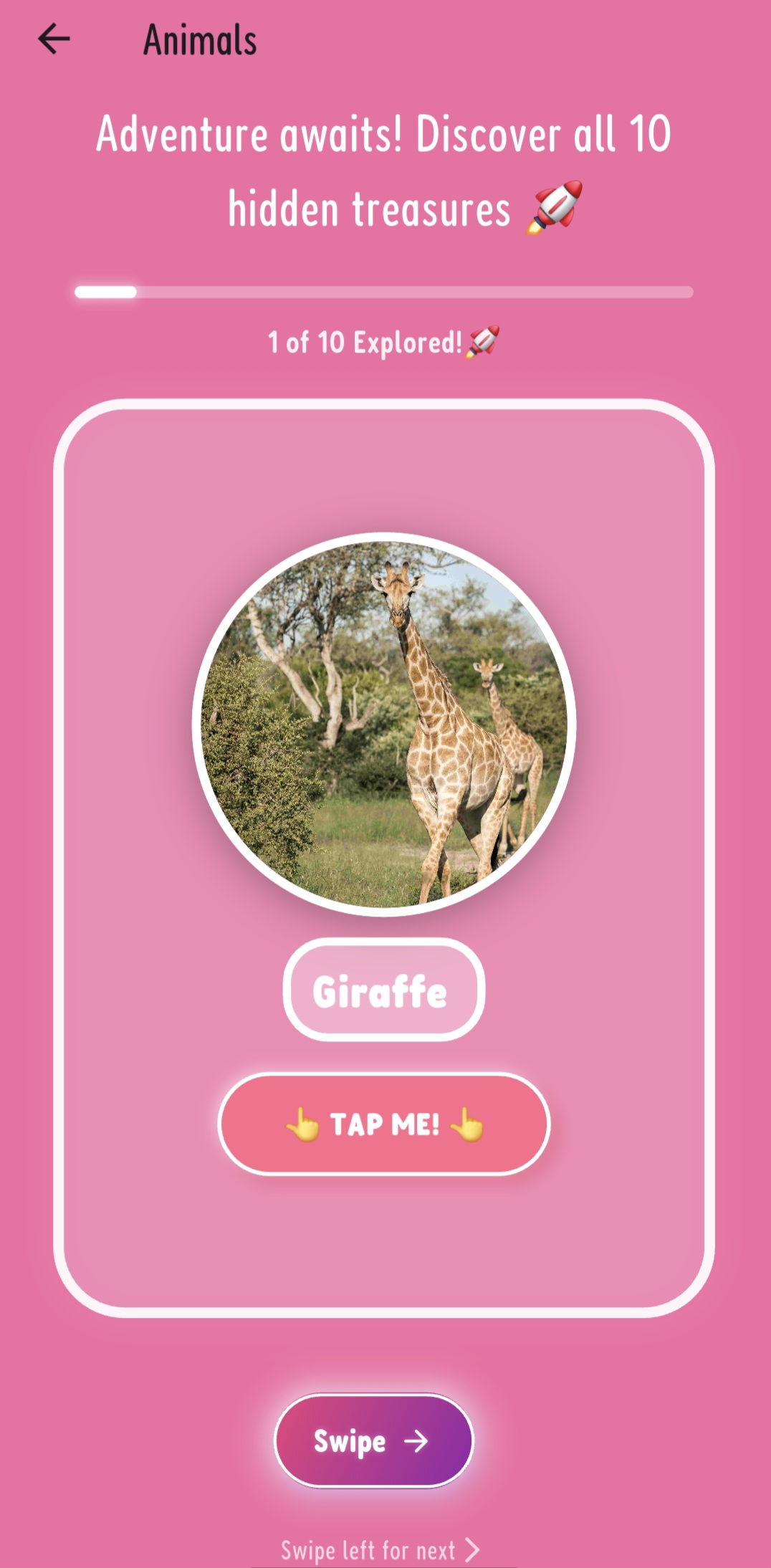
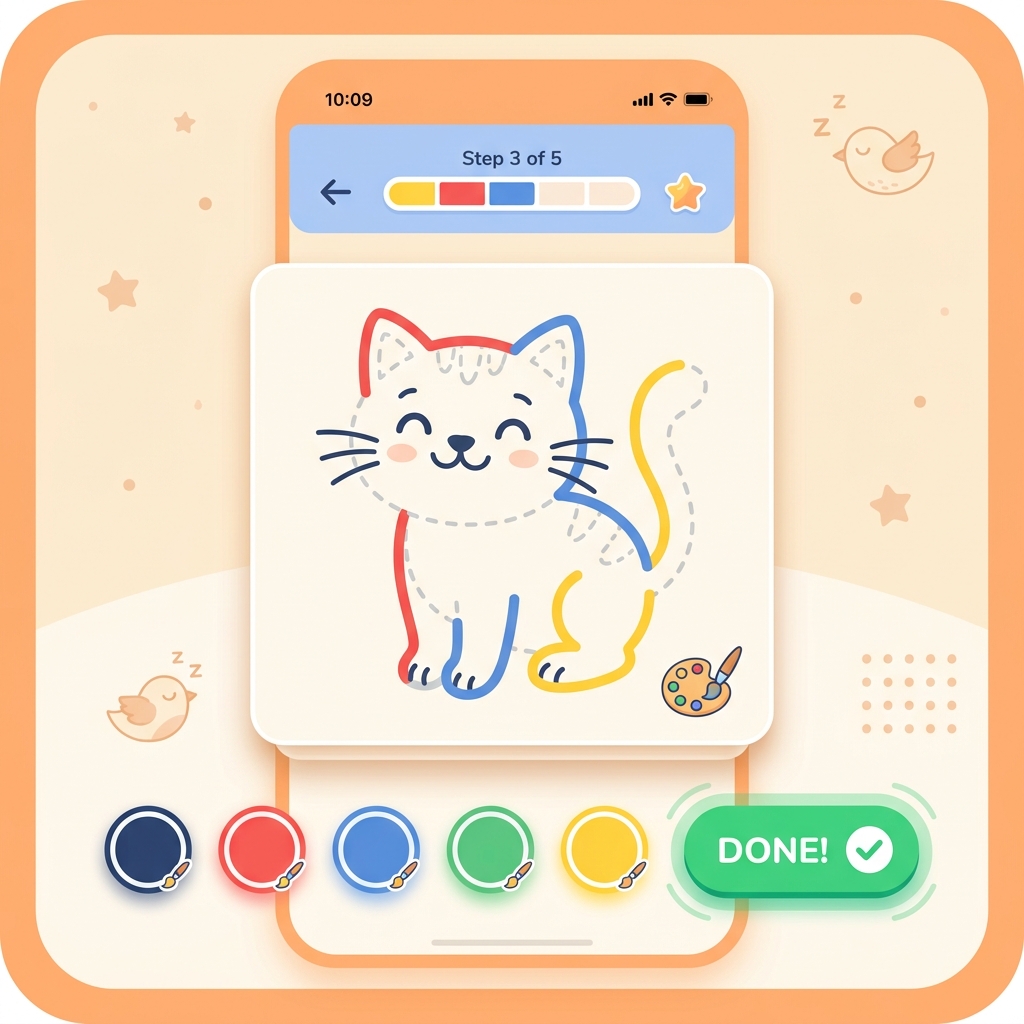
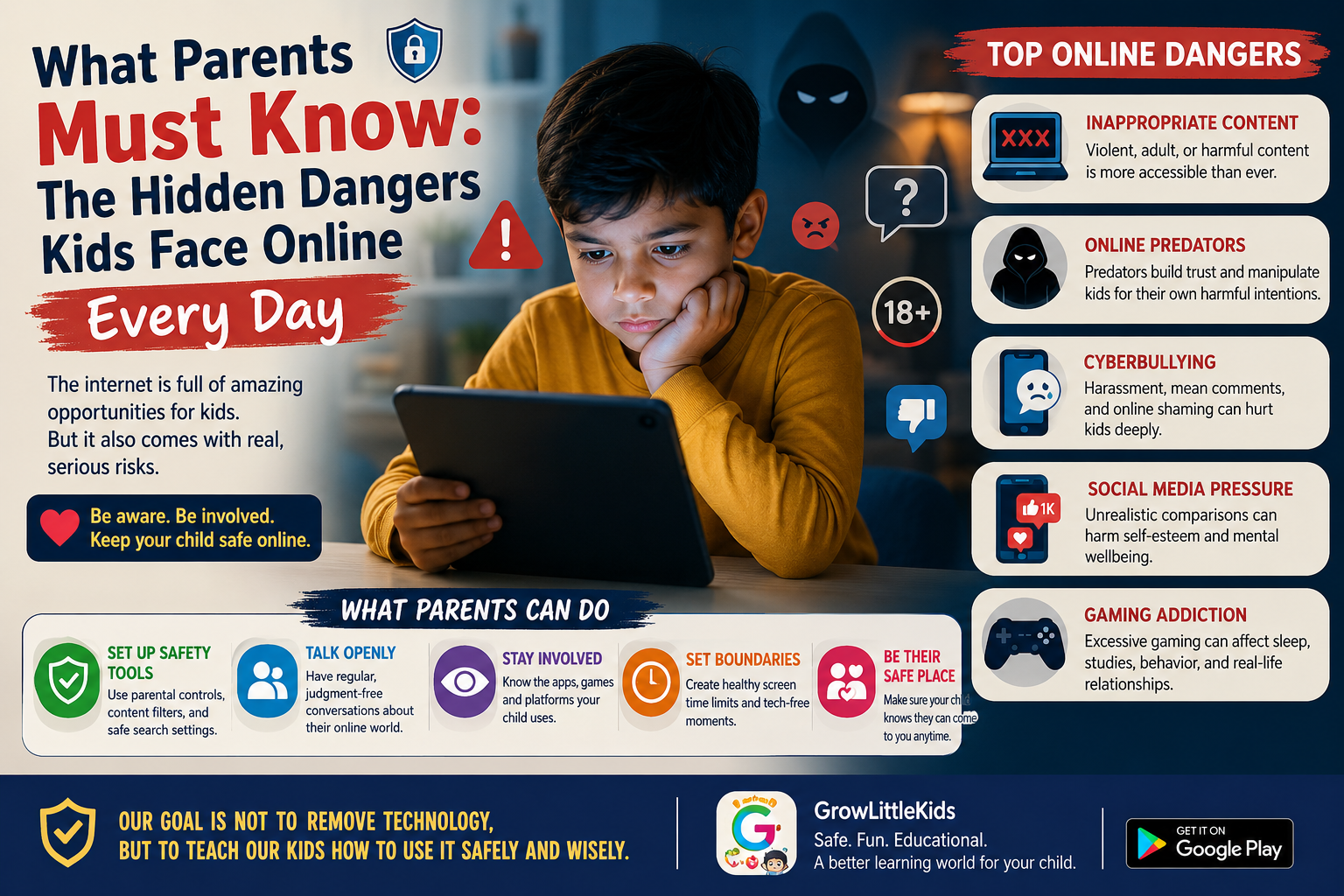
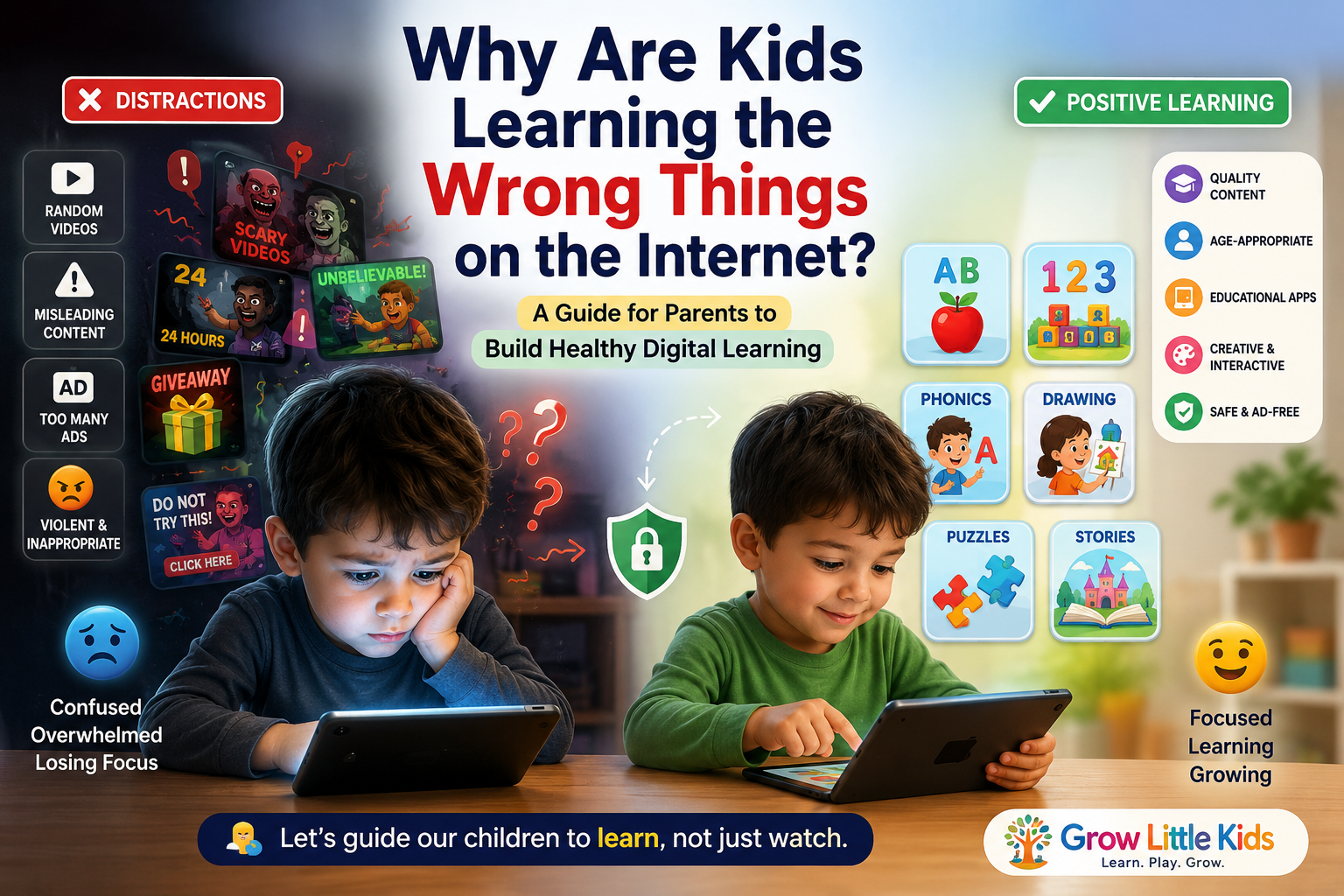
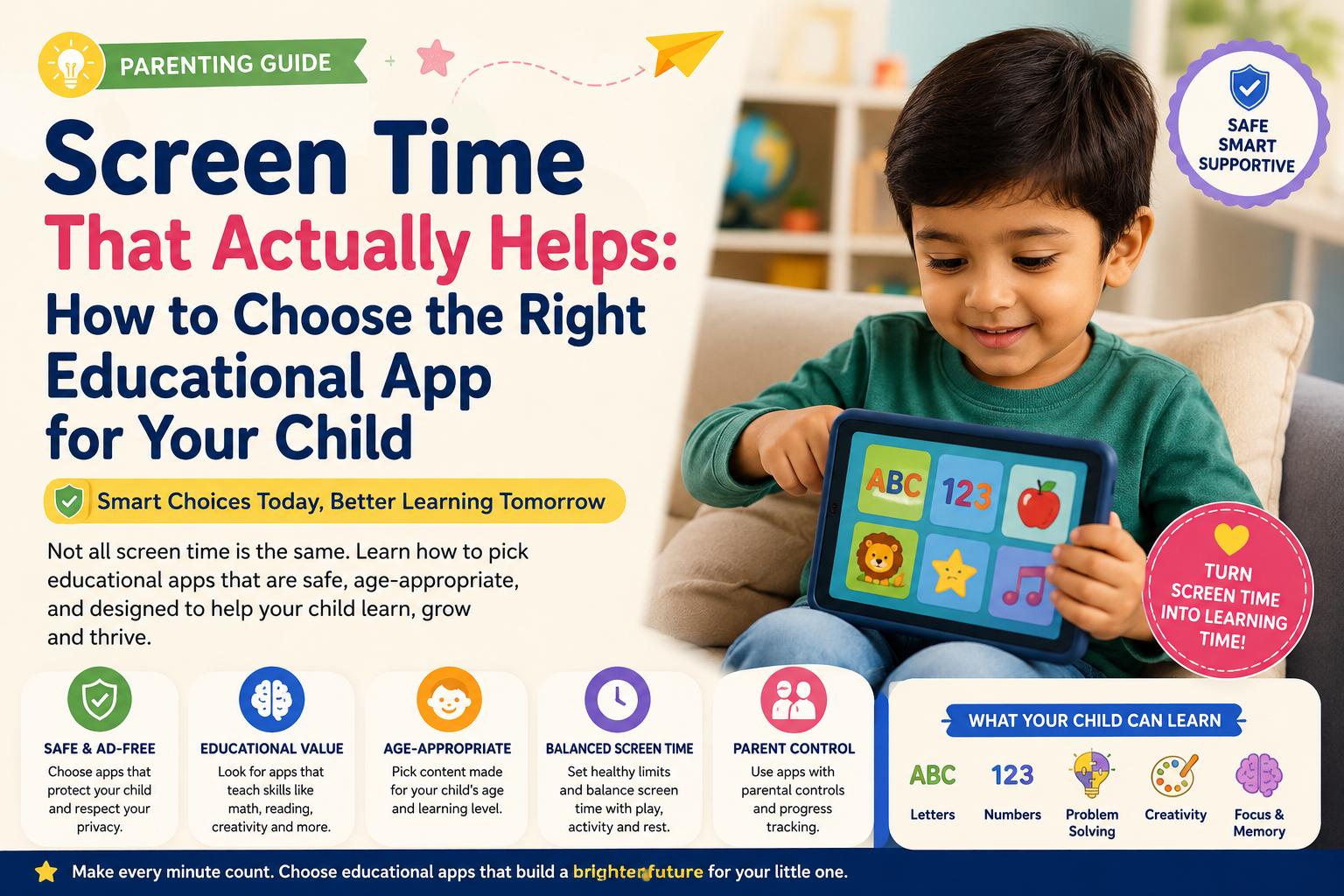
In today's digital age, it is also worth being thoughtful about how technology fits into your child's creative world. Not all screen time is equal. Learn how to choose the right educational app for your child so that digital tools enhance rather than replace hands-on exploration.
image🛠image_search:2#4Alt text: "Preschool children participating in a creative art activity together in a classroom"
What to Look for in a Quality Preschool Program
Not all preschools are created equal. A quality program should offer:
- Low student-to-teacher ratios so every child receives attention
- Trained, caring educators who understand early childhood development
- A balance of structured and unstructured time
- Opportunities for physical activity, outdoor play, and sensory exploration
- Open communication with parents about progress and concerns
- A safe, nurturing environment where children feel emotionally secure
Trust your instincts. The best preschool for your child is one where they come home happy, tired in a good way, and eager to return the next day.
Preschool at Home: Is It Possible?
Some families choose not to enroll in a formal preschool program—and that is perfectly valid. What matters is that children still receive rich, stimulating experiences and regular social interaction with peers. A stay-at-home parent who reads daily, arranges playdates, visits museums, and engages in purposeful play can absolutely provide a preschool-quality education.
The key is intentionality. Learning does not happen by accident. It happens when adults create environments where curiosity is welcomed, questions are celebrated, and challenges are viewed as opportunities. If you are taking the home-preschool route, be sure to check out our comprehensive guide on how to develop learning habits before age 8 for a step-by-step framework you can follow.
Conclusion
Preschool education is one of the most impactful investments you can make in your child's future. It builds academic foundations, nurtures social and emotional intelligence, fosters independence, and ignites a lifelong love of learning. These benefits do not disappear after kindergarten; they ripple outward, influencing every year of school and every chapter of life.
Whether your child attends a formal program or learns primarily at home, the principles remain the same: create a stimulating environment, encourage curiosity, validate emotions, and celebrate effort. The early years are a gift. Use them wisely.
At GrowLittleKids, we are here to support you with expert advice, activity ideas, and parenting insights. Explore our full blog for more resources on early childhood education, or dive into our guides on reading, math, and literacy to keep the learning going at home.