Why Kindness to Animals Is the Heartbeat of Early Childhood 🐾
Have you ever watched a toddler stop in their tracks just to watch a tiny caterpillar crawl across a garden leaf, or gently reach out to pet a purring kitten? Children are born with a natural, instinctive wonder for animals and living beings. They don't see animals as separate from our world — they see them as friends, playmates, and fellow companions on this Earth.
Teaching children how to save animals and care for nature is one of the most powerful gifts parents and educators can offer. When we teach a young child to respect a tiny ant, put out water for a thirsty sparrow, or treat a community dog with kindness, we are not just helping wildlife — we are building empathy, emotional intelligence, and a lifelong moral compass.
As the great naturalist David Attenborough once said, "Children have an instinctive empathy for the natural world. If we nurture it, they will grow up to be guardians of the Earth." Let us explore why protecting animals and saving trees go hand-in-hand, and how your family can take meaningful, real-world action starting today.
The Invisible Thread: How Trees, Animals, and Nature Rely on Each Other 🌿
In our modern cities, it is easy to forget that animals and trees form an unbroken circle of life. When we save trees and green forests, we directly save millions of animal species that depend on them for food, shelter, and survival:
- Canopy Homes: Over 80% of terrestrial animals — from birds and squirrels to tree frogs, monkeys, and butterflies — live inside forest trees and leafy green habitats. When trees are cut down, these animals lose their homes overnight.
- Seed Planters of the Wild: Did you know animals are nature's gardeners? Birds, bats, and small mammals eat wild fruits and disperse seeds across vast distances through their droppings, naturally replanting forests without human help.
- The Pollination Magic: Bees, butterflies, moths, and sunbirds pollinate over 75% of flowering plants and fruit crops. Without them, trees would not produce fruit, and human food supplies would collapse.
- Balance in the Food Chain: Every creature, no matter how small, keeps the ecosystem in check. Frogs and birds eat mosquitoes and pests, owls and snakes control rodent populations, and earthworms enrich the soil so tree roots can thrive.
Protecting animals is not an isolated task — it is the heartbeat of protecting our climate, our water, and our planet's future.
10 Practical & Heartfelt Ways Families Can Save Animals Starting Today 🐾
1. Place Water Bowls and Grain Feeders for Neighborhood Birds 🕊️
During scorching summer afternoons and dry seasons, hundreds of birds and stray animals suffer from dehydration and heat exhaustion in urban concrete jungles. You and your child can create an instant sanctuary with two simple steps:
- Earthen Water Pots: Place a clean terracotta or clay bowl of fresh water on your balcony ledge, terrace, or garden boundary wall. Clay naturally keeps water cool. Make it a daily morning routine for your child to rinse and refill the water bowl.
- Balcony Bird Feeder: Hang a small tray or recycled plastic bottle bird feeder with millet (bajra), sunflower seeds, or crushed grains. Watching sparrows, pigeons, and mynas visit your home brings boundless joy and teaches gentle observational patience.
2. Plant Animal- and Pollinator-Friendly Trees and Shrubs 🌳
Transform your balcony or garden into a welcoming mini-ecosystem by planting native trees, flowering shrubs, and herbs that provide nectar and shelter:
- For Butterflies and Honeybees: Plant nectar-rich flowering plants like Hibiscus, Marigold (Genda), Jasmine, Ixora, and Curry Leaves (where butterfly caterpillars love to feed).
- For Birds and Squirrels: If you have garden space, plant fruit-bearing native trees like Guava, Jamun, Mulberry, Amla, or Papaya. These provide clean, pesticide-free nourishment for local wildlife all year round.
3. Say No to Plastic Trash That Harms Innocent Creatures 🚯
Every year, millions of street cows, dogs, turtles, and marine animals accidentally ingest discarded plastic bags, bottle caps, and food wrappers smelling of food waste, leading to fatal digestive blockages. Here is how your family can protect them:
- Never throw kitchen waste in plastic polythene bags: Feed vegetable peels directly to cattle or compost them into nutrient-rich soil.
- Cut Open Plastic Rings & Packets: Snip the plastic rings from milk packets, face mask loops, and plastic bottle seals before throwing them away so birds and small animals do not get their necks or beaks trapped in them.
- Carry Reusable Cloth Bags: Refuse plastic shopping bags when buying groceries or fruits with your children.
4. Treat Street Animals and Community Pets with Compassion 🐕
Community dogs, cats, and birds share our neighborhoods and deserve respect and care. Teach your children to be compassionate neighbors:
- Never Throw Stones or Tease Animals: Help kids understand that animals feel fear, pain, and stress just like we do. A wagging tail or calm demeanor should be met with gentle respect, never loud shrieks or throwing objects.
- Feed Stray Animals Responsibly: Keep safe leftover rotis, boiled rice, or pet biscuits in clean designated feeding spots away from high-traffic roads so animals can eat safely.
- Keep Emergency Rescue Numbers Handy: Note down the contact details of local animal welfare NGOs, animal ambulances, and veterinary helplines so you can report injured or sick stray animals quickly.
5. Never Disturb Nests, Hive Homes, or Tiny Animal Habitats 🪺
When exploring parks or your building garden, children are naturally curious to touch bird nests or poke beehives. Teach them the golden rule of nature: "Look with your eyes, not with your hands."
Touching a fragile bird nest can scare away the mother bird, leaving unhatched eggs or baby chicks vulnerable to predators and cold weather. Encourage your child to observe nests from a safe distance using a magnifying glass or binoculars, respecting the animal's sacred home.
6. Create a Safe Sanctuary in Your Balcony or Backyard 🏡
Even small urban spaces can offer refuge to wildlife during harsh weather:
- Provide Shade and Rest Corners: Set up a small cardboard box with an old towel in a quiet balcony corner where stray cats or exhausted pigeons can find shelter from pouring rain or harsh direct sunlight.
- Avoid Chemical Pesticides: Toxic insect sprays and chemical lawn treatments poison the caterpillars, dragonflies, and earthworms that birds rely on for food. Switch to organic neem oil sprays and natural compost.
7. Support Local Animal Rescues and Wildlife Conservation 🤝
Involve your family in local community animal welfare. You don't need huge donations to make a meaningful difference:
- Donate Old Blankets and Towels: In winter months, animal shelters desperately need old bedsheets, blankets, and towels to keep rescued puppies, kittens, and injured animals warm.
- Foster or Adopt, Don't Shop: When your family feels ready to welcome a pet, choose to adopt an indie pup or kitten from a local shelter instead of buying from commercial breeding mills.
- Visit Ethical Wildlife Sanctuaries: Choose animal sanctuaries that focus on rehabilitation and protection rather than commercial roadside circuses or shows that exploit animals for entertainment.
8. Teach Children Kindness Through Animal Stories and Drawing 🎨
Creative activities reinforce empathy in toddlers and preschoolers. Spending time learning through purposeful play helps children build deep emotional connections with wildlife:
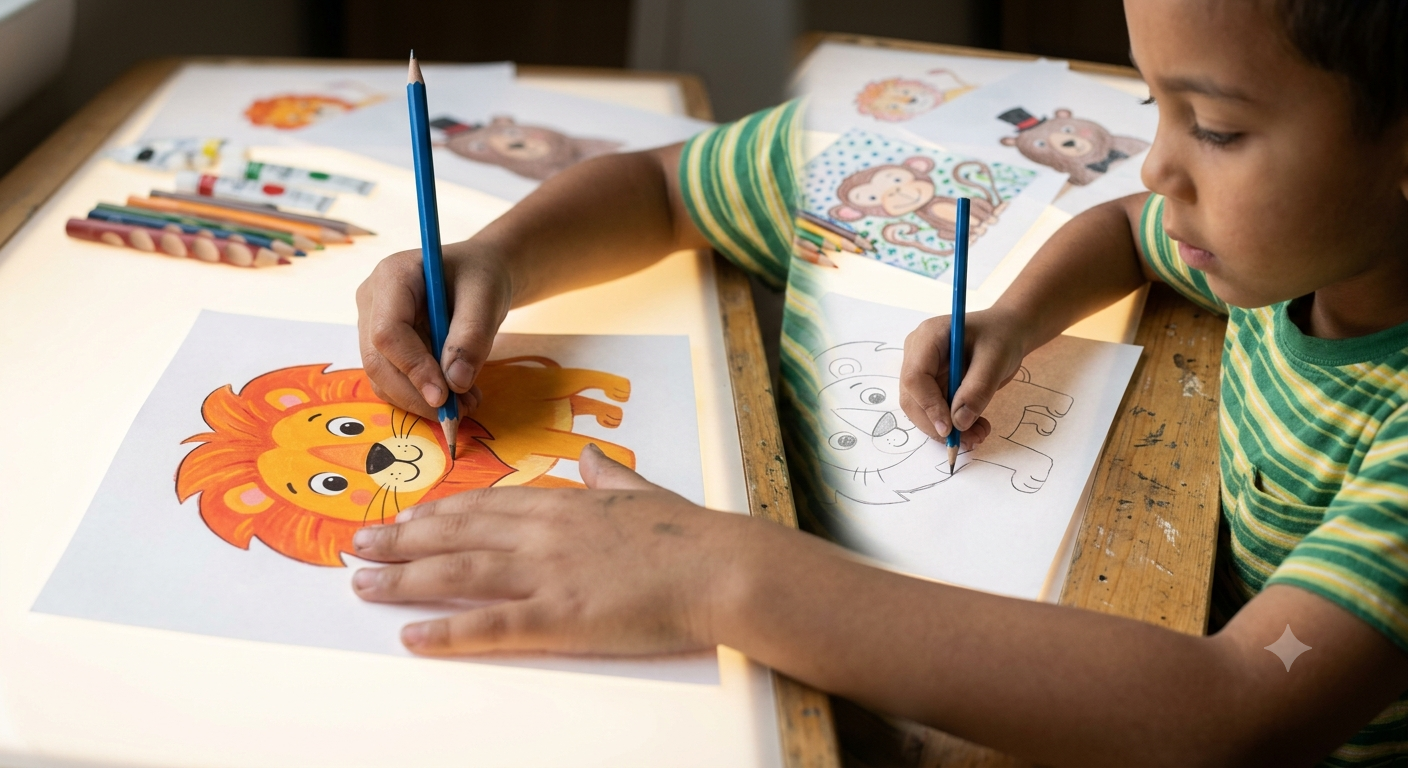
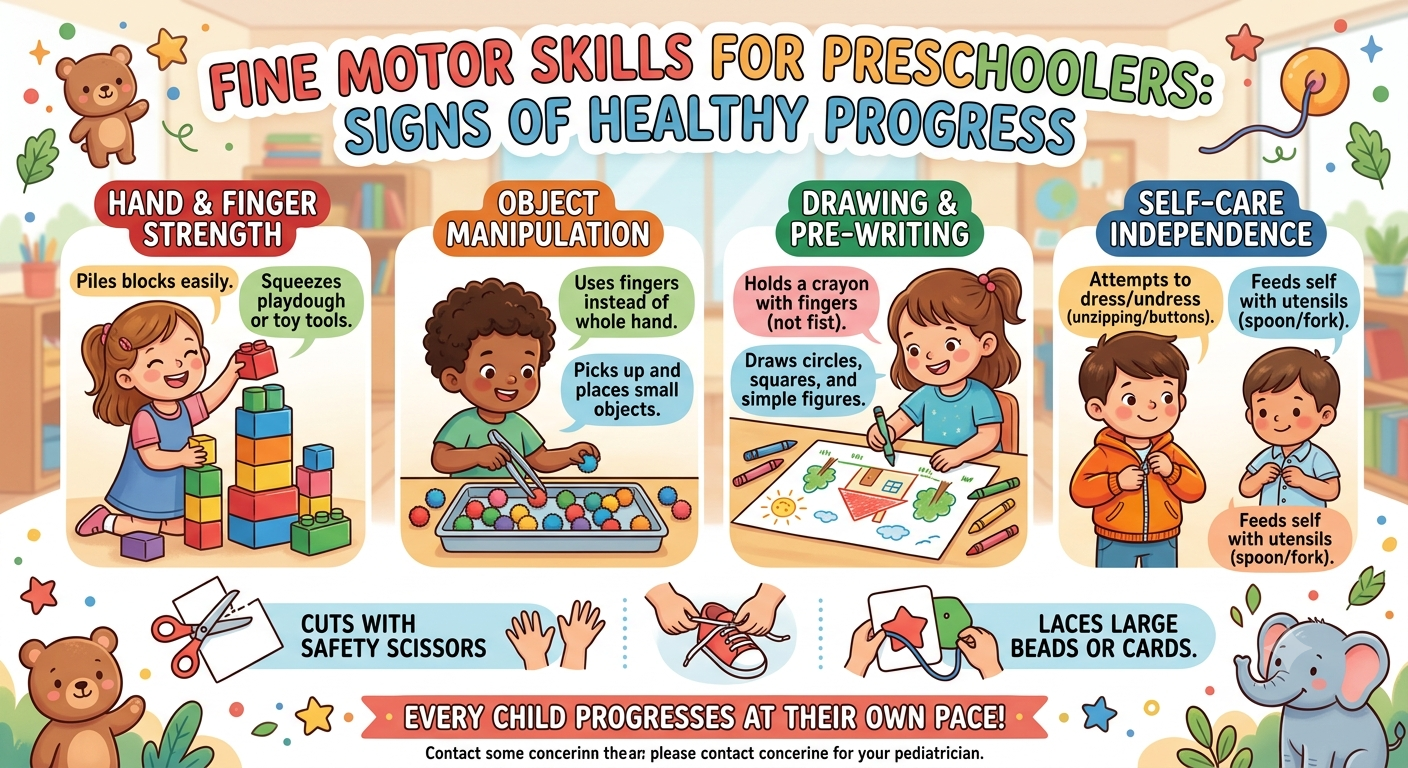
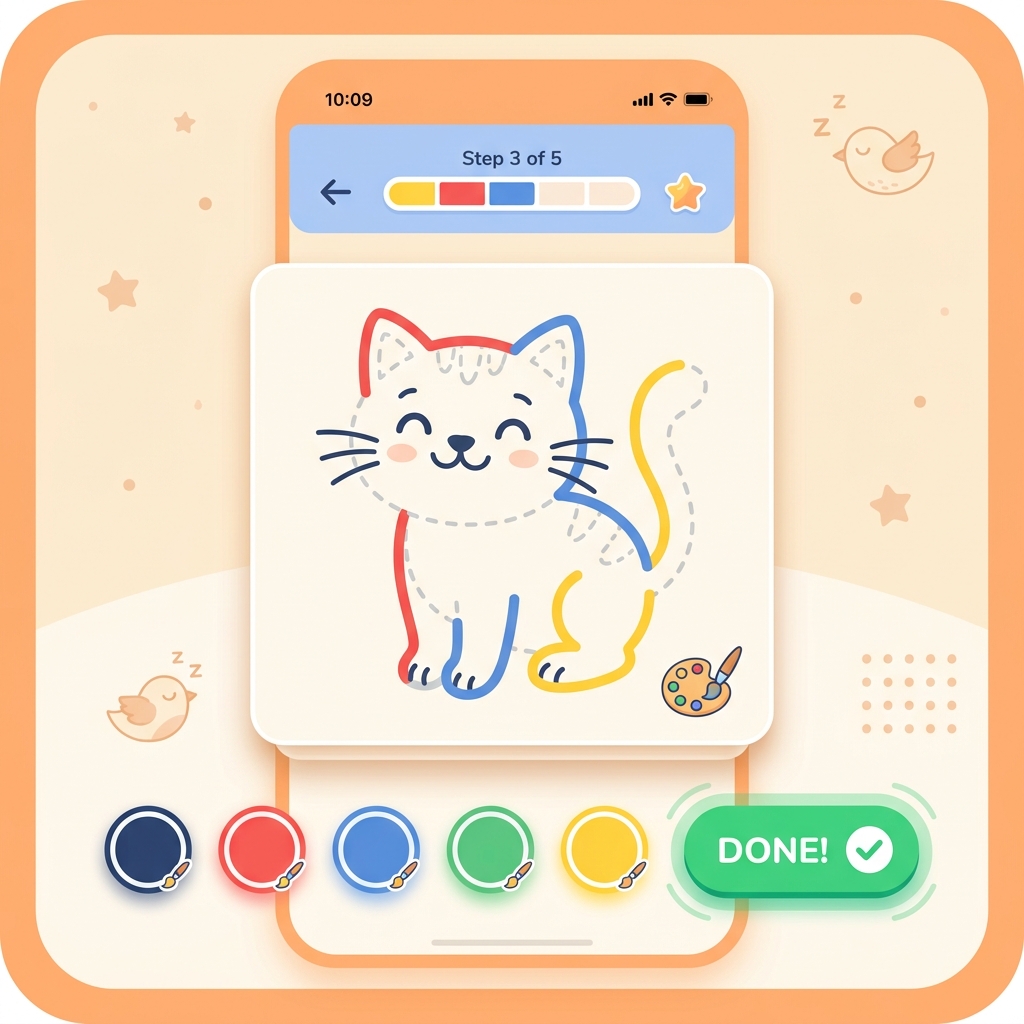
- Trace and Draw Animals: Drawing and tracing animal shapes like dogs, cats, ducks, and elephants builds fine motor control while sparking conversations about where each animal lives and what it eats.
- Read Wildlife Bedtime Stories: Read storybooks that highlight animal bravery, friendship, and ecology — like stories of loyal rescue dogs, wise elephants, and gentle dolphins.
9. Avoid Products Tested on Animals or Made from Wildlife Harm 🏷️
As conscious consumers, parents can teach children that everyday purchasing decisions shape the fate of animals and forests worldwide:
- Look for the Leaping Bunny Logo: Choose soaps, shampoos, and household cleaners that are certified cruelty-free and not tested on animals.
- Say No to Souvenirs Made from Wild Animals: Never buy items made from animal fur, ivory, tortoise shells, coral reefs, or caged wild birds.
- Choose Sustainably Sourced Paper & Wood: Protect forest wildlife by buying FSC-certified school stationery and recycled paper.
10. Be a Gentle Observer and Nature Guardian on Every Walk 🔍
Transform ordinary neighborhood strolls into magical wildlife safaris. Give your toddler a small magnifying glass and encourage them to notice nature's tiny architects:
- Watch how an ant colony carries leaves together — teaching teamwork and patience.
- Listen to the distinct calls of songbirds, koels, and parakeets at dawn and dusk.
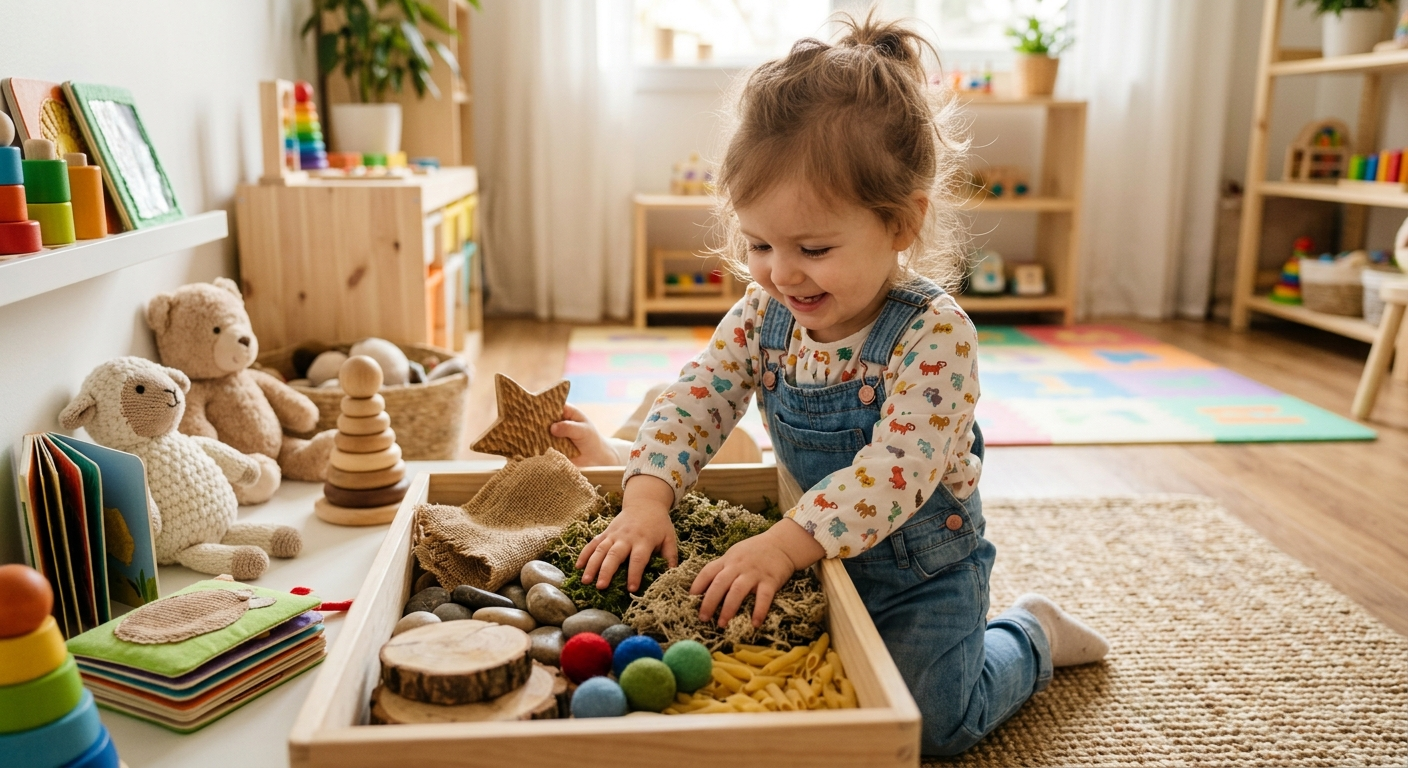
- Feel the rough textures of tree bark and see how lizards and squirrels navigate tree trunks through sensory touch and outdoor exploration.
Everyday Habits vs. Animal-Friendly Swaps 🔄
| Common Harmful Habit | Animal-Friendly Eco Swap | Positive Impact on Wildlife |
|---|---|---|
| Throwing kitchen leftovers in plastic bags | Feed vegetable scraps cleanly or compost them | Prevents fatal plastic choking in cattle and strays |
| Discarding empty plastic bottles & rings whole | Snip plastic loops & rings before recycling | Saves birds and small animals from getting trapped |
| Using harsh chemical insecticides in gardens | Use organic neem oil spray and companion planting | Protects essential bees, butterflies & earthworms |
| Ignoring thirsty birds during hot summer months | Place clean terracotta water bowls on balconies | Prevents dehydration and sustains urban birdlife |
| Buying purebred puppies from commercial mills | Adopt loving indie shelter pups & kittens | Gives homeless animals loving families and ends puppy mills |
How GrowLittleKids Inspires Love for Animals and Nature 🌱
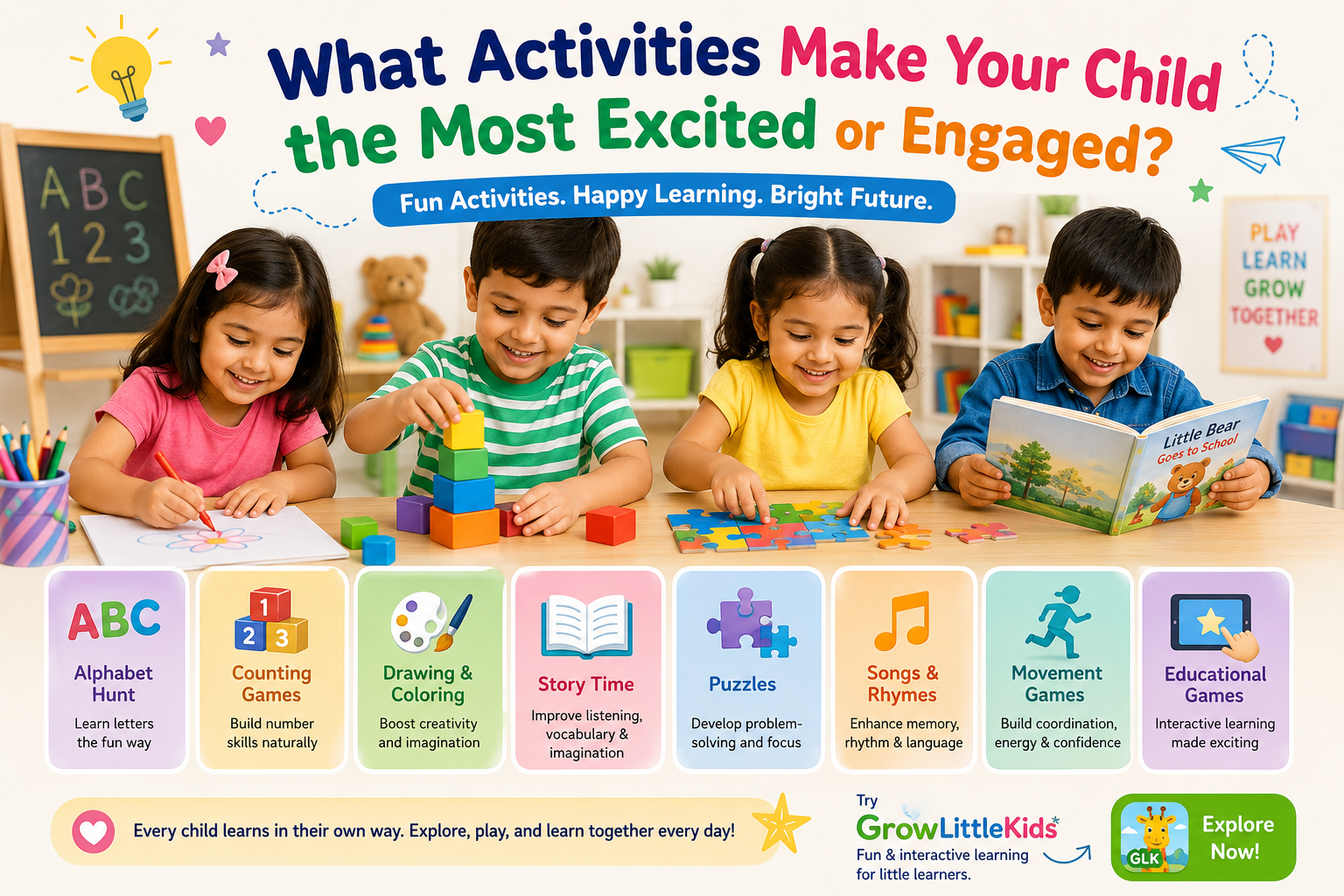
At GrowLittleKids, we believe early learning should nurture the whole child — their curious mind, creative hands, and compassionate heart. Our interactive educational app is packed with delightful activities that introduce children aged 2–6 to the wonders of the animal kingdom:
- 🐾 Interactive Animal Sounds & Identification: Little learners explore animal habitats, hear real-life sounds of lions, elephants, dolphins, and birds, and learn fun facts about nature.
- 🎨 Guided Animal Tracing & Drawing: Fun, step-by-step tracing games that help toddlers draw their favorite pets and wildlife while building fine motor confidence.
- 🌱 Nature & General Knowledge Modules: Kid-friendly quizzes, rhymes, and interactive puzzles that teach environmental appreciation and kindness to all living beings.
Best of all, GrowLittleKids is 100% free, COPPA compliant, and child-safe. Download it today and let your child embark on a joyful journey of discovery, creativity, and empathy for nature! 🌟