Why Does My Child Have Tantrums After Coming Home from Preschool?
You arrive at the preschool gate with a smile, excited to see your little one after a long day. The teacher greets you warmly and says, "They were an angel today!" You feel proud. But the moment you buckle them into the car seat—or worse, the second you walk through your front door—it begins. The whining. The crying. The refusal to eat, share, or even speak politely. Suddenly, your sweet child has transformed into a tiny tornado of emotions.
If this scenario feels painfully familiar, you are not alone. In fact, this phenomenon is so common that child psychologists have given it a name: after-school restraint collapse. And understanding what is really happening inside your child's brain is the first step toward helping them—and preserving your own sanity.
At GrowLittleKids, we know that parenting a preschooler comes with unique challenges. Let us walk you through why these after-school tantrums happen, what they really mean, and how you can support your child through this tricky phase.
What Is After-School Restraint Collapse?
The term "restraint collapse" was coined by psychologist Andrea Nair to describe what happens when children hold themselves together emotionally all day at school, only to fall apart the moment they reach their safe place: home. Think of it like a shaken soda bottle. At school, the cap is on. Your child is following rules, listening to teachers, sharing toys, waiting their turn, and managing a thousand tiny social negotiations. By the time they see you, their emotional reserves are completely depleted. The cap comes off—and everything fizzes out.
This is not bad behavior. It is not manipulation. It is a neurobiological response to stress and exhaustion. Young children have immature prefrontal cortices, meaning their ability to regulate emotions is still under construction. At school, they are using every ounce of self-control they possess. Home is where they feel safe enough to let go.
Understanding this reframes everything. Your child is not giving you a hard time. They are having a hard time. And they have chosen you as their safe person to fall apart with.
Reason 1: Emotional Exhaustion from a Full Day of Self-Regulation
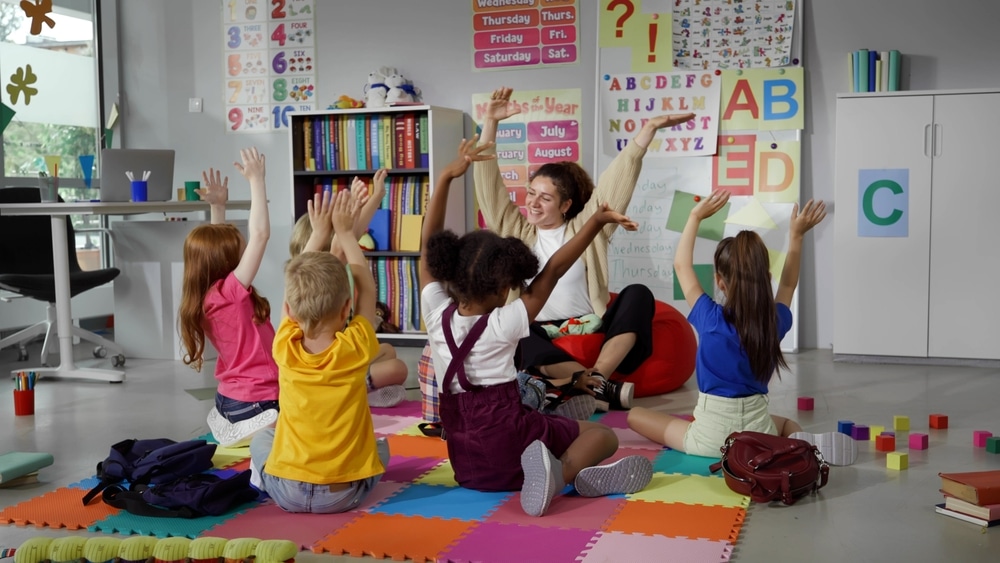
Preschool is more demanding than adults often realize. For three to six hours, your child is navigating a complex social world without you. They are figuring out who gets the red crayon, how to ask for help tying a shoe, what to do when someone pushes them, and how to sit still during circle time. Every single one of these moments requires emotional labor.
By the time pickup rolls around, your child has essentially run an emotional marathon. Their brain has been in "performance mode" all day. The moment they see you—their primary attachment figure—their brain shifts from "perform" to "release." This is actually a sign of a secure attachment. They trust you enough to show you their worst moments.
What parents often mistake as defiance or ingratitude is actually emotional decompression. The tantrum, the tears, the refusal to cooperate—these are your child's way of offloading the stress they have been carrying since morning.
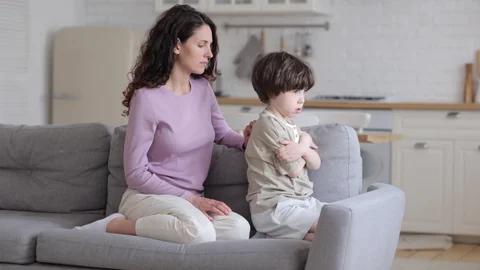
image🛠image_search:3#1Alt text: "Young child having an emotional meltdown in the car after a long day at school"
Reason 2: Physical Tiredness and Sensory Overload
Preschool days are physically intense. There is running, climbing, dancing, and playground time. There is also a great deal of sensory input: bright lights, loud voices, music, paint smells, textured crafts, and the constant buzz of other children. For some kids—especially those who are highly sensitive—this sensory load is overwhelming.
By afternoon, your child may be physically exhausted and sensory overloaded. Their body is tired, their nervous system is overstimulated, and they simply do not have the bandwidth to cope with one more demand. Even a simple request like "Please hang up your bag" can feel like the final straw.
Hunger compounds the problem. Preschool lunch is often early, and by pickup time, your child may be running on empty blood sugar. The combination of physical exhaustion, sensory overload, and hunger creates a perfect storm for meltdowns.
Reason 3: Transition Stress and Separation Anxiety
Transitions are hard for young children. Leaving the structured environment of school and shifting to the unstructured environment of home requires a mental gear change that many preschoolers struggle with. Even if they were happy at school, the transition itself can trigger anxiety.
Some children also experience latent separation anxiety. At school, they are too busy to miss you. But the moment they see you, the feelings they suppressed all day rush to the surface. They may cry, cling, or act out—not because they are unhappy to see you, but because the relief of reunion is so intense that it overwhelms their still-developing emotional systems.
This is especially common in the first few months of starting preschool, after school breaks, or during periods of change at home. Your child is adapting to a big new world, and they need time to process that adaptation.
Reason 4: Unmet Needs That Could Not Be Addressed at School
At preschool, your child learns to wait. They wait for snack time. They wait for the bathroom. They wait for a turn on the slide. They wait for the teacher's attention. This is valuable learning, but it also means that many of their needs are delayed throughout the day.
When they get home, all those unmet needs hit at once:
- Thirst that they ignored during playtime
- Hunger because they did not finish their lunch
- Physical discomfort from holding in a bathroom break
- Emotional need for connection that they could not satisfy while busy with peers
Your child does not have the language or self-awareness to say, "Mummy, I have been holding myself together all day and I am utterly depleted." Instead, they collapse into a tantrum over a broken cracker or the wrong color cup. The trigger is never the real issue. The real issue is cumulative stress.
How to Handle After-School Tantrums: Practical Strategies for Parents
Now that you understand why these tantrums happen, let us talk about what you can actually do. The goal is not to eliminate the emotions—emotions are healthy and necessary. The goal is to help your child process them in a way that does not leave both of you in tears.
1. Lower Your Expectations for the First Hour
The first hour after school should be treated as a decompression period, not a time for errands, homework, or intense conversations. Do not ask twenty questions about their day. Do not rush them to extracurricular activities. Give them space to transition.
Some children need physical activity to discharge pent-up energy—a run in the park, jumping on a trampoline, or dancing to music. Others need quiet and stillness—a cuddle on the sofa, a book, or simply sitting in silence. Learn what your child needs and protect that time fiercely.
2. Feed Them Immediately
Have a snack ready the moment they walk in the door. Think protein and complex carbohydrates: cheese and crackers, peanut butter toast, a banana with yogurt. Avoid sugary snacks that spike blood sugar and crash it further. A fed child is a calmer child.
If possible, offer water before you even ask how their day was. Dehydration is an often-overlooked contributor to irritability.
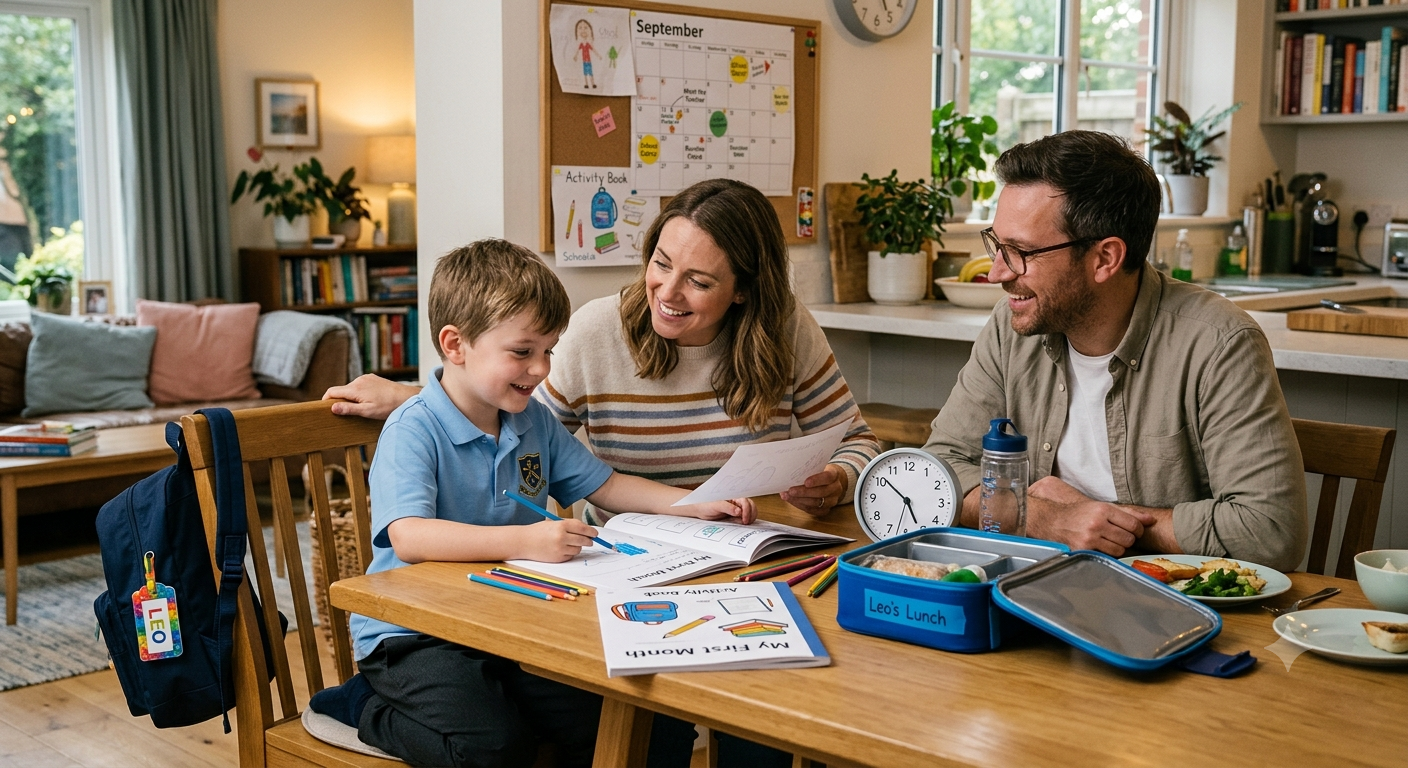
3. Create a Predictable After-School Routine
Children feel safer when they know what comes next. A simple, consistent after-school routine might look like:
- Snack and water
- 20 minutes of quiet play or outdoor time
- Chat about the day (if they want to)
- Dinner
- Bath and bedtime routine
Predictability reduces the cognitive load on an already exhausted brain. It also gives your child a sense of control, which helps prevent power struggles.
4. Offer Connection Before Correction
When your child starts to melt down, your instinct may be to correct the behavior immediately. "Stop crying." "Use your words." "That is not how we act." But in the middle of restraint collapse, your child is not capable of logical thinking. Their amygdala—the brain's alarm system—is in charge.
Instead of correction, offer connection first. Get down to their level. Make eye contact. Offer a hug or a gentle touch. Say something like, "You have had a really big day. I am here." Once they feel safe and connected, their nervous system will begin to settle. Only then can you address behavior.
This approach aligns with what we teach in our guide on how to develop learning habits before age 8: emotional safety is the foundation upon which all learning and growth are built.
5. Give Them a Job or Responsibility
Some children regulate better when they have a sense of purpose. Letting them help with a simple task—pouring water, setting napkins on the table, or feeding a pet—can shift their focus from internal chaos to external contribution. It also reinforces their capability, which builds confidence.
6. Limit After-School Screen Time
It is tempting to hand over a tablet or turn on the TV to buy yourself a moment of peace. But screens can actually worsen after-school meltdowns. They provide a temporary dopamine hit followed by a crash, and they do not help children process the emotions they are carrying.
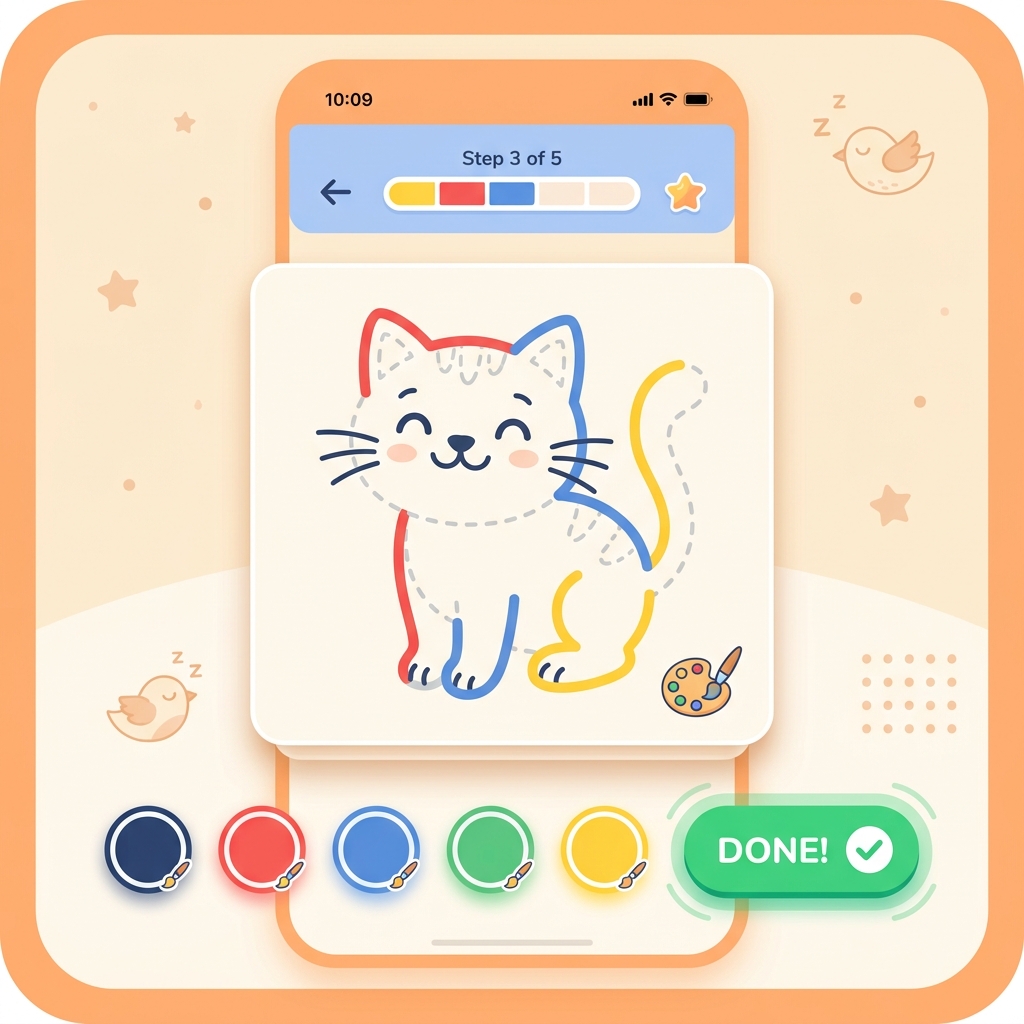
If you do use screens, be intentional about it. Our guide on how to choose the right educational app for your child can help you make screen time a supportive tool rather than an emotional crutch.
7. Talk to the Teacher
If after-school tantrums are severe or worsening, have a conversation with your child's teacher. Ask:
- How is my child behaving during the day?
- Are they eating their lunch and snacks?
- Are they napping or resting adequately?
- Are there any social conflicts or stressors I should know about?
Sometimes the tantrums are a signal that something is not quite right at school—bullying, overwhelm, or an unmet need that your child cannot articulate. Teachers are your partners in decoding these signals.
When to Worry: Signs It May Be More Than Restraint Collapse
Most after-school tantrums are normal and temporary. But there are times when they may indicate a deeper issue. Consider seeking professional guidance if:
- Tantrums last for hours and cannot be soothed
- Your child is consistently refusing to go to school
- There are signs of regression (bedwetting, loss of language, extreme clinginess)
- Your child seems fearful or anxious about school specifically
- The behavior is getting worse over time rather than better
Trust your parental instincts. You know your child better than anyone. If something feels off, it is worth investigating.
The Long View: This Phase Will Pass
It is exhausting to be the landing pad for your child's worst moments day after day. It can feel personal. It can make you question your parenting, your child's happiness, or the decision to send them to preschool at all.
But here is what the research—and millions of parents before you—confirms: this phase passes. As children get older, their emotional regulation improves. Their capacity to communicate grows. Their tolerance for sensory input increases. The child who melts down over a snack at age three will likely be the child who walks in the door, dumps their bag, and asks about dinner at age five.
Your job is not to prevent the emotions. Your job is to walk beside your child as they learn to navigate them. Every tantrum is an opportunity to teach your child that feelings are safe, that you are a reliable anchor, and that they can handle hard things.
Supporting Your Child's Overall Development
While you navigate this challenging phase, remember that preschool is still a valuable investment in your child's future. The social skills, academic foundations, and independence they are building at school will serve them for years to come. If you are unsure about the benefits of early education, read our article on 4 reasons why preschool education is important.
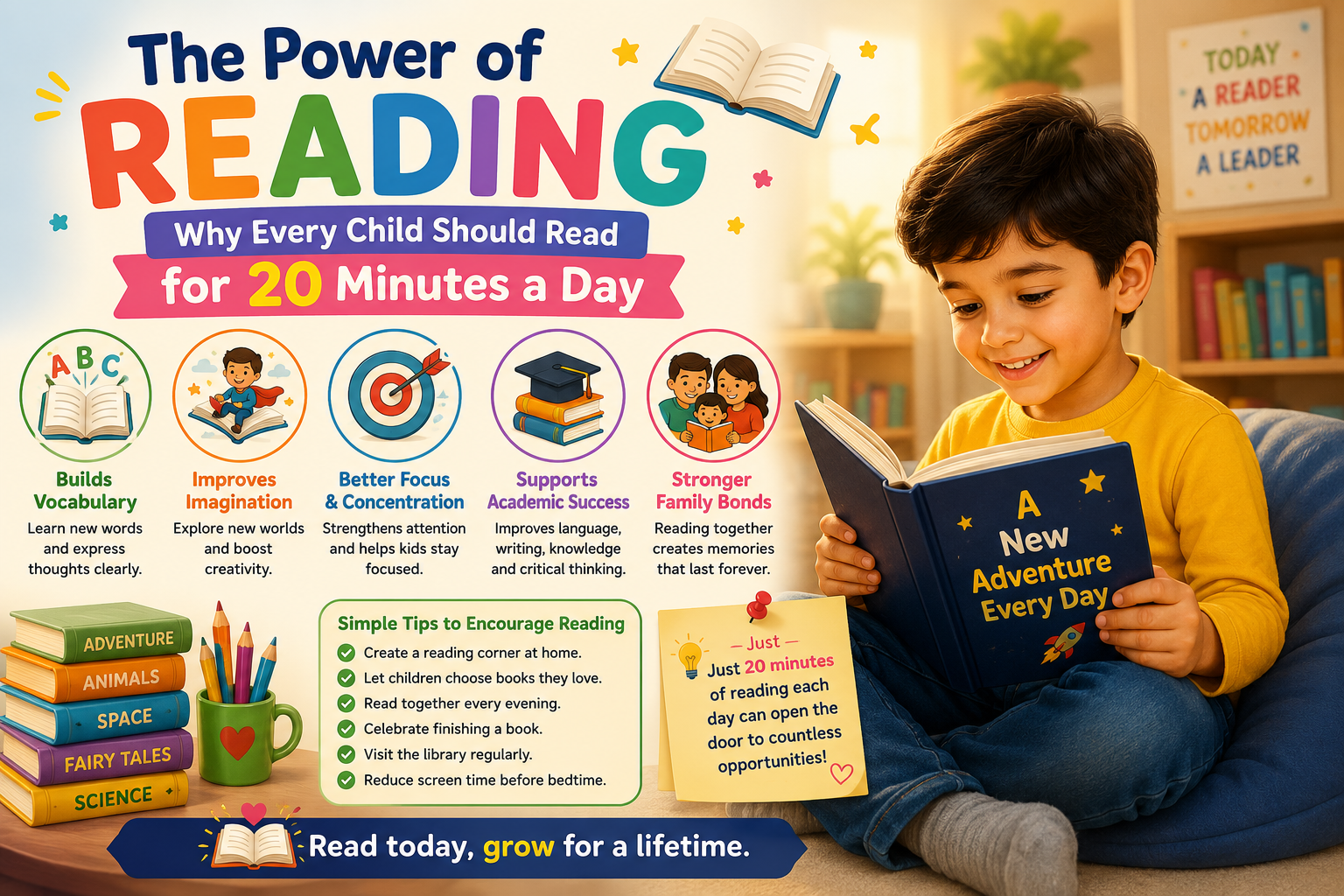
You can also support your child's emotional growth at home through consistent routines, daily reading, and playful learning activities. Our guide on why every child should read for 20 minutes a day is a great place to start. Reading together not only builds literacy but also creates a calm, connecting ritual that can help your child wind down after a busy day.
For hands-on learning ideas, explore our posts on 5 everyday activities that build early math skills and fun ABC learning activities for toddlers. These simple, joyful activities can become part of your after-school routine, giving your child the structure and connection they crave.
Final Thoughts
After-school tantrums are not a sign of bad parenting, a troubled child, or a failed preschool experience. They are a normal, developmentally appropriate response to a day full of new demands, social navigation, and emotional effort. Your child is not giving you their worst. They are giving you their most honest self—because home is where they feel safe enough to do so.
Meet them with patience. Meet them with snacks. Meet them with the knowledge that this season, like all seasons, will eventually give way to something new. And in the meantime, you are doing better than you think.
At GrowLittleKids, we are here to support you through every stage of early childhood. For more parenting tips, expert advice, and activity ideas, visit our full blog.