What Parents Should Focus on During the First Month of School
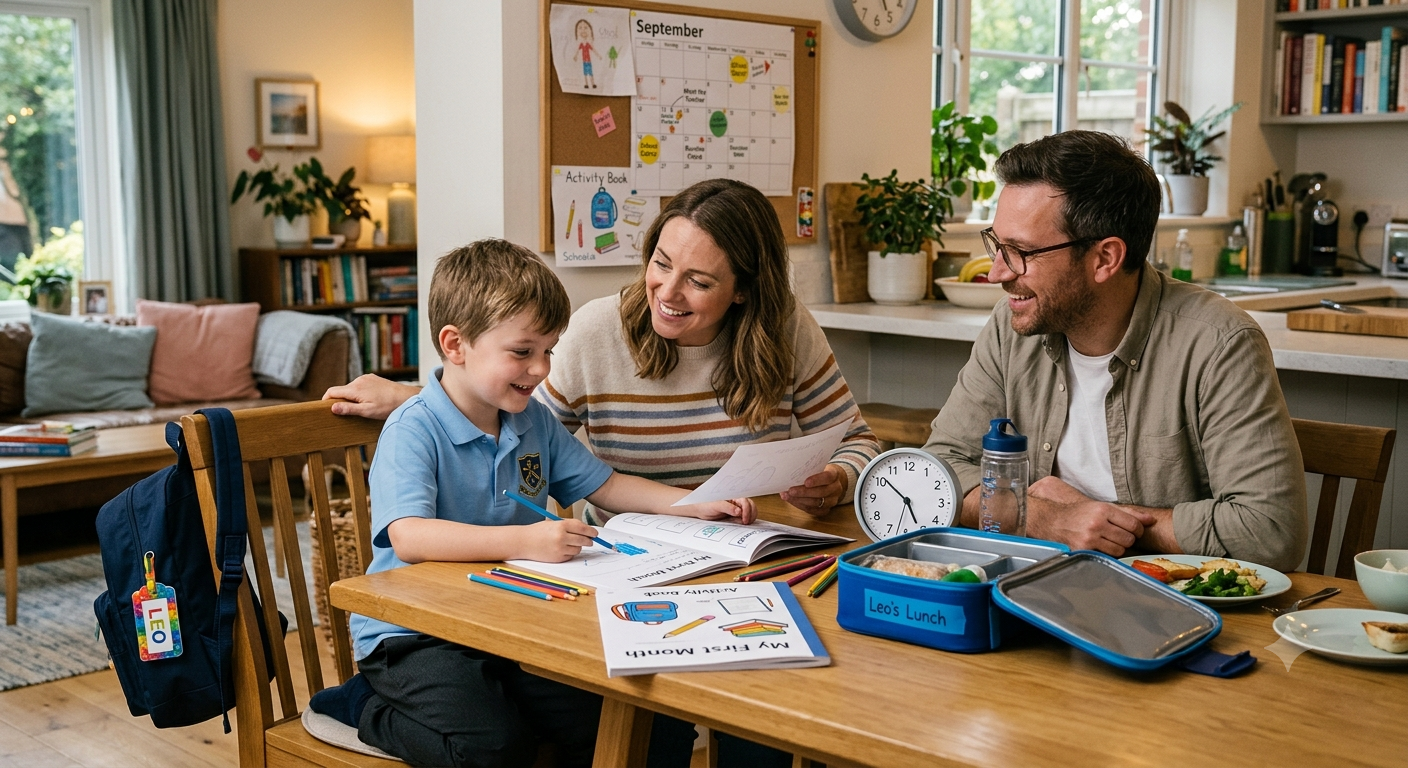
The first morning drop-off is a scene every parent remembers. The slightly oversized backpack, the carefully chosen outfit, the mix of excitement and nerves that flickers across your child's face. Whether it is the very first day of kindergarten or the start of a new elementary grade, the first month of school is a powerful transition window. It sets the emotional and practical foundation for the entire year ahead.
For parents, this period can feel like a whirlwind of permission slips, lunchbox decisions, and schedule adjustments. But beneath the logistics lies something more important: your child is learning how to belong in a new environment, how to trust new adults, and how to manage themselves away from home. The habits, routines, and emotional patterns established during these first few weeks often determine how confidently a child moves through the rest of the academic year.
At GrowLittleKids, we believe that when parents know what to prioritize—and what to let go of—during this transition, everyone thrives. This guide walks you through the essential areas to focus on during the first month of school, from routines and relationships to the subtle emotional cues that tell you how your child is really doing.
Why the First Month Matters So Much
The first four to six weeks of school are not just about learning classroom rules and memorizing schedules. They are about neuroplasticity and habit formation. Children's brains are highly adaptable during periods of transition, which means the routines and coping strategies they practice now are more likely to become automatic.
When a child begins the year with consistent routines, positive associations with school, and a sense of security, they are free to direct their mental energy toward learning, socializing, and exploring. Conversely, a chaotic or emotionally turbulent start can create patterns of anxiety, resistance, or disengagement that are harder to unwind later.
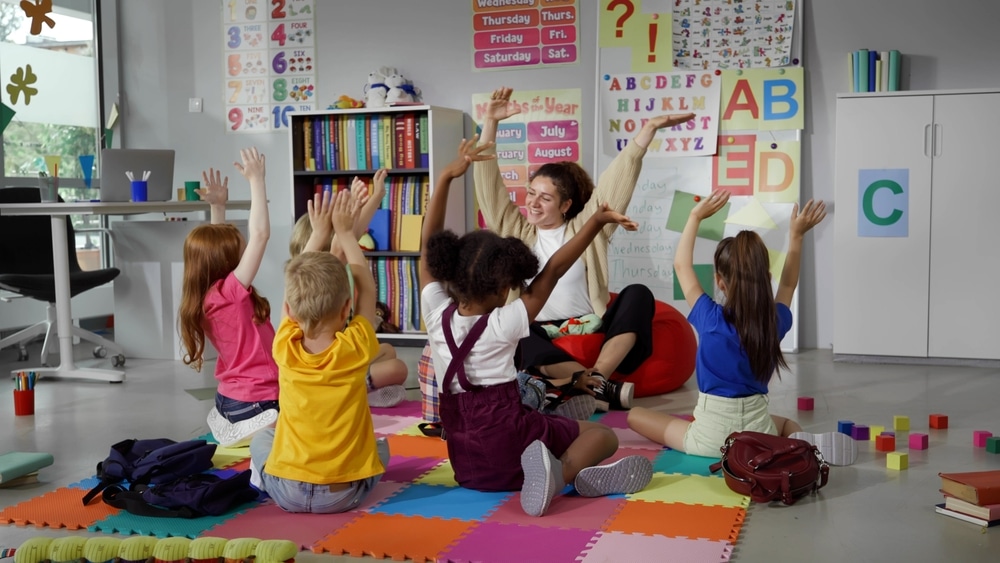
The first month is also when teachers are assessing not just academic readiness, but social-emotional fit. They are observing who works well in groups, who needs extra support with transitions, and who may be struggling with separation or self-regulation. Your involvement during this window sends a clear message to both your child and their teacher: education is a partnership, and you are here for the journey.
Key Areas to Focus On During the First Month
Rather than trying to perfect every detail, concentrate your energy on the areas that research and experience show matter most. Here are the six pillars of a successful school transition.
1. Establishing Predictable Routines
Children draw enormous comfort from predictability. When they know what comes next, their brains do not have to work as hard to manage uncertainty, leaving more capacity for learning and play. During the first month, focus on building three core routines:
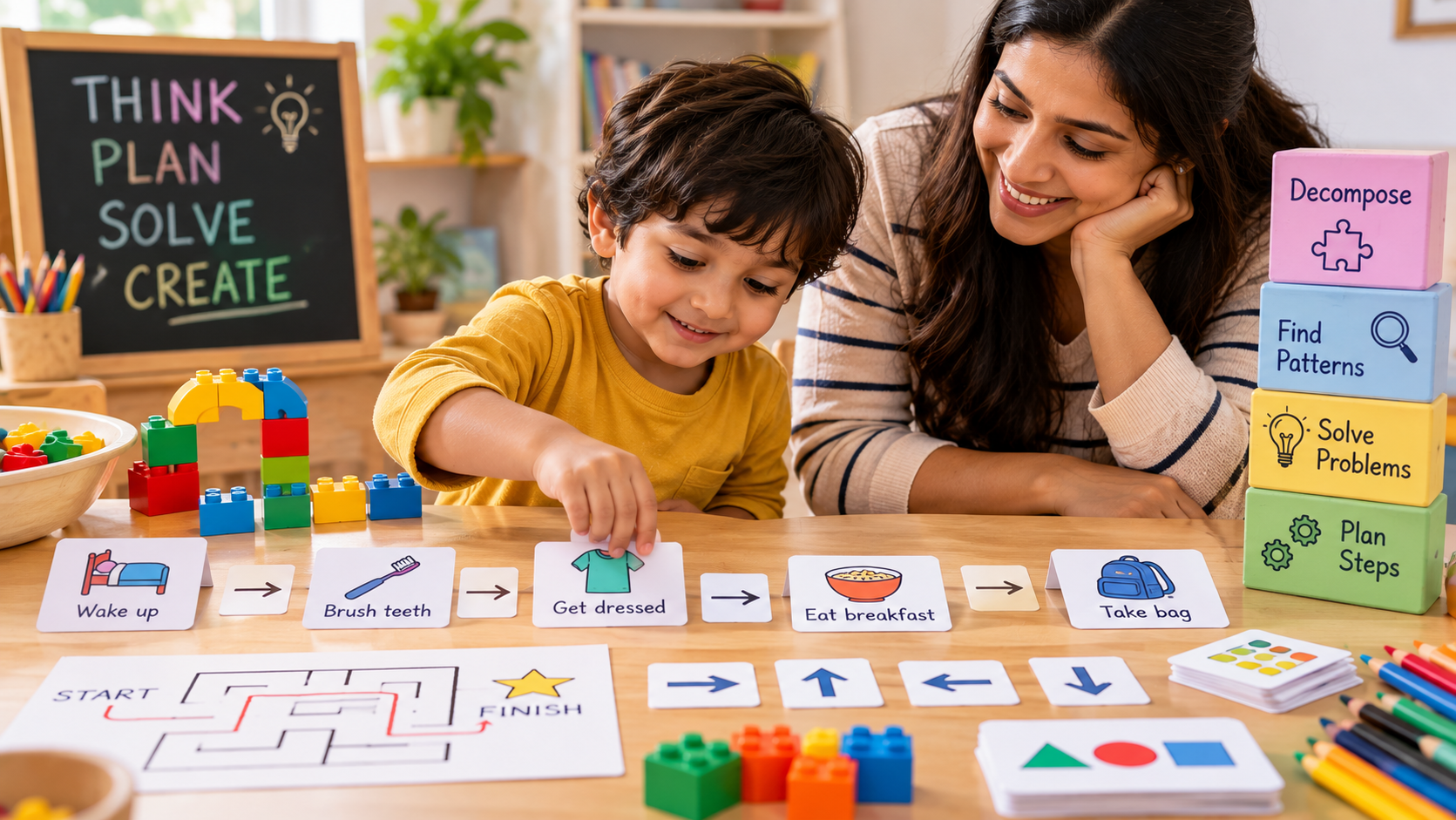
- Morning launch: A consistent sequence—wake up, dress, eat, pack bag, leave—reduces decision fatigue and power struggles. Prepare lunches and lay out clothes the night before whenever possible.
- After-school decompression: Give your child a predictable window to unwind, have a snack, and share about their day before jumping into homework or activities. Some children need quiet time; others need physical movement.
- Evening wind-down: A calm bedtime routine that starts at the same time each night protects sleep quality and makes mornings easier.
Remember that routines are not about rigidity. They are about creating a rhythm your child can trust. If you need help structuring your evenings, our guide on how to develop learning habits before age 8 includes practical frameworks for building consistent daily rhythms that support school success.
2. Emotional Check-ins and Validation
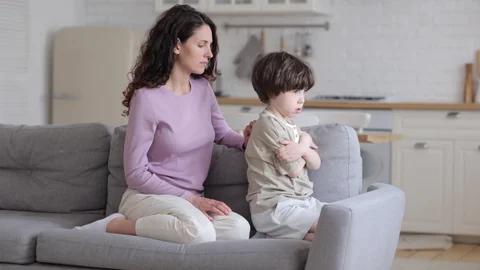
It is tempting to ask, "How was school today?" and accept a one-word answer. But the first month is when underlying emotions are most likely to surface—often indirectly. Your child might become clingy at bedtime, resist getting dressed, or complain of stomachaches on Sunday evenings.
Instead of broad questions, try specific, open-ended prompts like:
- "What was the funniest thing that happened today?"
- "Who did you sit next to at lunch?"
- "Was there anything that felt tricky or confusing?"
- "What are you looking forward to tomorrow?"
Validate whatever comes up. If your child says they miss you, respond with understanding rather than reassurance alone: "I miss you too when we are apart. That shows how much we love each other. And I always come back, just like I did today." This builds emotional security without dismissing their feelings.
For children experiencing separation anxiety, our article on helping your child cope with separation anxiety at school offers gentle, evidence-based strategies for making goodbyes easier.
3. Building a Partnership with Teachers
The parent-teacher relationship is one of the most influential factors in a child's school success. During the first month, make it a priority to introduce yourself, share a brief note about your child's temperament or needs, and ask how you can support classroom goals at home.
Key ways to build this bridge:
- Attend any back-to-school or meet-the-teacher events, even briefly
- Send a short, positive email introducing yourself and your child
- Ask about preferred communication methods—some teachers prefer email, others use apps or folders
- Share relevant context (allergies, sensory sensitivities, family changes) without overwhelming
- Express gratitude; teaching is demanding, and early appreciation builds goodwill
Do not wait for a problem to initiate contact. A quick note saying, "My daughter loved the science activity yesterday" takes thirty seconds and establishes you as a supportive, engaged parent.
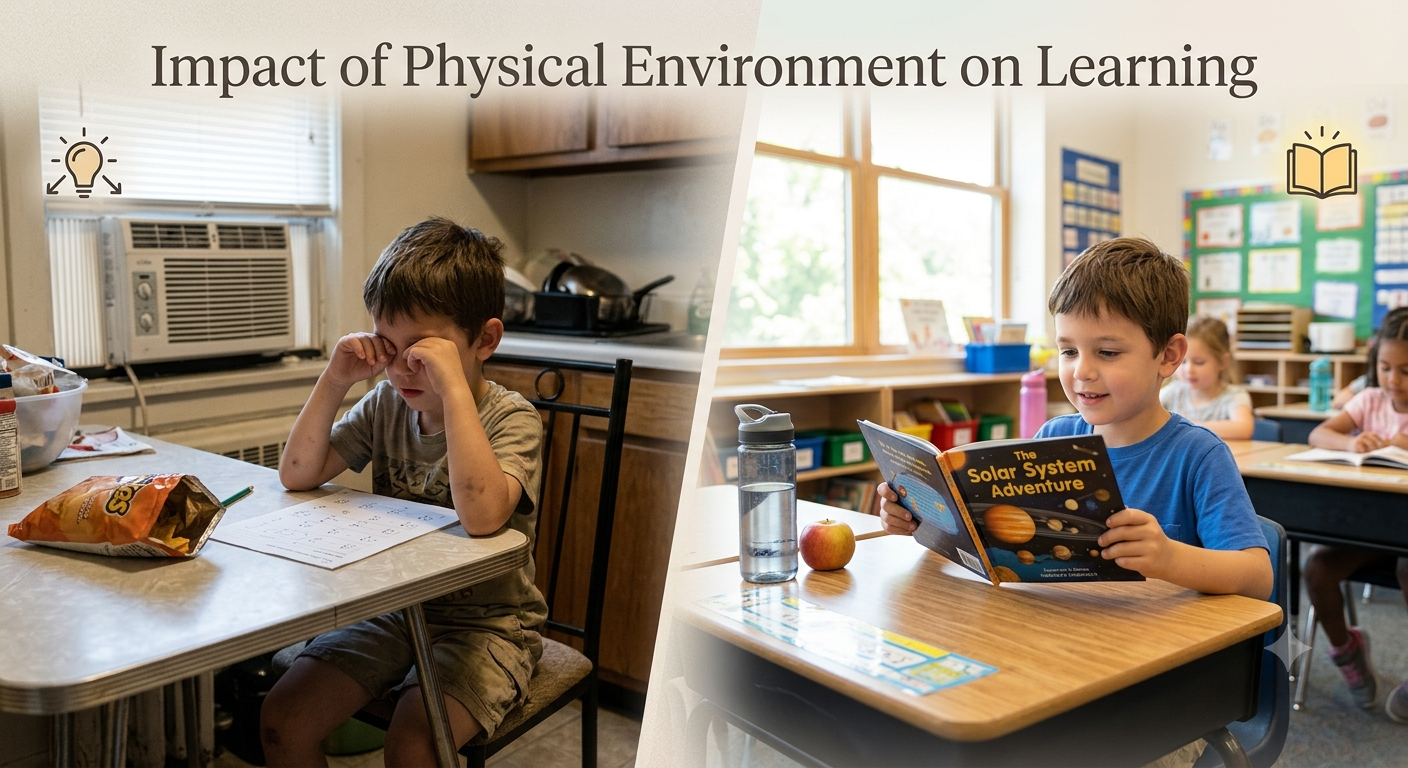
4. Protecting Sleep and Nutrition
Sleep is the single most powerful predictor of a child's ability to focus, regulate emotions, and retain information. During the excitement and disruption of a new school year, sleep schedules often slide. Be vigilant about protecting bedtime, even on weekends.
General sleep needs:
- Ages 3 to 5: 10 to 13 hours per 24 hours (including naps if offered)
- Ages 6 to 12: 9 to 12 hours per night
- Ages 13 to 18: 8 to 10 hours per night
Nutrition matters just as much. A protein-rich breakfast stabilizes blood sugar and sustains attention through the morning. A balanced lunchbox—with complex carbohydrates, protein, healthy fats, and a fruit or vegetable—prevents the afternoon crash that leads to meltdowns or withdrawal.
Hydration is often overlooked. Send a water bottle and teach your child to drink from it regularly. Even mild dehydration affects mood and cognitive performance.
5. Encouraging Age-Appropriate Independence
One of the hardest parts of sending a child to school is resisting the urge to do everything for them. But the first month is the ideal time to step back and let them practice self-sufficiency. Children who can manage their own belongings, follow multi-step directions, and solve minor problems without immediate rescue adapt to school far more easily.
Ways to build independence during the first month:
- Let your child carry their own backpack and hang it on their hook
- Have them pack and unpack their lunchbox
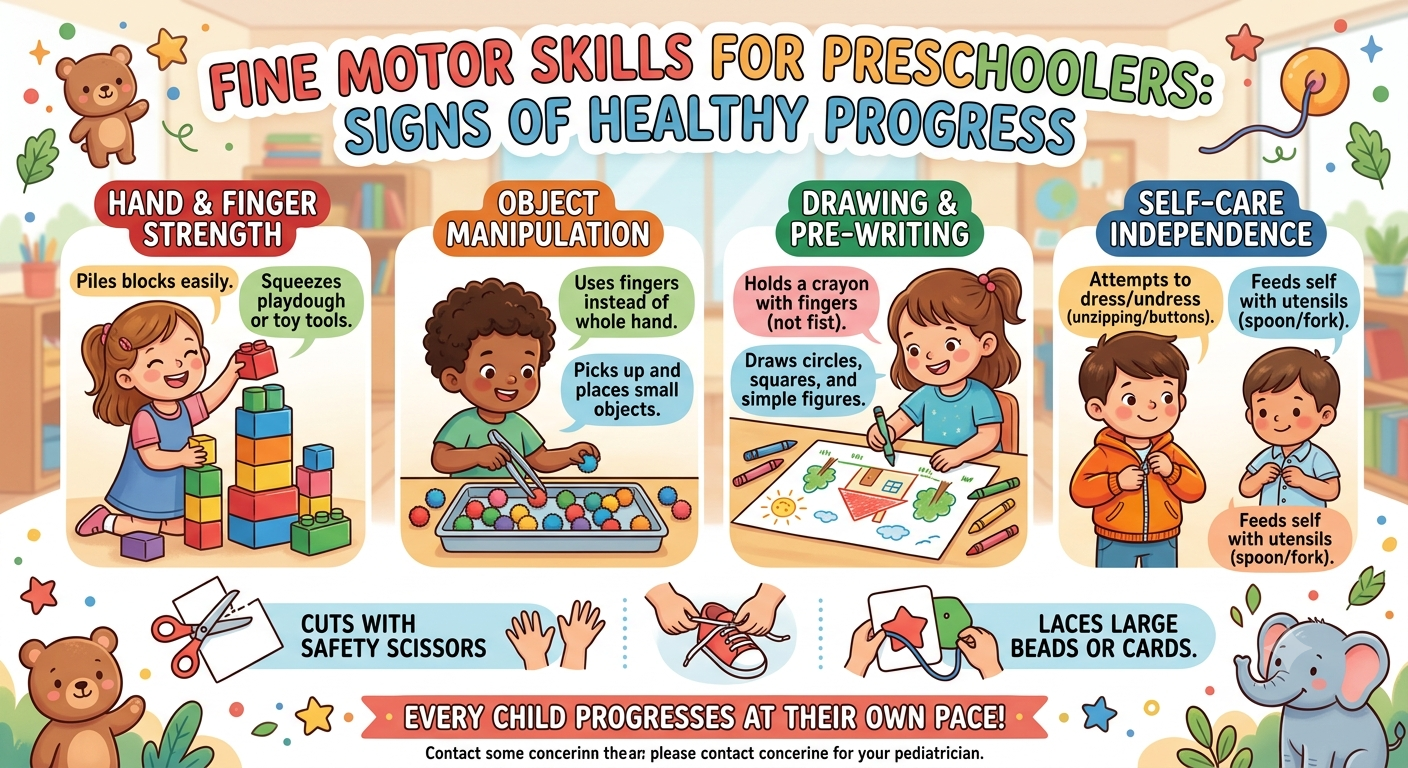
- Teach them to open food containers, zip jackets, and tie shoes
- Encourage them to speak directly to their teacher about needs (bathroom, help with work)
- Allow them to forget a homework folder once; natural consequences teach responsibility
These small acts of independence build what psychologists call self-efficacy—the belief that "I can handle this." That belief is the foundation of resilience. If your child is still working on some of these physical skills, our guide on fine motor skills for preschoolers explains how to strengthen the hand dexterity needed for zipping, buttoning, and writing.
6. Supporting Social Connections
Academic learning is important, but for most children, the emotional heart of school is friendship. Feeling socially connected makes children want to go to school. During the first month, help your child build these connections by:
- Asking for names and inviting details: "Who did you play with at recess? What did you do?"
- Arranging low-pressure playdates with one or two classmates
- Role-playing simple social scripts: asking to join a game, introducing yourself, or handling disagreement
- Reading books about friendship and kindness
If your child is shy or slow to warm up, do not panic. Some children need several weeks to feel safe enough to reach out socially. Your calm confidence that friendships will come is contagious.
Red Flags: When the Transition Is Not Going Smoothly
Some ups and downs during the first month are completely normal. Tears at drop-off, occasional resistance, and tired afternoons are par for the course. But certain patterns suggest your child may need additional support.
Consider reaching out to your child's teacher or pediatrician if you notice:
- Persistent physical complaints (headaches, stomachaches, nausea) that resolve on weekends or holidays
- Refusal to attend school that does not improve after three to four weeks
- Dramatic regression in sleep, eating, or toileting habits
- Withdrawal from activities they previously enjoyed, even at home
- Extreme emotional reactions (panic, aggression, prolonged crying) that interfere with daily functioning
- Reports from the teacher about social isolation or inability to follow basic classroom routines
Early intervention is always better than waiting. A conversation with the teacher, school counselor, or your pediatrician can uncover whether your child needs a modified transition plan, sensory supports, or simply more time. Trust your instincts—you know your child better than anyone.
The Long-Term Impact of a Strong Start
The habits and emotional patterns established during the first month of school do not stay in September. They ripple forward. A child who learns to manage their morning routine independently in kindergarten is better prepared for the self-management demands of middle school. A child who feels securely connected to their teacher in first grade is more likely to seek help from teachers in fifth grade. A child who navigates early social bumps with parental support develops friendship skills that last a lifetime.
Research consistently shows that school belonging—the feeling of being accepted, supported, and capable within the school environment—is one of the strongest predictors of academic motivation and mental health throughout a child's education. That belonging begins now, in these first few weeks, through the small daily interactions that tell your child: you are safe here, you are capable, and you belong.
For a broader perspective on preparing your child for long-term academic and emotional success, explore our comprehensive guide on how to develop learning habits before age 8. It pairs perfectly with the transition strategies outlined here.
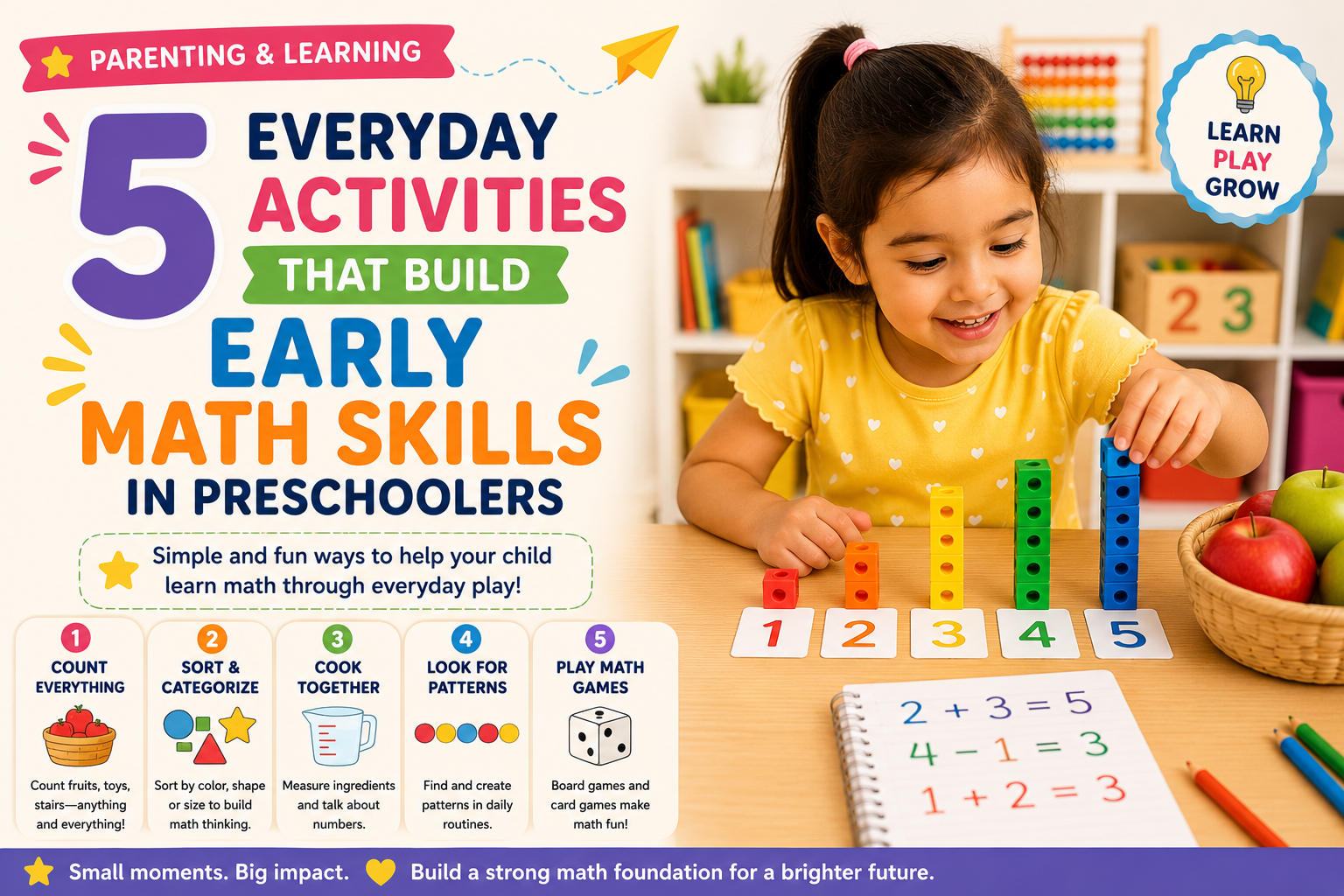
If you are also working on building the practical skills your child needs to thrive in the classroom, our article on 5 everyday activities that build early math skills in preschoolers offers playful ways to reinforce learning at home without adding pressure.
Final Thoughts
The first month of school is not about perfection. It is about presence. Your child does not need a flawless lunchbox or a Pinterest-worthy morning routine. They need to know that you are on their team, that their feelings matter, and that school is a place where they can grow.
By focusing on routines, emotional connection, teacher partnership, sleep, independence, and social bonds, you give your child the scaffolding they need to step into this new chapter with confidence. Some days will be harder than others. That is normal. What matters is the steady, loving message underneath it all: you can do this, and I am here.
At GrowLittleKids, we are committed to helping you navigate every stage of your child's development. For more expert guidance on school readiness, learning activities, and parenting strategies, visit our full blog.