Water is one of the most precious things on our planet. We need it to drink, cook, wash, grow plants, and help animals stay healthy. But clean water is not unlimited, so learning to use it wisely is an important habit for every family.
The good news? Kids do not need to do anything complicated to help. Small actions at home can teach children that every drop matters. Here are 7 easy ways kids can save water every day.
Why Is Saving Water Important?
People, plants, and animals all need water to live. When we waste water, we also waste the energy and effort used to collect, clean, and deliver it to our homes. Saving water helps families use this valuable resource carefully and encourages children to care for nature.
1. Turn Off the Tap While Brushing
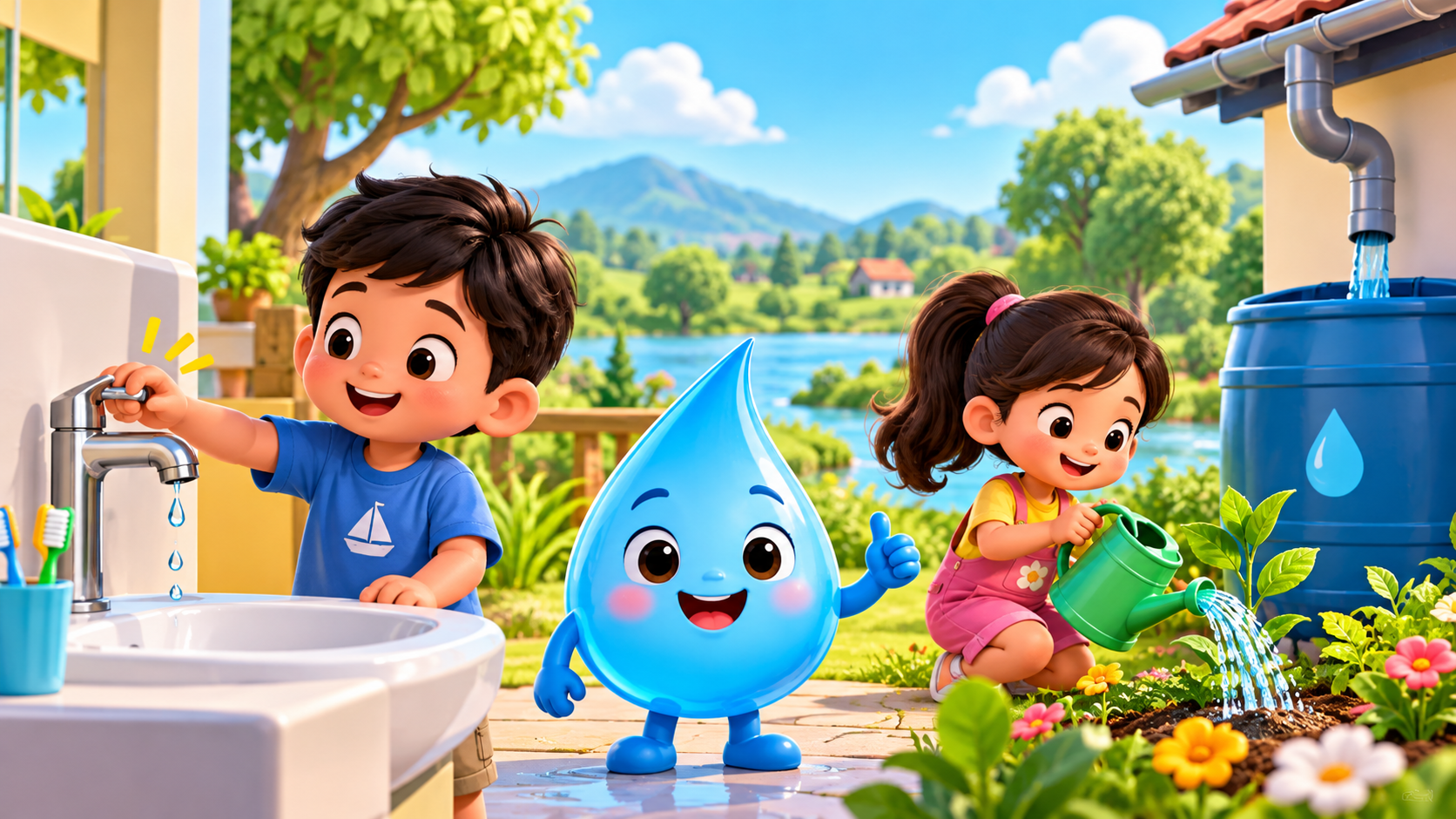
Does your child leave the tap running while brushing their teeth? Encourage them to turn it off while brushing and switch it on only when they need to rinse.
- Wet the toothbrush.
- Turn off the tap while brushing.
- Use a little water to rinse at the end.
Make it fun: Let your child become the family's little Tap-Time Champion and remind everyone to close the tap properly.
2. Use Only the Water You Need
Whether washing hands, rinsing a cup, or helping with a simple task, children can learn not to use more water than necessary. An adult can show them how to open the tap gently and close it when finished.
Young children should always have adult supervision around taps, sinks, and wet floors.
3. Tell a Grown-Up About Leaky Taps
A dripping tap can waste water over time. Teach children to notice unusual dripping and tell a parent or caregiver. An adult can check the tap and arrange a repair if needed.
Remember: Kids can spot the problem, while grown-ups handle repairs and tools.
4. Collect Rainwater for Plants
Rain is a wonderful opportunity to talk about where water comes from. With adult supervision, place a clean bucket or container in a safe spot to collect rainwater, then use it to water suitable garden plants.
Keep collected water covered when not in use, empty containers after use, and never let children play near open water containers. Do not use collected rainwater for drinking unless it has been properly treated for that purpose.
5. Give Plants Water Carefully
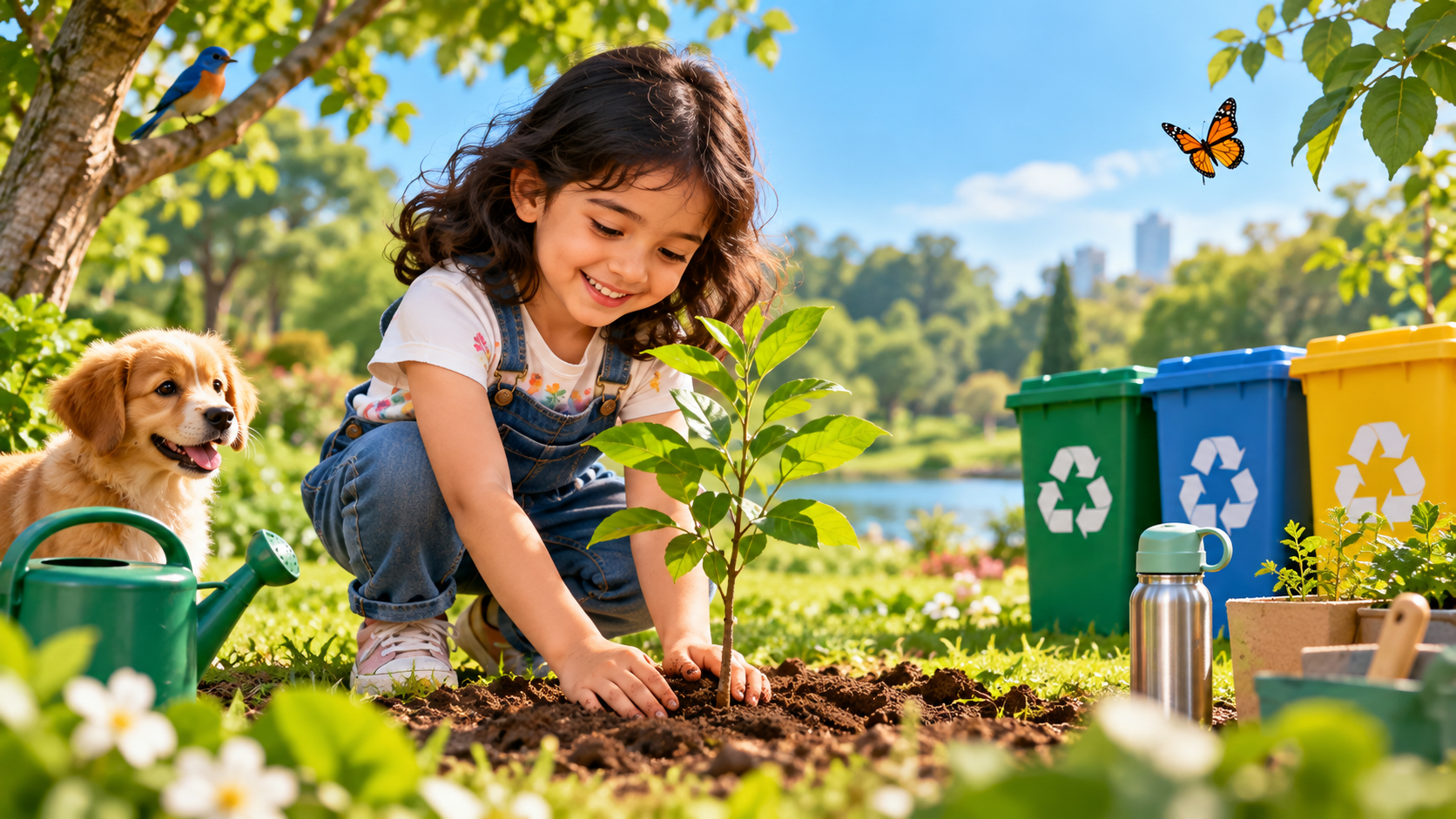
Plants need water, but pouring too much can waste it. Help your child use a small watering can and water the soil near the plant rather than splashing water everywhere.
Watering during cooler parts of the day can help reduce evaporation in hot weather. Follow the needs of each plant, because some need more water than others.
6. Reuse Suitable Water When You Can
Some water can be reused for simple household tasks instead of being poured away. For example, clean leftover drinking water can be given to suitable plants. Water used to rinse vegetables may also be suitable for plants if it contains no soap, cleaning products, or other harmful substances.
Ask an adult before reusing any water. Avoid using soapy water, greasy cooking water, or water containing chemicals on plants.
7. Make Saving Water a Family Game
Children learn well when good habits become part of everyday life. Create a simple water-saving chart and let your child add a star each time they remember a helpful habit, such as turning off the tap or telling an adult about a leak.
- Draw a blue water drop for every new habit.
- Choose one water-saving goal for the week.
- Celebrate the family's effort rather than expecting perfection.
This activity helps children connect small daily actions with caring for the world around them.
Try This: Become a Little Water Saver
Choose one tip from this list and practise it together for seven days. At the end of the week, ask your child which habit was easiest and which one they want to keep doing.
You can also explore more ways to care for our planet in our guides on how kids and families can save animals and nature and how we can save trees.
Conclusion
Saving water does not have to be difficult. Turning off taps, using water carefully, reporting leaks, and helping plants are simple ways for kids to make a positive difference. With gentle reminders and family support, children can grow into thoughtful water savers who understand why every drop matters.
Little actions, big care for our planet!