Shapes and Colors for Kids: 15 Fun Learning Activities for Toddlers and Preschoolers
Learning shapes and colors is an exciting part of early childhood development. From recognizing a red ball to identifying a circle in a picture book, children discover new concepts through everyday experiences.
The best part is that parents do not need expensive toys or complicated worksheets to get started. Simple household objects, colorful blocks, picture books, and playful conversations can help children explore shapes and colors naturally.
In this guide, you will discover 15 fun shapes and colors activities for toddlers and preschoolers, along with practical tips to make learning enjoyable at home.
Why Are Shapes and Colors Important for Kids?
Recognizing shapes and colors helps children describe the world around them. These concepts also provide opportunities to practise observation, comparison, sorting, vocabulary, and early mathematical thinking.
For example, when a child identifies a yellow square or sorts objects by color, they learn to notice similarities and differences. Children develop at different rates, so keep activities relaxed and enjoyable.
15 Fun Shapes and Colors Activities for Kids
1. Start With Everyday Colors 🎨
Choose a few familiar colors, such as red, blue, yellow, and green. Point out these colors during everyday activities. Ask your child to find a red apple, a blue toy, or a green leaf.
Learning tip: Introduce a small number of colors at a time rather than asking your child to memorize every color at once.
2. Explore Basic Shapes With Toys 🔺
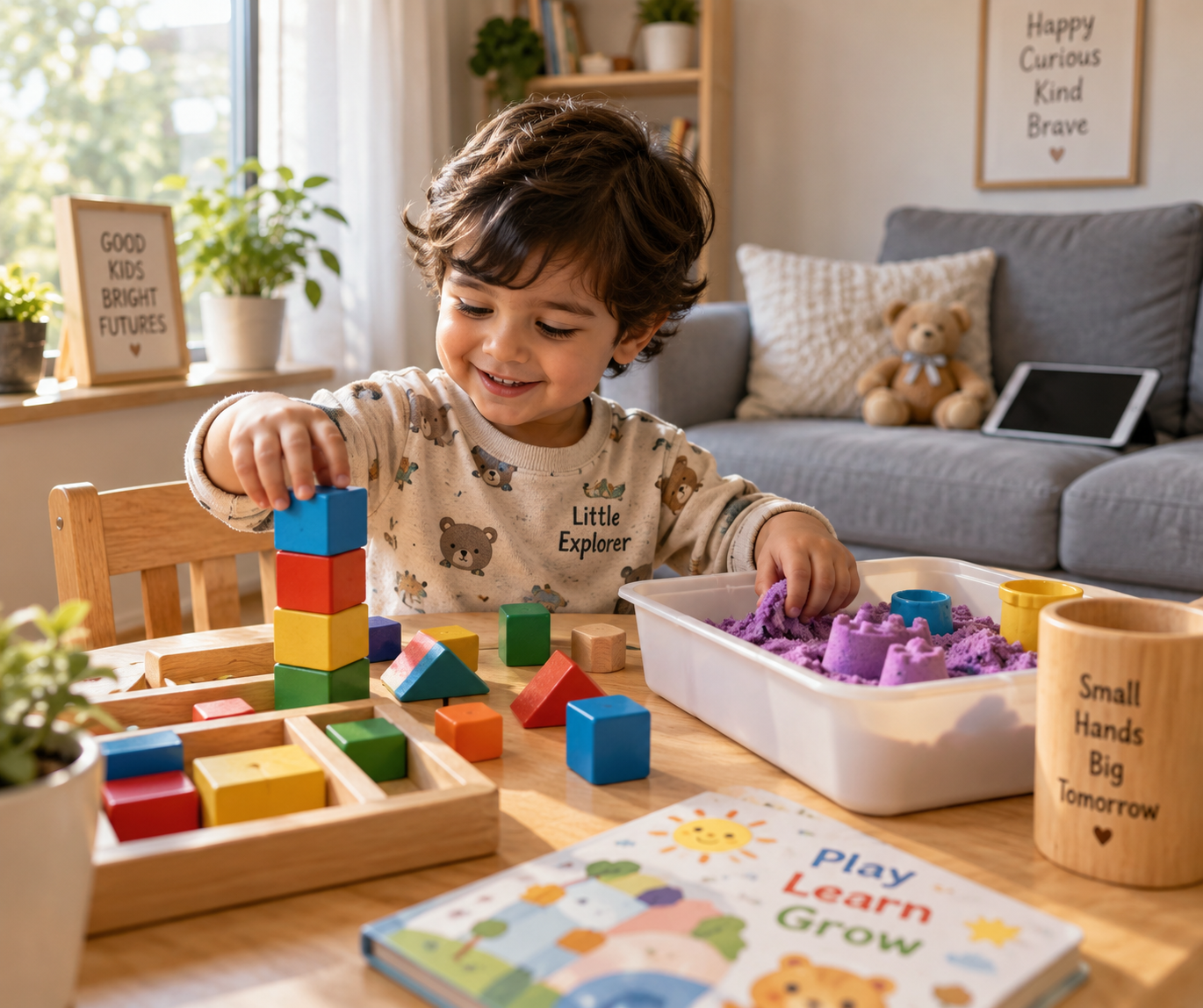
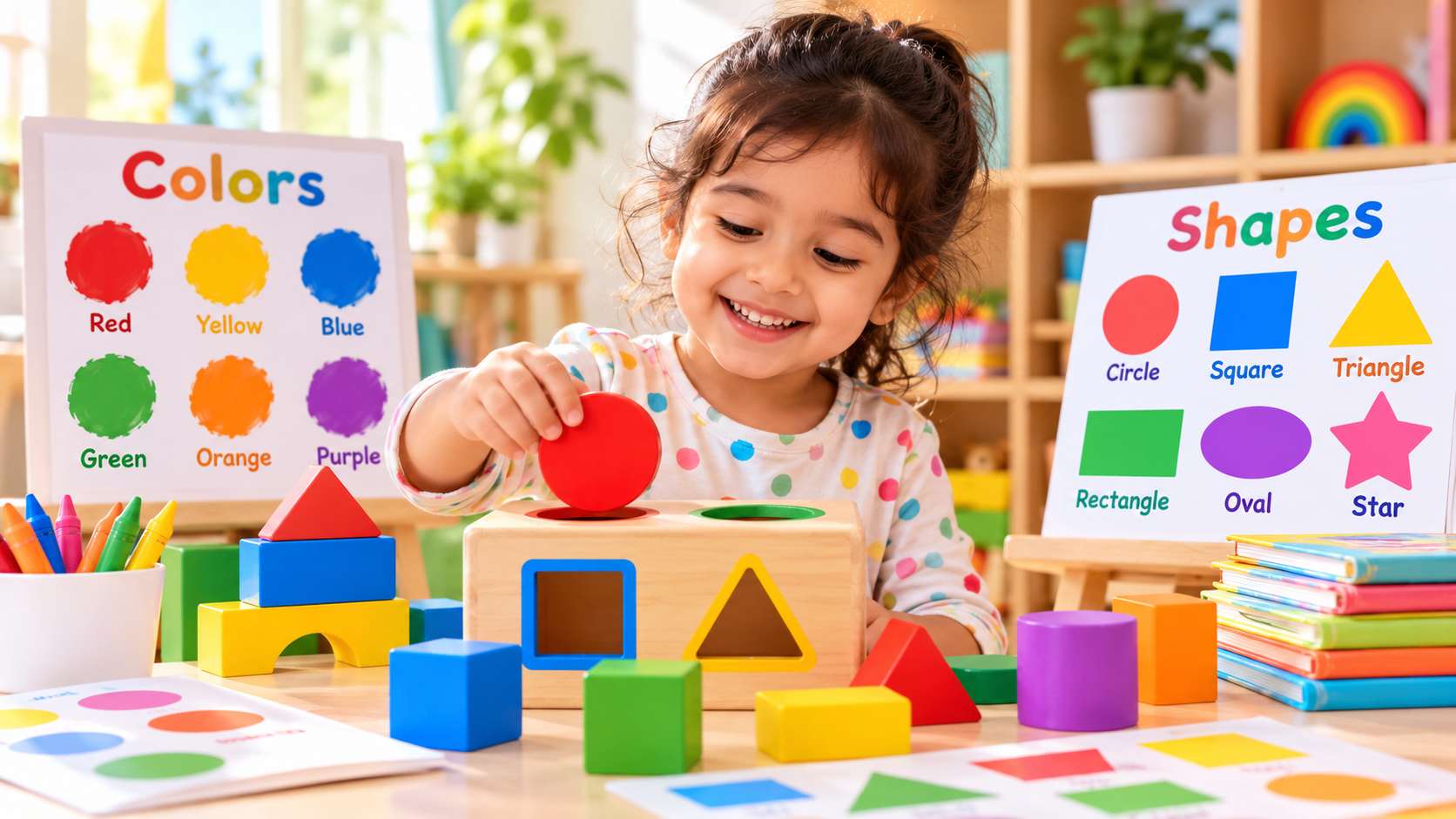
Introduce simple shapes such as circles, squares, triangles, and rectangles using blocks, puzzles, or shape sorters. Describe their features in simple language. A circle is round, a square has four equal sides, and a triangle has three sides.
3. Go on a Color Hunt at Home 🔍
Turn your home into a colorful discovery game. Choose one color and invite your child to find matching objects, such as a red cushion, a red toy, or a red book cover.
4. Find Shapes Around the House 🏠
Help children discover shapes in familiar objects. Plates and clocks can look like circles, books and doors often resemble rectangles, and some floor tiles have square shapes. Walk around the house and discover shapes together.
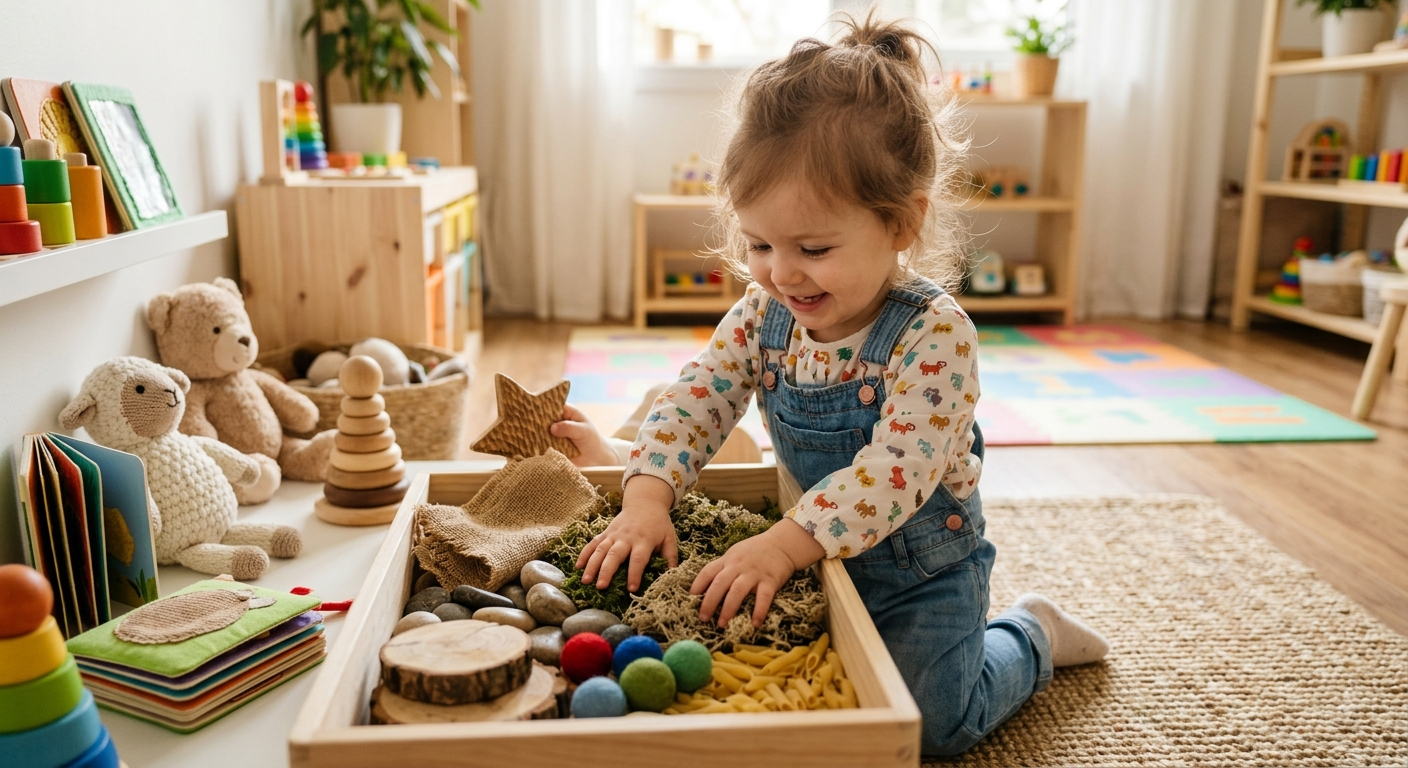
5. Sort Toys by Color 🧸
Collect a few safe, age-appropriate toys in different colors. Invite your child to group them by color. Start with two clearly different colors and gradually introduce more.
Safety tip: Supervise young children and avoid small objects that could pose a choking hazard.
6. Create a Shape-Sorting Game 🟦
Use large paper shapes or an age-appropriate shape sorter. Ask your child to match circles, squares, triangles, and rectangles. If they choose the wrong shape, demonstrate a match and let them try again without pressure.
7. Make Colorful Paper Collages ✂️
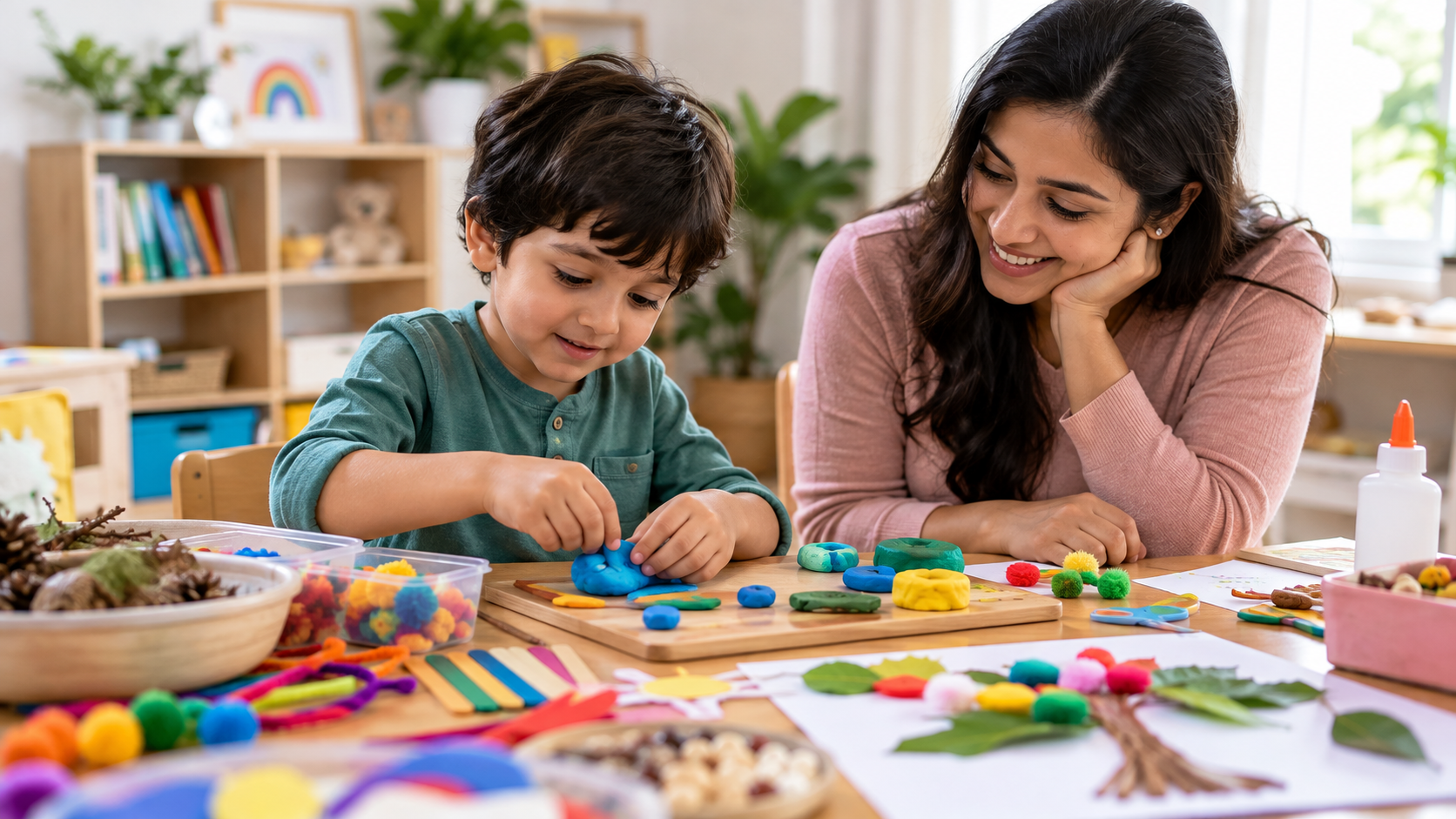
Provide large pieces of colored paper, child-safe glue, and a sheet of paper. Invite your child to arrange and stick the pieces into a colorful collage. Older preschoolers can create pictures of houses, flowers, or rainbows.
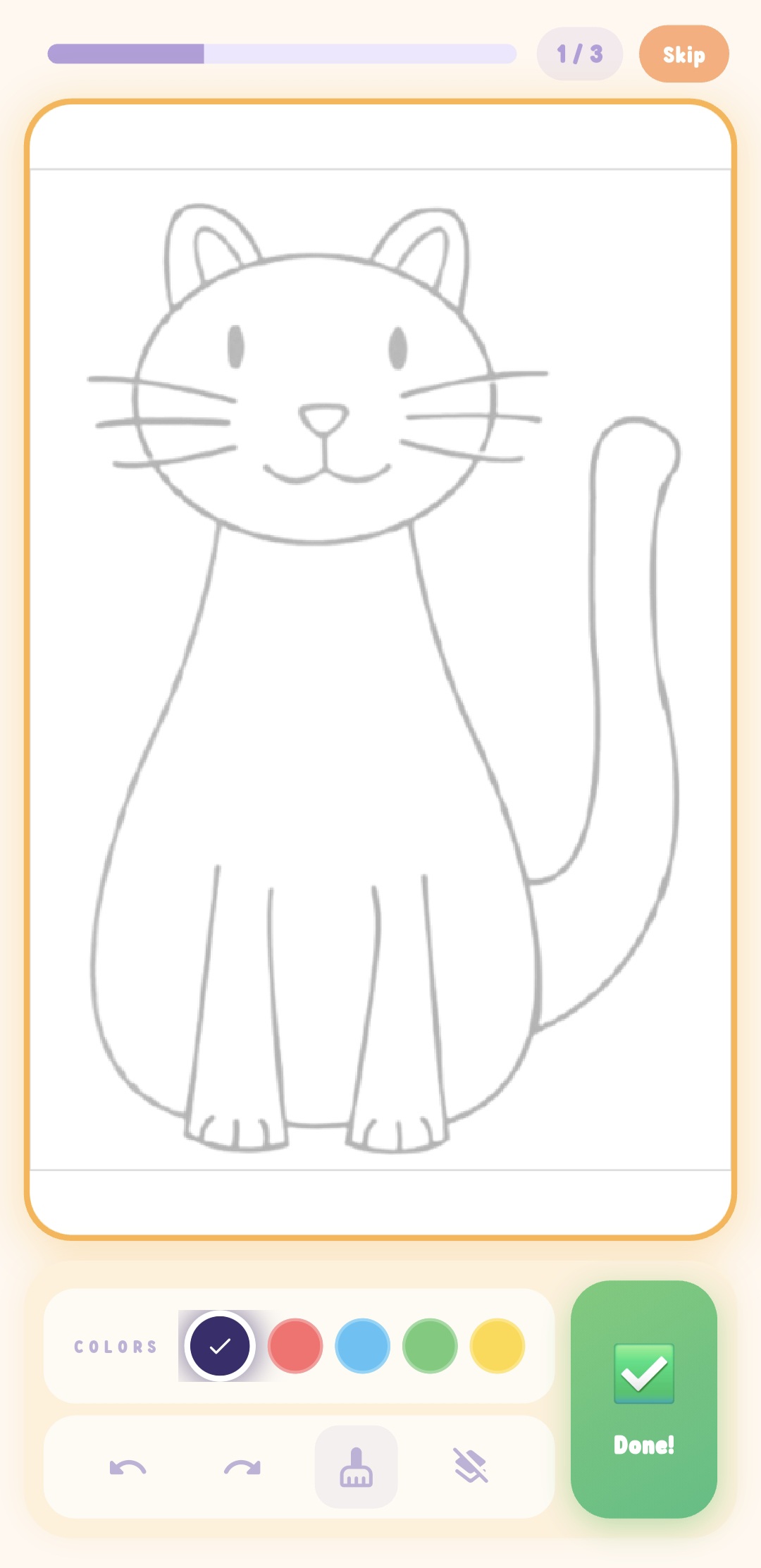
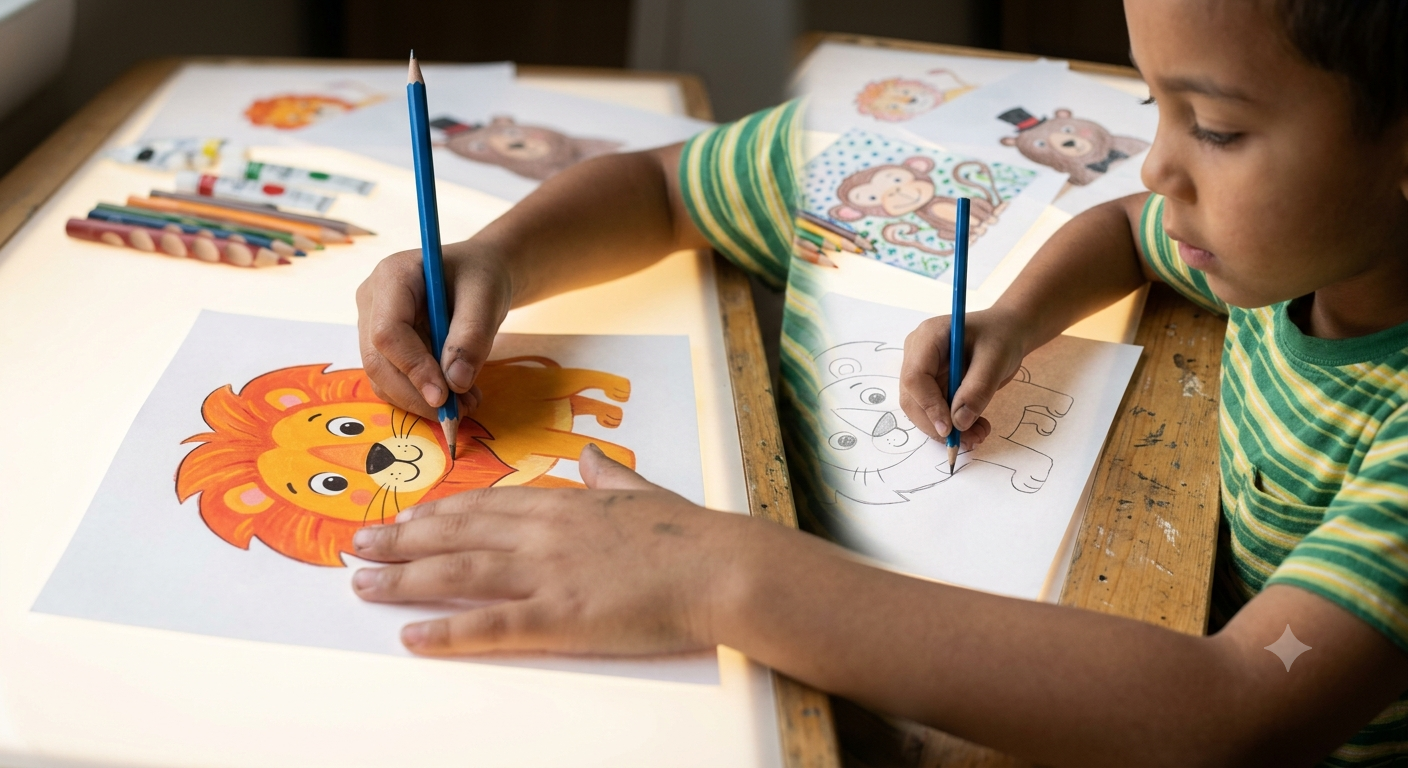
8. Draw Shapes Together ✏️
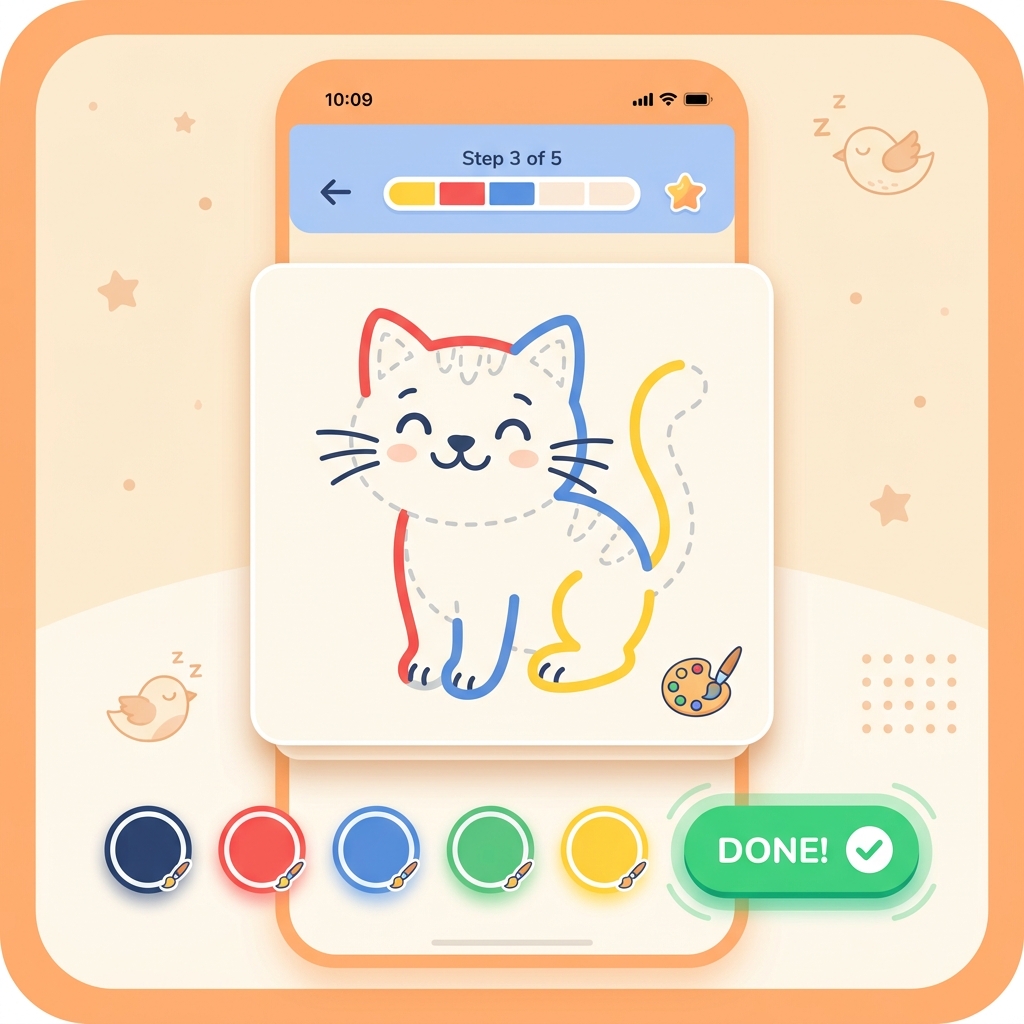
Draw a large circle, square, triangle, and rectangle on paper. Invite your child to trace the outlines or draw their own shapes. Turn a circle into a sun, a square into a window, or a triangle into a roof.
For more creative ideas, explore our drawing activities for kids.
9. Play a Color-Matching Game 🟡
Choose pairs of large color cards or matching objects. Mix them up and ask your child to find the pairs. For example, match a blue card with a blue block. You can also match objects by shape.
10. Build Pictures With Shape Blocks 🏗️
Use large building blocks or paper shapes to create simple pictures. Make a house from a square and triangle, a robot from rectangles, or a flower from circles. Encourage your child to invent their own designs.
11. Read Books About Shapes and Colors 📚
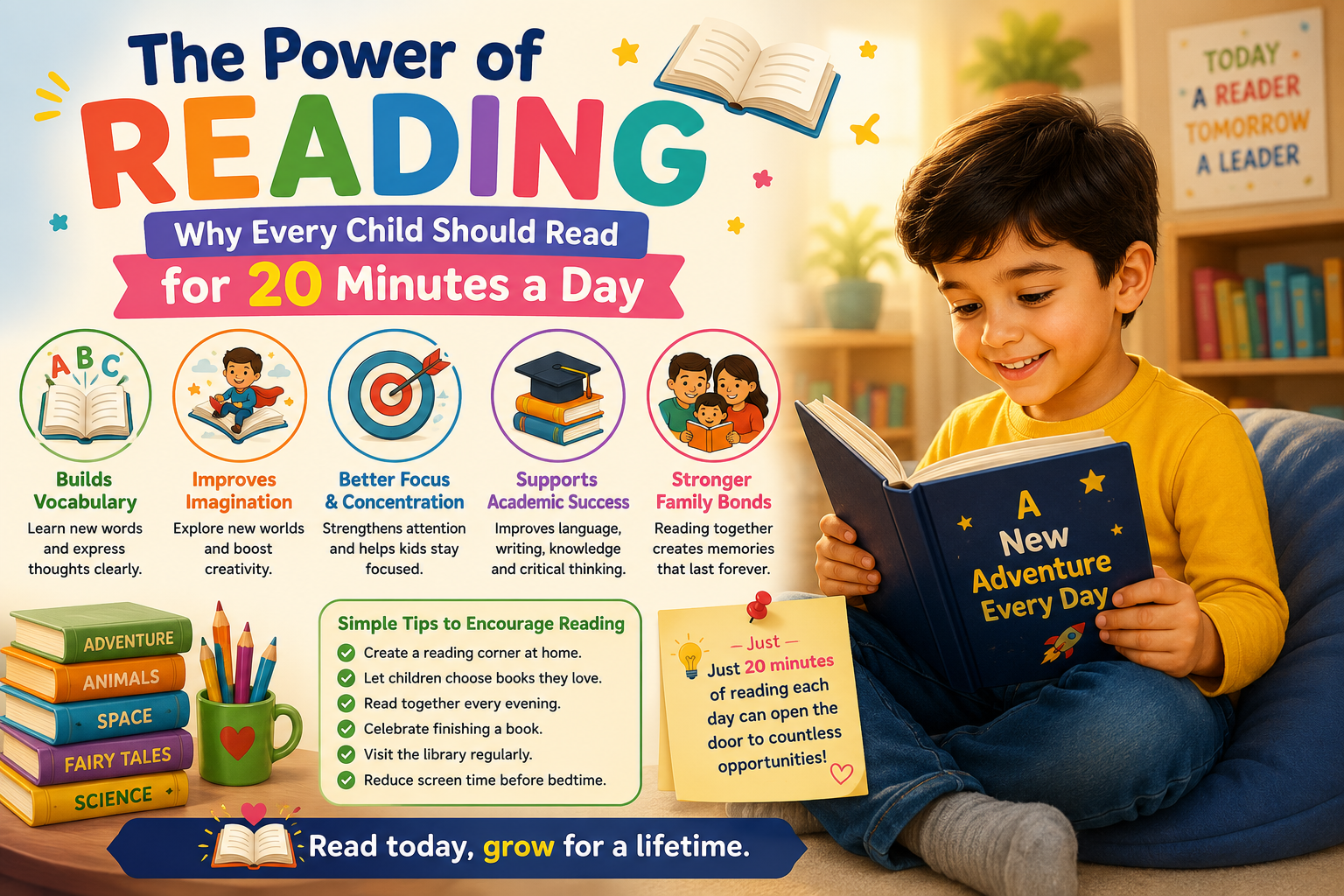
Picture books provide opportunities to identify objects, colors, and shapes. Pause while reading and ask questions such as, “What color is the ball?” or “Can you find a circle on this page?” Let your child explore at their own pace.
12. Explore Colors During Outdoor Play 🌿
Turn a walk in a park or garden into a learning activity. Look for green leaves, colorful flowers, round stones, or rectangular signs. Encourage children to observe nature without picking plants or touching unfamiliar objects.
13. Make a Shape Treasure Hunt 🕵️
Draw or print large pictures of basic shapes. Ask your child to find objects that resemble each shape around the room, such as a circular plate or a rectangular book. Keep the game short and fun.
14. Practise Shapes and Colors With Movement 💃
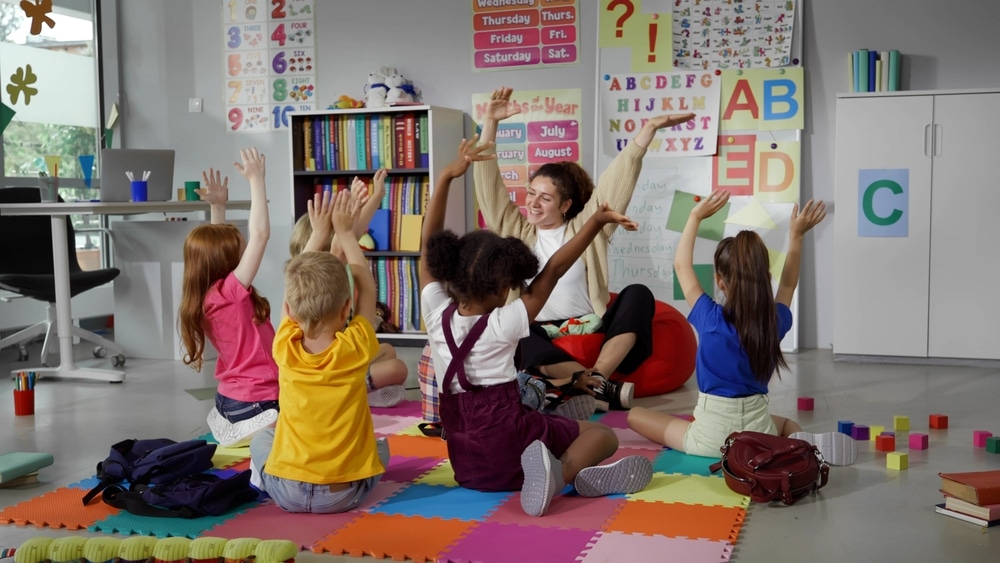
Place large paper shapes on the floor with enough space to move safely. Ask your child to walk to a circle, stand beside a square, or point to something yellow. Add clapping, jumping, or dancing to make learning active.
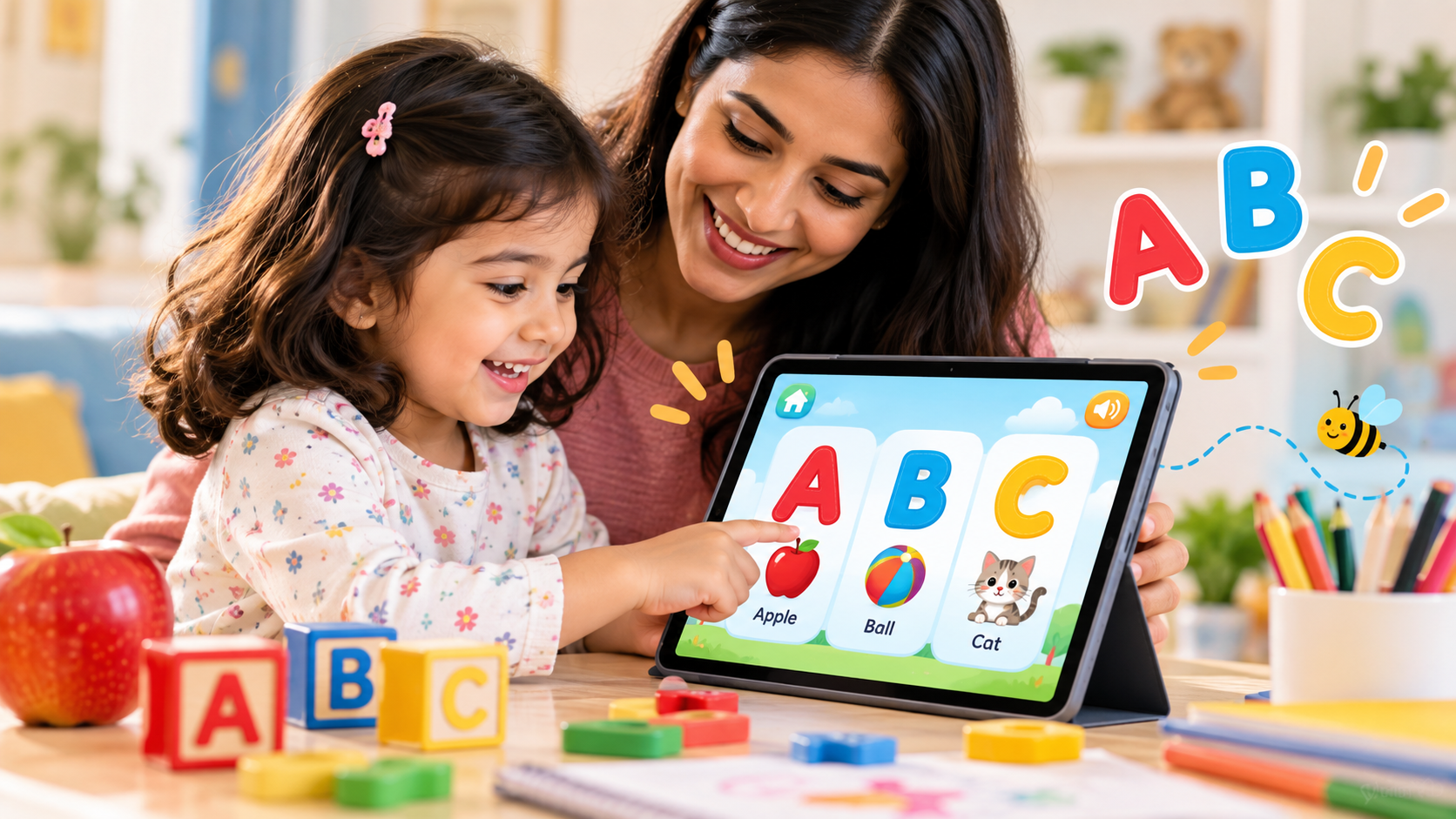
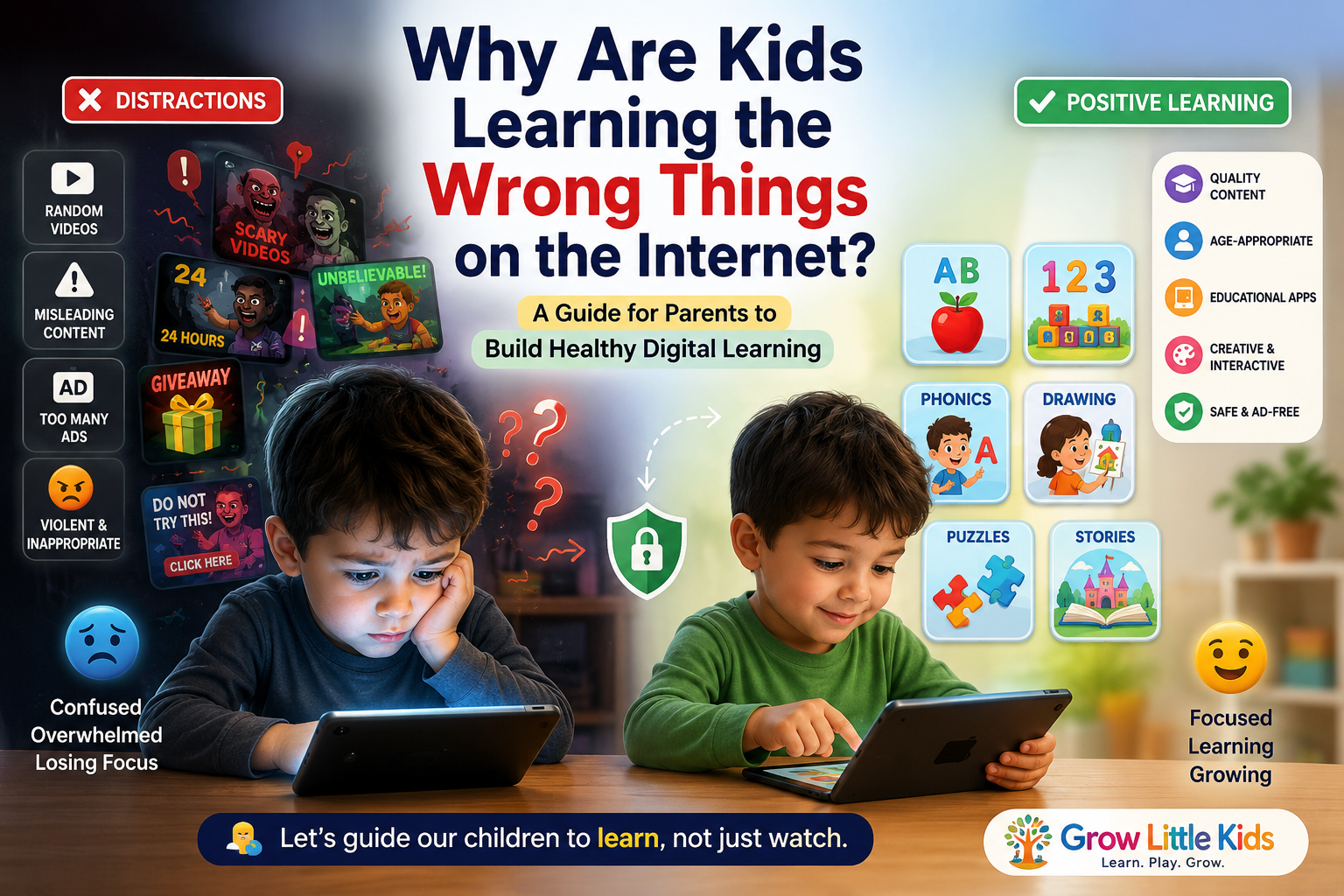
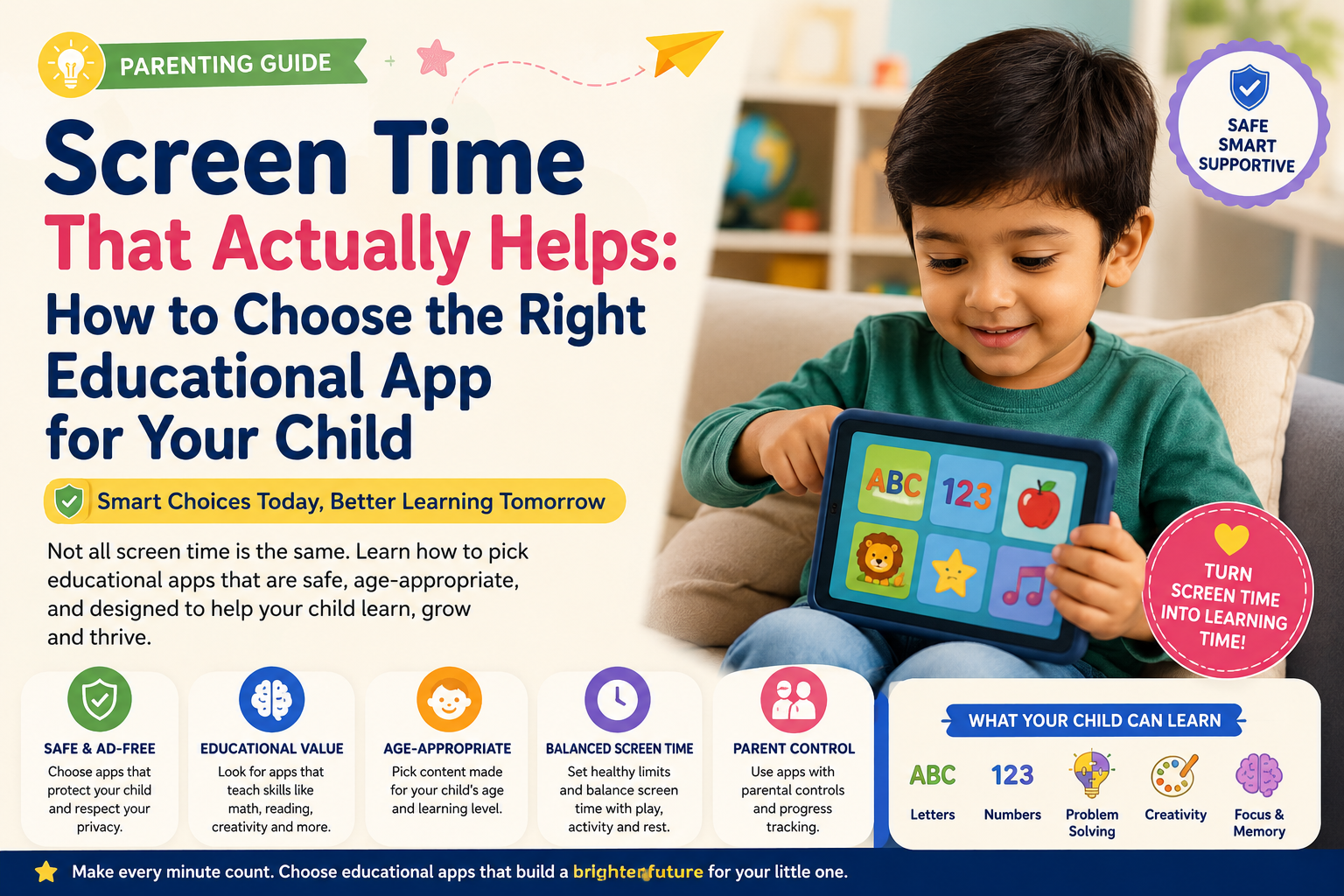
15. Use Short Digital Learning Activities Alongside Real Play 📱
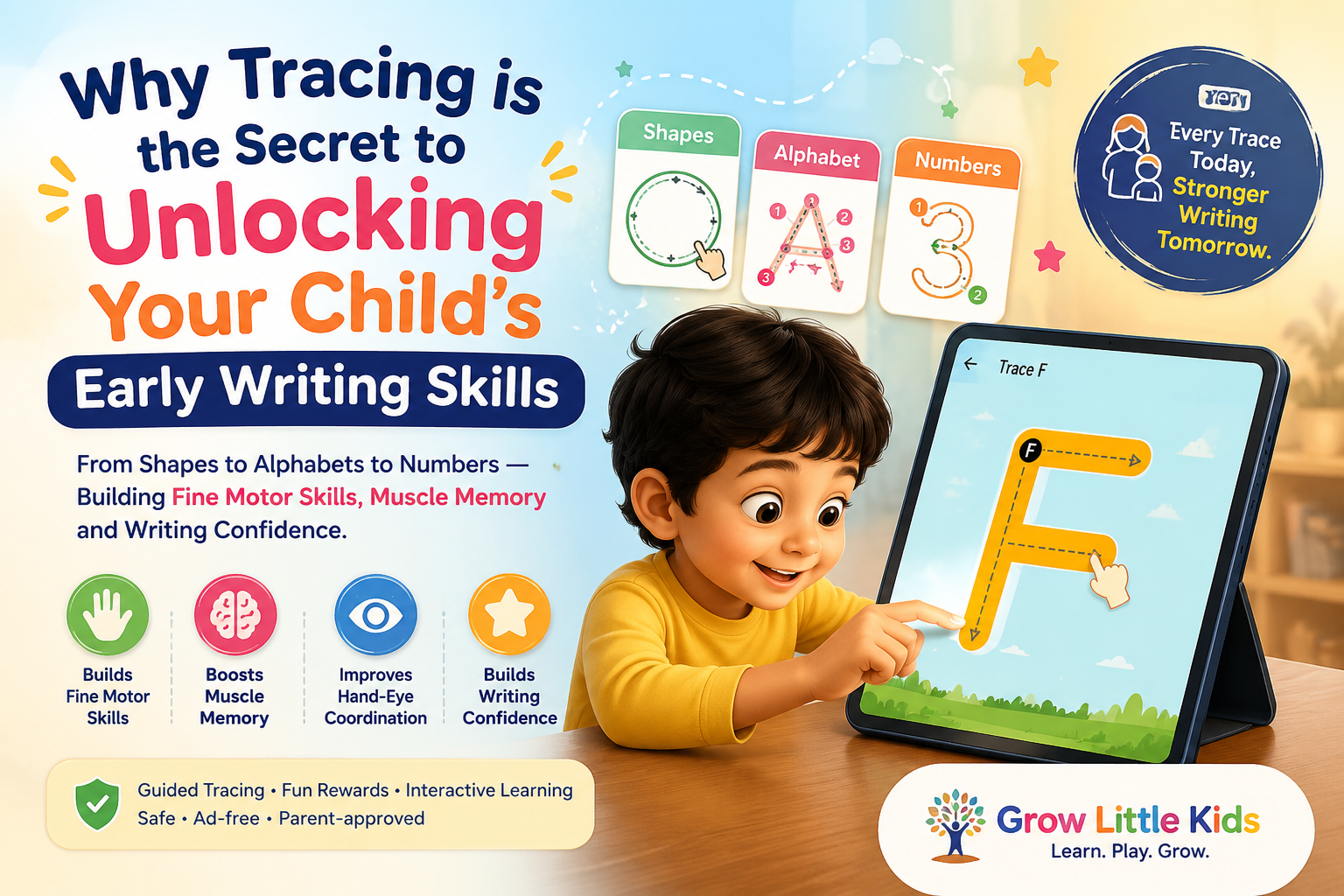
Age-appropriate educational apps can offer extra opportunities to recognize colors, match shapes, and practise visual observation. Join your child when possible and connect what they see on the screen to real objects afterward.
Digital activities should complement hands-on play, conversation, movement, and rest rather than replace them.
Tips for Teaching Shapes and Colors by Age
Toddlers
Use familiar objects, simple color names, large shapes, and short play sessions. Focus on exploration rather than expecting immediate answers.
Preschoolers
Introduce more shapes, sorting activities, matching games, and simple drawing tasks. Encourage children to describe what makes objects similar or different.
Children Ages 5–6
Explore patterns, shape combinations, color categories, and simple picture-making challenges. Ask children to explain how they grouped their objects.
Remember that children develop at different rates. These age groups are general suggestions, not strict milestones.
Common Mistakes to Avoid
- Teaching too many concepts at once: Start with a few familiar colors and shapes.
- Relying only on flashcards: Include real objects, movement, conversation, and creative play.
- Turning every activity into a test: Give children time to explore without pressure.
- Expecting perfect answers immediately: Model the answer gently and offer another opportunity later.
- Comparing children: Focus on each child's progress, curiosity, and enjoyment.
Frequently Asked Questions
1. At What Age Can Children Start Learning Colors and Shapes?
Children can begin exploring colors and shapes during toddlerhood through everyday play. The timing of recognition and naming varies, so use familiar objects and follow your child's interests.
2. What Shapes Should Preschoolers Learn First?
Circles, squares, triangles, and rectangles are useful starting points because children encounter them in books, toys, and everyday surroundings.
3. How Can I Teach Colors Without Worksheets?
Use color hunts, sorting games, picture books, drawing, building blocks, and conversations about everyday objects. Short, playful experiences can make learning part of daily life.
4. How Long Should a Shapes and Colors Activity Last?
There is no single ideal duration for every child. Start with a short activity and continue while your child remains interested. Take a break when they become tired or distracted.
5. Can Educational Apps Help Children Learn Shapes and Colors?
Well-chosen educational apps can offer extra practice, but children also benefit from real-world exploration, hands-on materials, conversation, and play with caregivers.
Conclusion
Learning shapes and colors can be a joyful part of everyday family life. From sorting toys and drawing pictures to exploring a garden, children have many opportunities to discover patterns and describe the world around them.
Choose one or two activities that suit your child's interests, keep the experience playful, and celebrate their curiosity. Consistent encouragement and hands-on exploration can help children build confidence as they learn.
Explore more practical ideas on the GrowLittleKids blog and make learning an enjoyable part of your child's day.